What a Side Roller Does on a Belt Conveyor
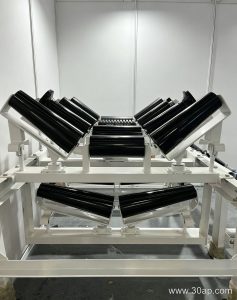
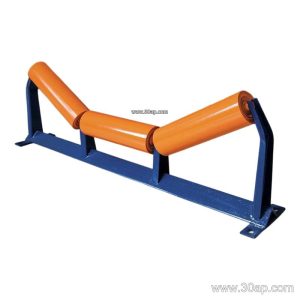
A side roller is the inclined idler in a troughing set that lifts the two outer edges of the belt, forming a cradle that keeps bulk material centered during transport. Together with the center roll, two side rollers create the familiar three-roll trough profile used on quarry conveyors, coal mining lines and crushing circuits. The angle of these outer rolls, commonly 20, 30, 35 or 45 degrees, determines how deep the trough sits and how much material the belt can carry without spillage.
Because the side roller carries a large share of the load on the belt edge, its bearing, shell and shaft quality directly affect rolling resistance, belt tracking and the cost of downtime in a sand and gravel plant or a power station coal yard.
Construction Details That Matter
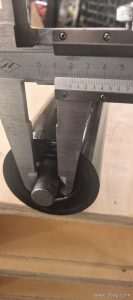
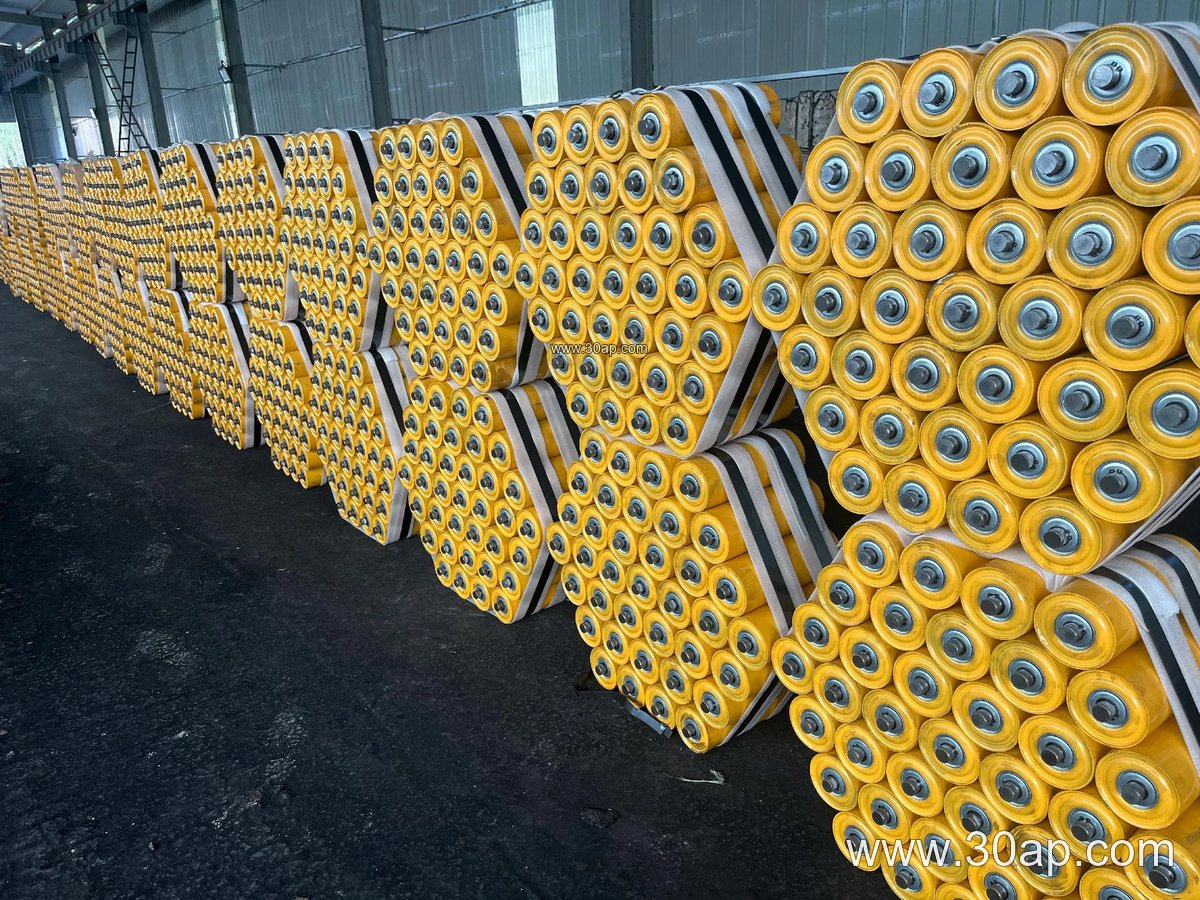
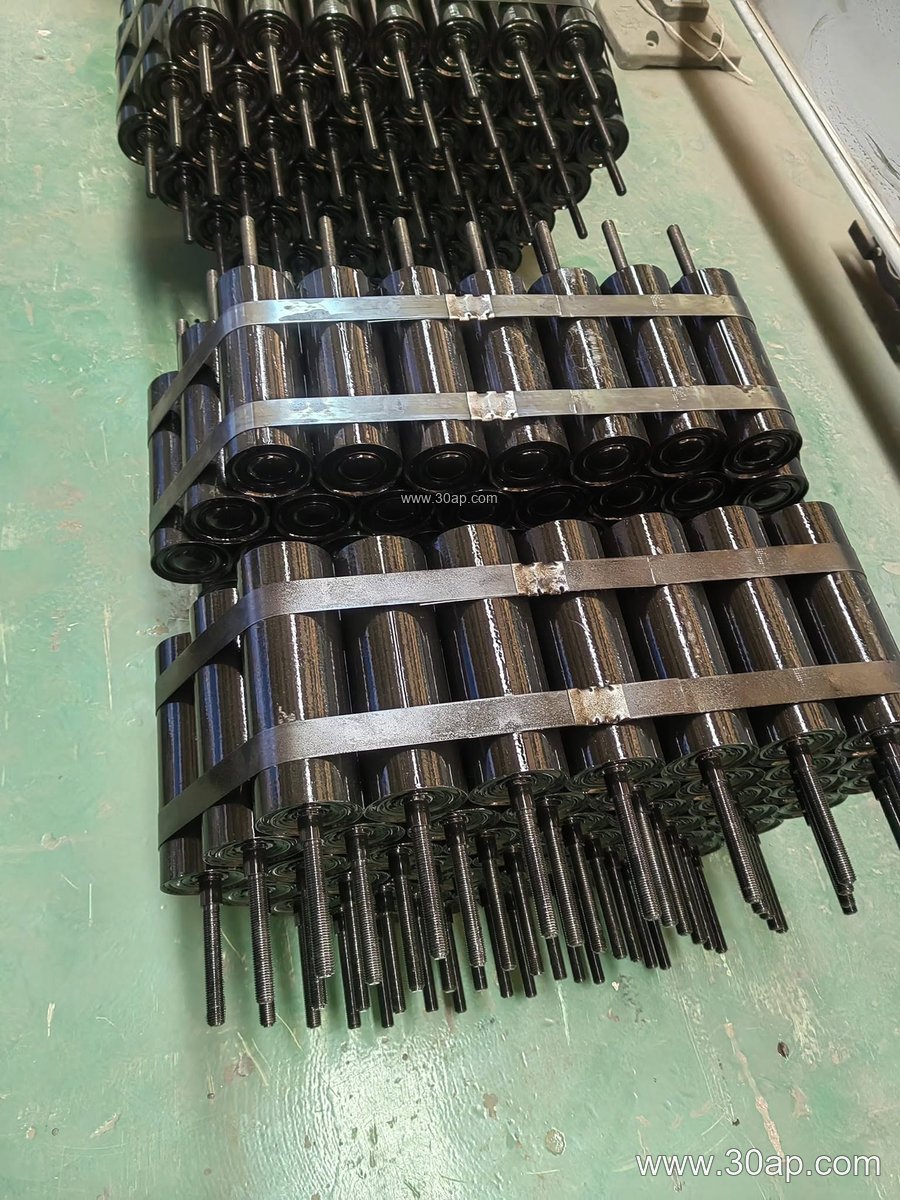
A typical side roller consists of a steel tube shell, a through shaft, sealed bearings at each end, and a labyrinth or lip seal arrangement that keeps dust and water away from the bearing cavity. Roller diameters commonly range from Ø63 mm to Ø219 mm, with Ø89, Ø108 and Ø133 mm frequently chosen for medium-duty troughing sets. Bearing sizes such as 6204, 6205, 6305 and 6308 appear across these diameters, but no single bearing is tied to one shell size; the designer matches bearing capacity to load and speed.
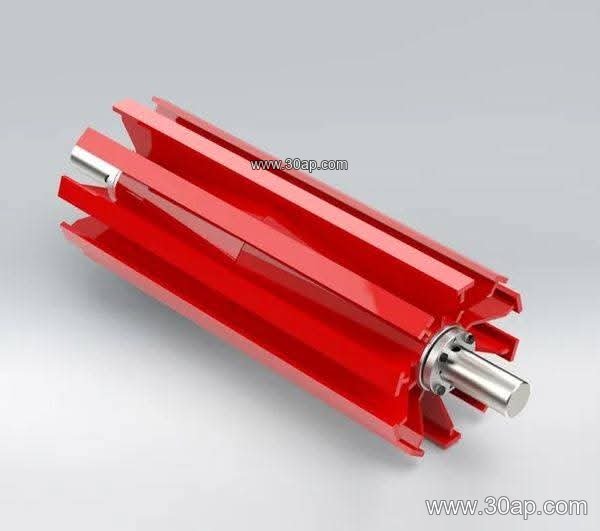
Surface options include plain steel, nylon, ceramic and rubber rings. Rubber rings are especially useful on impact zones in a crusher discharge, while ceramic or nylon covers help where sticky material builds up on the shell. A side roller on a heavy-duty mining conveyor may use a thicker wall tube to resist bending under high belt tension.
How Side Rollers Fit the Troughing Set
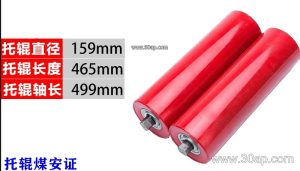
In a three-roll set, the two side rollers are mounted at the trough angle and connected to the center roll through a common frame or bracket. The roll length is not fixed by belt width; it changes with belt width, trough angle and the geometry of the set. For reference, common examples include roughly 200 mm rolls on B500 belts, 250 mm on B650, 315 mm on B800, 380 mm on B1000, 465 mm on B1200, 530 mm on B1400 and 600 mm on B1600. These are typical starting points, and side rolls can differ from the center roll in the same set.
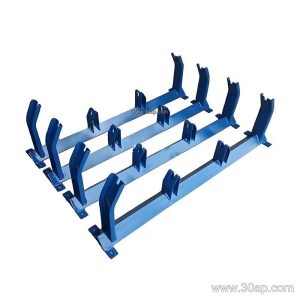
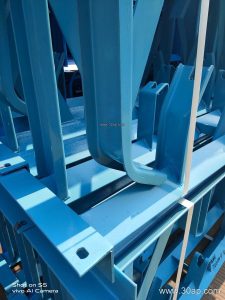
A conveyor bracket or frame must hold the side roller at the correct angle and spacing so the belt sits evenly. When a side roller is worn or seized, the belt often drifts toward the low side, which is why maintenance teams check these outer rolls first when tracking problems appear.
Where Side Rollers Are Used
Side rollers appear wherever a conveyor belt handles loose bulk material. In a limestone quarry or aggregate line, they support the belt through the loading point and along the main incline. In a cement plant, they help carry clinker and raw meal on troughing conveyors. In a coal wash plant or underground mining conveyor, flame retardant and anti-static belt grades are often paired with robust rollers to reduce fire risk and static buildup. Port ship loading systems and steel plant sinter lines also rely on troughing sets with well-sealed side rollers.
Material characteristics influence the choice. An abrasion resistant conveyor belt carrying sharp ore needs side rollers that hold alignment firmly, while a heat resistant conveyor belt in a clinker line may call for careful bearing lubrication intervals. In food or fertilizer handling, smooth shells and clean seals matter more than heavy wall thickness.
Selection and Maintenance Pointers
Buyers should confirm the belt width, trough angle, roll length, shaft diameter and bearing size for each position rather than ordering a generic side roller. The required shaft diameter comes from the calculated load and the frame design, not from belt width alone. A side roller for a B1200 conveyor in a copper mine may differ from one in a recycling plant even when the shell diameter looks the same.
- Check that the trough angle matches the existing frame; mixed angles cause uneven belt contact.
- Confirm sealing class for dusty or wet conditions in quarries, wash plants and ports.
- Inspect side rollers for rotation, noise and shell wear during routine shutdowns.
- Replace seized rollers promptly to avoid belt edge damage and mistracking.
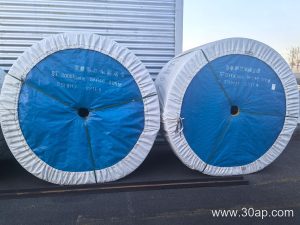
For operators sourcing complete conveyor components, matching side rollers with the correct conveyor belt specification and idler roller quality helps keep a line running smoothly. Whether the site is a stone crushing plant, a coal yard or a port terminal, the side roller remains a small but critical part of the troughing assembly.