What a High-Friction Lagged Pulley Does
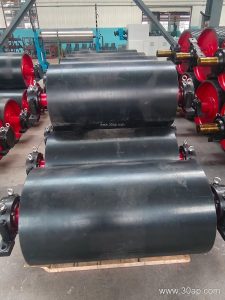
A High-Friction Lagged Pulley is a conveyor pulley whose shell carries a rubber or ceramic lagging layer engineered to raise the coefficient of friction between the drum face and the conveyor belt. This upgraded grip matters most on the drive pulley, where torque must pass from the shell into the belt without slip. On a wet, dusty, or oily transfer point in a quarry or a coal handling circuit, a bare steel shell may lose traction long before the motor reaches its rated load. The lagged surface restores that margin and also shields the shell from abrasion and corrosion.
In practice the product is also described as a rubber-lagged conveyor pulley or a friction-lagged drive drum. Those expressions point to the same component; the qualifier “high-friction” simply stresses that the covering is selected for grip, not only for wear protection.
Construction and Surface Options
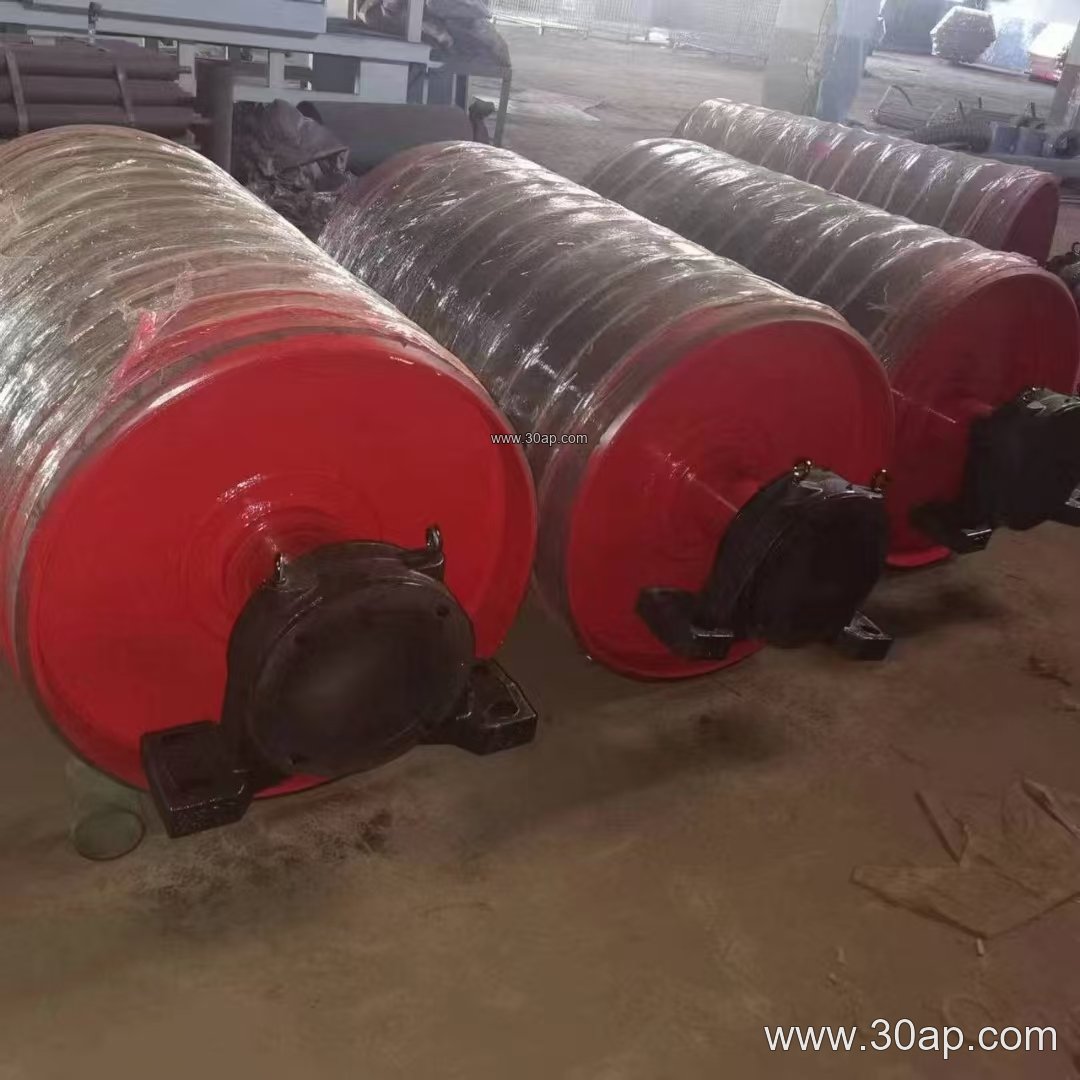
The body is usually a welded steel shell with end discs, a hub, and a shaft, machined so the lagging sits true. Covering methods include hot-vulcanised rubber, cold-bonded rubber sheet, cast rubber, diamond grooving, herringbone grooving, ceramic tiles, and plain flat rubber. Grooved patterns channel water and fines away from the contact zone, which helps on outdoor installations such as a limestone mine or a port bulk terminal. Ceramic lagging suits extremely abrasive duty where slip and wear occur together.
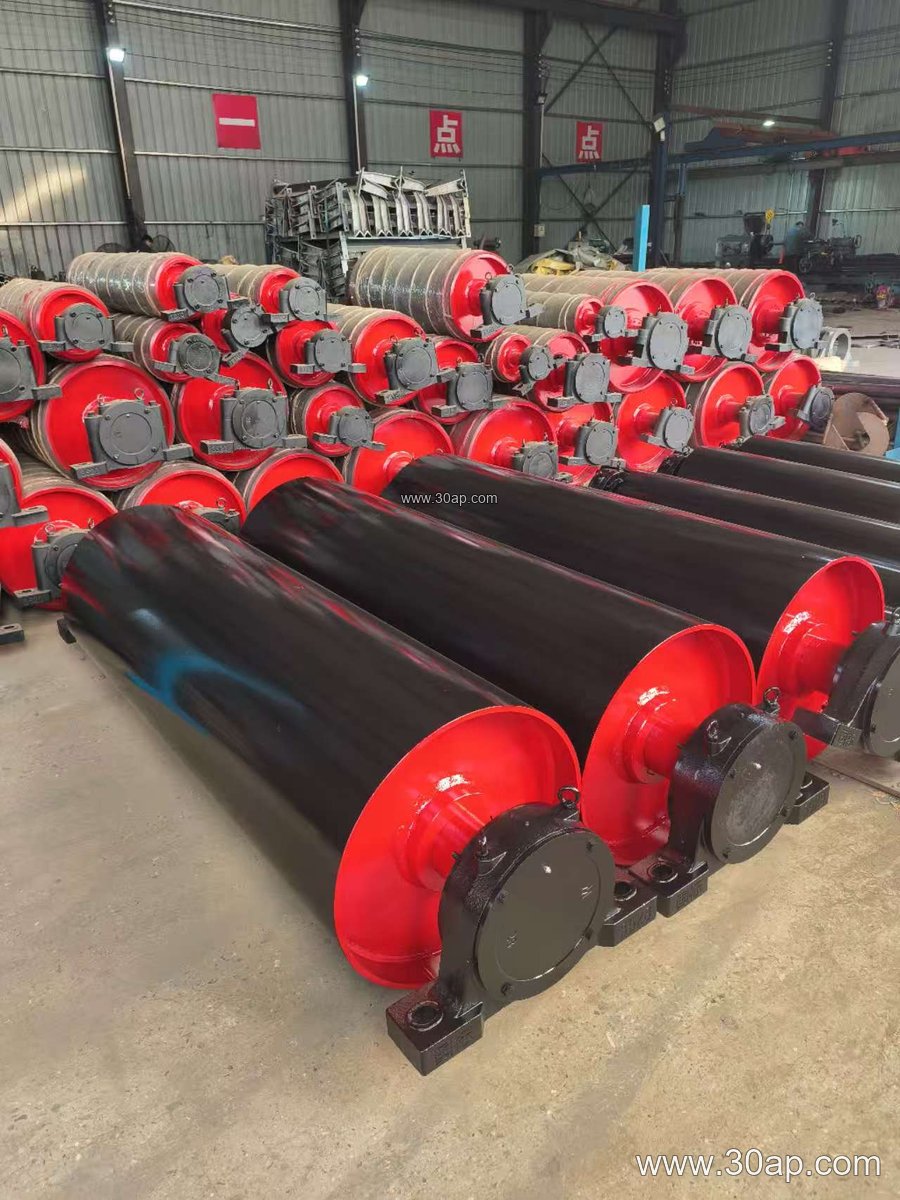
Common lagging thicknesses are 8, 10, 12, 15, and 20 mm, chosen according to belt tension, pulley diameter, and ambient conditions. Rubber compounds can be formulated for oil resistance, heat exposure, or flame resistance when the surrounding plant requires it.
Typical Sizes and Matching to the Belt
Shell width normally exceeds belt width so the belt is fully supported. Diameter is set by torque, belt speed, and the required wrap angle rather than by belt width alone. The following combinations are common reference points, not fixed rules.
| Belt width | Typical shell face width | Possible pulley diameter |
|---|---|---|
| B650 | about 750 mm | Ø400 to Ø630 |
| B800 | about 950 mm | Ø500 to Ø800 |
| B1000 | about 1150 mm | Ø630 to Ø1000 |
| B1200 | about 1400 mm | Ø800 to Ø1250 |
| B1400 | about 1600 mm | Ø1000 to Ø1400 |
| B1800 | about 2000 mm | Ø1250 to Ø1600 |
Shaft diameters such as Ø80, Ø100, Ø120, Ø140, Ø160, or Ø200 are determined from torque and bearing load, never from belt width alone. A B1200 × Ø1000 unit and a B800 × Ø500 unit may both be valid for different duty levels.
Where It Fits in a Conveyor
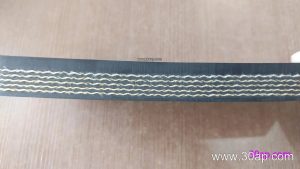
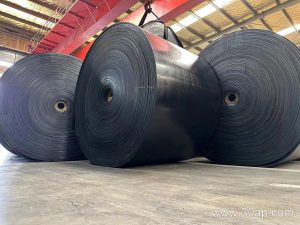
The high-friction version is most often specified as a drive or head pulley, but it can also serve as a tail pulley, a tension pulley, or a bend pulley when extra grip reduces belt wander or improves tracking. On a long overland line carrying iron ore, the drive drum may pair with a fabric-core belt such as an EP conveyor belt or an NN conveyor belt, while a steel cord conveyor belt is more typical for high-tension main lines. Underground coal mining conveyors usually combine flame retardant belt constructions with lagged drums to meet fire-safety requirements. Aggregate plants feeding a crusher often use an abrasion resistant belt against a diamond-grooved pulley to handle dusty, gritty conditions.
- Bulk terminals and ship loading systems
- Cement plant clinker and raw meal circuits
- Power plant coal handling and boiler feed lines
- Sand and gravel washing and screening plants
Buyer Checklist
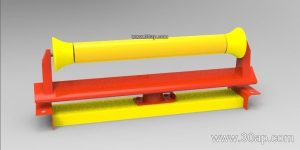
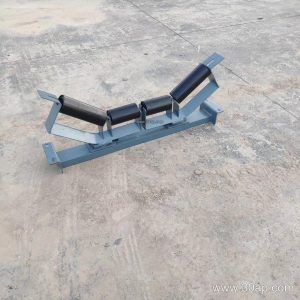
Before ordering, confirm the belt width, the required pulley diameter and face width, the shaft size, and the lagging pattern and thickness. State the material being carried, the ambient temperature, and whether oil, water, or fine dust is present. Ask how the lagging is bonded and whether it can be replaced on site. Check that the pulley interfaces correctly with the conveyor bracket and the idler roller frame layout. Matching the drum to the belt, rather than treating the two as separate purchases, keeps wrap angle, tension, and tracking predictable. For a full conveyor pulley package, coordinate the drive drum, tail drum, and return idlers as one system so the lagging performs as intended from the first start-up.