What a PVC Mining Conveyor Belt Is
A PVC mining conveyor belt is a solid-woven or fabric-reinforced belt with polyvinyl chloride covers, designed for hauling bulk materials in mines, quarries, cement plants, power stations, and sand and gravel yards. It is a distinct product from a rubber conveyor belt: the carcass is typically a single- or multi-ply fabric fully impregnated with PVC, and the covers are PVC-based rather than rubber. This construction makes the belt lighter and more flexible than heavy rubber equivalents, which can simplify installation on conveyors with relatively small pulleys and tight transitions.
The belt is often specified as a PVC conveyor belt in general industrial service, but in mining duty the same product is commonly called a PVC mining conveyor belt to distinguish it from lighter general-purpose grades. It is not a replacement for a steel cord conveyor belt or an EP conveyor belt in high-tension mainline haulage; rather, it serves medium-duty and specialized roles where its fire performance, low weight, and resistance to moisture are valued.
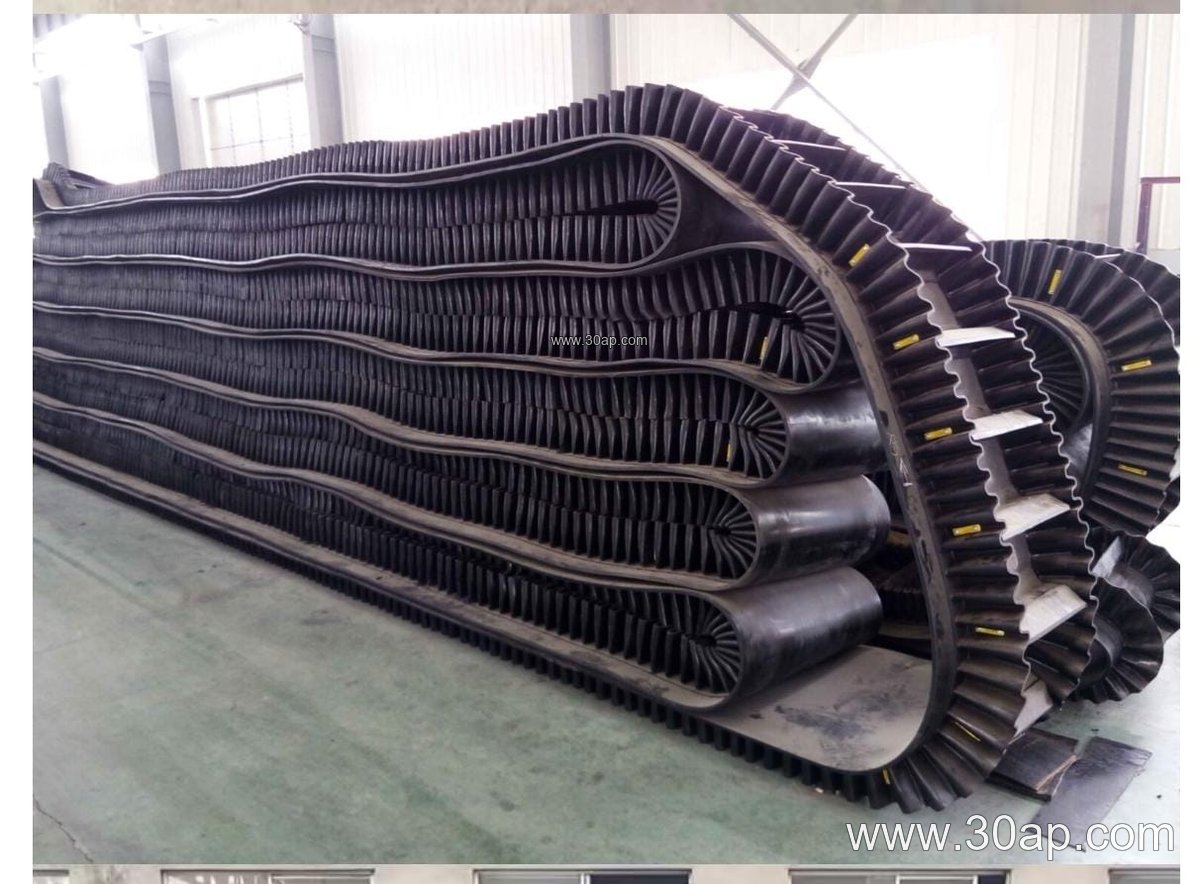
Construction and Surface Options
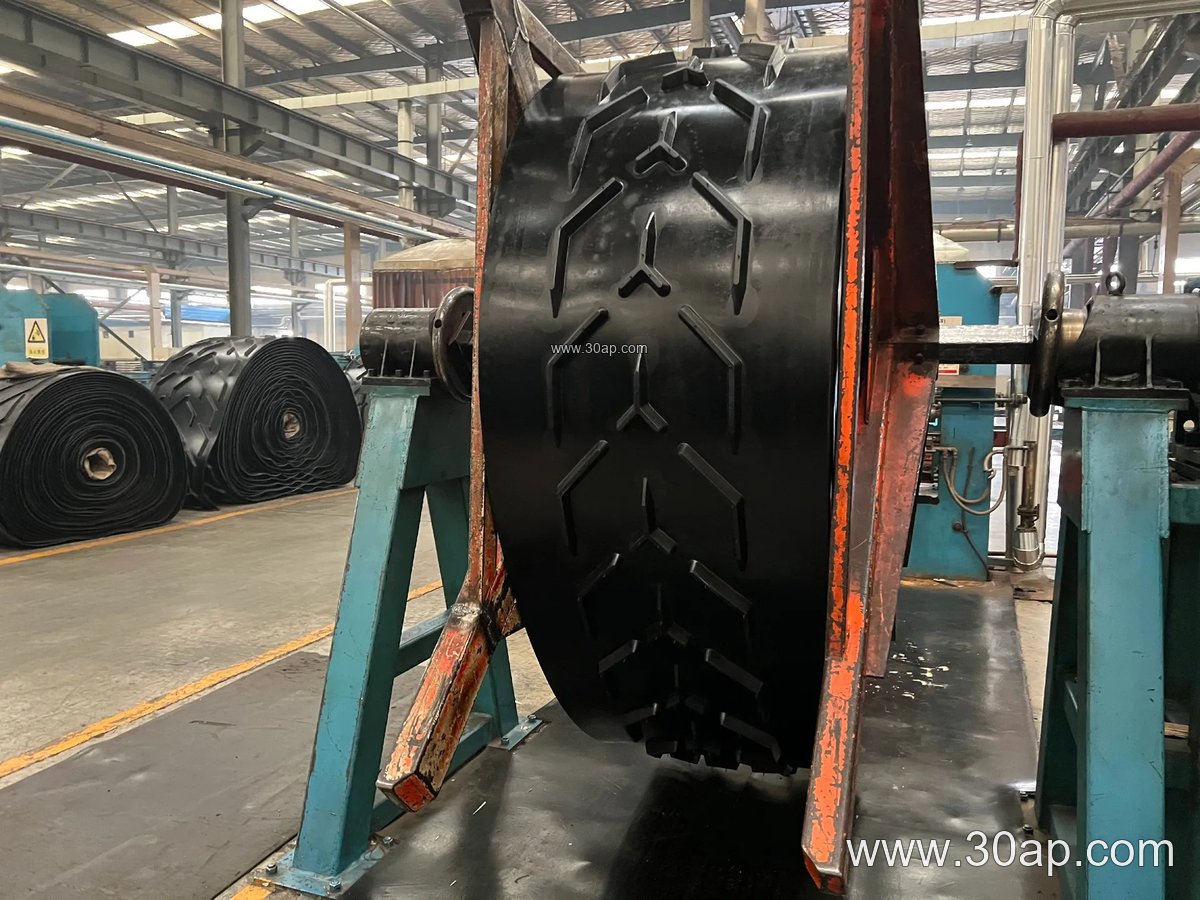
The carcass is usually a woven fabric core, with the PVC paste penetrating the fabric to bond the plies and form a moisture-resistant body. Cover thickness is modest compared with heavy rubber belts, often in the range of 1 to 3 mm per side depending on the manufacturer and the duty. The belt can be supplied with different surface forms: smooth covers for general bulk material, chevron or patterned surfaces for inclined conveying, and corrugated sidewall or skirted edges for steep inclines or containment of loose material.
For underground coal mining, flame retardant and anti-static grades are commonly requested. These are not the same as a fire resistant conveyor belt built on a rubber carcass, although both may be specified for safety-critical service. A PVC belt with flame retardant additives is often chosen for underground mining conveyor belts where weight and ease of splicing matter. The belt can also be produced as an endless conveyor belt when the conveyor layout allows a closed loop to be fitted on site.
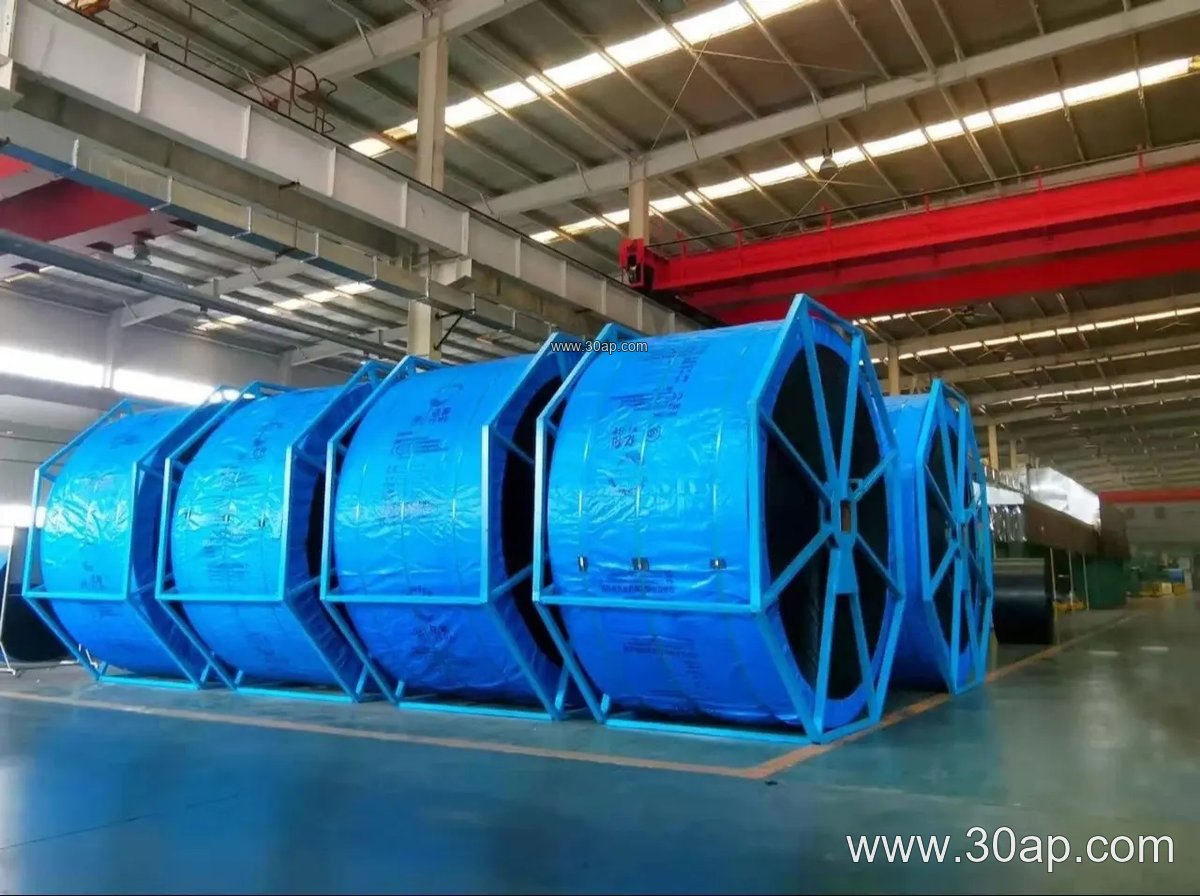
Where It Fits in the Plant
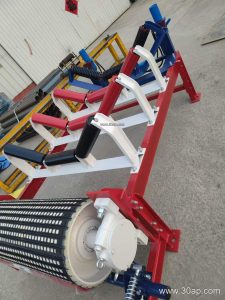
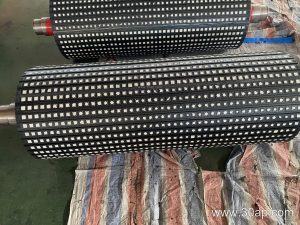
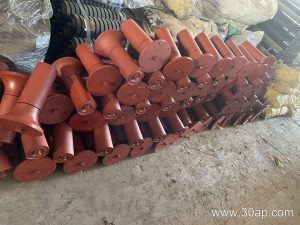
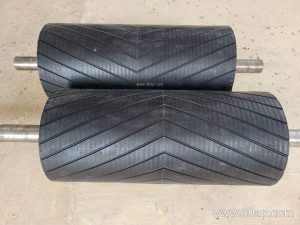
Typical applications include coal mining conveyor belts in secondary and gate roads, quarry conveyor belts feeding crushers, aggregate conveyor belts in sand and gravel plants, and cement conveyor belts moving clinker or raw meal in relatively short runs. It also appears in power plant conveyor belts for limestone or biomass, and in port conveyor belts for light bulk cargo. The belt runs over idler rollers and around conveyor pulleys; the drive pulley, tail pulley, and bend pulley each have a different role and should not be treated as interchangeable. Conveyor brackets and frames should be checked for alignment when a lighter PVC belt replaces a heavier rubber belt, because the load profile changes.
Because PVC covers resist moisture and many mild chemicals, the belt is sometimes used where a rubber belt would degrade, such as in washing plants or damp underground sections. It is not the first choice for hot material; a heat resistant conveyor belt or a high temperature grade with a suitable carcass is more appropriate for clinker or sinter. Likewise, for sharp, heavy ore, a heavy-duty mining conveyor belt with a thicker rubber cover and a stronger carcass, such as an EP200 or EP315 fabric core or a steel cord construction, may be needed.
Common Reference Dimensions
The table below gives common reference values only. Actual belt width, strength, and cover thickness are determined by the conveyor design, material lump size, and operating tension. No single width is tied to a particular pulley diameter.
| Parameter | Common reference range | Notes |
|---|---|---|
| Belt width | B500, B650, B800, B1000, B1200, B1400, B1600 | Wider belts such as B1800 or B2000 are available from some makers |
| Carcass | 2 to 4 plies, solid woven or fabric | Multi-ply fabric core options exist |
| Cover thickness | 1 to 3 mm per side | Thicker covers for abrasive duty |
| Surface | Smooth, chevron, corrugated sidewall, skirted | Patterned for inclined sections |
| Safety grades | Flame retardant, anti-static | Common for underground coal mining |
For comparison, an EP conveyor belt or NN conveyor belt in the same width may carry a higher tension rating, while a PVC belt is generally limited to lighter duty. A rubber conveyor belt with abrasion resistant covers is preferred for sharp rock, and a steel cord conveyor belt is used for long overland hauls. The PVC mining conveyor belt should be selected for its own merits, not as a direct substitute for those types.
Selection and Maintenance Notes
- Check the conveyor’s calculated tension and confirm the PVC belt rating with the manufacturer; do not assume a belt width alone defines the pulley size or shaft diameter.
- Match the surface form to the incline: smooth for flat runs, chevron or corrugated sidewall for slopes and contained loads.
- Verify flame retardant and anti-static requirements for underground coal mining and other regulated environments.
- Inspect idler rollers and conveyor pulleys for seizing or buildup, as a lightweight belt can be damaged quickly by a failed roller.
- Use proper splicing methods for the PVC carcass; endless splices are preferred where the belt can be installed as a loop.
Buyers should request the manufacturer’s data sheet for the specific grade, including cover hardness, tensile strength, and recommended minimum pulley diameter. Values vary between suppliers, and field performance depends on installation quality and maintenance practice.