What a Conveyor Equipment Idler Does
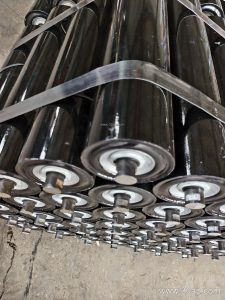
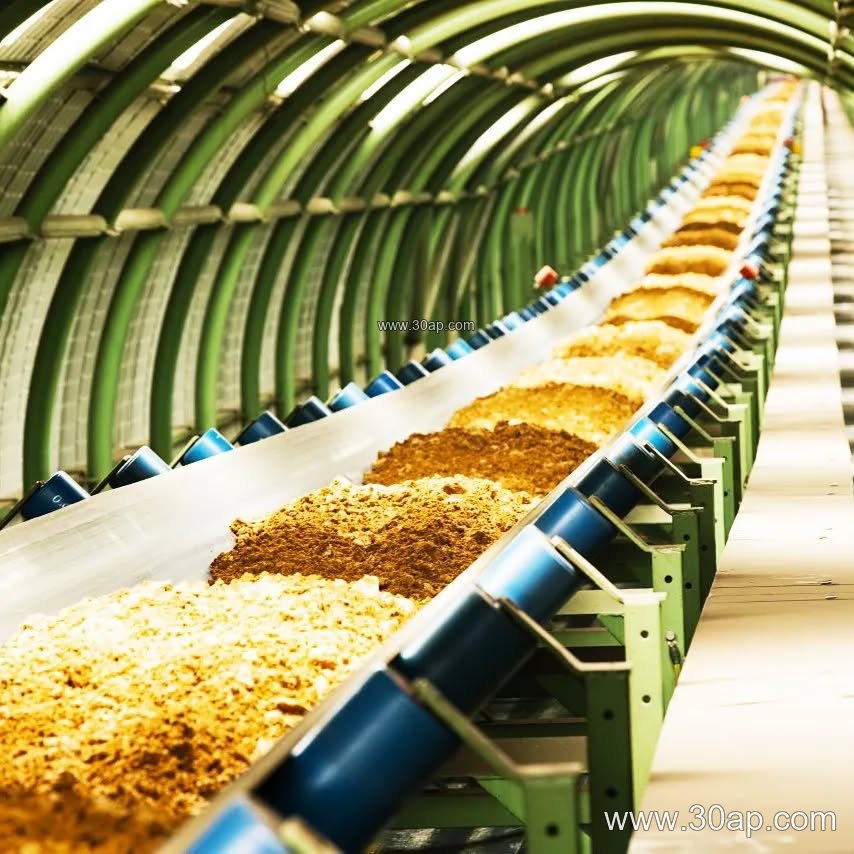
A conveyor equipment idler is the rotating roller assembly that supports the conveyor belt along its carrying and return runs. It keeps the belt profile stable, reduces friction, and guides material without spillage. In a quarry conveyor belt line or a coal mining conveyor belt system, these idlers are mounted on a conveyor bracket at regular intervals, working together with the conveyor pulley at the head and tail. The idler is not a drive component, but its condition directly affects belt life and energy consumption.
Construction and Common Types
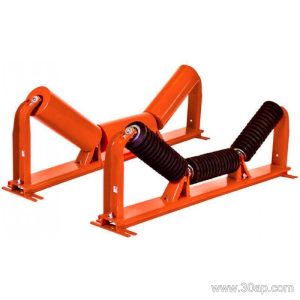
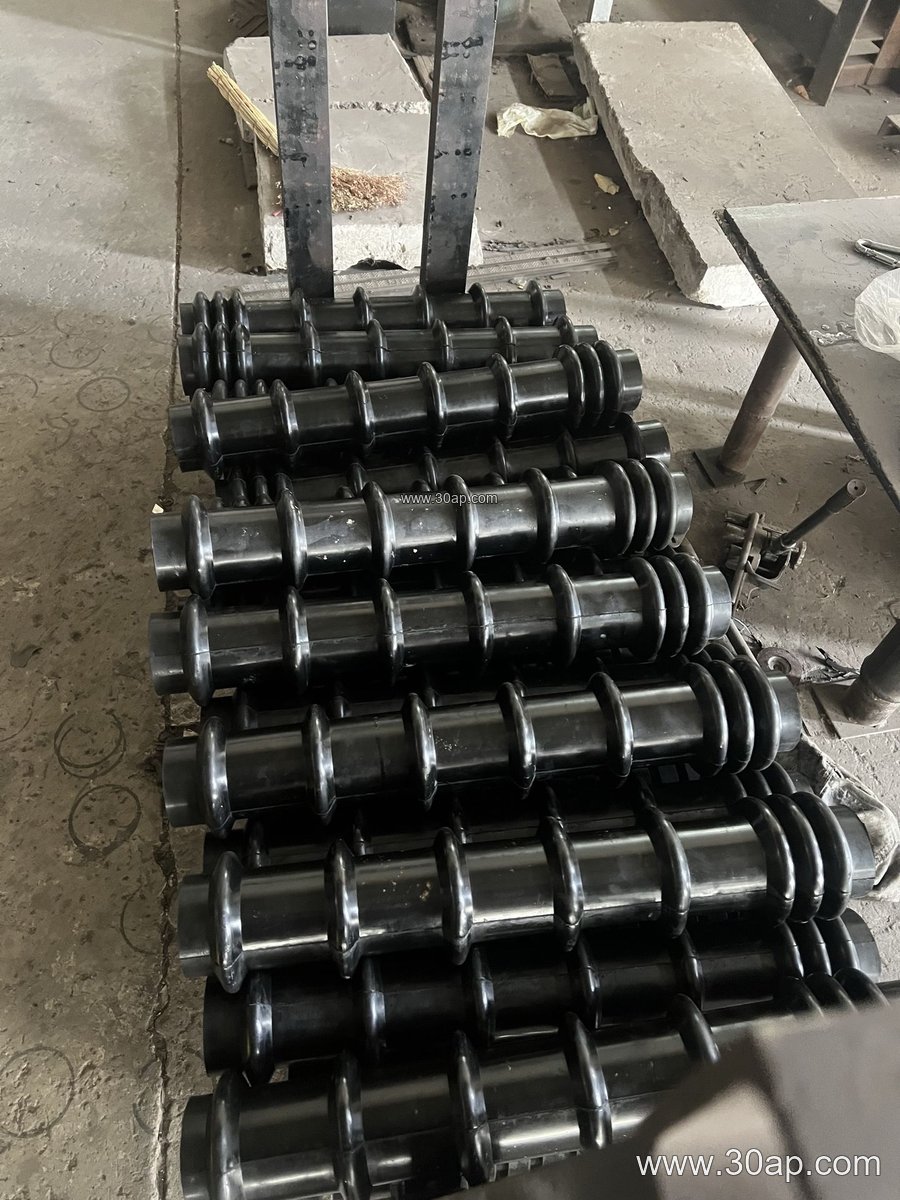
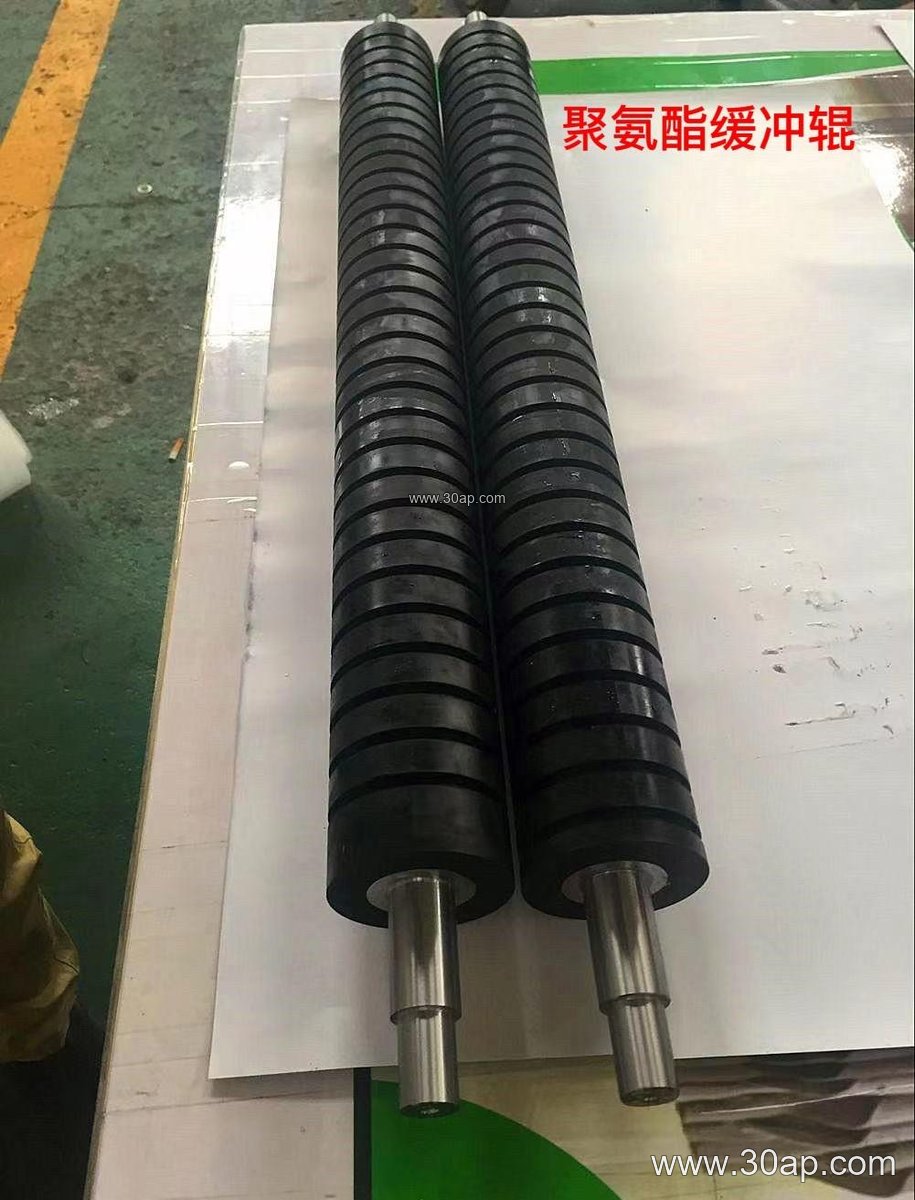
Most idlers use a steel tube shell, a shaft, bearing housings, and seals. The roller surface may be plain steel, nylon, ceramic, or rubber rings. Bearing sizes such as 6204, 6205, 6305, 6306, 6308, and 6310 are common, selected according to load and speed rather than a fixed rule. Troughing idlers, return idlers, impact idlers, and self-aligning idlers are typical subtypes. Troughing sets may be single-roll, two-roll, or three-roll, with trough angles of 20, 30, 35, or 45 degrees. A slight forward tilt of about 1.5 to 2 degrees is sometimes used on self-aligning or training idlers to help center the belt.
Roller Diameter and Belt Width
Idler diameter and belt width are related but not locked together. Common roller diameters include 63, 76, 89, 102, 108, 127, 133, 159, 178, 194, and 219 mm. Belt widths range from B400 to B2400. A wider belt generally needs a longer roller and a stronger frame, but one belt width can match different pulley diameters and idler sizes depending on load and design. Roll length for a three-roll troughing set is often around 200 mm for B500, 250 mm for B650, 315 mm for B800, 380 mm for B1000, 465 mm for B1200, 530 mm for B1400, 600 mm for B1600, 670 mm for B1800, and 750 mm for B2000. These are common examples, not fixed combinations; side rollers and center rollers can differ.
Where Idlers Are Used
In a limestone mine or cement plant, idlers handle abrasive bulk material and must resist dust. In a power plant coal yard, flame retardant conveyor belt and anti-static properties matter, so idlers should run smoothly to avoid heat buildup. Sand and gravel plants use troughing idlers on the main belt and impact idlers under the crusher discharge. Port ship loading conveyors rely on well-sealed return idlers to keep the belt tracking straight. The same idler family also appears in steel plants, fertilizer handling, and tunnel muck removal, always matched to the conveyor belt and pulley layout.
Selection and Maintenance Notes
Buyers should consider belt width, trough angle, load, speed, and environment before choosing an idler. For a heavy-duty mining conveyor belt carrying iron ore or copper ore, larger roller diameters and robust seals are often preferred. For a food grade conveyor belt or a recycling line, smooth roller surfaces and easy cleaning may matter more. Check that the idler fits the conveyor bracket and aligns with the conveyor pulley. During operation, listen for noisy bearings, watch for belt misalignment, and replace seized rollers early. A worn idler can damage an expensive EP conveyor belt or steel cord conveyor belt, so spare parts should be kept on hand. Regular inspection of troughing, return, and impact idlers keeps the whole conveyor system efficient.