What the EP1000 Conveyor Belt Is
The EP1000 Conveyor Belt is a fabric-core rubber belt built around polyester-polyamide (EP) canvas. The “1000” refers to the nominal tensile strength of the carcass, commonly expressed as 1000 N/mm per ply. In practice, this places the belt in the upper-middle range of EP construction, above EP200, EP400 and EP630, and below EP1250 and EP1600. It is an EP Conveyor Belt that balances strength, flexibility and splice friendliness, which is why it appears in bulk material handling where loads are heavy but not extreme.
Buyers often meet this product under the equivalent name EP1000 rubber conveyor belt or EP fabric core conveyor belt. All three describe the same article: a multi-ply EP carcass with rubber covers, not a steel cord or solid-woven design.
Construction and Typical Parameters
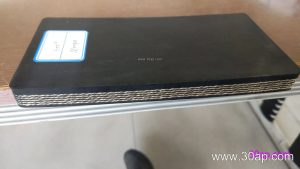
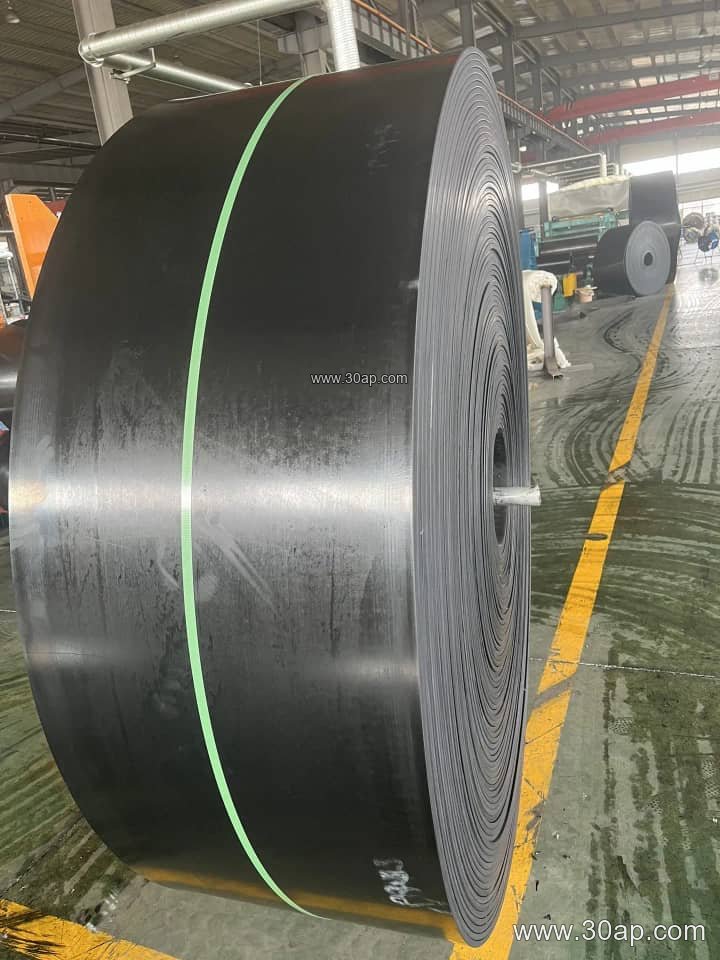
The carcass is usually 2 to 6 plies of EP fabric, with 3 to 5 plies being the most common range for this strength class. Rubber covers protect the carcass and carry the load. Cover thickness is selected by duty, and reference combinations include 3+1.5 mm, 4+2 mm, 5+2 mm, 6+2 mm and 8+3 mm. A heavier top cover suits abrasive or impact-loaded material; a thinner cover is often enough on clean, well-supported runs.
Widths are quoted per project. Common belt widths in this class include B650, B800, B1000, B1200, B1400 and B1600, and wider builds such as 1800 mm or 2000 mm may be engineered for large plants. These figures are reference data, not a fixed catalogue rule, and each mill confirms its own construction. The table below groups the main variables a buyer will be asked about.
| Parameter | Typical Range | Notes |
|---|---|---|
| Carcass type | EP fabric, multi-ply | Polyester warp, polyamide weft |
| Nominal strength | EP1000 (1000 N/mm) | Per-ply basis varies by maker |
| Ply count | 2 to 6 | 3 to 5 most common here |
| Belt width | B650 to B1600 | Wider builds on request |
| Cover thickness | 3+1.5 to 8+3 mm | Top + bottom cover |
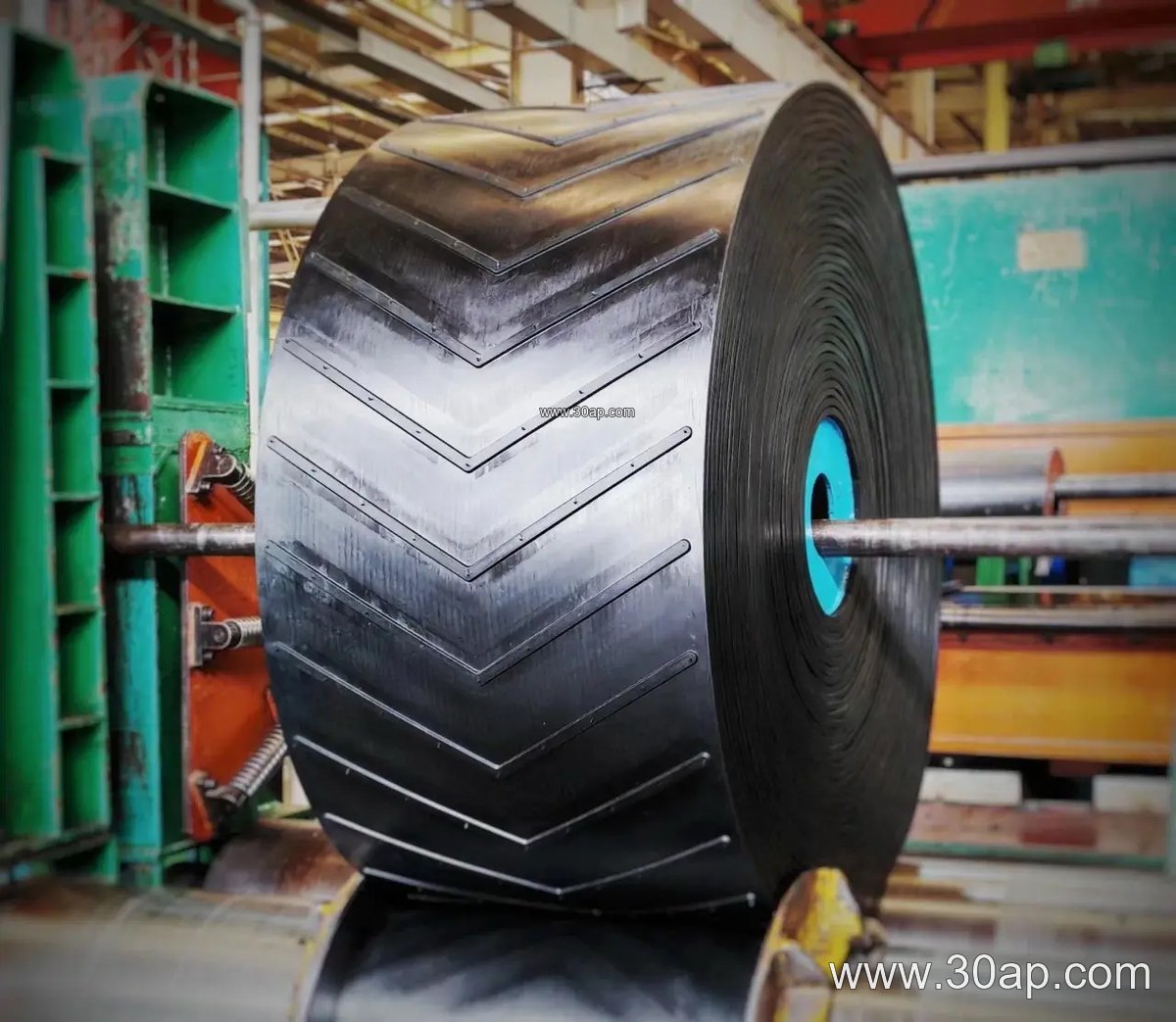
| Surface form | Smooth, chevron, sidewall | Selected by incline and containment |
Where It Fits in the Plant
This belt class is at home in mines, coal preparation plants, cement works, power stations, quarries and sand and gravel yards. It carries crushed rock, ore, clinker, limestone, aggregate and similar bulk material on long and short conveyors. A mine conveyor belt of this grade may feed a crusher, while a cement plant uses it on clinker and raw meal lines. Port terminals, ship loading systems and recycling plants also specify it when belt widths reach 1200 mm or 1400 mm and throughput is steady.
Because the carcass is fabric rather than steel cord, it tolerates tight pulley diameters and repeated starting better than a stiff steel cord belt of comparable strength. That makes it a practical choice where a conveyor pulley layout is already fixed or where a lighter belt reduces load on the conveyor bracket and frame. It also splices well in the field with hot or cold vulcanizing, which matters on long overland runs.
Cover Compounds and Special Duties
The base polymer is usually natural rubber or SBR, but the cover grade changes with the job. An abrasion resistant conveyor belt compound suits sharp stone and ore; a heat resistant conveyor belt grade handles clinker and sinter; a flame retardant conveyor belt or fire resistant conveyor belt cover is chosen for coal and underground work. Oil resistant, acid resistant, cold resistant and anti-static versions are also made on EP1000 carcasses. Where material must be contained on an incline, a chevron conveyor belt profile or a corrugated sidewall belt with cleats may be built on the same core.
For very long, high-tension trunk conveyors, a steel cord conveyor belt such as ST1600 or ST2000 is the usual comparison point, since the EP1000 is a fabric belt and its strength is limited by the ply structure. For lighter duties, an NN conveyor belt (NN200, NN300) may be considered, but it is a different carcass and should not be treated as a direct swap.
What a Buyer Should Confirm
- Required belt width and the actual troughing angle on the conveyor.
- Ply count and cover thickness matched to lump size and abrasion.
- Cover grade: abrasion, heat, oil, flame or anti-static, as the site demands.
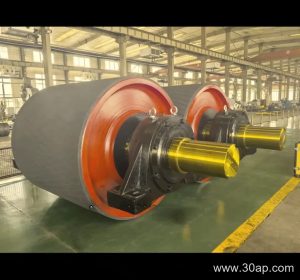
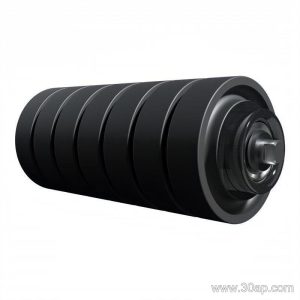
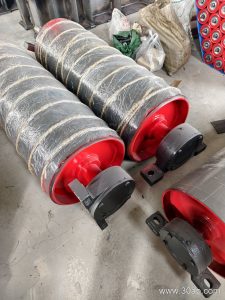
- Pulley diameters, since they set the minimum belt flexibility; a drive pulley, tail pulley and bend pulley each have their own role and are not interchangeable terms.
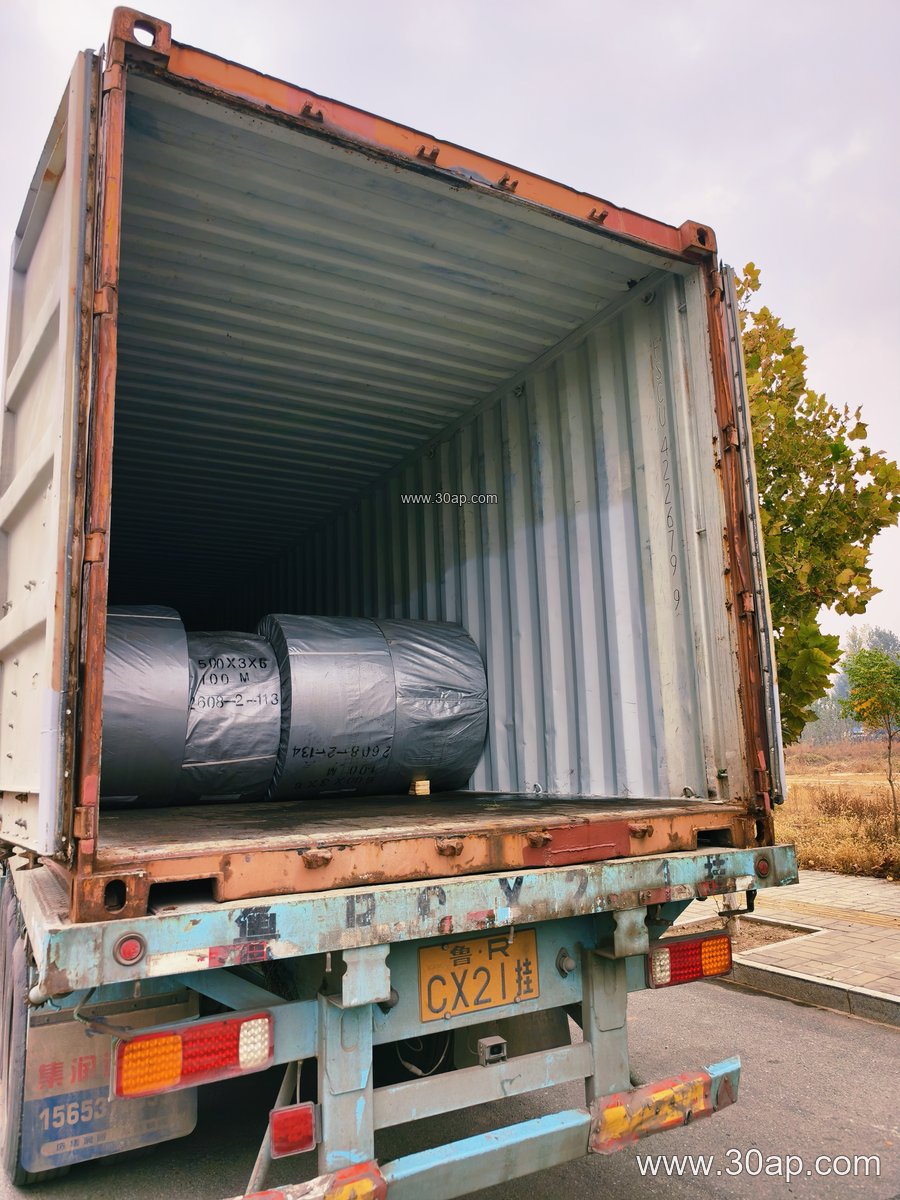
- Whether the belt is supplied as an endless conveyor belt or in rolls with splice kits.
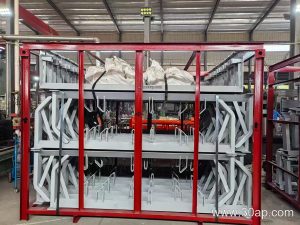
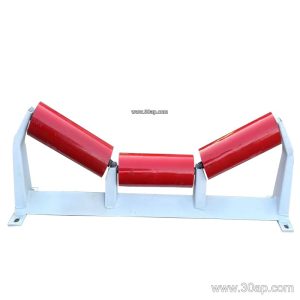
- Compatibility with existing idler roller spacing and conveyor bracket dimensions.
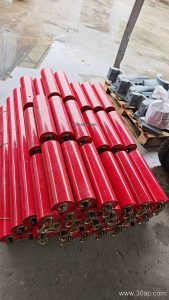
On site, keep the belt aligned, maintain the conveyor pulley lagging and check the idler roller for seizure. A tracked and properly tensioned EP1000 belt lasts longer than one run loose or overloaded. For a full specification, quote the duty, belt width, cover grade and strength class together, and let the manufacturer confirm the build.