What a Dustproof and Waterproof Idler Does
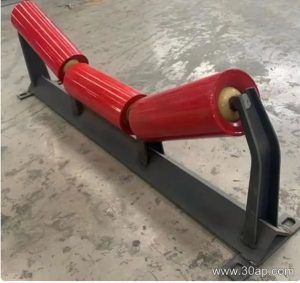
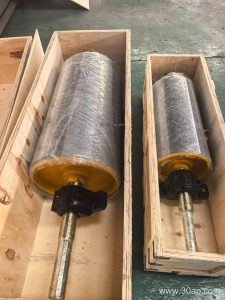
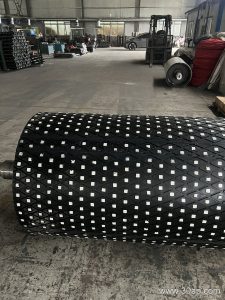
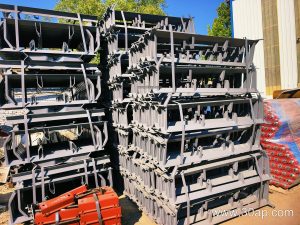
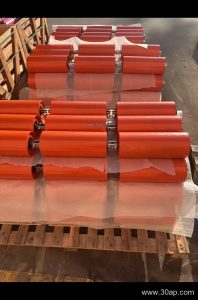
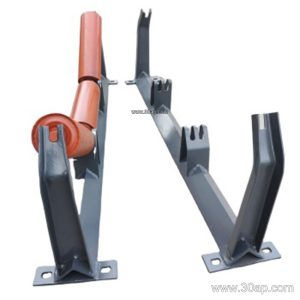
A dustproof and waterproof idler is a conveyor idler roller built with seals that keep fine particles and moisture away from the bearing cavity. In dusty operations such as a limestone quarry or a cement plant, ordinary idlers can fail early when grit enters the bearings. The sealed design of a dustproof and waterproof idler protects the bearing, extends service life, and reduces maintenance stops. This idler roller is used on the carrying and return sides of a conveyor belt, and it works alongside the conveyor pulley and conveyor bracket that make up the conveyor frame.
Construction and Sealing Details
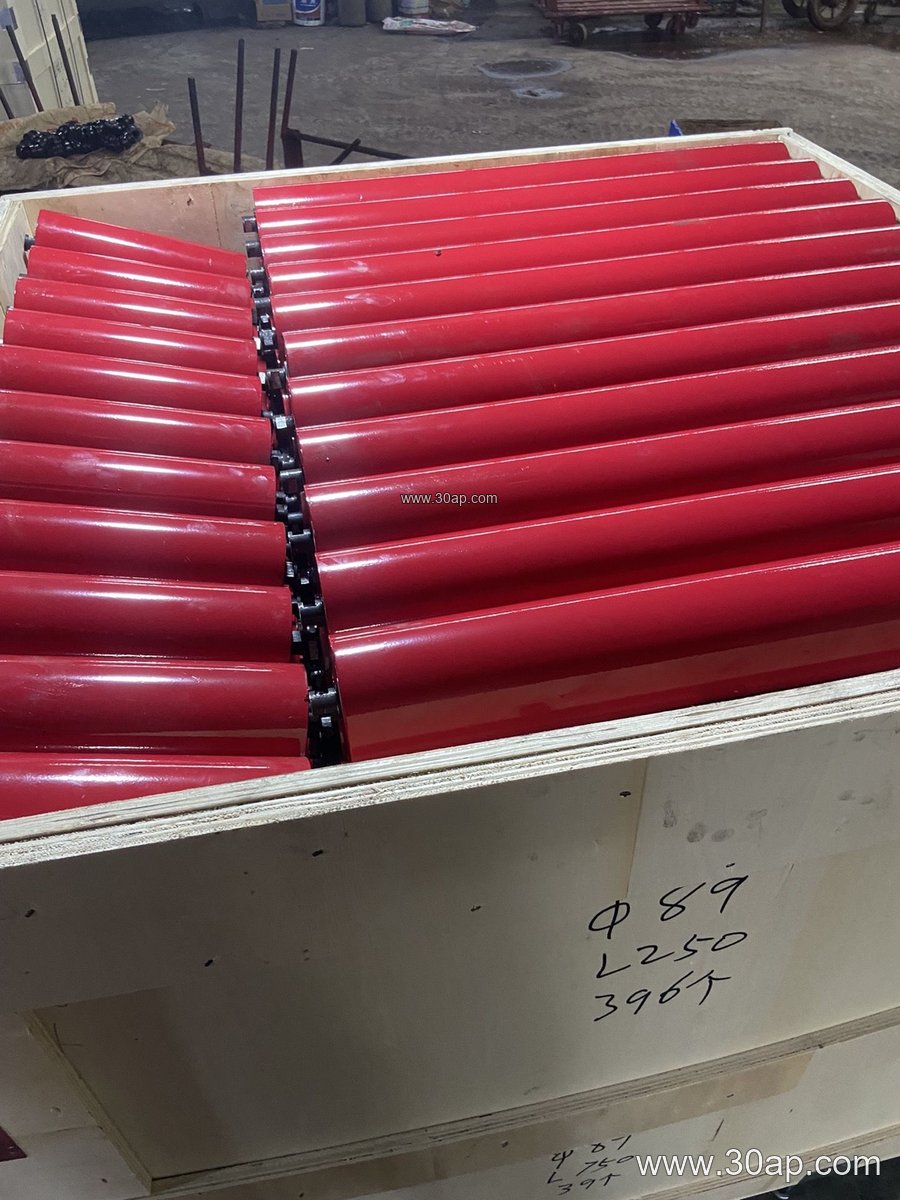
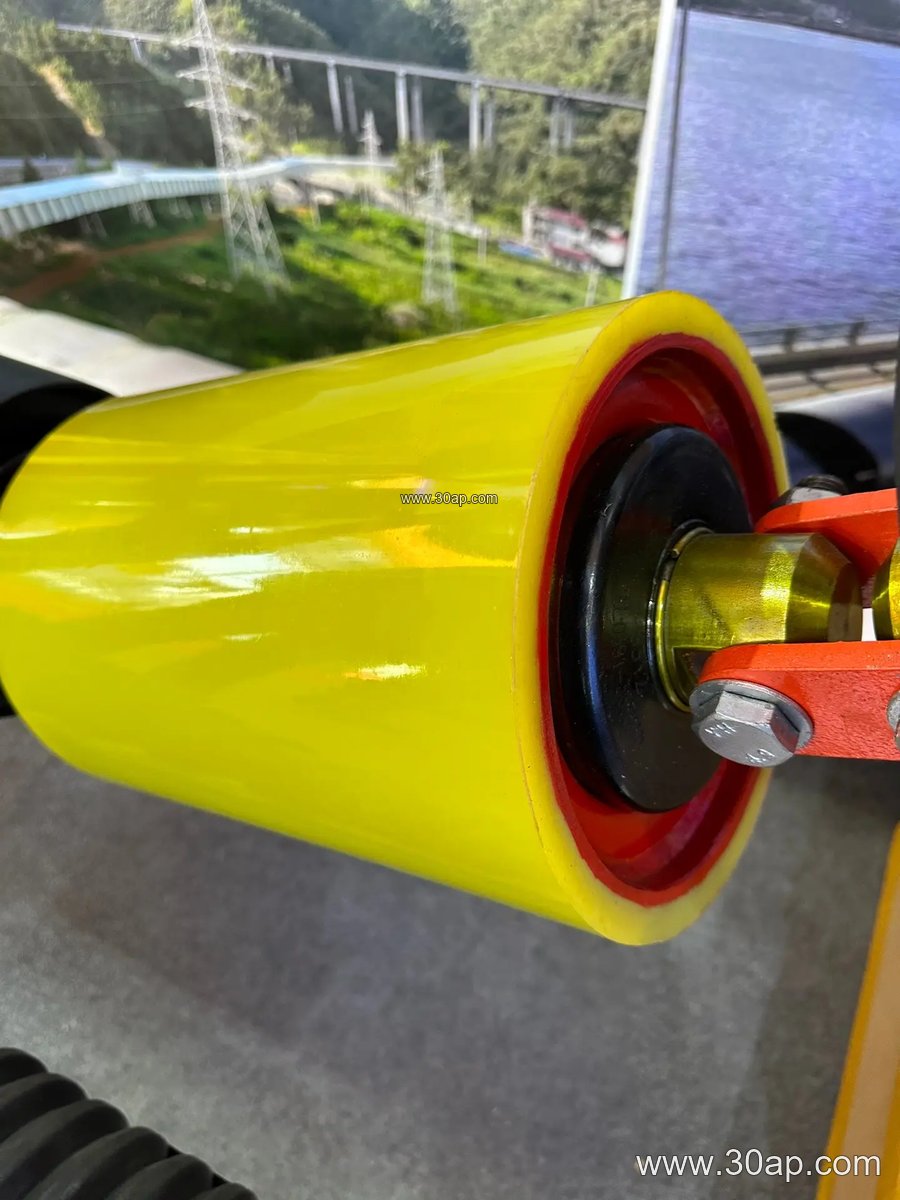
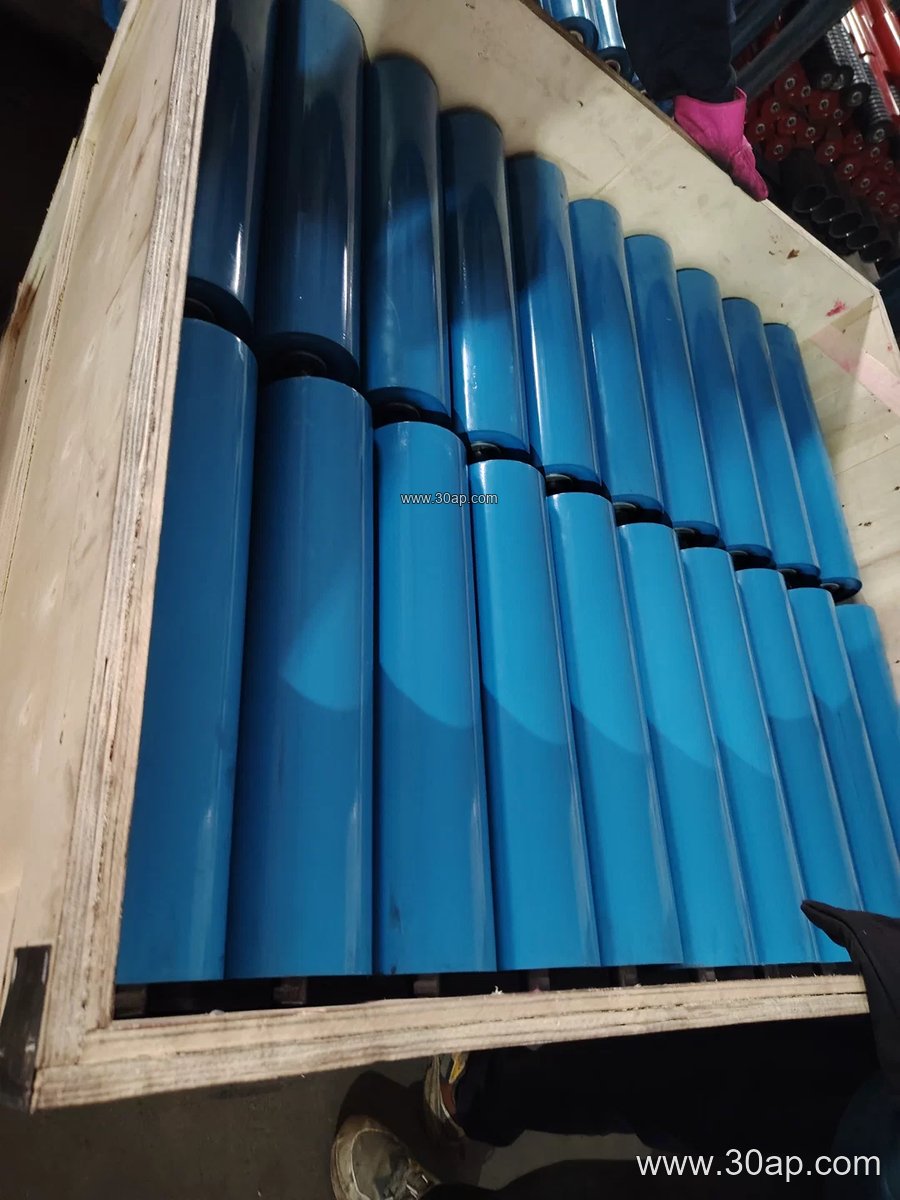
The idler roller body is usually a steel tube with a shaft, bearing housing, and sealing system. The dustproof and waterproof idler adds a multi-stage seal: a labyrinth seal, a contact lip seal, and sometimes a protective cap. Bearings such as 6204, 6205, 6305, 6306, 6308, or 6310 are common, and the bearing size is matched to the roller diameter and load, not to the belt width alone. The roller surface can be plain steel, nylon, ceramic, or rubber rings, depending on whether the application needs abrasion resistance or material build-up prevention. Common roller diameters include Ø63, Ø76, Ø89, Ø102, Ø108, Ø127, Ø133, Ø159, Ø178, Ø194, and Ø219 mm. The idler length depends on belt width, trough angle, and idler arrangement.
Where It Fits on the Conveyor
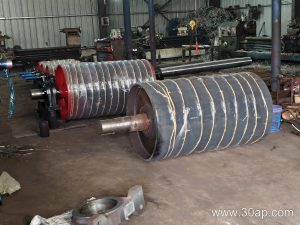
On a three-roll troughing set, the dustproof and waterproof idler is often used as the center roll or side roll where dust is heaviest. In a coal mining conveyor or a power plant coal handling line, water spray and washdown make the waterproof feature valuable. In a sand and gravel plant or a crushing and screening circuit, fine dust is the main enemy. The same sealed idler can be used on the return side as a flat return idler or V-return idler, helping keep the belt tracking steady. It is not a substitute for a drive pulley, tail pulley, or bend pulley; those are different components with different functions.
Common Sizes and Arrangements
The table below gives typical reference values for idler selection. These are examples, not fixed rules, and final sizes should be confirmed by the conveyor designer.
| Belt Width | Common Idler Diameter | Typical Roll Length (three-roll troughing) | Common Bearing |
|---|---|---|---|
| B500 | Ø63–Ø89 mm | 200 mm | 6204/6205 |
| B650 | Ø76–Ø108 mm | 250 mm | 6205/6305 |
| B800 | Ø89–Ø127 mm | 315 mm | 6305/6306 |
| B1000 | Ø102–Ø133 mm | 380 mm | 6306/6308 |
| B1200 | Ø108–Ø159 mm | 465 mm | 6308/6310 |
| B1400 | Ø127–Ø159 mm | 530 mm | 6308/6310 |
| B1600 | Ø133–Ø178 mm | 600 mm | 6310 |
| B1800 | Ø159–Ø194 mm | 670 mm | 6310 |
| B2000 | Ø178–Ø219 mm | 750 mm | 6310 |
Trough angles of 20, 30, 35, and 45 degrees are common. A forward tilt of about 1.5 to 2 degrees is sometimes used on training idlers to help belt alignment. The dustproof and waterproof idler can also be supplied as a buffer idler with rubber rings for impact zones, or as a spiral idler for sticky material, but the sealed bearing remains the central feature.
Industries and Buying Tips
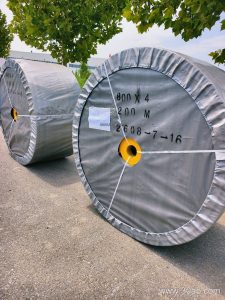
Dustproof and waterproof idlers are found in quarries, iron ore and copper ore operations, coal washing plants, cement production, power plant coal yards, ports, and steel sintering lines. In these places, the conveyor belt may be an EP conveyor belt, a steel cord conveyor belt, or a flame retardant conveyor belt, and the idler must match the belt speed and load. When buying, check the seal type, bearing brand or grade, shaft diameter, and roller wall thickness. Ask for the idler’s dynamic load rating and the recommended spacing for your belt width. A dustproof and waterproof idler costs more than a standard idler, but in a dusty or wet environment it often pays back through fewer stoppages. For abrasive bulk material, an abrasion resistant conveyor belt paired with well-sealed idlers gives a more balanced system. For more information on idlers, pulleys, and conveyor belts, visit www.example.com/conveyor-idler and www.example.com/conveyor-pulley.
Maintenance Notes
Inspect the seals during scheduled shutdowns. A damaged lip seal lets dust in quickly, especially in a coal mining conveyor or a crushing plant. Keep the conveyor bracket clean so water does not pool around the bearing housing. Replace idlers that run hot or wobble, and do not mix sealed and unsealed idlers in the same troughing set if you want even wear. The dustproof and waterproof idler is a small component, but its condition affects the whole conveyor belt line.