What a Trough Idler Bracket Does on a Conveyor
A trough idler bracket is the structural support that holds the inclined carrying idlers in a troughed profile. Its job sounds simple, but it decides how the conveyor belt sits, how the load is distributed, and how smoothly material travels from the feed point to the discharge. In a quarry, a cement plant, or a power plant coal yard, the bracket is usually the quiet component that nobody notices until alignment drifts or a roller starts wearing unevenly.
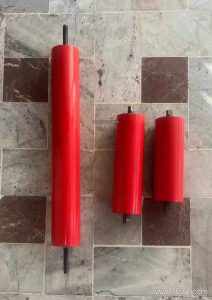
The bracket is not the same thing as a return bracket or a transition bracket, even though all three appear along the same conveyor. Each has a distinct position and duty. The trough idler bracket specifically carries the three-roll (or sometimes five-roll) assembly that forms the trough.
How the Bracket Is Built
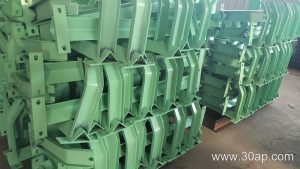
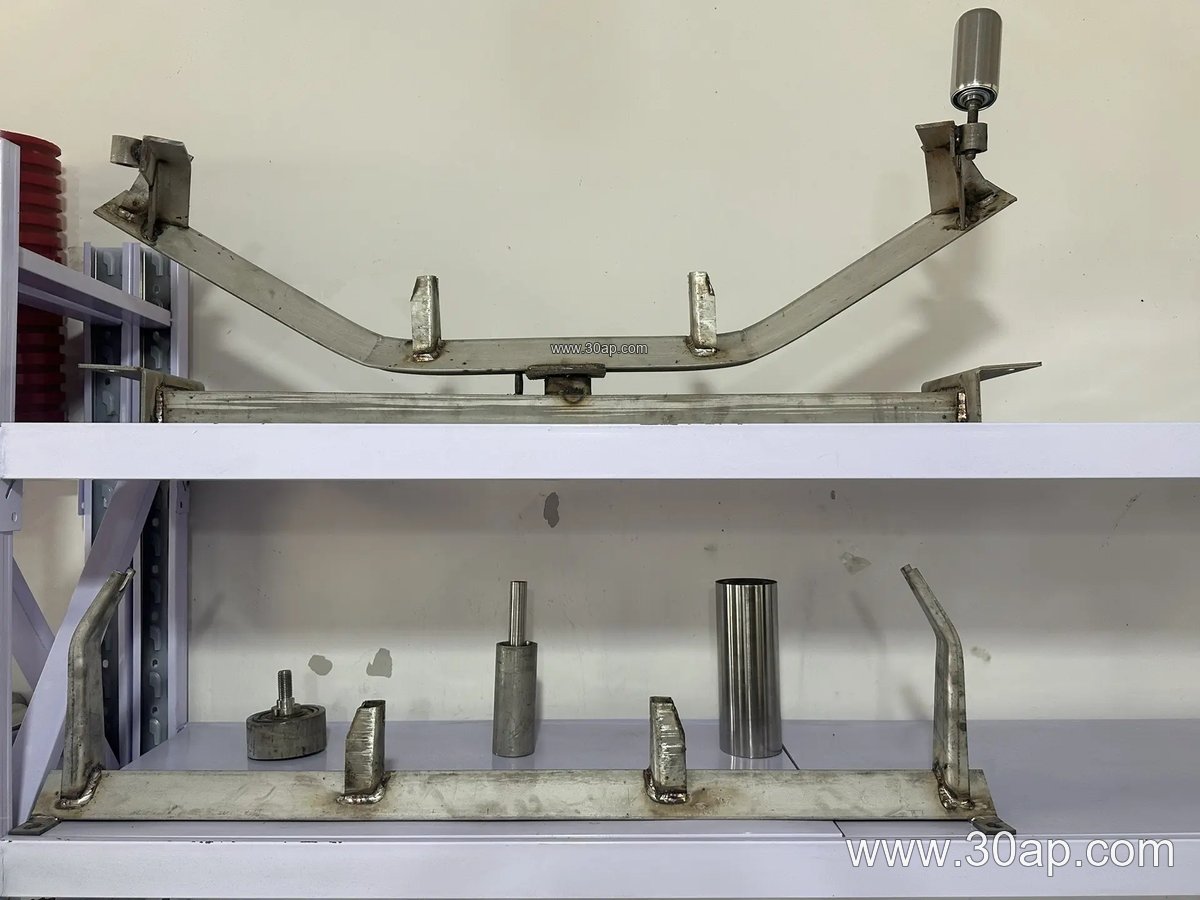
Most troughing brackets are fabricated from angle steel, channel steel, or folded steel plate. The frame includes mounting slots or holes for the idler shafts, and the geometry sets the trough angle. Because the bracket works under constant vibration and load, weld quality and coating matter as much as the steel section.
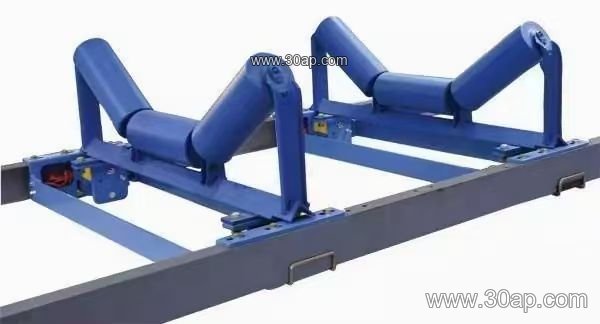
Common structural features include:
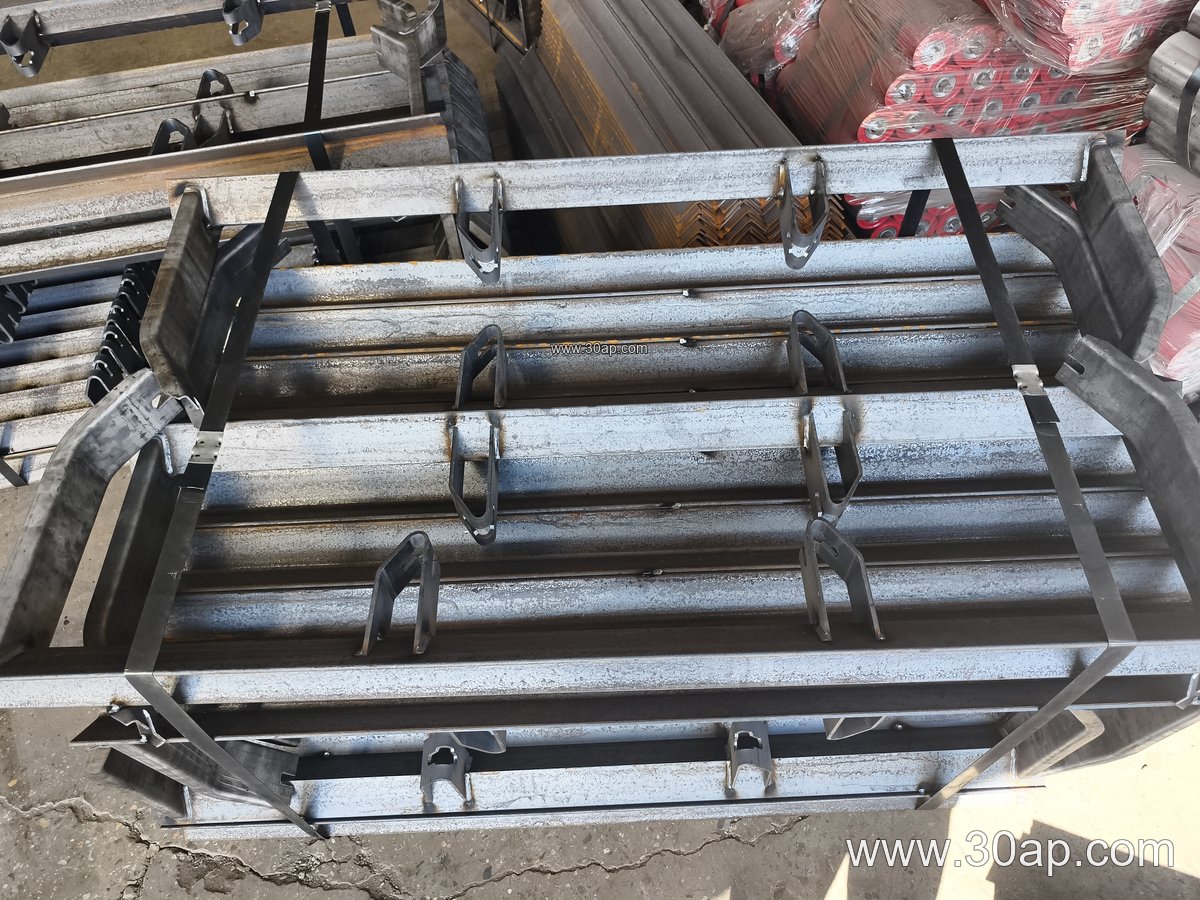
- Two side wings angled to the chosen trough angle
- Slotted holes for idler shaft adjustment
- Cross beam or base channel that bolts to the conveyor stringer
- Galvanized or painted finish for corrosion resistance
Brackets are often described as fixed or adjustable. A fixed bracket holds one preset trough angle, while an adjustable type lets maintenance staff change the angle within a range. This is useful when a conveyor handles different materials or when belt training needs fine tuning.
Trough Angle, Belt Width, and Roller Diameter
The trough angle and the roller diameter should be selected together with the belt width, not in isolation. A wider belt generally needs a larger roller diameter to keep the belt supported and to limit sag between idlers. Typical combinations are often written in shorthand such as B800 with 35 degrees and Ø108 rollers, or B1200 with 45 degrees and Ø133 rollers. These are reference examples, not fixed rules.
The table below lists common reference values; the final selection should follow the conveyor design.
| Parameter | Common Reference Values |
|---|---|
| Belt width (B) | B500, B650, B800, B1000, B1200, B1400, B1600, B1800 |
| Trough angle | 20°, 30°, 35°, 45° |
| Idler diameter | Ø89, Ø108, Ø133, Ø159, Ø194 |
| Material | Angle steel, channel steel, folded steel plate |
| Bracket type | Fixed or adjustable |
Installation hole spacing and cross beam length change with belt width and trough angle, so they are determined per design rather than bought off a fixed list.
Where Troughing Brackets Are Used
These brackets appear wherever a conveyor carries bulk material on the carrying side. In a limestone quarry or a crushing and screening line, they support the belt through the load zone and along the main run. In a cement plant they sit under clinker and raw meal belts. In a coal-fired power plant they are part of the coal handling system, and in a steel plant they may support sinter or ore.
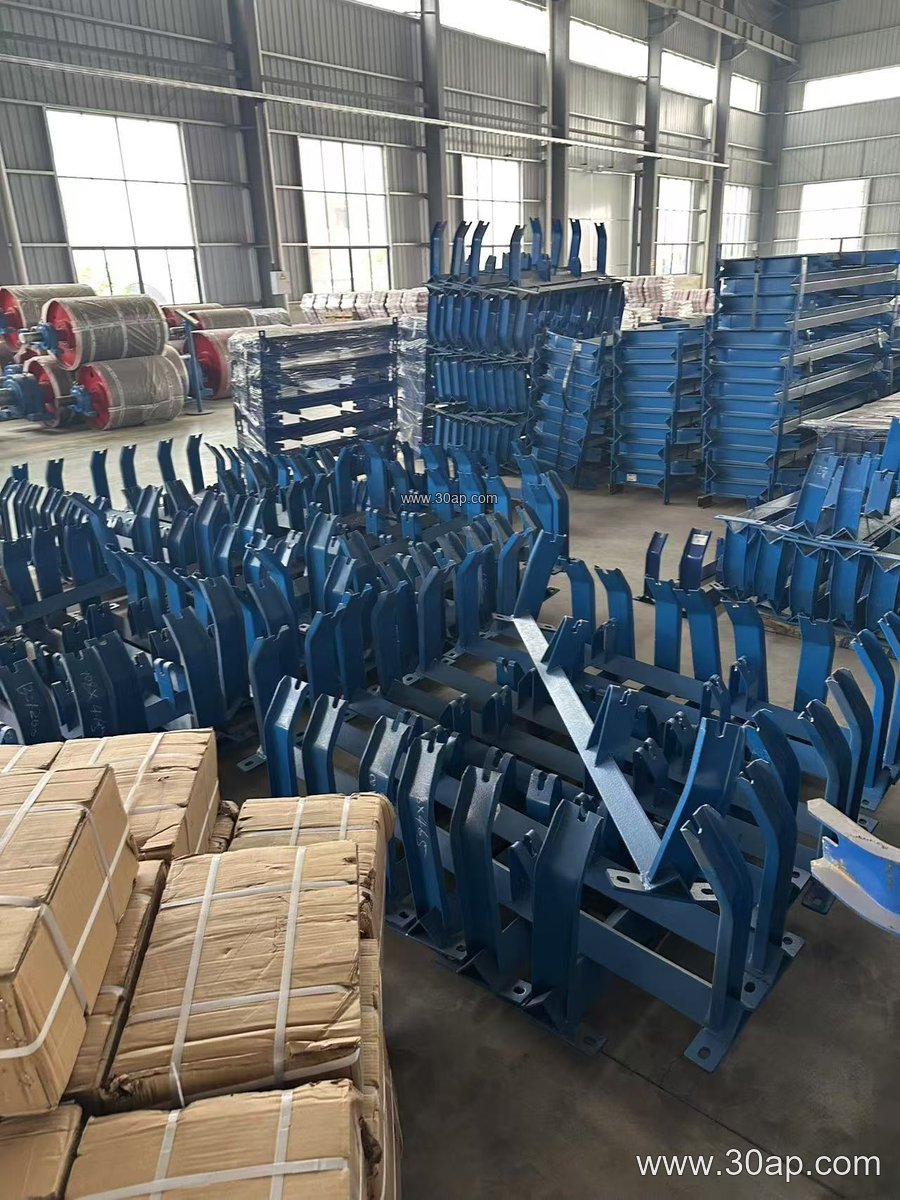
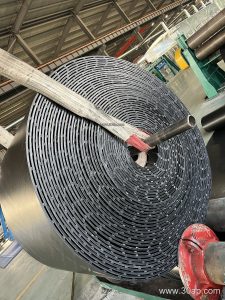
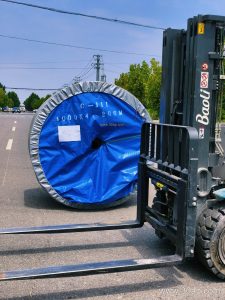
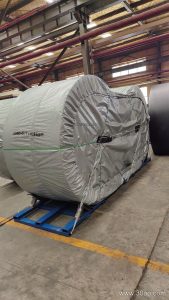
The bracket also works together with the belt itself. A heavy-duty abrasion resistant conveyor belt on a B1200 system will behave differently from a lighter EP conveyor belt on a B650 line, and the idler spacing and bracket rigidity should reflect that. Matching the bracket to the belt and the load is what keeps the trough stable.
Selection and Maintenance Notes for Buyers
Buyers should confirm the belt width, the required trough angle, the idler diameter, and the mounting arrangement before ordering. It also helps to know whether the conveyor is fixed or needs adjustment during operation. A transition bracket near the pulley is a separate item and should not be ordered in place of a standard troughing bracket.
During service, check for loose bolts, bent wings, and worn mounting slots. A bracket that has shifted will often show up as belt misalignment or uneven roller wear. Replacing a damaged bracket early is cheaper than replacing the idlers and the belt it supports.
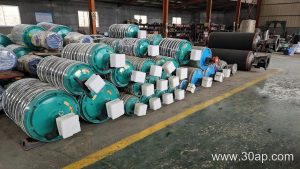
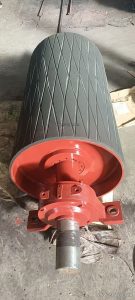
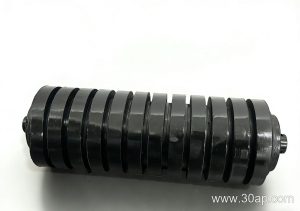
For any conveyor project, the bracket should be treated as part of a system that includes the idler roller, the conveyor pulley, and the belt. Getting that system right at the design stage avoids most of the alignment problems that appear later.