What a Heavy-Load Conveyor Idler Does on the Line
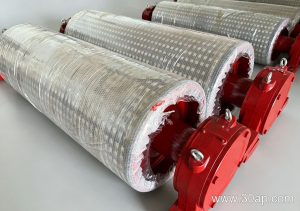
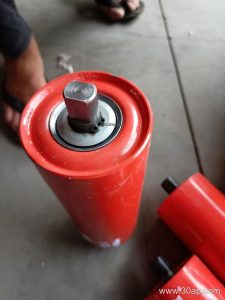
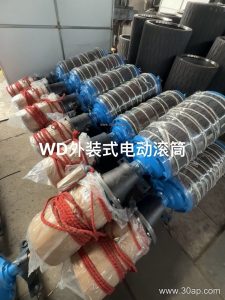
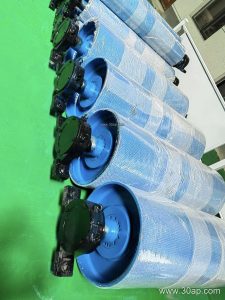
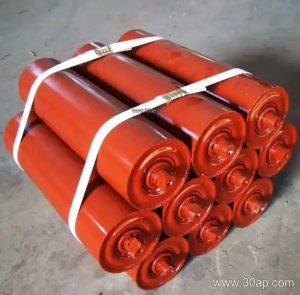
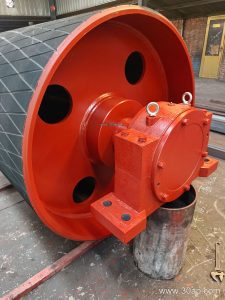
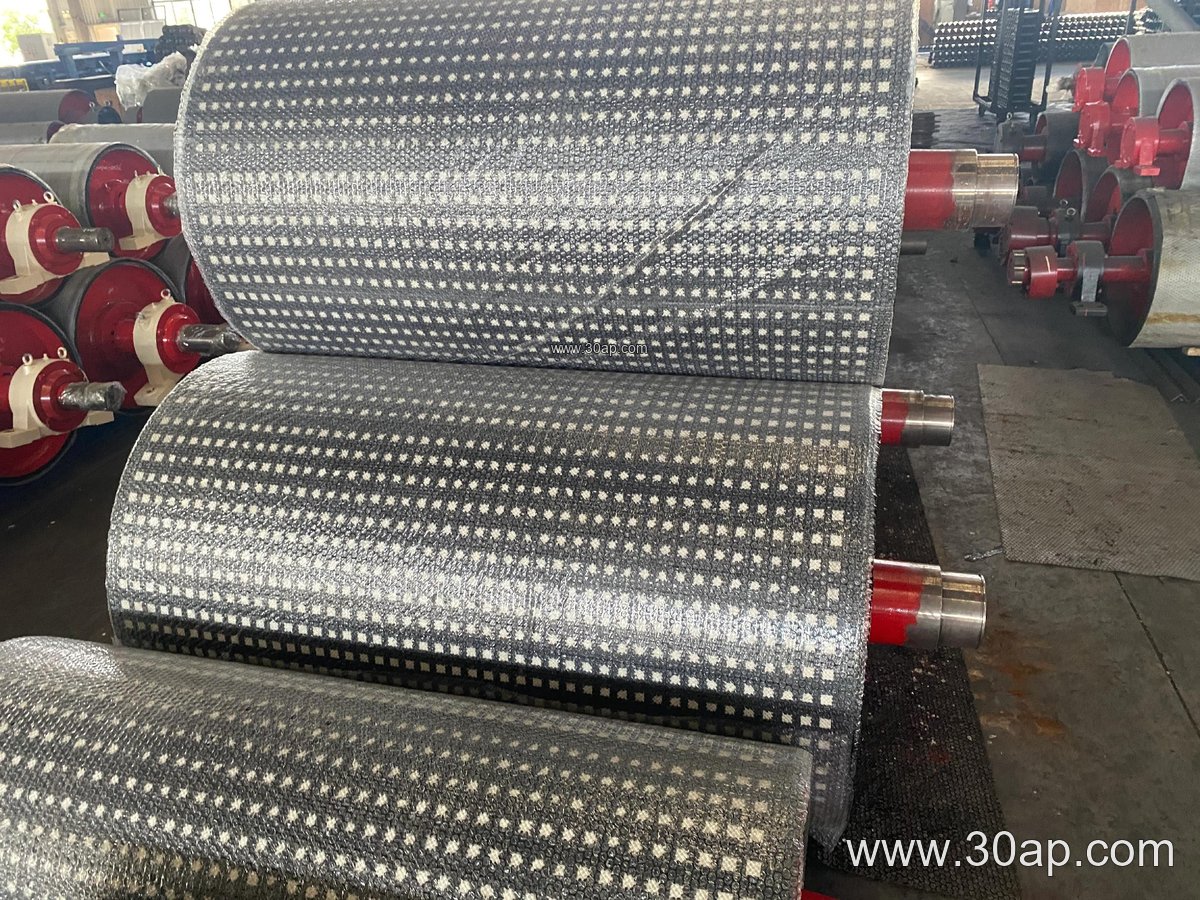
A heavy-load conveyor idler is the roller that carries the belt and the material on it at points where weight, impact, and abrasion are part of daily operation. In a quarry, a limestone mine, or a crushing and screening plant, the idler roller is not a small accessory; it is a wear part that influences belt tracking, energy draw, and downtime. The same product is often called a heavy-duty conveyor roller or a heavy-load carrying roller. It sits under the conveyor belt, usually in a three-roll trough set on the carrying side, and supports the load between the head and tail of the conveyor. Drive pulleys, tail pulleys, and bend pulleys are separate components with different jobs; they are not interchangeable with idlers.
Construction and Surface Choices
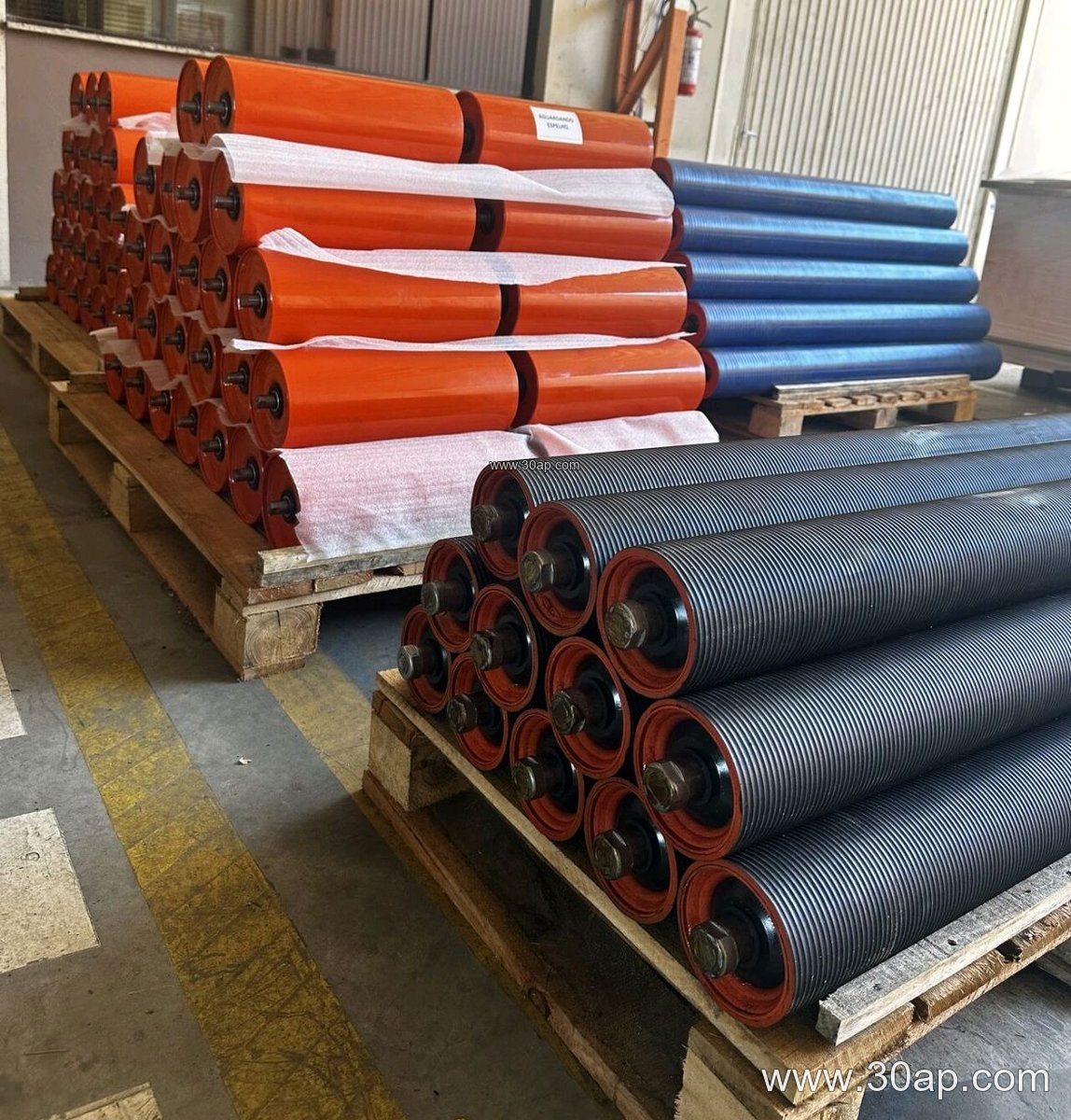
Most heavy-load conveyor idlers start with a steel tube shell, fitted with bearing housings, a shaft, and a sealing arrangement. The roller surface can be plain steel, nylon, ceramic, or covered with rubber rings. Rubber-ring impact idlers are common below crusher discharge points, while ceramic or nylon surfaces may be chosen where sticky material or fine abrasion is a concern. Bearing selection usually follows the load and speed rather than a single fixed rule; common bearing sizes include 6204, 6205, 6305, 6306, 6308, and 6310. A well-sealed bearing keeps dust out in a cement plant or a coal handling system, where fine particles are constant.
Where Heavy-Load Idlers Fit in the Plant
These rollers appear in a range of bulk handling industries. In an iron ore or copper ore operation, they support ore conveyor belts that run at high tonnage. In a coal mining conveyor or a power plant coal yard, they carry coal on long overland or yard conveyors. Aggregate lines, sand making plants, and concrete batching plants use them under stone and sand. Ports and ship loading conveyors rely on them for continuous transfer. The idler set may be a single roller, a two-roll arrangement, or a three-roll trough set, depending on belt width and material angle of repose.
Common Dimensions and Trough Angles
Idler diameter and belt width are selected together with the conveyor design. Common roller diameters include Ø63, Ø76, Ø89, Ø102, Ø108, Ø127, Ø133, Ø159, Ø178, Ø194, and Ø219 mm. Belt widths commonly range from B400 to B2400, with B800, B1000, B1200, B1400, and B1600 being frequent in quarry and mining duty. Trough angles of 20, 30, 35, and 45 degrees are used to match material profile. A forward tilt of about 1.5 to 2 degrees is sometimes applied in training or aligning idler sets, but it is not a universal setting for every roller.
| Item | Common Reference | Notes |
|---|---|---|
| Roller diameter | Ø89 to Ø219 mm | Smaller sizes for light sections, larger for high load |
| Belt width | B400 to B2400 | B800, B1000, B1200, B1400 often used in heavy duty |
| Trough angle | 20°, 30°, 35°, 45° | Selected by material and belt training needs |
| Bearing sizes | 6204, 6205, 6305, 6306, 6308, 6310 | Match load and speed, not a fixed pairing |
| Roller length example | B800 around 315 mm; B1200 around 465 mm | Three-roll trough example only; side and center rolls can differ |
For a three-roll trough set, common roller lengths are roughly 200 mm for B500, 250 mm for B650, 315 mm for B800, 380 mm for B1000, 465 mm for B1200, 530 mm for B1400, 600 mm for B1600, 670 mm for B1800, and 750 mm for B2000. These are typical examples, not fixed matches, and the center roll may differ from the side rolls. A heavy-load conveyor idler should be confirmed against the actual belt width, trough angle, and frame dimensions.
Buyer Checklist
- Confirm the belt width and the idler set form: single, two-roll, or three-roll trough.
- Check the roller diameter and shaft size against the conveyor bracket and frame.
- Match the surface to the duty: rubber rings for impact, ceramic or nylon for abrasion, steel for general service.
- Review sealing and bearing type for dust, water, and temperature exposure.
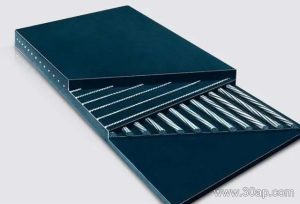
- Consider the conveyor belt type, such as EP conveyor belt, steel cord conveyor belt, or flame retardant conveyor belt, because belt stiffness and load affect idler choice.
In a cement plant or a coal mining conveyor, a heavy-load conveyor idler is often inspected for roller rotation, seal condition, and shell wear. Replacing a seized roller early protects the conveyor belt from edge damage and reduces the chance of a belt misalignment. For related components, the conveyor pulley and conveyor bracket should be checked at the same time, since a loose bracket can shorten roller life.
Selection Notes
No single idler size fits every conveyor. The heavy-load conveyor idler is selected from the belt width, the material load, the trough angle, and the environment. A quarry conveyor handling abrasive rock may use a different surface and seal than a power plant coal conveyor. When specifying, ask for the roller diameter, bearing size, roller length, and surface form together, and keep the drive, tail, and bend pulleys as separate items in the same project. This approach keeps the conveyor idler specification clear and avoids mixing one component with another.