What a Conveyor Welded Pulley Is
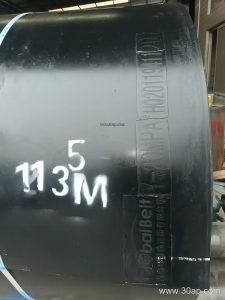
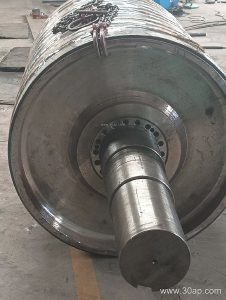
A conveyor welded pulley is a drum assembly built by welding the shell, end discs, and hub to a shaft, rather than relying on cast or bolted construction. It is the rotating component that carries and guides the conveyor belt at key points along a conveyor line. In many plants the term welded pulley drum is used for the same product, and the two names refer to one item: a fabricated steel drum with a continuous weld structure.
Unlike a drive pulley, which transmits torque from the gearbox to the belt, a bend pulley or tail pulley mainly redirects or tensions the belt. These roles are not interchangeable, and each position places different demands on the drum. A welded design is common because the fabrication allows controlled shell thickness, reliable hub attachment, and straightforward balancing for the speeds seen in quarry, cement, and power plant conveyors.
How the Drum Is Built
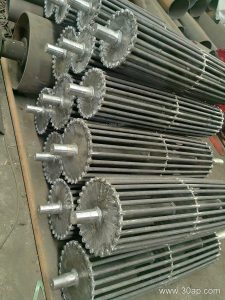
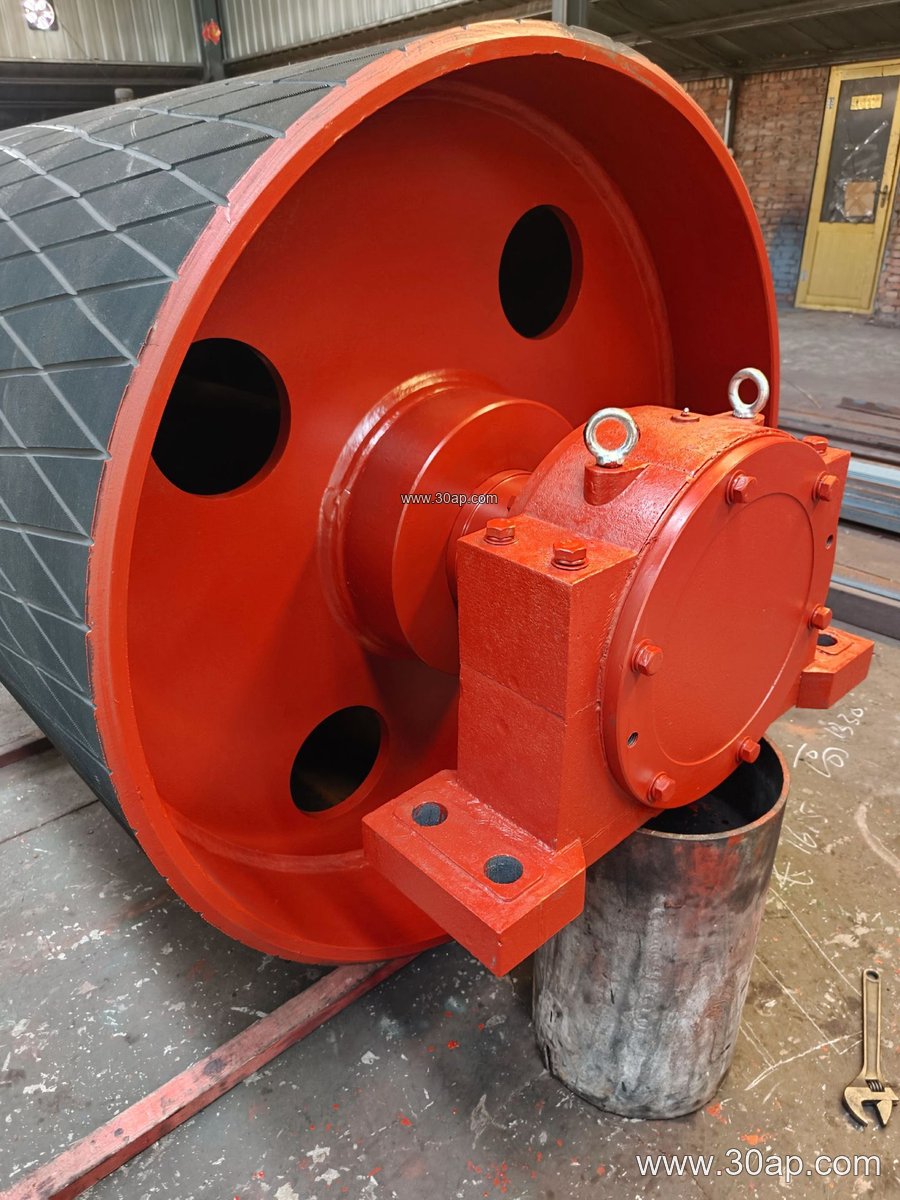
The shell is usually rolled from steel plate and joined with a longitudinal weld. End discs are welded to both ends, and the shaft passes through the hub, which is welded to the end discs. The finished drum is machined, dynamically balanced, and then prepared for the surface treatment. A welded pulley drum can be supplied with a plain machined face or with lagging for grip.
- Shell: rolled steel plate, welded seam, machined face
- End discs and hub: welded to the shell and shaft
- Shaft: sized by torque and load, not by belt width alone
- Surface: plain, rubber lagging, ceramic lagging, or diamond pattern
- Bearings and bearing housings: matched to the shaft and frame
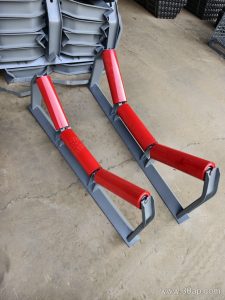
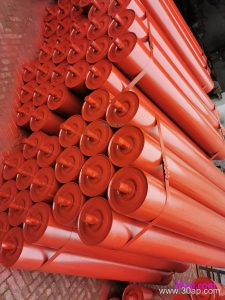
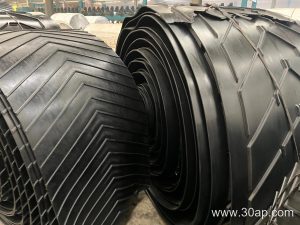
Lagging thickness is often specified at 8, 10, 12, 15, or 20 mm depending on grip and wear requirements. Diamond or herringbone patterns help shed water and fines, while plain rubber suits cleaner duty. The pulley works together with the conveyor belt, idler roller sets, and conveyor bracket assemblies to keep the line tracking correctly.
Where It Fits on the Conveyor
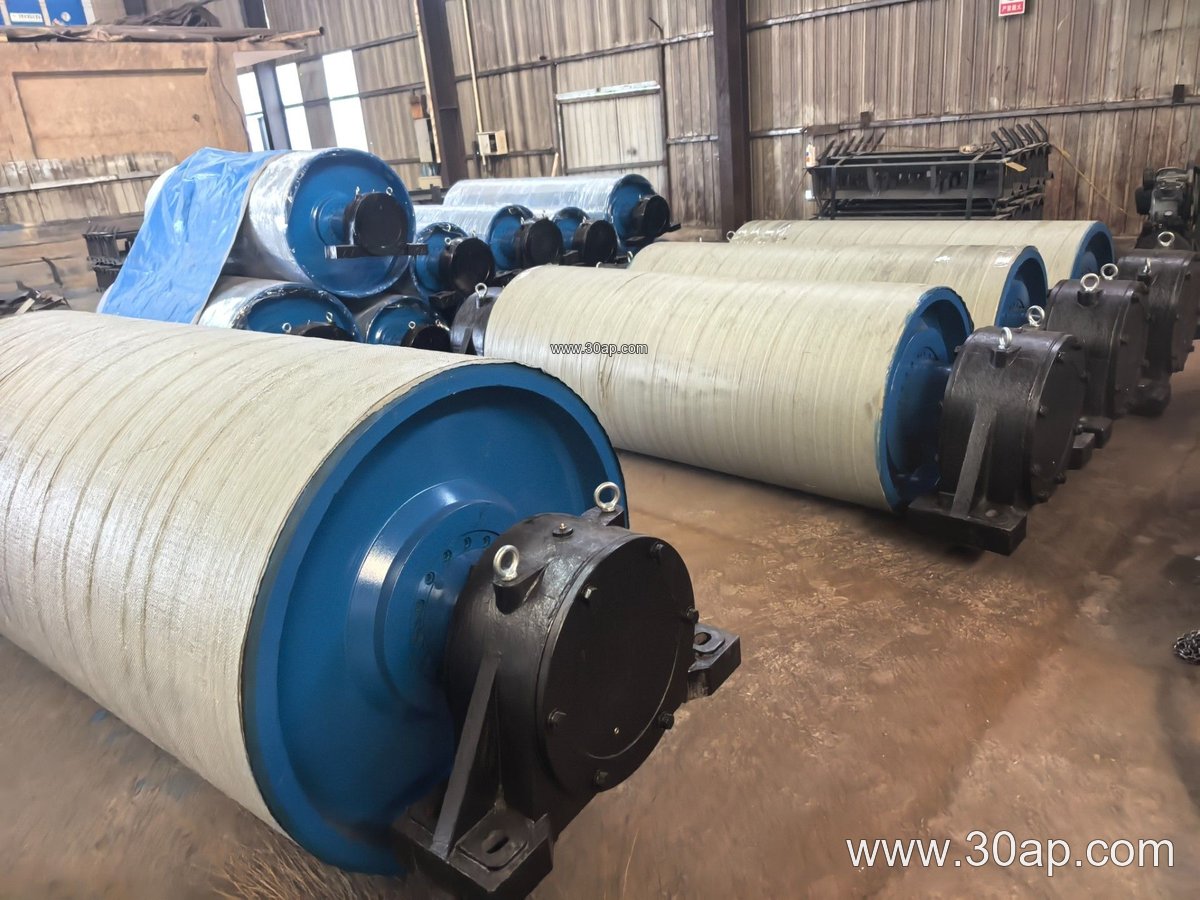
A welded pulley can appear at several positions, and the position shapes the design priorities. At the head end, a drive pulley handles the highest torque; at the tail, a tail pulley supports belt return and tension; along the route, a bend pulley changes belt direction. A tension pulley takes up slack, and a snub pulley increases wrap angle on the drive drum.
Typical duty includes limestone quarries, iron ore and copper ore handling, coal washing plants, cement clinker lines, power station coal yards, port bulk terminals, and aggregate crushing and screening circuits. In these settings the drum may run under abrasive dust or wet conditions, so the lagging choice and bearing protection matter as much as the shell thickness.
Sizes and Reference Data
Drum diameter and face width are selected together with belt width and load. Common belt widths range from B400 to B2400, and pulley diameters from about Ø200 to Ø1800. The table below gives typical reference combinations; these are examples, not fixed rules, and final sizing should follow the conveyor design.
| Belt width | Typical pulley face width | Example diameter range |
|---|---|---|
| B500 | about 600 mm | Ø250 to Ø400 |
| B650 | about 750 mm | Ø315 to Ø500 |
| B800 | about 950 mm | Ø400 to Ø630 |
| B1000 | about 1150 mm | Ø500 to Ø800 |
| B1200 | about 1400 mm | Ø630 to Ø1000 |
| B1400 | about 1600 mm | Ø800 to Ø1250 |
| B1600 | about 1800 mm | Ø1000 to Ø1400 |
Shaft diameters commonly fall in the Ø50 to Ø200 range and are determined by torque, bearing span, and load, not by belt width alone. A B1200 × Ø1000 drum and a B800 × Ø500 drum are both plausible, but so are other pairings depending on the application.
Buyer Checklist
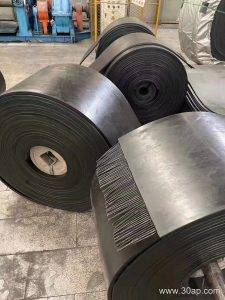
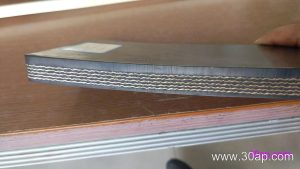
Before ordering, confirm the pulley position, the belt width and type, the required lagging, and the shaft and bearing details. A conveyor welded pulley used on a heavy-duty mining conveyor belt line may need thicker lagging and a larger shaft than one on a light aggregate conveyor. Match the drum to the belt, whether it is an EP conveyor belt, a steel cord conveyor belt, or a flame retardant conveyor belt for underground coal mining. Check that the pulley supplier can machine the face, balance the drum, and provide the bearing housing arrangement that fits your conveyor bracket.
Inspection during operation should cover lagging wear, weld condition, bearing temperature, and belt tracking. Replacing lagging before the shell is exposed protects both the drum and the belt. For sites such as a cement plant or a port conveyor, keeping spare drum assemblies and idler rollers on hand reduces downtime when a bend or tail pulley needs attention.