What a Tail Pulley Assembly Does
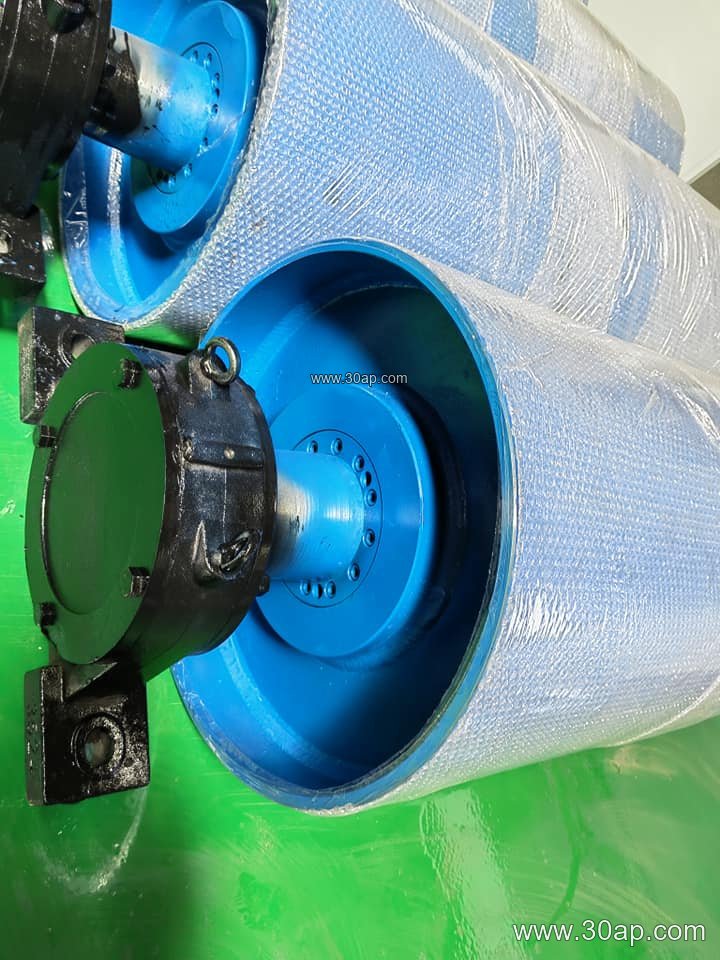
A tail pulley assembly is the return-end package that supports and guides the conveyor belt at the back of a conveyor. It typically combines the tail pulley, shaft, bearings, bearing housings, and tensioning arrangement into one functional unit. In a quarry, limestone mine, or sand and aggregate line, this assembly keeps the belt tracking correctly as it comes back from the discharge point. Unlike a drive pulley that transmits power, the tail pulley mainly redirects and tensions the belt, so it is not interchangeable with a bend pulley or a drive pulley.
Construction and Surface Options
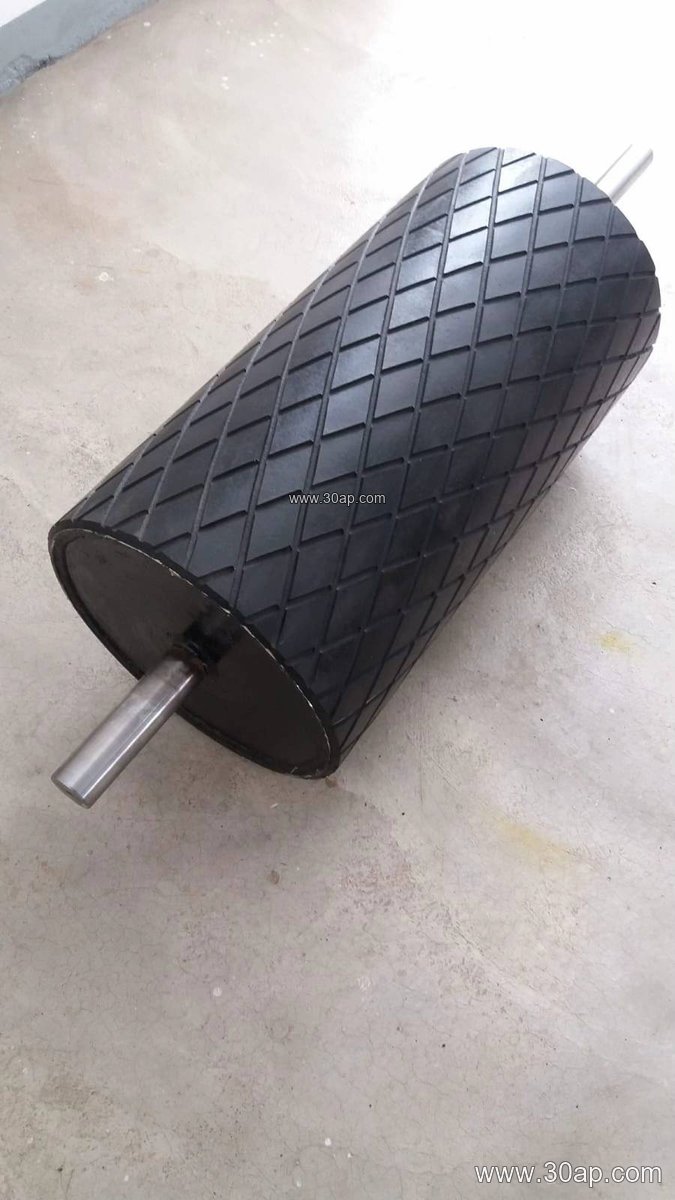
The pulley body is usually a welded steel drum with a machined face. Common diameters range from Ø200 to Ø800, depending on belt width and load. For example, a B800 conveyor might use a Ø500 tail pulley, while a B1200 system could use a Ø630 or Ø800 unit. The shell can be plain, or covered with rubber lagging for better grip and wear protection. Lagging types include flat rubber, diamond groove, and ceramic lagging, with thicknesses of 8, 10, 12, 15, or 20 mm. The shaft diameter is sized by torque and load, not by belt width alone; common shaft sizes include Ø80, Ø100, Ø120, and Ø140. Bearings are usually self-aligning ball or spherical roller types, mounted in cast or fabricated housings. A tensioning take-up, such as a screw or slide frame, is often integrated into the assembly.
Where It Fits in the Conveyor
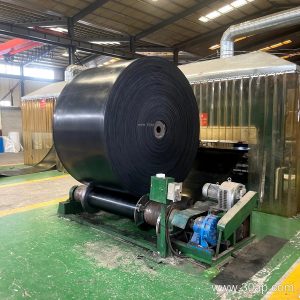
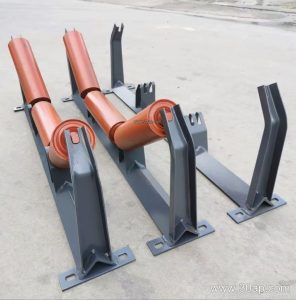
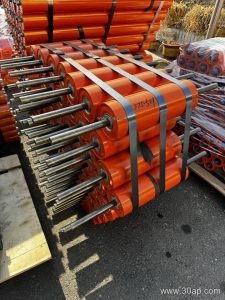
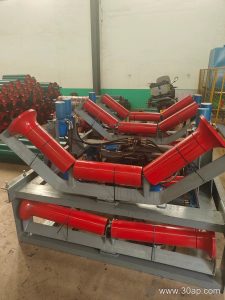
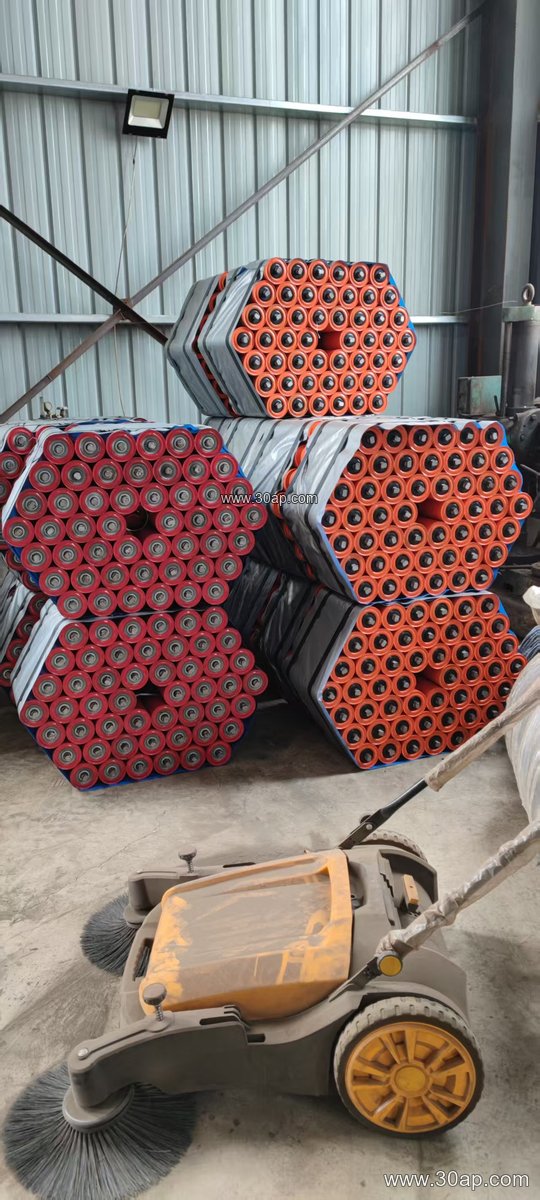
Tail pulley assemblies are found in coal washing plants, cement clinker lines, power plant coal handling, and port bulk terminals. In a stone crushing plant, the tail pulley sits behind the loading point and helps maintain belt tension on the return run. In underground coal mining, flame retardant conveyor belts and anti-static belts are common, and the tail pulley assembly must be built to fit the limited space of the roadway. The assembly also works with the conveyor belt and idler rollers to keep the belt centered; misalignment here can cause edge damage and spillage.
Matching the Assembly to the Belt
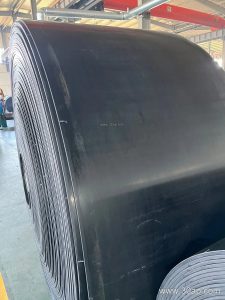
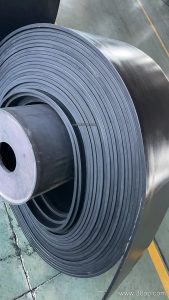
Belt width and pulley face width are related but not identical. The pulley face is usually wider than the belt, so a B650 belt often pairs with a 750 mm face, and a B1000 belt with a 1150 mm face. The diameter should be selected according to the belt’s minimum pulley diameter recommendation, which depends on the belt construction. For heavy-duty mining conveyor belts with steel cord or multi-ply fabric core, larger diameters reduce bending stress. A rubber conveyor belt with high abrasion resistance may also benefit from a lagged tail pulley to extend service life. When specifying, provide the belt type (EP conveyor belt, NN conveyor belt, or steel cord conveyor belt), belt width, and the required tension.
Buyer Checklist
- Confirm the belt width and the pulley face width; do not assume one diameter fits every belt width.
- Specify the lagging type and thickness if extra grip or wear protection is needed.
- State the shaft diameter and bearing type required by the conveyor design.
- Check whether the assembly includes a take-up frame or tensioning device.
- For underground coal mining, request flame retardant and anti-static properties for the belt and consider the pulley’s clearance.
At www.wearproofconveyor.com, tail pulley assemblies are built to match the conveyor belt and idler roller layout, so the return run stays stable in demanding applications such as iron ore, copper ore, and aggregate handling.