What Is a Hot-Dip Galvanized Idler
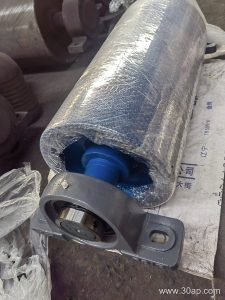
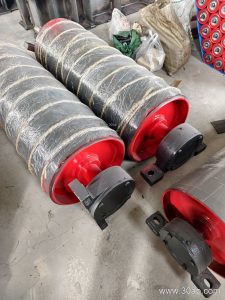
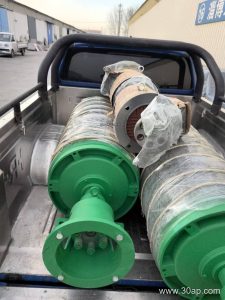
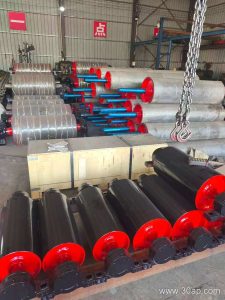
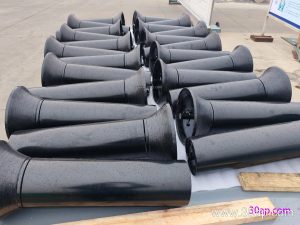
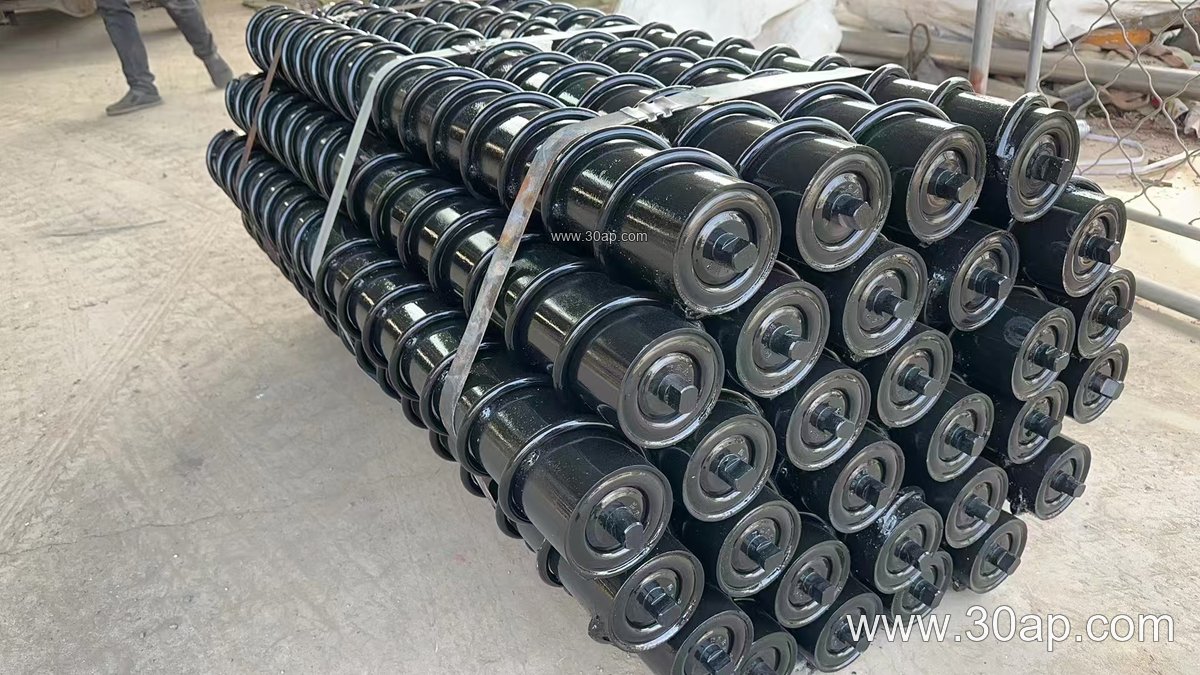
A hot-dip galvanized idler is a conveyor roller whose steel body, shaft, and end caps are fully immersed in molten zinc to form a metallurgically bonded coating. This coating provides excellent corrosion resistance, making the idler suitable for outdoor conveyor systems, wet processing areas, and other demanding environments where moisture, dust, and chemicals are present. The zinc layer protects the base steel from rust, extending service life and reducing maintenance frequency.
The term “hot-dip galvanized idler” is often used interchangeably with “hot-dip galvanized roller,” but both refer to the same product: a roller with a zinc coating applied after fabrication. This distinguishes it from pre-galvanized or painted rollers, which offer lower protection in aggressive conditions.
Construction and Key Components
A typical hot-dip galvanized idler consists of a steel tube, a shaft, bearings, and a sealing system. The tube is often made from seamless or welded steel pipe, and the shaft is typically solid or hollow steel. Bearings are selected based on load and speed requirements, with common sizes including 6204, 6205, 6305, 6306, 6308, and 6310. The sealing arrangement is critical to prevent dust and water ingress, especially in mining and quarry applications.
After assembly, the entire idler is hot-dip galvanized, which coats both the exterior and interior surfaces, including the tube ends and shaft ends. This full encapsulation ensures that even edges and weld seams are protected. The zinc coating thickness typically ranges from 45 to 85 microns, depending on the standard and application, though exact values should be confirmed with the manufacturer.
Where Hot-Dip Galvanized Idlers Are Used
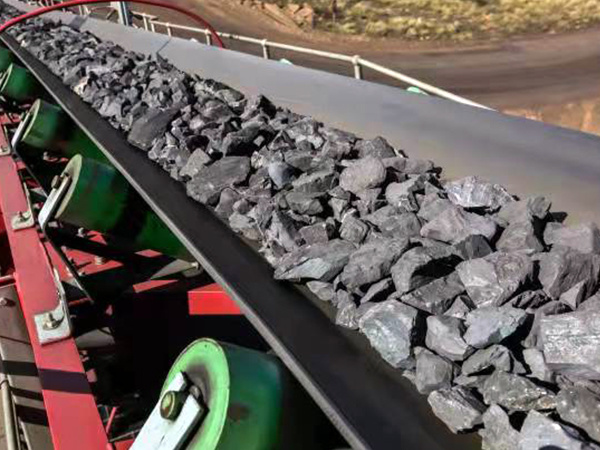
These idlers are widely employed in industries such as mining, coal preparation plants, cement plants, power plant coal handling, port bulk terminals, and aggregate processing lines. They are particularly valued in outdoor conveyor systems where exposure to rain, humidity, and corrosive atmospheres accelerates rust formation. For example, in a limestone quarry or an iron ore stockyard, the conveyor belt may carry abrasive and wet material, and the idler must withstand both mechanical wear and corrosion. Hot-dip galvanized idlers are also a practical choice for underground mining conveyor systems where moisture and ventilation issues can lead to rapid corrosion of standard painted rollers.
When specifying idlers for such environments, it is important to consider the conveyor belt width and the idler diameter. Common idler diameters include Ø63, Ø76, Ø89, Ø102, Ø108, Ø127, Ø133, Ø159, Ø178, Ø194, and Ø219 mm. The belt width can range from B400 to B2400, and the idler length must match the belt width and trough angle. For a three-roll troughing set, typical roll lengths are approximately 200 mm for B500, 250 mm for B650, 315 mm for B800, 380 mm for B1000, 465 mm for B1200, 530 mm for B1400, 600 mm for B1600, 670 mm for B1800, and 750 mm for B2000. These are common examples, and actual dimensions should be determined by the conveyor design.
Selection and Maintenance Tips
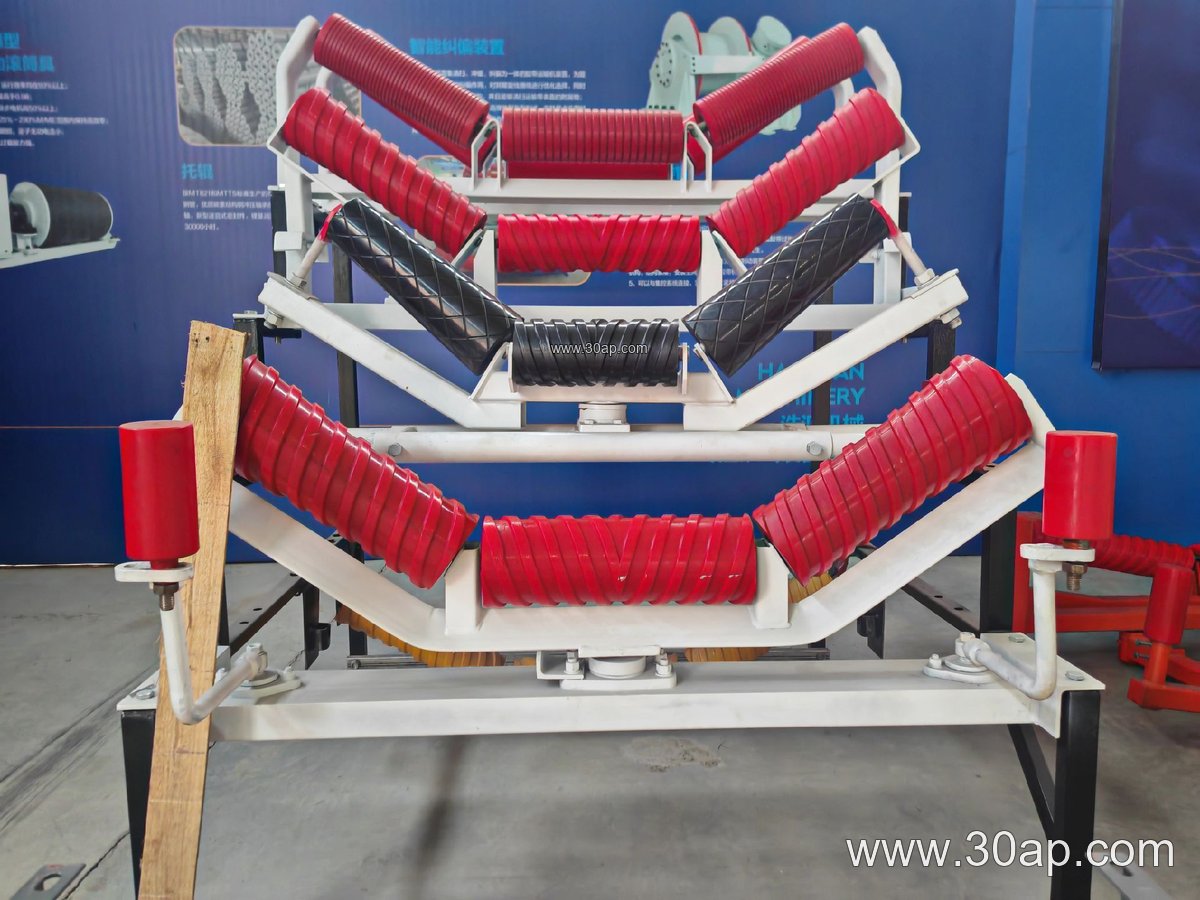
Choosing the right hot-dip galvanized idler involves more than just corrosion resistance. The idler must handle the load, speed, and environmental conditions of the conveyor. Trough angles of 20°, 30°, 35°, and 45° are common, and the choice affects material containment and belt training. The bearing size and seal type should match the duty level; for heavy-duty mining conveyor belts, larger bearings and enhanced seals are often necessary. It is also important to ensure that the galvanized coating is uniform and free from defects, as bare spots can become initiation points for corrosion.
Regular inspection of idlers helps identify seized bearings, coating damage, or misalignment. In dusty environments, such as a cement plant or a coal mining conveyor system, keeping the idlers clean and properly lubricated (if applicable) extends their life. Note that hot-dip galvanized idlers are not a substitute for specialized idler types like impact idlers or self-aligning idlers; rather, they complement them by providing corrosion protection where needed.
Compatibility with Conveyor Belts
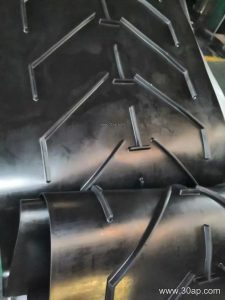
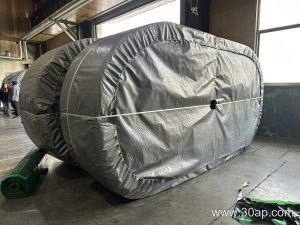
Hot-dip galvanized idlers work with a wide range of conveyor belts, including rubber conveyor belt, EP conveyor belt, NN conveyor belt, steel cord conveyor belt, and heat resistant conveyor belt. The idler surface should be smooth to avoid damaging the belt cover, and the galvanized coating does not typically affect belt tracking. When used with a chevron conveyor belt or a corrugated sidewall conveyor belt, ensure that the idler spacing and diameter accommodate the belt profile. For abrasive materials, pairing galvanized idlers with an abrasion resistant conveyor belt can improve overall system durability.
In summary, hot-dip galvanized idlers offer a robust, corrosion-resistant solution for conveyor systems in challenging environments. By understanding their construction, applications, and selection criteria, buyers can make informed decisions that enhance conveyor reliability and reduce long-term maintenance costs.