What a 1000mm Diameter Conveyor Pulley Is
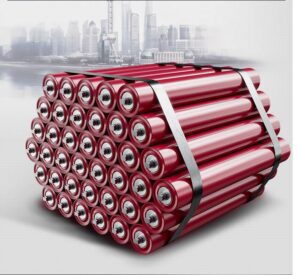
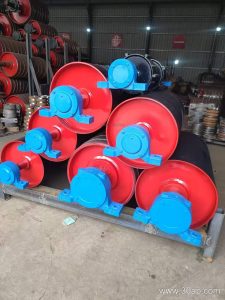
A 1000mm diameter conveyor pulley is a large-diameter drum used at the head, tail, tension, or bend position of a bulk handling conveyor. With a nominal shell diameter of one metre, it belongs to the heavy end of the pulley range, where the drum must carry high belt tension while keeping bending stress on the conveyor belt within acceptable limits. In practice, engineers refer to it simply as a Ø1000 conveyor drum or a one-metre head drum, depending on where it sits on the conveyor frame.
The large diameter is not chosen for appearance. A bigger drum increases the contact arc and reduces the reverse bending fatigue that a conveyor belt experiences each revolution. On long overland lines, primary crusher discharge conveyors, and high-tonnage transfer points in iron ore mines or copper concentrators, a Ø1000 drum can be a practical match for a steel cord conveyor belt or a heavy multi-ply fabric core belt.
How the Drum Is Built
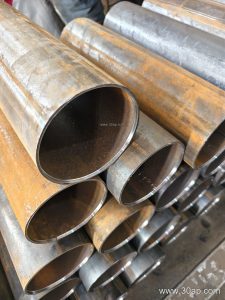
A typical 1000mm diameter conveyor pulley combines a rolled steel shell, welded end discs, a shaft, and bearing housings. The shell may be machined smooth or covered with rubber lagging to raise friction between drum and belt. Common surface options for this size include plain finish, hot vulcanised rubber, cold bonded rubber, diamond grooving, and ceramic lagging; lagging thickness is often 8, 10, 12, 15, or 20 mm, chosen by the duty.
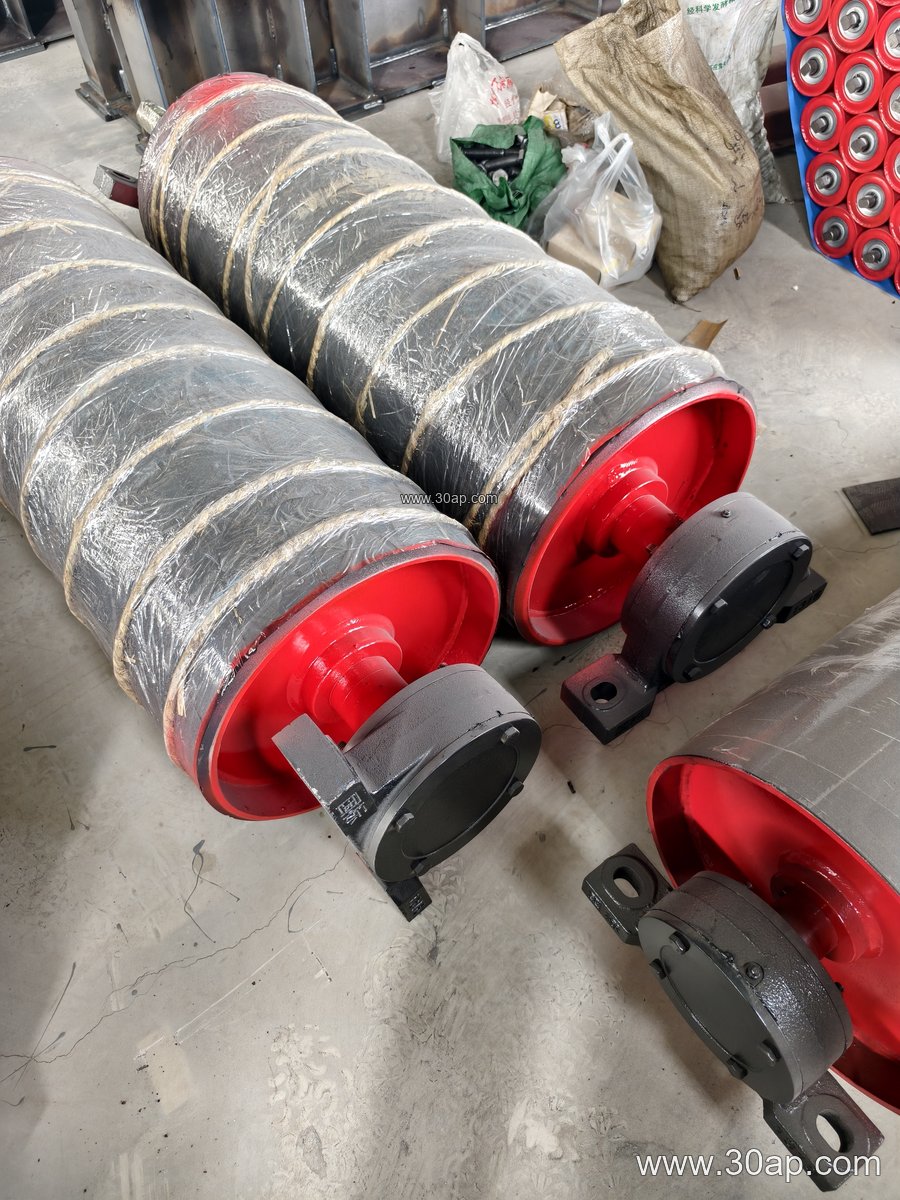
Shaft diameter is determined by torque and radial load, not by belt width alone. For a drum of this size, shafts in the range of Ø160 to Ø200 are frequently seen, but the final value should come from the conveyor designer. Bearings, locking assemblies, and keyways follow the same calculation route.
Typical reference dimensions
- Nominal diameter: Ø1000 mm
- Shell face width: matched to belt width, usually wider than the belt
- Lagging: plain, rubber, diamond, or ceramic, 8–20 mm
- Shaft: sized by torque and load, often Ø160–Ø200 in heavy duty
- Bearing type: spherical roller bearings in pillow block housings
Where It Fits on the Conveyor
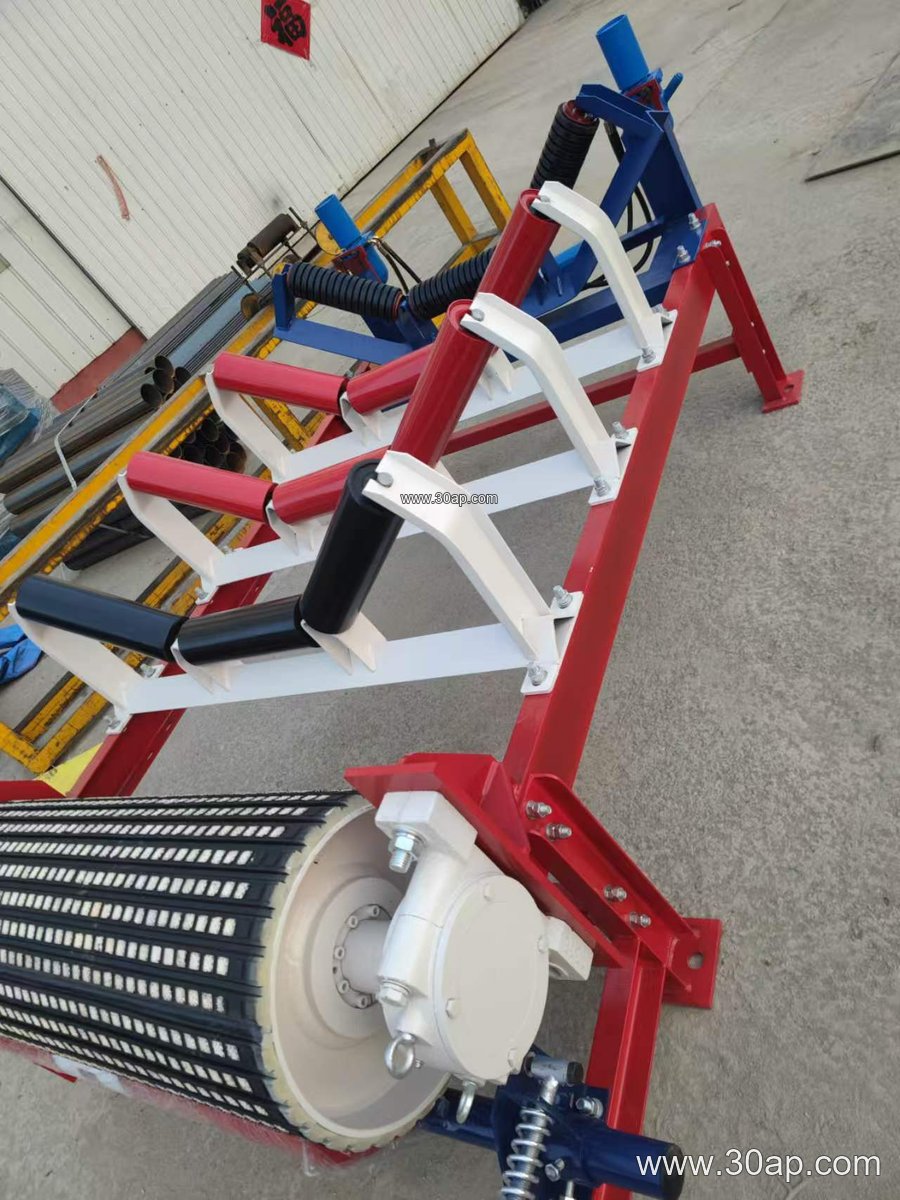
The same nominal size can serve different duties. As a head or drive pulley, it transmits power to the belt and is usually lagged. As a tail pulley, it guides the return side and may be plain or lagged. As a bend or tension pulley, it changes belt direction and maintains take-up travel. These positions are not interchangeable: a drive pulley needs friction and torque capacity, while a bend pulley mainly needs alignment and free rotation.
In a coal washing plant, a Ø1000 tail drum might run behind a flame retardant conveyor belt on a raw coal feed line. In a cement plant, the same size could act as a bend drum on a clinker conveyor fitted with a heat resistant conveyor belt. In a quarry or aggregate line, it may work with an abrasion resistant conveyor belt on a primary crushing discharge. Each case calls for a different lagging and bearing selection.
Matching the Drum to the Belt and the Line
A 1000mm diameter drum is often paired with wide belts, but there is no fixed rule that one belt width must use one drum diameter. A B1200 × Ø1000 combination is common on medium-to-heavy lines, while B1400 and B1600 belts may also use this diameter where tension allows. Conversely, a narrower belt can run on a large drum if the shaft and bearing capacity suit the load. The conveyor layout, belt tension, and transition distance should decide.
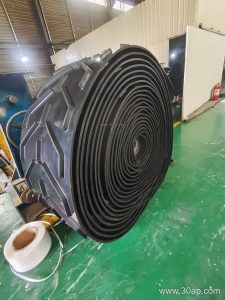
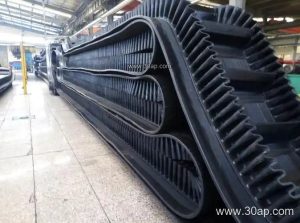
Belt construction matters too. A steel cord conveyor belt or a high-strength EP conveyor belt with several plies tolerates larger drums better than a thin, flexible belt. Where the belt carries sharp rock, an impact resistant conveyor belt plus adequate lagging helps protect both belt and drum. On underground mining conveyors, a fire resistant conveyor belt and anti-static conveyor belt are often specified alongside the pulley.
Buyer Checklist
- Confirm the pulley position: drive, tail, bend, or tension.
- Provide belt width, belt type, and maximum operating tension.
- State lagging preference and thickness for the material handled.
- Ask for shaft and bearing calculations, not just a catalogue size.
- Check shell face width against the belt and frame clearance.
- Plan lifting points and access for a drum of roughly one metre.
For a 1000mm diameter conveyor pulley, the safest approach is to treat diameter, face width, lagging, and shaft as a designed set. A drum that suits a coal mining conveyor may not suit a port ship loader or a fertiliser handling line. Buyers who share full duty data with the manufacturer usually receive a better-matched drum and fewer surprises during installation.