What a Conveyor Idler Frame Does
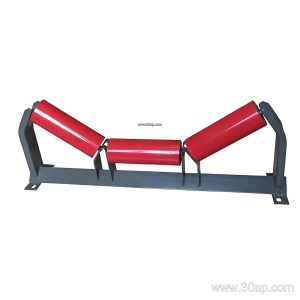
A conveyor idler frame is the structural bracket that holds idler rollers in position along a belt conveyor. It sets the trough angle of the carrying side, keeps the return run supported, and transfers the load of the belt and material into the conveyor stringer. In a quarry, a coal handling plant, or a cement kiln line, these frames are repeated hundreds of times, so small differences in structure and alignment add up over the whole route.
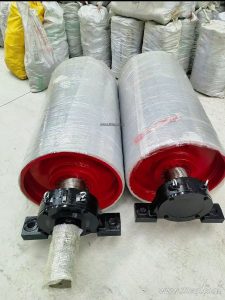
The frame is not a pulley. Drive, tail and bend pulleys handle traction and direction changes, while the idler frame simply carries the belt between them. Mixing up these roles leads to wrong spare parts and poor tracking, so buyers should keep the two categories separate.
How the Frame Is Built
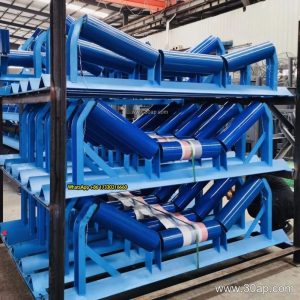
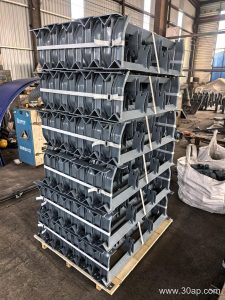
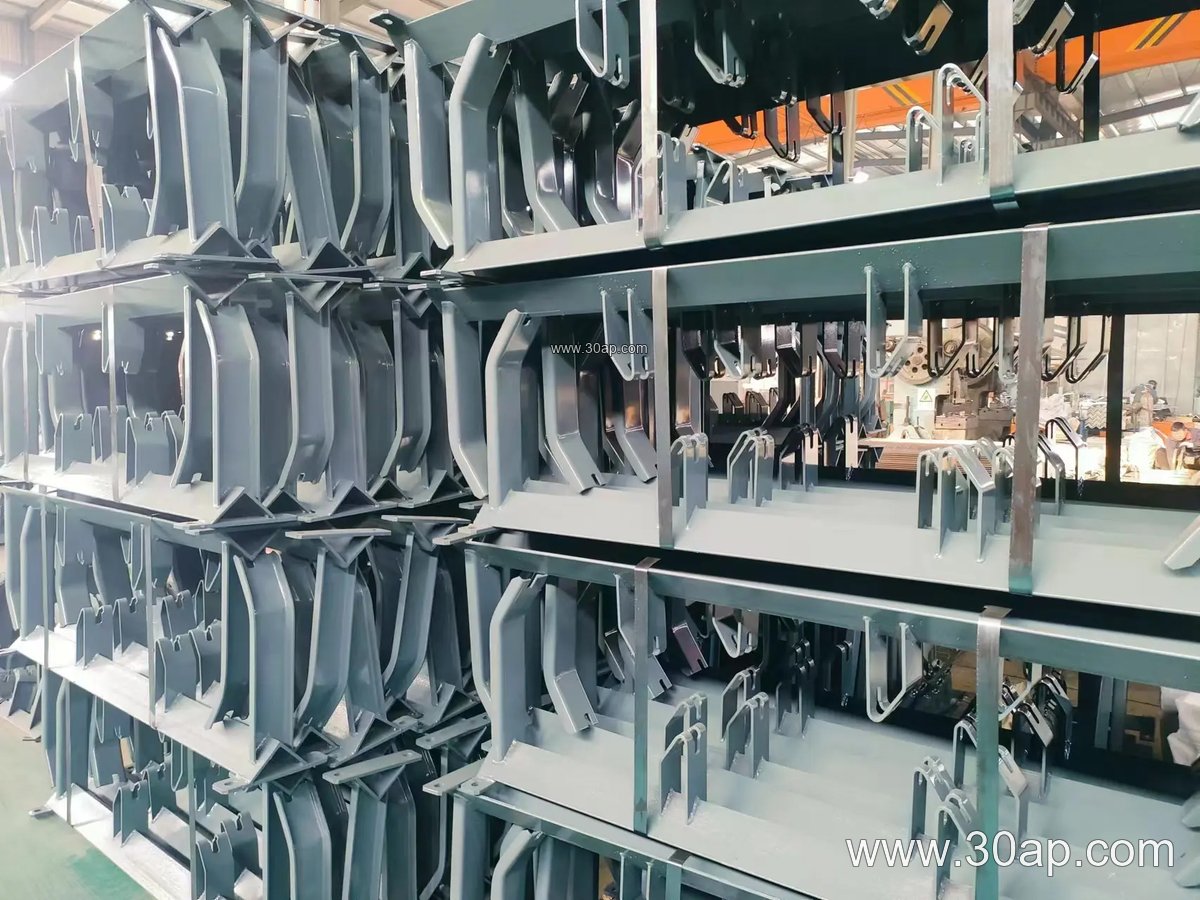
Most frames are fabricated from angle steel, channel steel, or folded steel plate, then drilled or punched for mounting. A typical troughing frame has a base beam and two or three inclined supports that hold the idler roller shafts at a set angle. Return frames are flatter, and some use a V shape to help center the belt.
Key structural points usually include:
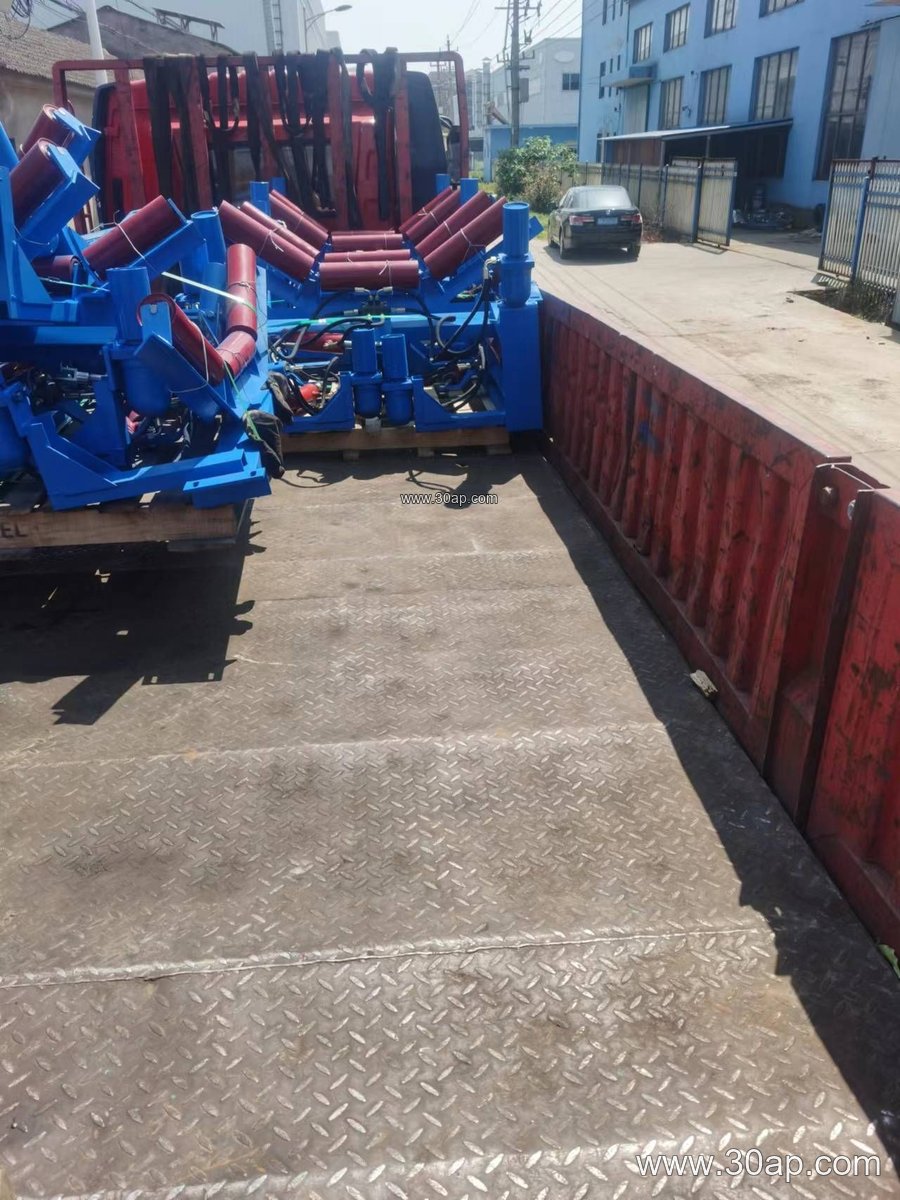
- Mounting hole spacing matched to the stringer and to the roller shaft ends
- Beam length chosen for the belt width and trough angle
- Welded or bolted joints, with bolted designs easier to replace in the field
- Surface treatment for damp or dusty conditions, such as a coal washing plant
Because hole spacing and beam length change with belt width and trough angle, they are best confirmed against the actual conveyor drawing rather than assumed.
Trough Angle and Roller Diameter
Trough angle affects how much material the belt can hold and how the belt sits on the rollers. Common angles are 20, 30, 35 and 45 degrees. Adjustable frames allow the angle to be set within this range, which helps when a conveyor is converted or when material behavior changes. A small forward tilt of about 1.5 to 2 degrees is sometimes used to encourage belt tracking.
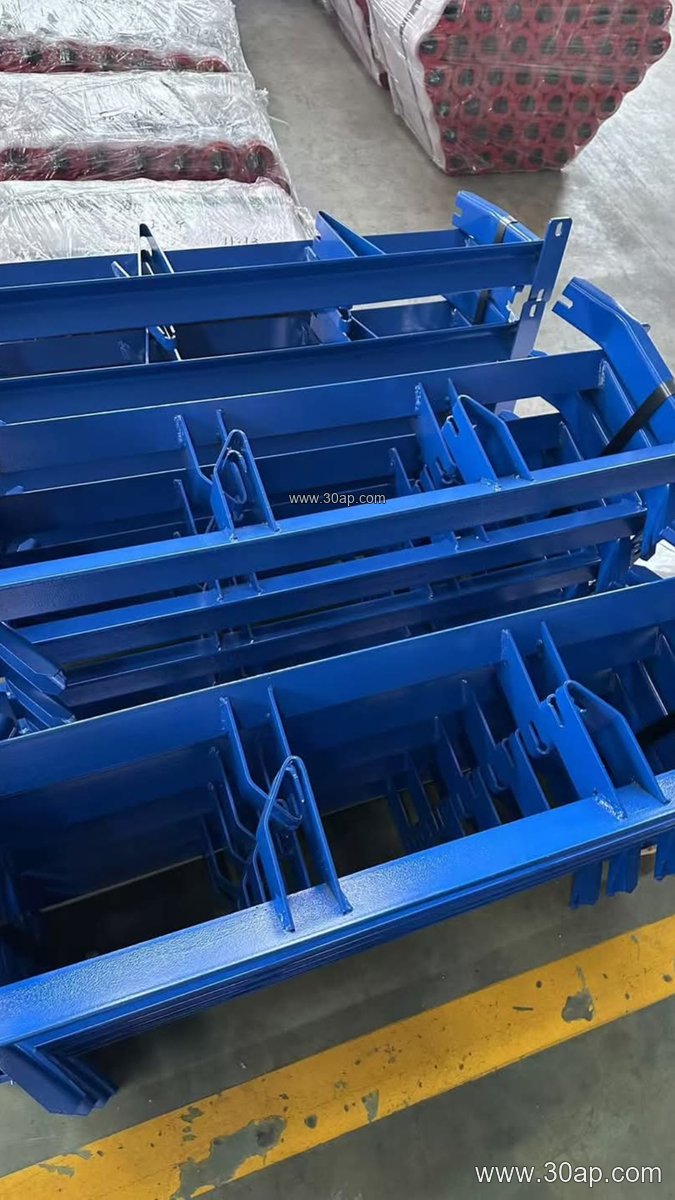
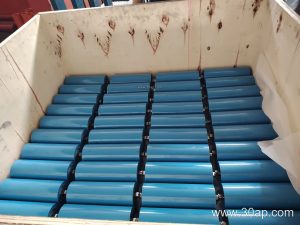
Roller diameter should suit the belt speed, load and available space. Typical sizes are Ø89, Ø108, Ø133, Ø159 and Ø194. There is no fixed rule that one belt width must use one diameter or one angle; B800 might run with 35 degrees and Ø108, while B1200 could use 45 degrees and Ø133, but the final choice depends on the conveyor design.
| Belt width | Trough angle | Roller diameter |
|---|---|---|
| B500 | 20-30 degrees | Ø89 |
| B650 | 30-35 degrees | Ø89-Ø108 |
| B800 | 30-35 degrees | Ø108 |
| B1000 | 35-45 degrees | Ø108-Ø133 |
| B1200 | 35-45 degrees | Ø133 |
| B1400 | 35-45 degrees | Ø133-Ø159 |
| B1600 | 35-45 degrees | Ø159 |
| B1800 | 35-45 degrees | Ø159-Ø194 |
The table is a reference pattern only. Widths such as B2000, B2200 and B2400 also exist, and heavy-duty mining conveyors may use larger frames and rollers than a light aggregate line.
Frame Types in Practice
Troughing frames on the carrying side are the most common. Transition frames sit near the pulleys where the belt changes from flat to troughed. Impact frames with cushioning rollers go under the loading point, which matters at a crusher discharge or a truck dump hopper. Self-aligning frames help correct belt drift, and return frames support the empty belt.
Fixed and adjustable frames serve different needs. A fixed frame is simple and rigid, while an adjustable one lets maintenance staff fine-tune the angle or alignment. Neither is automatically better; the choice depends on how often the conveyor layout may change.
Where These Frames Are Used
Idler frames appear wherever a belt conveyor moves bulk material. In a limestone mine or stone crushing line, they carry abrasive rock under a heavy abrasion resistant conveyor belt. In a power plant coal yard, they support a flame retardant conveyor belt on long transfer routes. Other users include cement plants, steel sintering lines, fertilizer plants, port ship loaders and tunnel spoil handling.
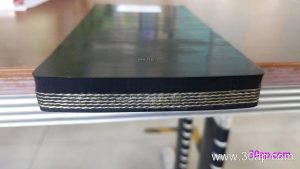
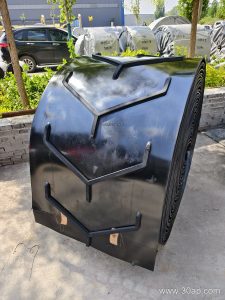
The belt itself may be an EP conveyor belt, an NN conveyor belt, a steel cord conveyor belt, or a specialty type such as a heat resistant conveyor belt or oil resistant conveyor belt. Rubber conveyor belt grades and fabric core constructions all rely on the same basic frame function: keeping the belt supported and aligned.
What Buyers Should Confirm
Before ordering, confirm the belt width, trough angle, roller diameter, mounting hole spacing and beam length. Ask whether the frame is fixed or adjustable, and check the steel section and finish for the site conditions. For a coal mine or an underground coal mining conveyor belt system, fire resistance and dust behavior deserve attention. For a quarry or iron ore line, wear and impact resistance matter more.
Also check how the frame fits with the conveyor bracket and stringer, and whether replacement frames match the existing idler roller shafts. Good alignment at installation prevents belt edge wear and reduces downtime. More conveyor component references are available at conveyoridlerframe.com, including notes on belt, idler and pulley matching.