What a Three-Roll Idler Bracket Does
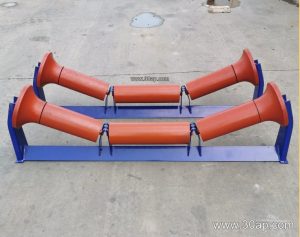
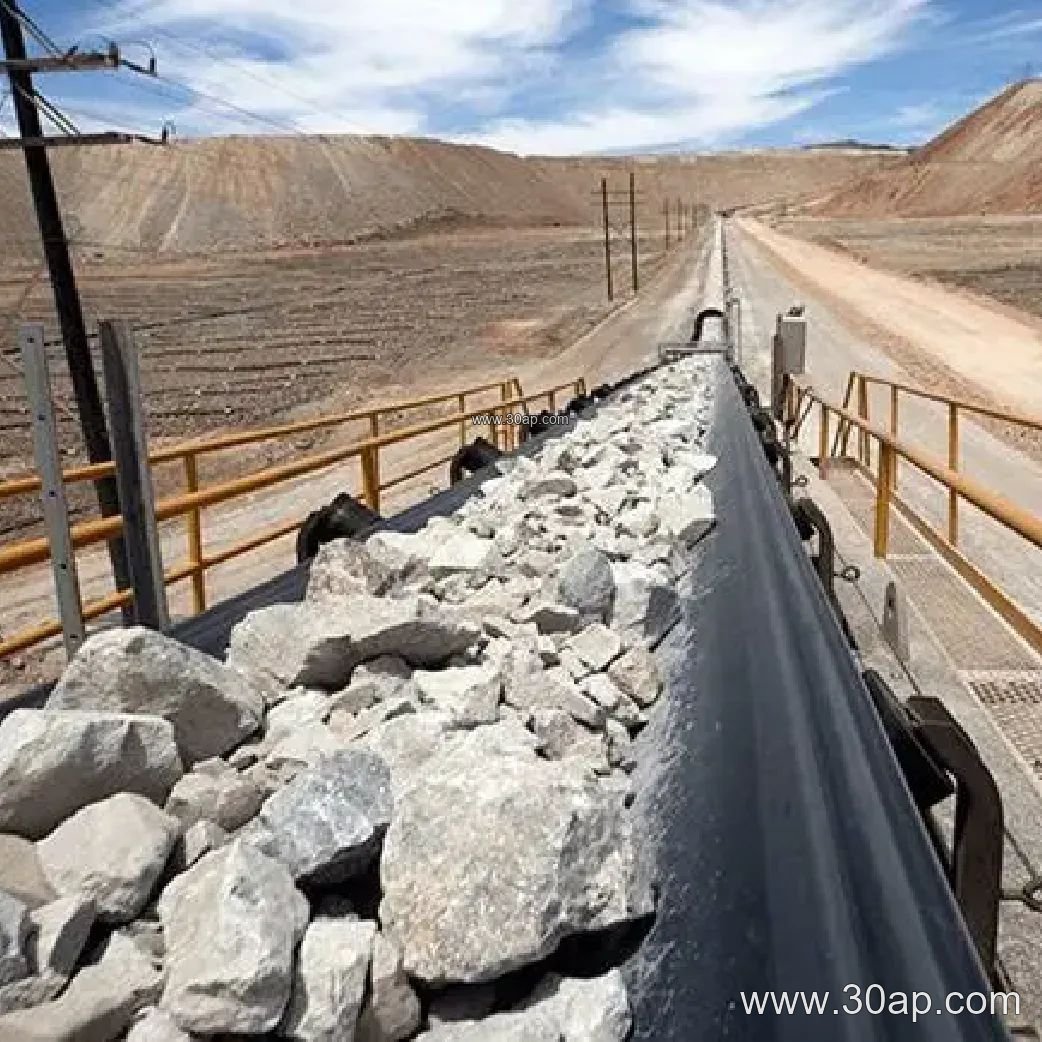
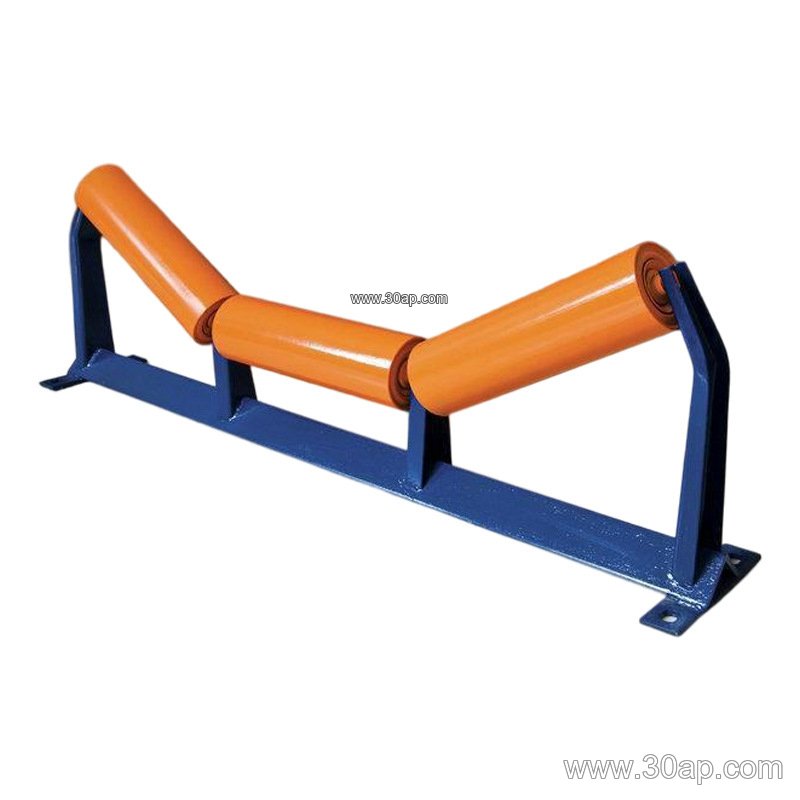
A three-roll idler bracket is the structural support that holds three idler rollers in a troughed arrangement. It positions the center roll horizontally and the two side rolls at an incline, creating a trough profile that keeps bulk material centered on the conveyor belt. This bracket is a key component in the load-carrying section of a belt conveyor, and its geometry directly affects belt tracking, material spillage, and roll service life.
Also called a troughing idler bracket or three-roll troughing frame, this part is distinct from return brackets, impact brackets, and self-aligning brackets. It belongs to the upper carrying side of the conveyor and is often used in pairs across the belt width. In industries such as quarrying, coal washing, cement plants, and power plant coal handling, the three-roll idler bracket is a standard item in conveyor maintenance and new installations.
Construction and Materials
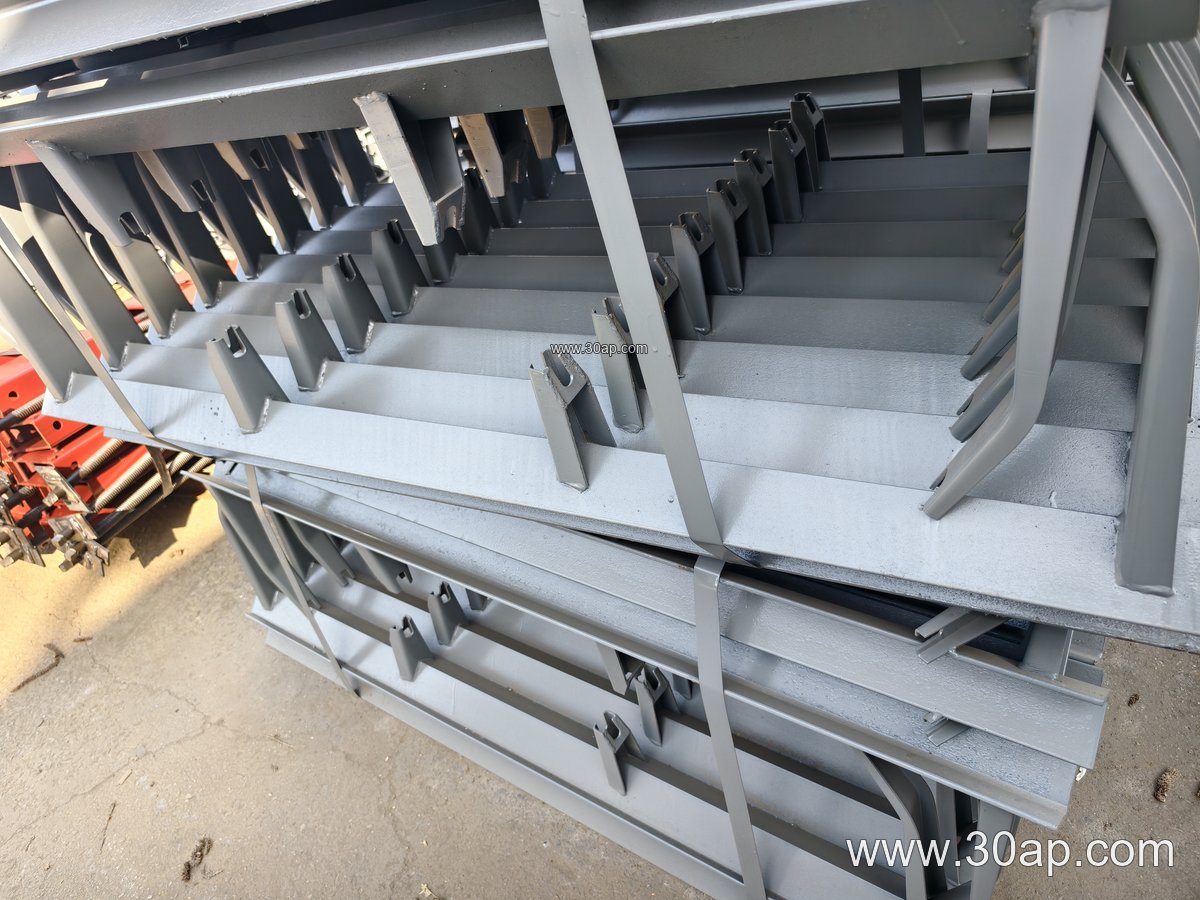
Most three-roll idler brackets are fabricated from angle steel, channel steel, or folded steel plate. The frame includes mounting slots or holes for the idler roller shafts and a crossbeam that spans the conveyor structure. The side arms are set at a fixed trough angle or made adjustable. Common materials are carbon steel with painted or galvanized finish, and in corrosive or underground environments, galvanized or coated versions are preferred.
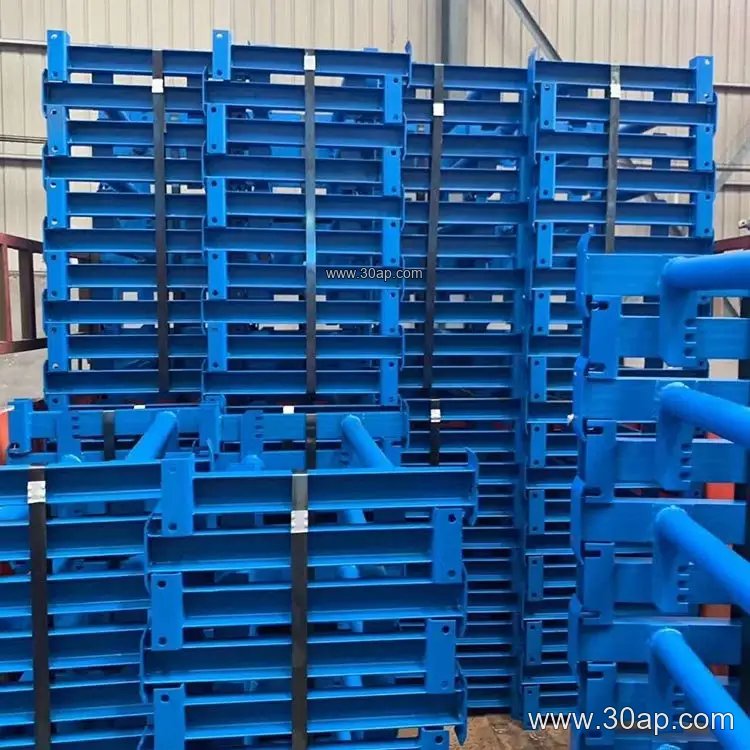
The bracket must resist vibration, material impact, and belt tension forces. Welded joints and bolt connections should be uniform and free from sharp edges that could damage the conveyor belt. The roll mounting positions are usually designed to allow quick replacement of a single idler roller without removing the entire bracket.
Common Configurations and Parameters
Three-roll idler brackets are available in fixed and adjustable designs. Fixed brackets are set to one trough angle, while adjustable brackets allow the side roll angle to be changed on site. The table below shows typical reference values; actual dimensions depend on belt width, trough angle, and roll diameter.
| Parameter | Common Reference Values |
|---|---|
| Belt width (B) | B500, B650, B800, B1000, B1200, B1400, B1600, B1800 |
| Trough angle | 20°, 30°, 35°, 45° (adjustable brackets can be set between these angles) |
| Idler roller diameter | Ø89, Ø108, Ø133, Ø159, Ø194 |
| Material | Angle steel, channel steel, folded steel plate |
| Mounting hole spacing | Determined by belt width and trough angle |
For example, a B800 bracket at 35° with Ø108 rolls is a common combination in aggregate plants, while a B1200 bracket at 45° with Ø133 rolls may appear in heavier mining duty. These are examples, not fixed rules. A belt width can be paired with different trough angles and roll diameters depending on the conveyor design and material characteristics.
Where It Is Used
Three-roll idler brackets are found on the carrying side of troughed belt conveyors in many bulk handling operations. In a sand and gravel line, they support the conveyor belt under crushed stone and aggregate. In a coal preparation plant, they help maintain the trough shape for coal and refuse. In a cement plant, they carry clinker, limestone, and raw meal. In a power plant coal yard, they are part of the coal conveyor system. The bracket works together with the conveyor belt, idler roller, and conveyor pulley to keep the system running smoothly.
Different belt types may require attention to bracket selection. A heavy-duty mining conveyor belt or steel cord conveyor belt can carry high tension, so the bracket and rolls must be rated accordingly. For abrasive materials, an abrasion resistant conveyor belt reduces wear, but the bracket still needs proper roll alignment. In underground coal mining, flame retardant conveyor belt and anti-static conveyor belt are common, and the bracket should be compatible with the fire safety requirements of the installation.
Selection and Maintenance Tips
- Match the bracket trough angle to the material angle of repose and belt speed. A 30° or 35° trough is common for general bulk materials, while 45° may suit fine, free-flowing materials.
- Check that the roll diameter fits the bracket mounting slots. Mixing roll sizes can cause belt tracking problems.
- For transition zones near the tail pulley or drive pulley, consider transition brackets or adjustable brackets to support the belt gradually.
- Inspect welds, bolt tightness, and roll seating during routine maintenance. A loose bracket can lead to misalignment and edge damage on the conveyor belt.
- When replacing a bracket, confirm the belt width and existing roll diameter. Do not assume that a bracket from a different conveyor will fit.
Whether the conveyor handles quarry rock, cement, coal, or iron ore, the three-roll idler bracket is a small but important part of the total conveyor structure. Selecting the right trough angle, roll diameter, and frame material helps extend belt life and reduce downtime.