What the Belt Conveyor Drive Pulley Does
The belt conveyor drive pulley is the powered drum that turns the conveyor belt and keeps material moving along the line. Mounted at the head end of the conveyor, it grips the belt through friction and transfers torque from the gearbox or motor to the belt surface. In a quarry, a cement plant clinker line, or a power plant coal handling system, this head pulley is the component that sets the pace for the whole conveyor. It is sometimes called the head pulley or drive drum, and those names refer to the same product. A tail pulley or bend pulley serves a different function and cannot be substituted for the drive unit.
How a Drive Pulley Is Built
A typical drive pulley combines a cylindrical shell, two end discs, a shaft, and bearing housings. The shell is usually rolled steel, machined for balance, and fitted with a lagging surface to improve grip. Shafts are sized by torque and load rather than belt width alone, with common diameters ranging from Ø50 to Ø200 mm depending on the duty. The pulley is supported in conveyor brackets or bearing blocks, and the whole assembly is aligned with the conveyor frame.
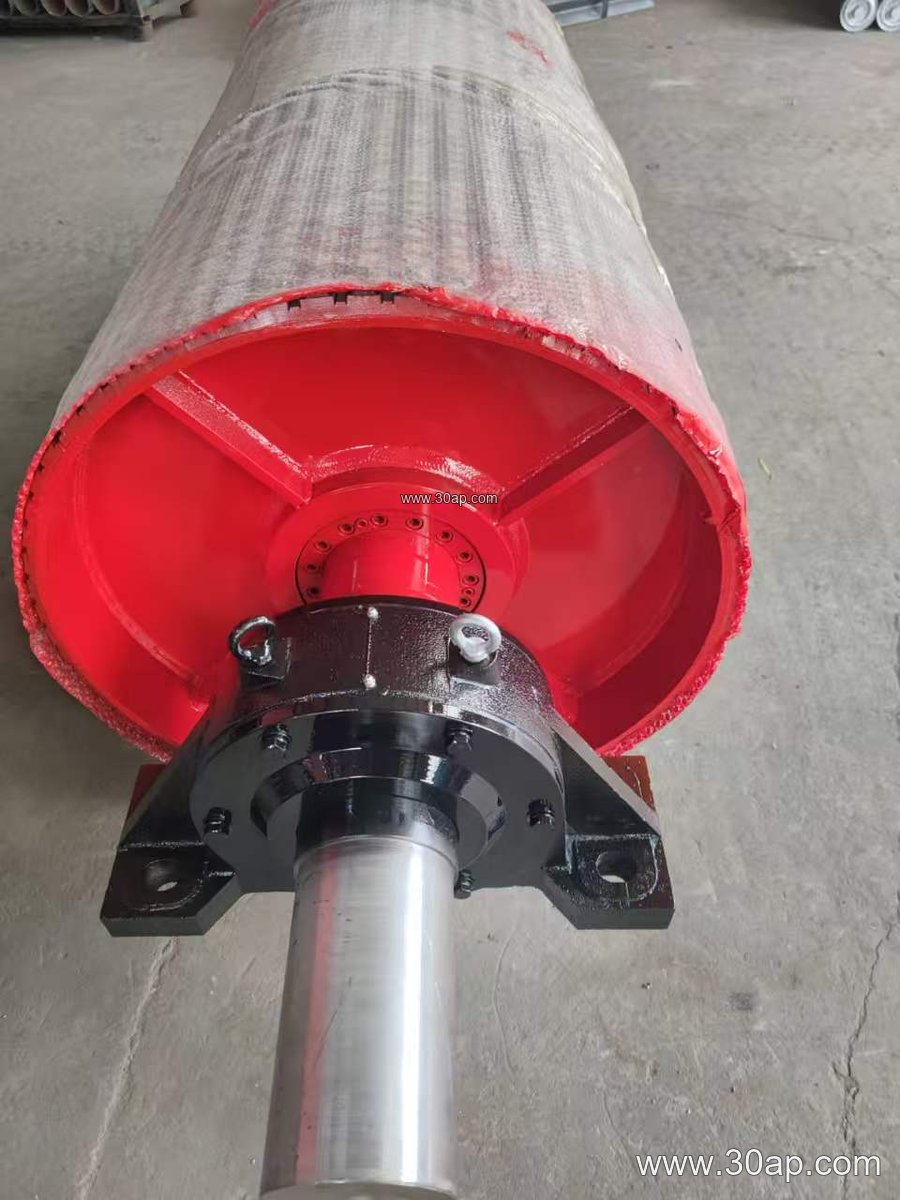
Shell, Shaft and Lagging
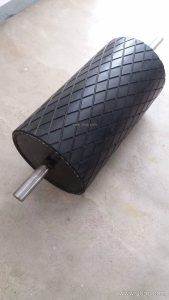
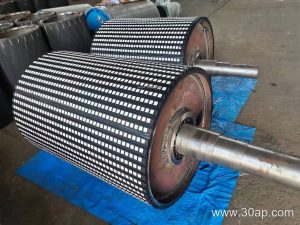
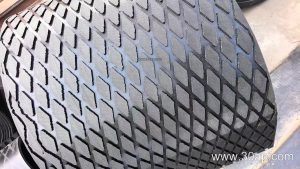
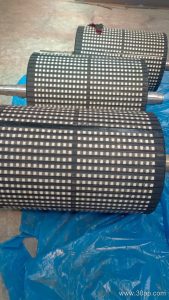
Shell diameter is selected together with belt speed and the required wrap angle. Common drive pulley diameters include Ø500, Ø630, Ø800, Ø1000, and Ø1250 mm for heavier duties. The face width is normally wider than the belt, for example about 1150 mm for a B1000 belt and about 1600 mm for a B1400 belt. Lagging options range from plain steel to hot vulcanized rubber, cold bonded rubber, diamond grooving, chevron grooving, and ceramic lagging. Lagging thickness commonly runs 8, 10, 12, 15, or 20 mm according to the grip and wear requirements.
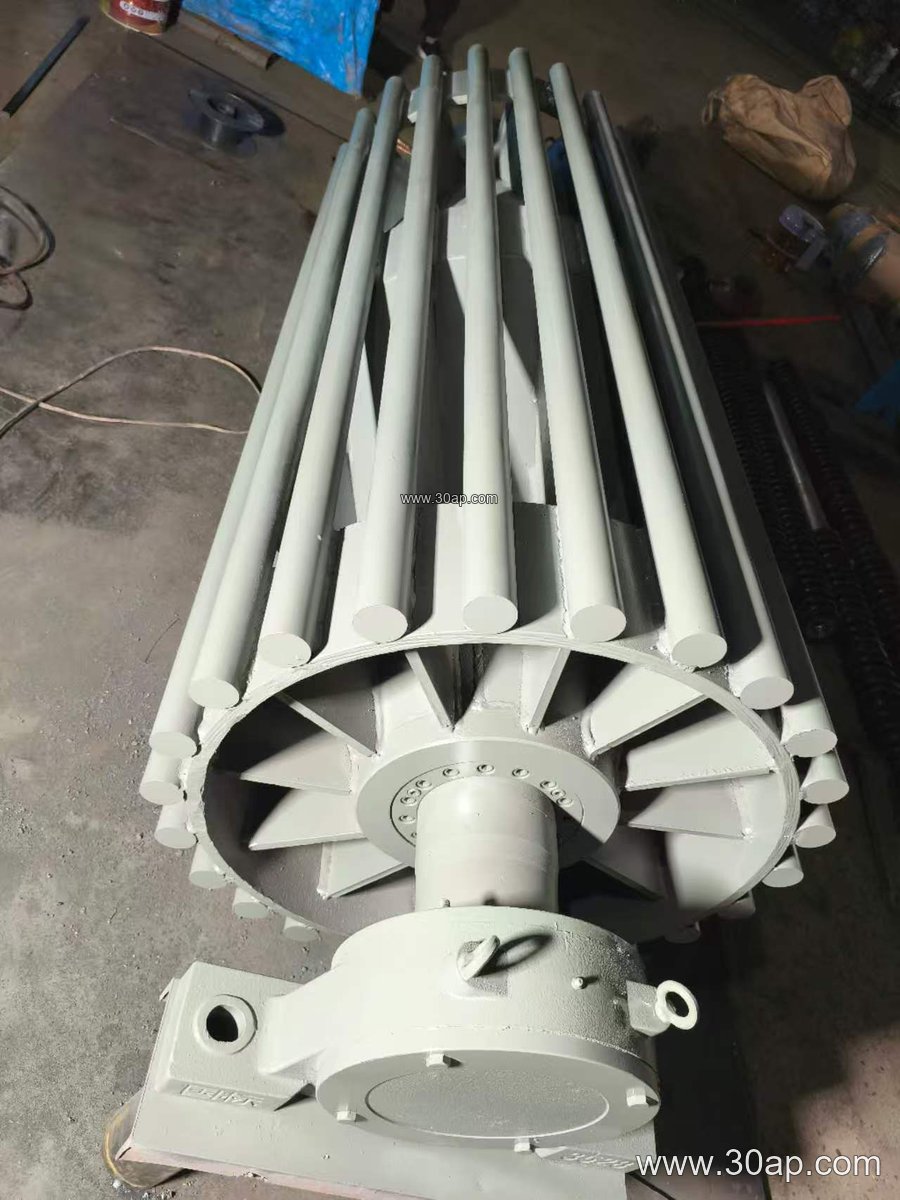
Where It Fits on the Conveyor
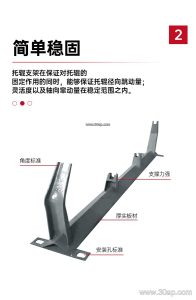
The drive pulley sits at the discharge or head position, pulling the loaded belt toward the transfer point. In an underground coal mining conveyor, a flame retardant conveyor belt may run over a lagged drive drum to reduce slip in wet conditions. In an iron ore or copper ore line, an abrasion resistant conveyor belt paired with a ceramic lagged pulley helps handle sharp, heavy material. The drive pulley works alongside idler rollers that support the belt and conveyor brackets that hold the frame, but it remains the only powered drum in the system. Tail pulleys, snub pulleys, and take-up pulleys perform separate roles and should be specified separately.
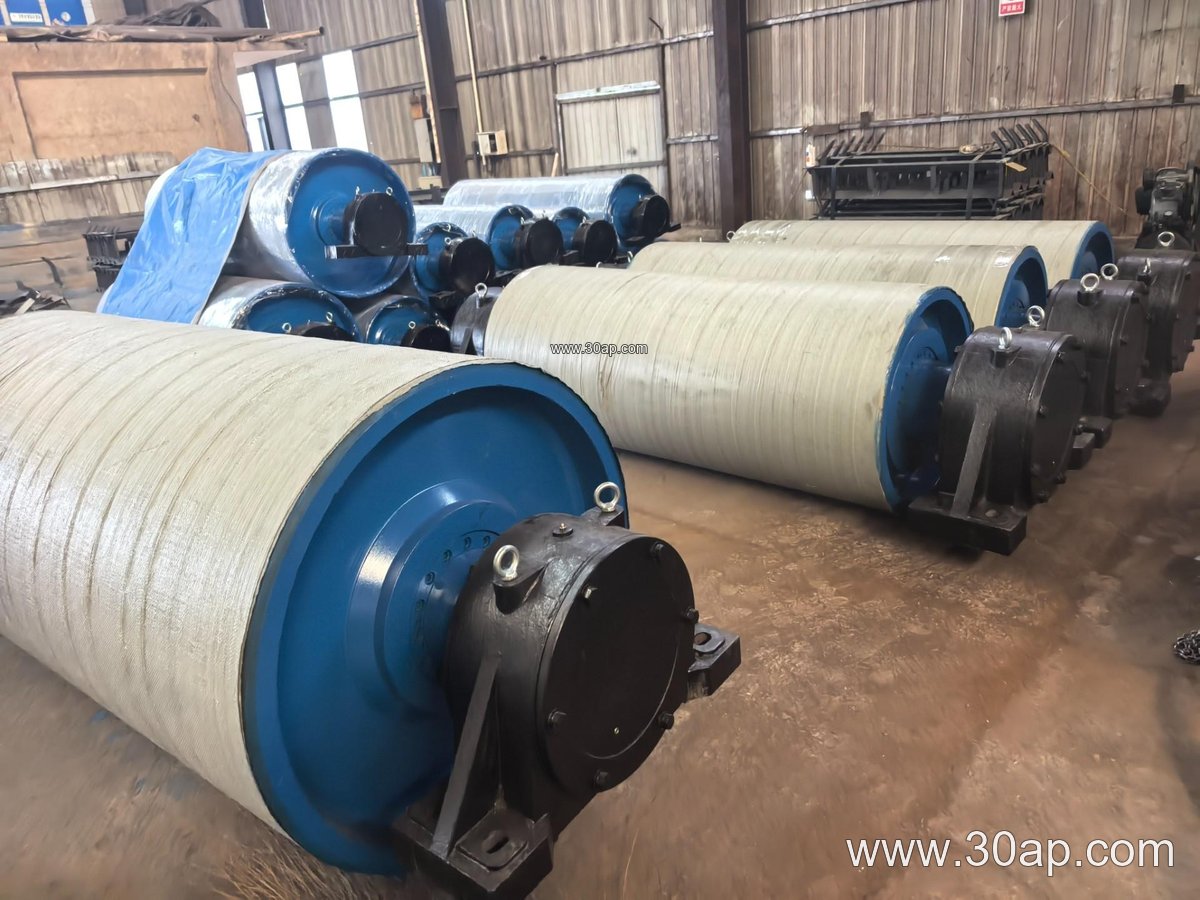
Surface and Diameter Choices
Buyers should match the lagging to the belt and the environment. Rubber lagging suits general bulk material handling, diamond or chevron patterns improve traction on wet belts, and ceramic tiles resist wear in high abrasion service. When selecting a drive pulley, consider the belt type as well, including EP conveyor belt, NN conveyor belt, steel cord conveyor belt, and multi-ply fabric core constructions. A pipe conveyor belt or corrugated sidewall belt may call for a different pulley face and careful checking of belt stiffness. Heat resistant conveyor belt and oil resistant conveyor belt applications often need lagging that tolerates the same conditions.
Reference Dimensions
- Belt widths: B400, B500, B650, B800, B1000, B1200, B1400, B1600, B1800
- Pulley diameters: Ø200, Ø250, Ø315, Ø400, Ø500, Ø630, Ø800, Ø1000, Ø1250
- Shaft diameters: Ø50, Ø60, Ø70, Ø80, Ø90, Ø100, Ø120, Ø140
- Lagging thickness: 8, 10, 12, 15, 20 mm
These values are common references, not fixed pairings. A B800 belt may work with a Ø500 pulley in one design and a larger diameter in another, depending on belt speed, wrap angle, and load. There is no rule that one belt width matches only one pulley diameter.
Buyer Checklist
Before ordering, confirm the belt width, the required shaft diameter from the torque calculation, the lagging type, and the mounting position. Ask whether the pulley will run with an endless conveyor belt or a spliced belt, and check the bearing and bracket dimensions against the conveyor frame. In a sand and gravel plant or a crushing and screening circuit, a heavy-duty mining conveyor belt and a well-lagged drive pulley reduce slip and extend service life. For more conveyor pulley and roller options, visit vegasconveyor.com to review compatible components.