What a Q355 Conveyor Bracket Does on a Belt Conveyor
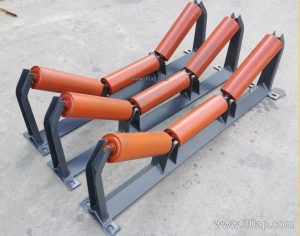
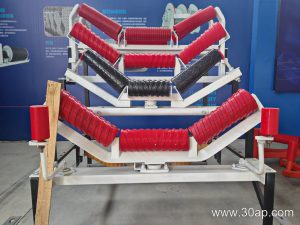
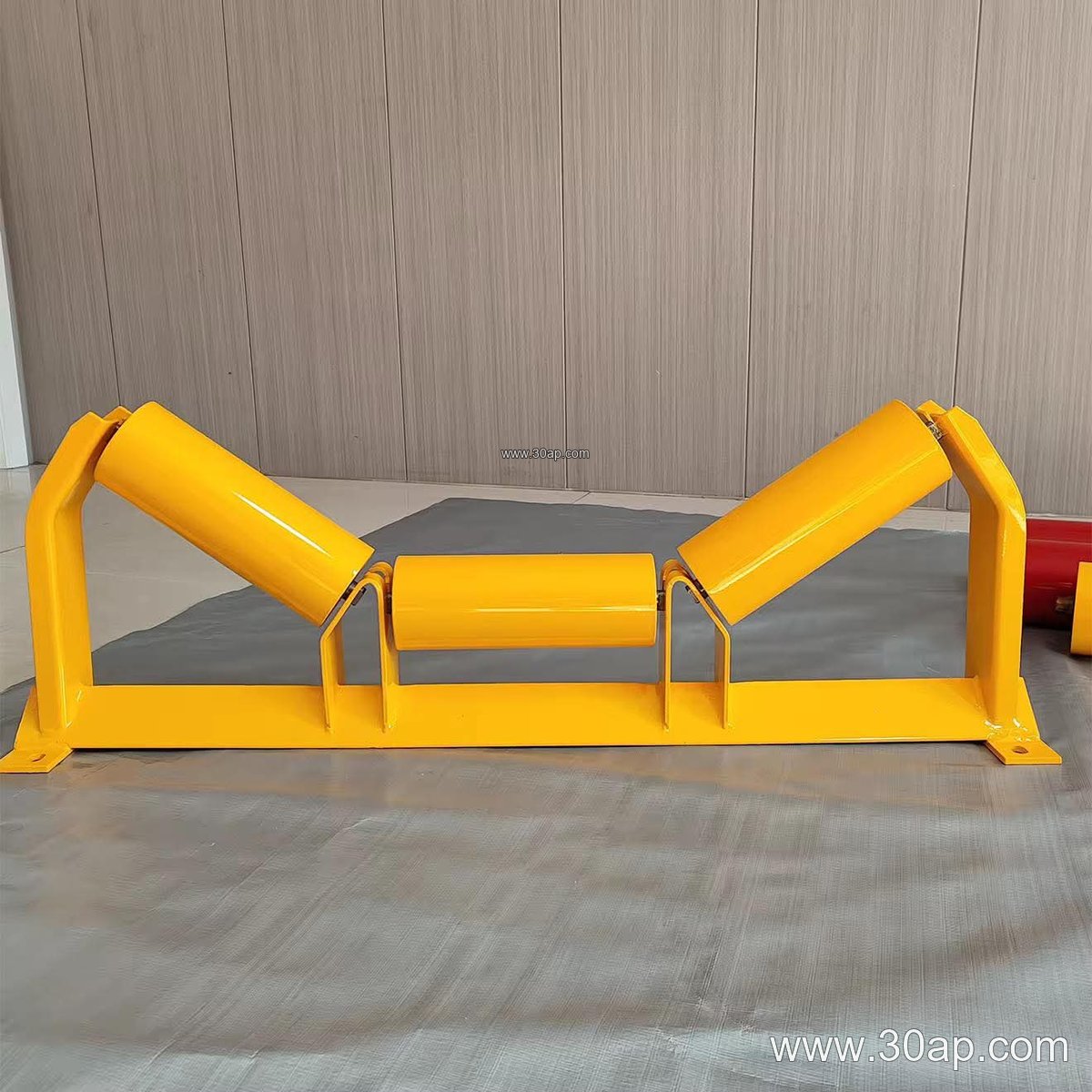
A Q355 Conveyor Bracket is the steel support that holds idler rollers in the correct position under or over the conveyor belt. Because it is made from Q355 structural steel, the bracket offers a higher yield strength than common Q235 frames, which suits lines that carry dense bulk material and run for long shifts. In practice, the bracket is a complete assembly: a cross beam, mounting plates, idler seats and, on some designs, adjustable arms that set the trough angle. It is the interface between the conveyor structure and the rotating parts, so its geometry decides how the belt sits, how the load is shared, and how quickly rollers can be replaced.
Plants that handle abrasive or heavy loads often pair these brackets with a heavy-duty mining conveyor belt or an abrasion resistant conveyor belt. The bracket itself does not carry the material, but a rigid, well-aligned frame keeps the belt tracking straight and reduces edge damage.
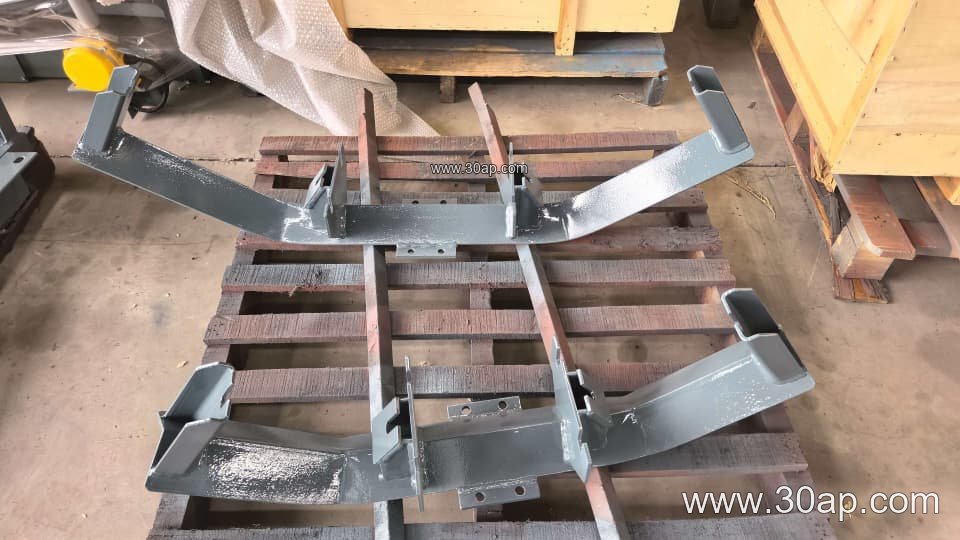
How the Assembly Is Built
Most units are fabricated from angle steel, channel steel or folded steel plate, then drilled and welded into a single rigid frame. The material choice matters: Q355 plate can be thinner than a Q235 equivalent while keeping similar strength, which keeps the bracket lighter and easier to install at height. Typical build details include:
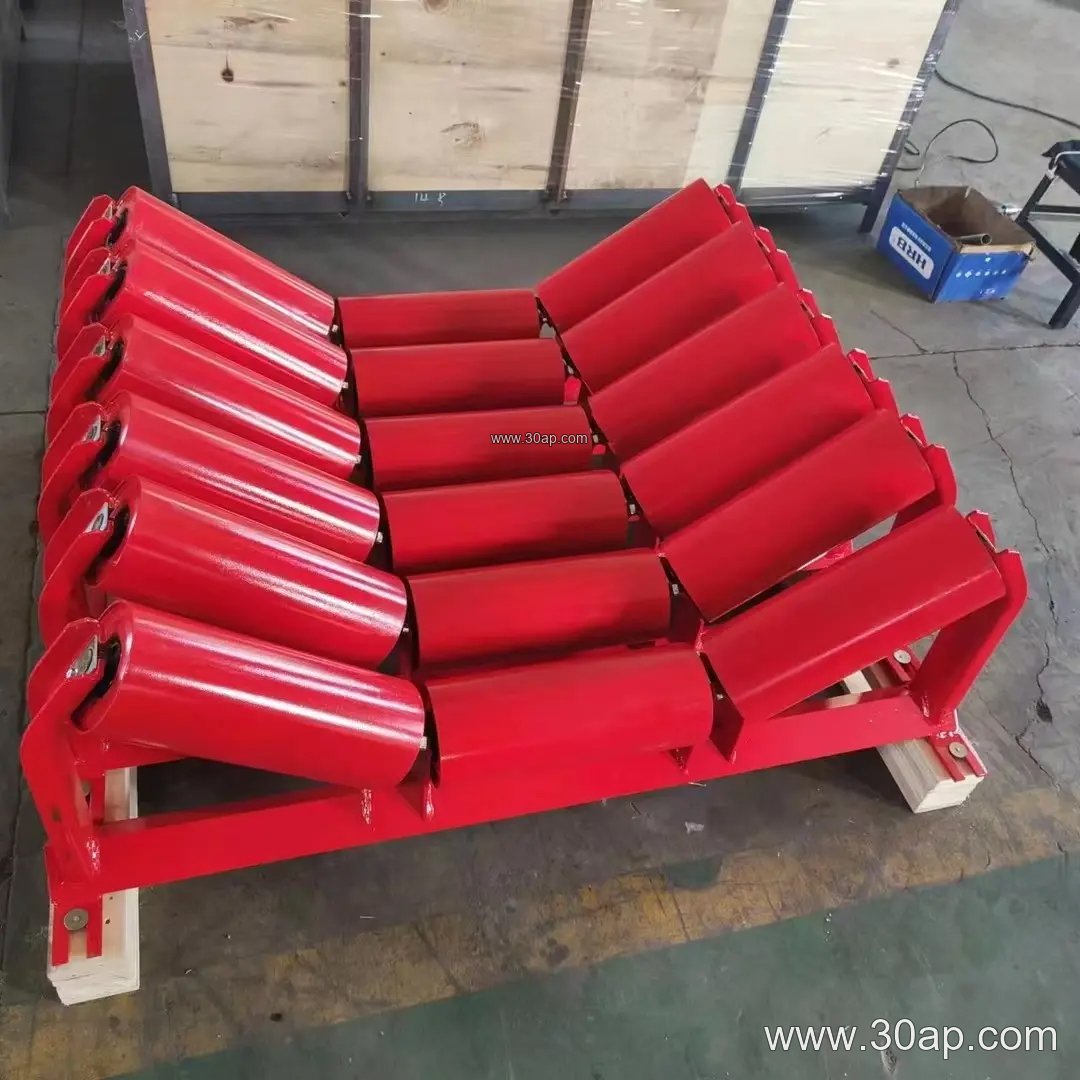
- Welded cross beam with drilled idler mounting slots
- Bolt-on or welded end plates for fixing to the conveyor stringer
- Adjustable arms or pin positions to set the trough angle
- Galvanized or painted finish for dusty and humid sites
The hole spacing and beam length are not fixed numbers; they follow the belt width, the trough angle and the roller diameter chosen for the line. A buyer should always confirm these dimensions against the actual conveyor drawing before ordering.
Common Forms and Where They Sit
The same Q355 bracket family covers several positions along a conveyor. Trough brackets support the carrying side, return brackets support the empty belt, and transition or impact brackets sit near loading points. Adjustable versions allow the trough angle to be changed on site, while fixed versions lock a single angle. The table below shows typical reference combinations; these are examples, not mandatory pairings.
| Bracket form | Belt width (reference) | Trough angle | Roller diameter (reference) | Typical position |
|---|---|---|---|---|
| Trough bracket, fixed | B800 | 35 degrees | Ø108 | Carrying side, straight run |
| Trough bracket, adjustable | B1000 | 20 to 45 degrees | Ø133 | Carrying side, variable profile |
| Trough bracket, fixed | B1200 | 45 degrees | Ø133 | High-capacity carrying side |
| Return bracket, V type | B650 | Not applicable | Ø89 | Return side, belt cleaning |
| Transition bracket | B1400 | 30 degrees | Ø159 | Near pulley and load zone |
| Impact bracket | B1600 | 35 degrees | Ø159 | Below loading chute |
Belt widths commonly range from B500 up to B2000 and beyond on large projects, and roller diameters usually fall between Ø89 and Ø194. A wider belt does not automatically dictate one trough angle or one roller size; the duty, material lump size and belt stiffness all influence the final choice. Forward-leaning brackets, often set at about 1.5 to 2 degrees, are used where belt training is a concern.
Applications Across Bulk Handling Industries
These brackets appear wherever a conveyor belt runs over idlers for long distances. In a quarry or stone crushing line, they support a quarry conveyor belt under sharp, heavy rock. In a coal preparation plant or underground coal mining conveyor system, flame retardant conveyor belt and anti-static conveyor belt are common, and the bracket frame must be robust enough to survive constant dust and moisture. Cement plants and power plant coal yards use them on long transfer lines, while port and ship loading conveyors rely on them for stable belt tracking at high tonnage.
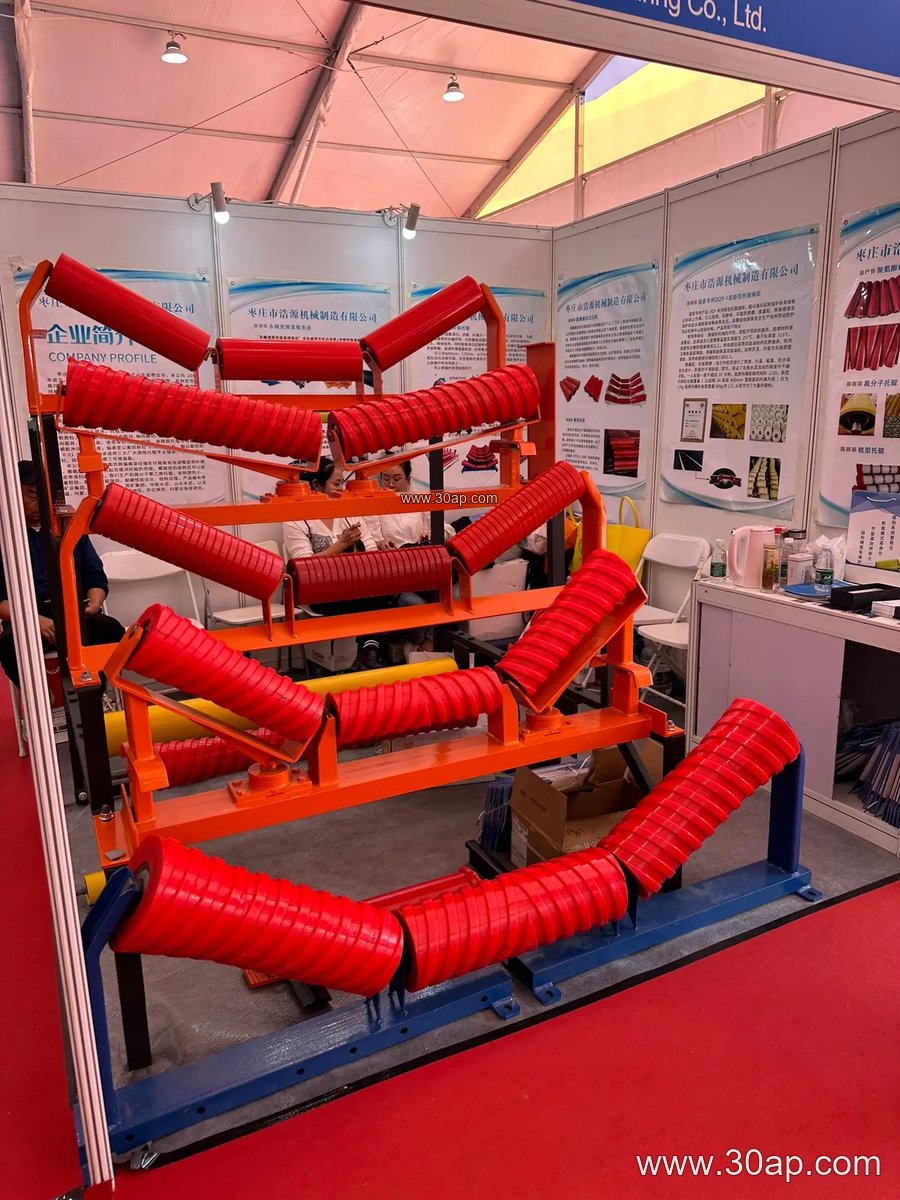
Other relevant environments include iron ore and copper ore handling, fertilizer and grain silos, and tunnel spoil removal. In each case, the bracket works together with the conveyor pulley, idler roller and belt to keep the line running smoothly.
What Buyers Should Check Before Ordering
Selection starts with the conveyor layout, not with a catalogue number. Confirm the belt width, the required trough angle, the roller diameter and the mounting hole pattern. Ask whether the bracket is fixed or adjustable, and whether the finish suits the site conditions. For corrosive or wet locations, a galvanized or painted surface is worth specifying. Also check that the bracket height matches the stringer and that the idler seats accept the chosen roller shaft.
During installation, align brackets in a straight line and tighten fasteners evenly; a small height difference between neighbouring frames can cause the belt to drift. Periodic inspection of welds, bolts and seat wear helps avoid unplanned stops. For replacement planning, keep a small stock of the most-used bracket forms on site. Buyers comparing suppliers can request dimensional drawings and material certificates for the Q355 steel, and should treat any quoted size as a design proposal until it is checked against the actual conveyor. More technical notes on belt and roller matching are available at conveyor belt and conveyor idler roller resources.