What a Port Belt Conveyor Pulley Does
A port belt conveyor pulley is the cylindrical component that drives, tensions, or redirects the conveyor belt in bulk material handling systems. Unlike a drive pulley that transmits power or a tail pulley that maintains belt tension, the port belt conveyor pulley often operates in demanding marine environments where salt, moisture, and continuous loading are present. These pulleys work alongside conveyor idler rollers and sturdy conveyor brackets to keep bulk materials moving from ship loaders to stockyards or from train unloading stations to storage silos.
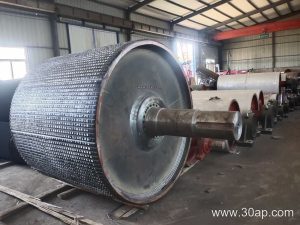
In port applications, the pulley must handle heavy loads from materials such as iron ore, coal, or limestone. The design often includes a robust shell, shaft, and bearing assembly. Surface options like diamond grooving or rubber lagging help maintain grip on the conveyor belt, especially when conditions are wet or dusty.
Construction and Key Components
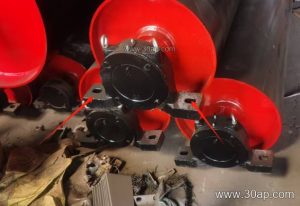
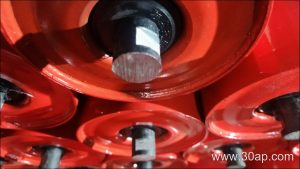
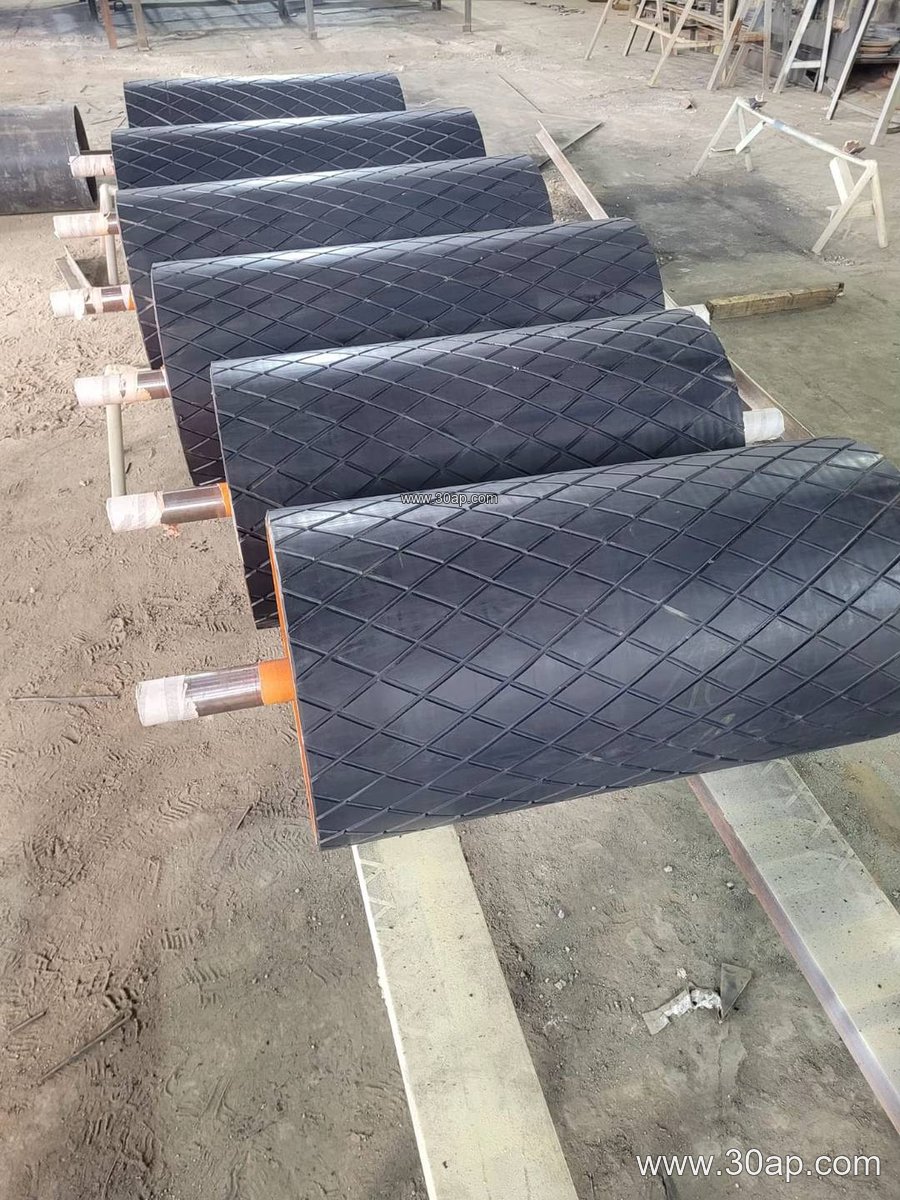
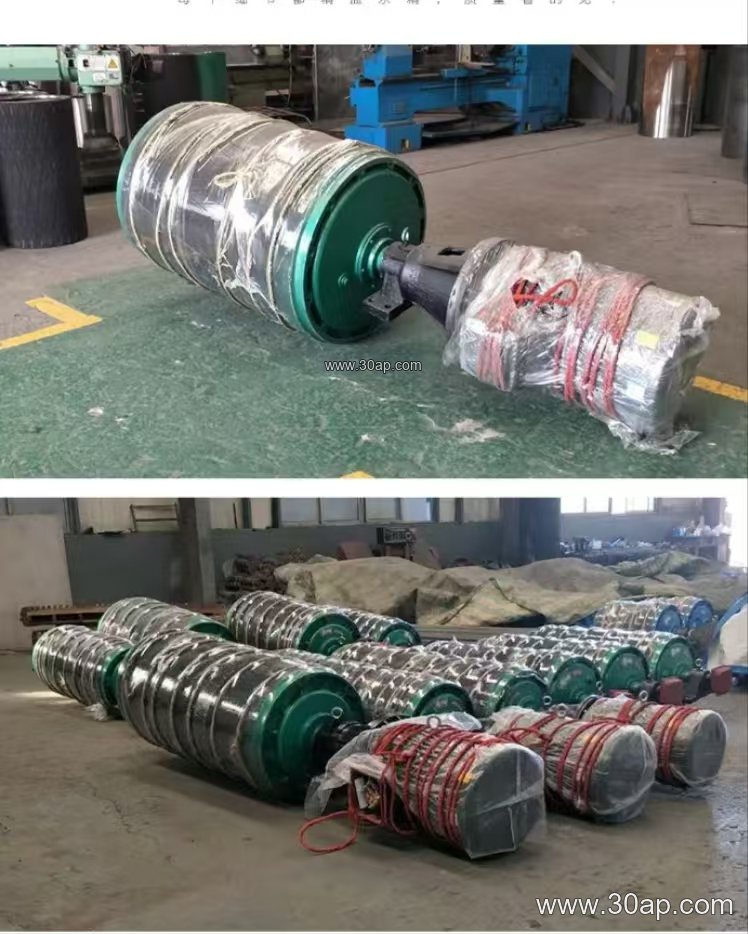
A typical port belt conveyor pulley consists of a steel shell, a through shaft or stub shafts, bearing housings, and a lagging layer. The shell is usually machined for balance and concentricity. Lagging can be flat rubber, diamond pattern, or ceramic tiles, depending on the required friction and wear resistance. For high-torque applications, the shaft diameter is determined by torque and load calculations—not simply by belt width. Common shaft sizes include Ø100, Ø120, Ø140, and Ø160, but these are selected per design.
Bearing selection is critical in port environments where dust and moisture are constant. Sealed spherical roller bearings with labyrinth seals are common. The pulley face width is normally wider than the belt to accommodate misalignment; for example, a B1200 belt often uses a pulley face around 1400 mm.
Common Applications in Ports and Terminals
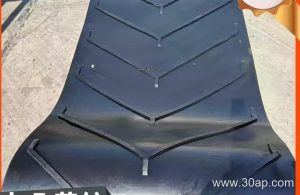
Port belt conveyor pulleys are found in ship loading and unloading systems, stockpile conveyors, and transfer points. They also appear in related industries such as cement plants, power plant coal handling, and steel plant raw material yards. In a ship loader, the pulley must withstand frequent starts and stops and possible impact from falling material. In stockyard conveyors, the pulley works with abrasion resistant conveyor belts to move iron ore or copper ore without excessive wear.
Other industries that rely on similar pulley designs include quarry operations, aggregate lines, and underground mining conveyors where flame retardant conveyor belts are required. The port environment, however, adds salt-laden air and variable humidity, so corrosion protection and regular inspection are essential.
Surface Options and Their Uses
Lagging choice depends on the material and operating conditions. Diamond rubber lagging improves traction and sheds water in wet ports. Ceramic lagging offers high wear resistance for abrasive materials like sinter or coke. Plain steel surfaces are used in non-drive positions where slip is not a concern. For cold climates, cold resistant conveyor belts may be paired with pulleys that have adequate lagging flexibility.
Common lagging thicknesses range from 8 mm to 20 mm. The pulley diameter and belt width combination should be checked against the conveyor design; for instance, a B800 × Ø500 pulley is a typical size for medium-duty stockyard conveyors, while a B1400 × Ø800 pulley might appear in high-capacity ship loader booms.
Buyer Checklist for Port Pulley Procurement
- Verify the required shaft diameter based on torque and radial load, not just belt width.
- Confirm the pulley face width exceeds the belt width by a suitable margin.
- Specify lagging type and thickness for the material being handled—diamond, ceramic, or plain.
- Check bearing seal protection level for dust and moisture.
- Ensure the pulley is balanced for the intended belt speed.
- Request material certificates and dimensional inspection reports.
When integrating with a new conveyor system, consider the compatibility with conveyor idler rollers, conveyor brackets, and the selected conveyor belt. A mismatch in pulley diameter or lagging can cause tracking problems or premature belt wear.
Maintenance Practices for Long Service Life
Regular inspection of lagging wear, bearing temperature, and shaft alignment prevents unexpected downtime. In port operations, wash-down and salt spray demand periodic greasing and seal checks. Keeping the pulley clean and monitoring belt tracking help extend the life of both the pulley and the conveyor belt. For abrasive materials, consider high abrasion resistant conveyor belts to reduce the load on the pulley surface.
Spare parts planning should include at least one complete pulley assembly for critical conveyors. Store pulleys in a dry, covered area to avoid corrosion before installation.
For more information on conveyor components and belt selection, visit our site at www.example.com/conveyor-pulley or www.example.com/port-conveyor. Our team can help match pulleys with the right conveyor belt and idler roller combinations for your port or industrial application.