What an Intermediate Bend Pulley Does
An intermediate bend pulley is a redirecting drum positioned along the conveyor path, most often on the return strand, to guide the belt around an angle, adjust its wrap on a drive or tail pulley, or route it around structural obstacles. It is not a drive pulley and not a tail pulley; those parts transmit torque or provide belt tension at the ends of the system. The intermediate bend pulley simply changes belt direction with minimal power loss when it is sized and placed correctly.
In a quarry conveyor line or a cement plant clinker transport route, a bend drum allows the belt to clear a transfer chute or follow a compact structural frame. Because it carries only the belt and a short section of material-free return strand in most layouts, its load profile differs from a head or tail drum. That difference matters when selecting bearings, shaft diameter, and shell thickness.
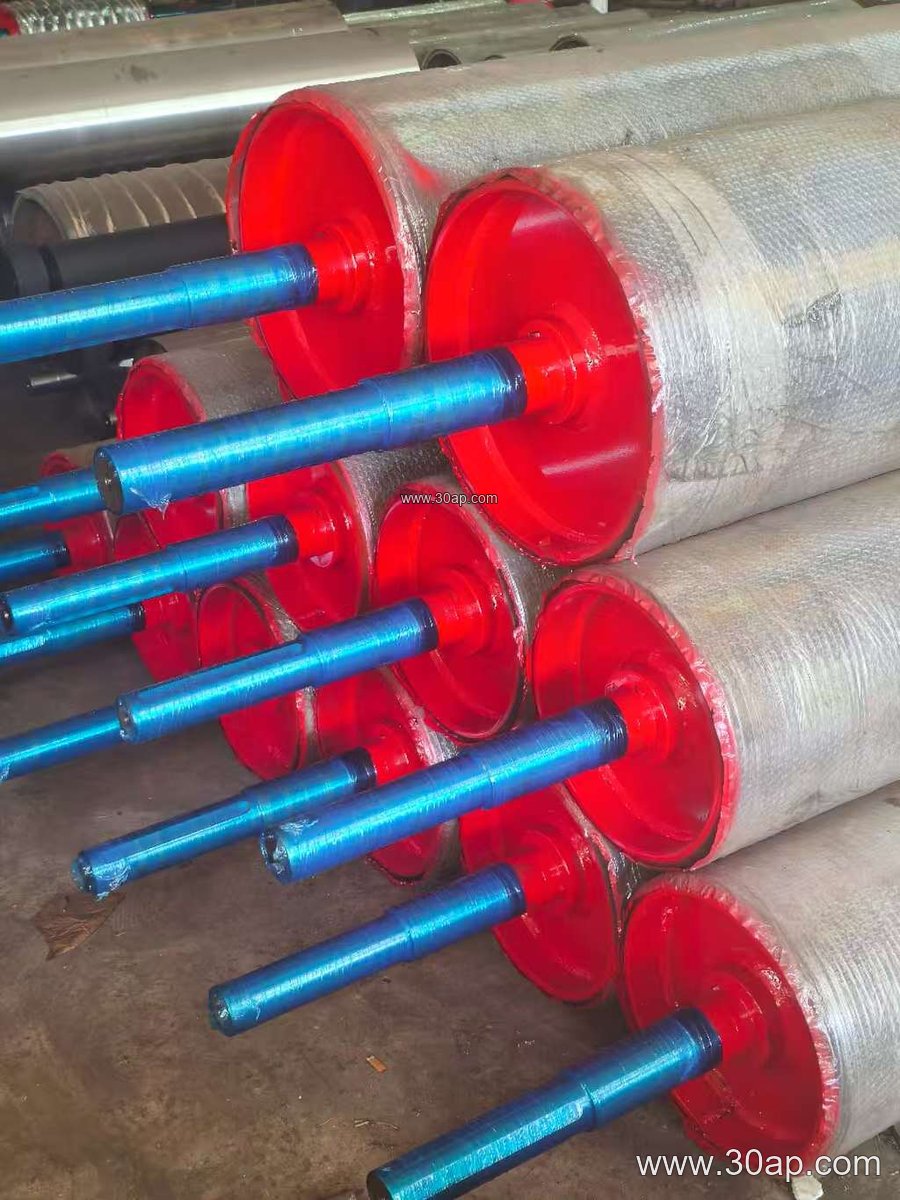
Construction and Surface Options
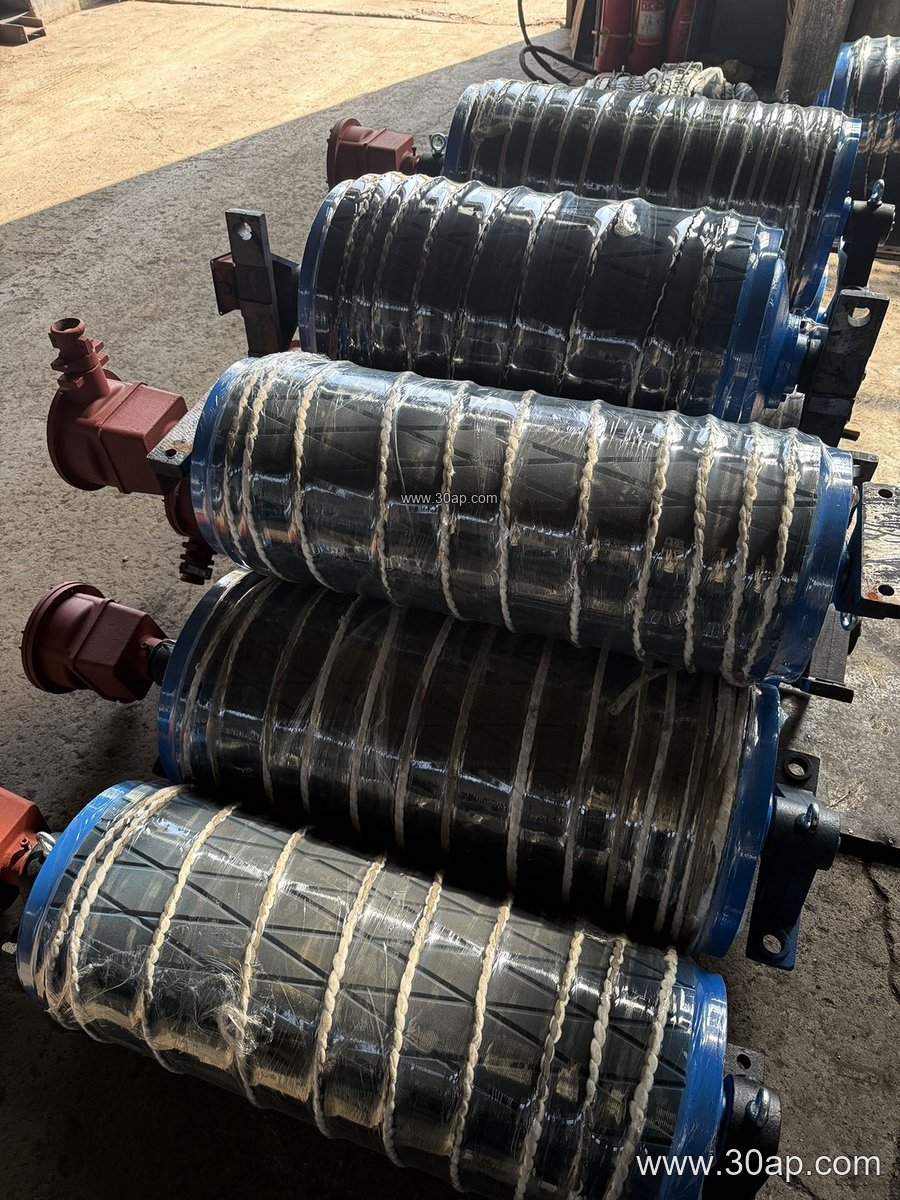
The core is usually a welded steel shell with machined end discs and a through shaft. Common diameters for intermediate bend pulleys range from Ø200 to Ø800 in many bulk handling layouts, with larger drums used where the belt is stiff or the wrap angle is substantial. Face width normally exceeds belt width so the belt stays fully supported during minor tracking movement. For example, a B800 belt often runs on a pulley face around 950 mm, and a B1200 belt on roughly 1400 mm face width. These are reference relationships, not fixed rules.
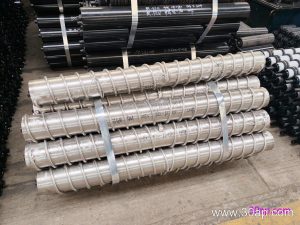
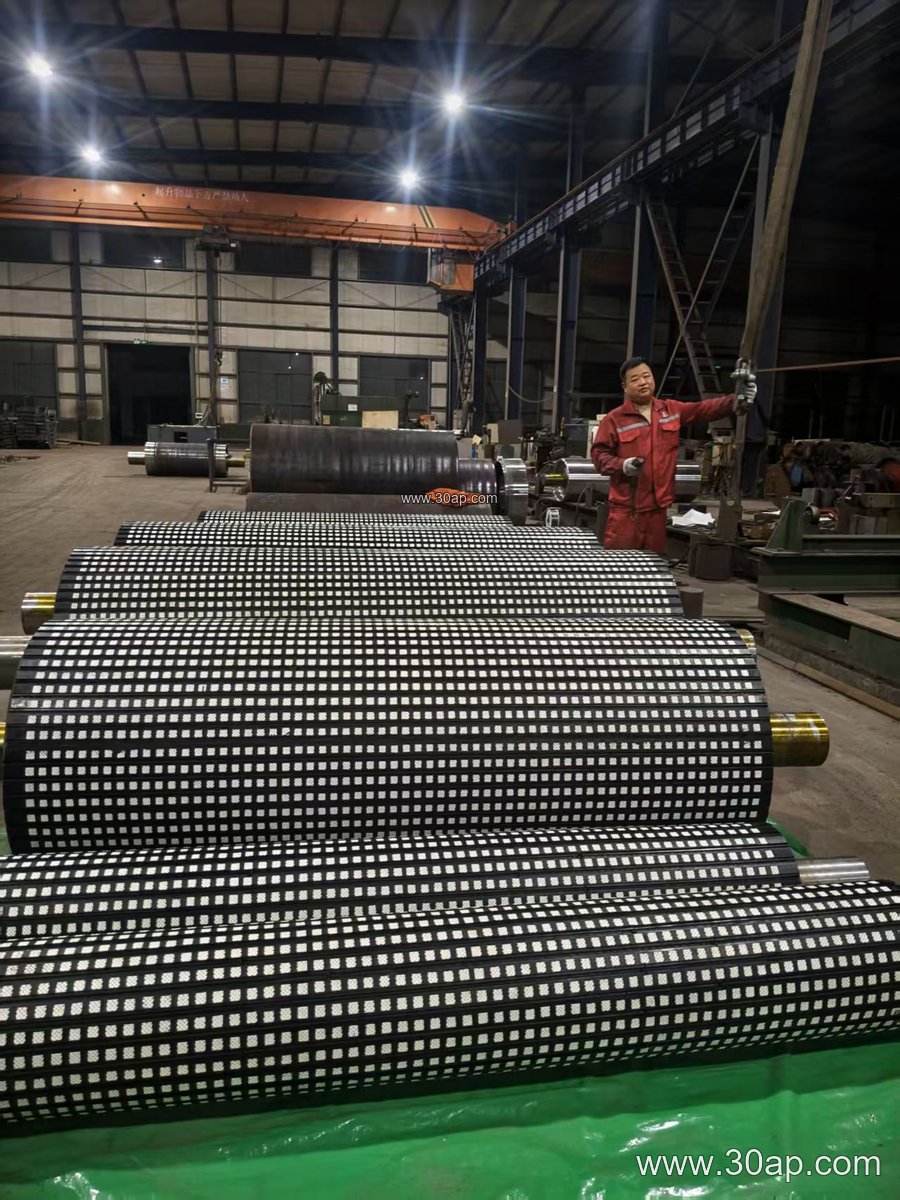
Surface finish depends on the duty. Plain steel is common where the pulley only redirects a clean return strand. Rubber lagging, either cold-bonded or hot-vulcanized, improves friction and sheds fines. Diamond or herringbone grooving helps water and dust escape under the belt. Ceramic lagging is chosen where abrasive dust is heavy but slip is not the main concern. Lagging thickness is often 8 mm to 15 mm for bend positions, with thicker covers reserved for high-tension or wet conditions.
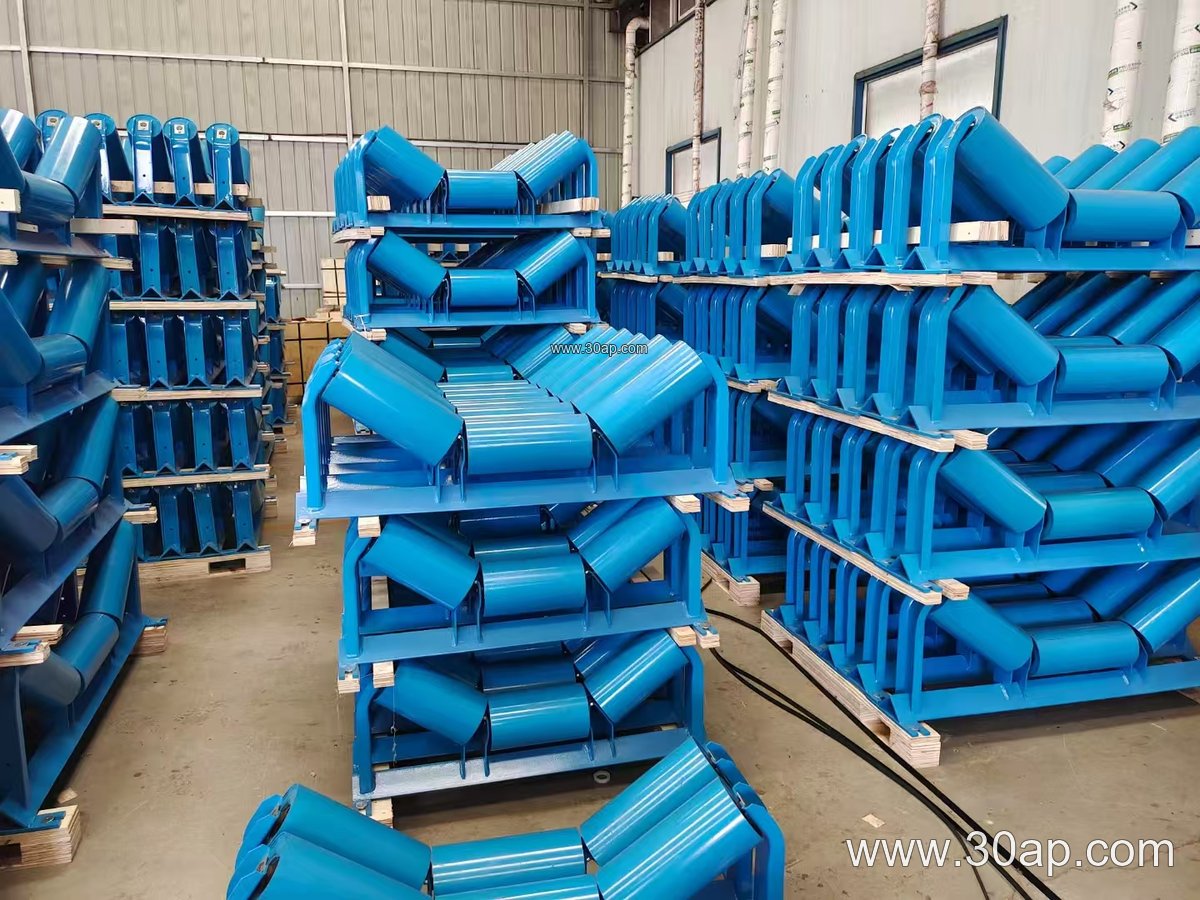
Typical reference dimensions
| Belt width | Typical pulley face | Common diameter range | Typical shaft range |
|---|---|---|---|
| B500 | 600 mm | Ø250–Ø400 | Ø60–Ø80 |
| B650 | 750 mm | Ø315–Ø500 | Ø70–Ø90 |
| B800 | 950 mm | Ø400–Ø630 | Ø80–Ø100 |
| B1000 | 1150 mm | Ø500–Ø800 | Ø90–Ø120 |
| B1200 | 1400 mm | Ø630–Ø1000 | Ø100–Ø140 |
Shaft diameter must be calculated from torque, belt tension, and bearing span, not copied from belt width alone. A B1200 intermediate bend pulley may use Ø100 mm or Ø140 mm shaft depending on the actual layout and load.
Where It Fits in the Conveyor
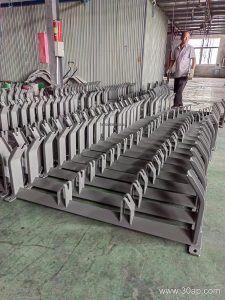
In an underground coal mining conveyor, a bend pulley may route the return belt around a roadway pillar. In a power plant coal handling system, it can keep the belt clear of a transfer house floor. In a sand and gravel plant, it often appears between the head section and the take-up to increase wrap on a drive pulley or to shorten the structural span. The part works alongside the conveyor belt, idler roller sets, and conveyor bracket assemblies, but its job is directional rather than load-bearing for material.
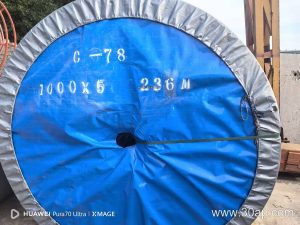
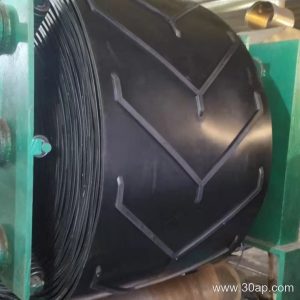
When the conveyor uses a heavy-duty mining conveyor belt or a steel cord conveyor belt with limited flexibility, the intermediate bend pulley diameter should be large enough to avoid excessive bending stress. Fabric core belts such as EP conveyor belt or NN conveyor belt grades generally tolerate smaller drum diameters than steel cord constructions. A chevron conveyor belt or corrugated sidewall conveyor belt may also require a larger bend drum because the raised profile limits how tightly the belt can wrap.
Selection Checks for Buyers
- Confirm the belt width, belt type, and minimum allowable pulley diameter from the belt manufacturer.
- State the wrap angle and belt tension at the bend point, not just the conveyor capacity.
- Choose lagging based on dust, water, and slip risk; plain face is acceptable for many clean return positions.
- Check bearing size and shaft diameter against the actual load, and confirm the pulley face clears the structure.
- Verify that the intermediate bend pulley is not being asked to replace a drive pulley or tail pulley function.
For a quarry conveyor belt or an aggregate conveyor belt running abrasive rock, a rubber-lagged bend drum with a wear-resistant cover usually lasts longer than a plain shell. For a food grade conveyor belt or a heat resistant conveyor belt, the lagging compound and bearing seals must match the environment. In every case, the intermediate bend pulley should be treated as a redirect component with its own load and wear profile, not as a spare drive or tail drum.