What a 2200mm Conveyor Belt Is
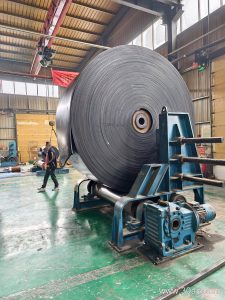
A 2200mm conveyor belt is an extra-wide belt built for conveyor systems that move large volumes of bulk material in a single pass. At this width, the belt is usually specified as a heavy-duty conveyor belt rather than a general-purpose line item, because the carcass, cover rubber and splice all have to carry loads that grow with belt width. In practice, the 2200mm size often appears on main haulage lines in mining, coal preparation, cement plants, power plants, ports and large sand and gravel yards.
The same product is also described as a 2200mm wide conveyor belt when buyers compare it with narrower widths such as 1800mm or 2000mm. It is not a different product category, just a clear statement of the belt width.
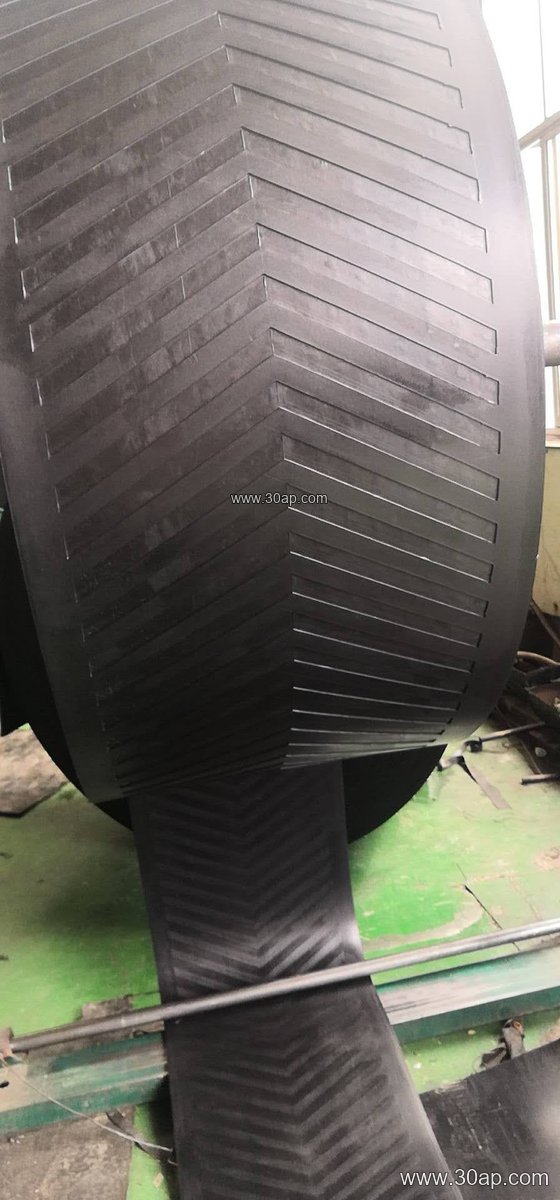
Construction and Common Configurations
A wide belt of this size is normally a fabric core conveyor belt or a steel cord conveyor belt. Fabric designs use multiple plies of EP or NN fabric, while steel cord designs use brass-plated wires for very high tension and long center distances. Cover rubber grade follows the duty: abrasion resistant, heat resistant, oil resistant, flame retardant or anti-static compounds are all possible.
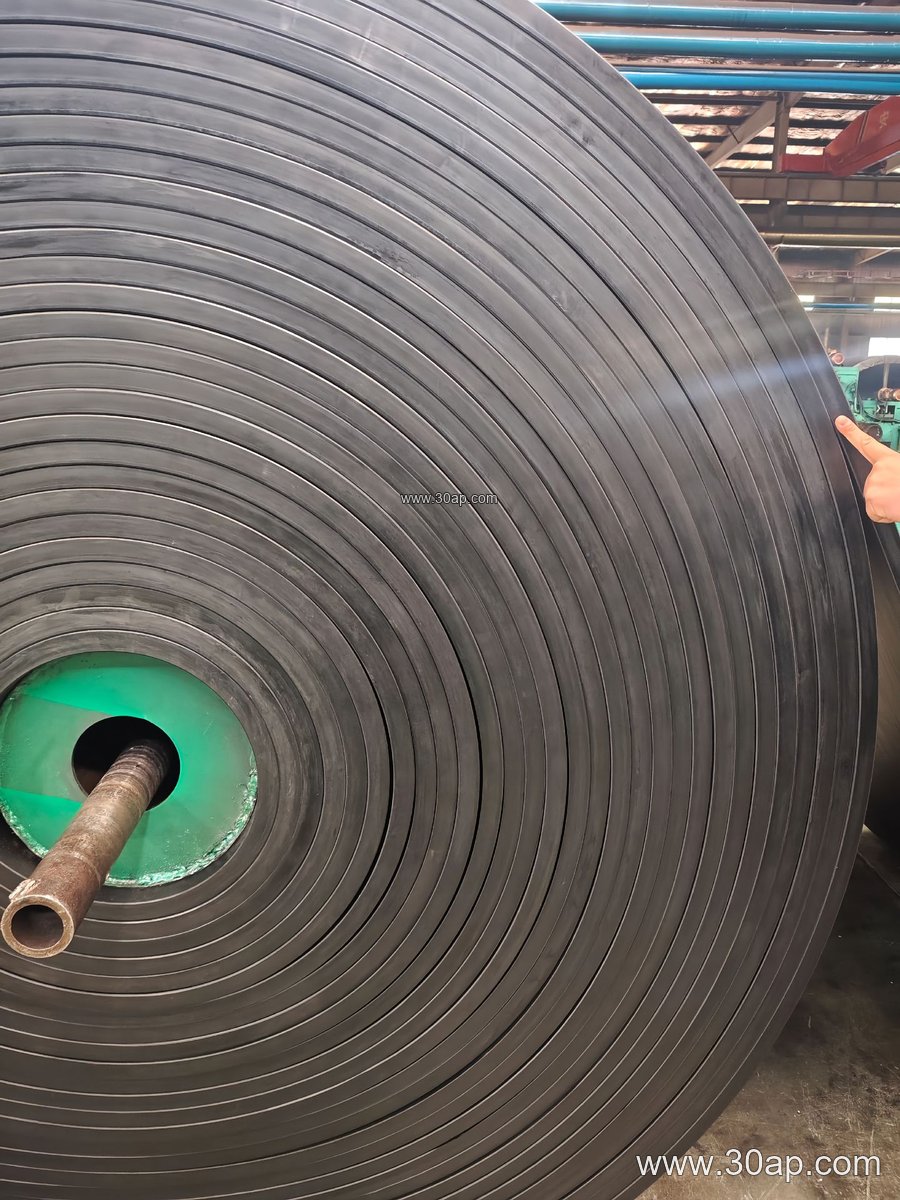
Typical reference data for this width class is shown below. Values are common ranges and should be confirmed by the belt designer for each conveyor.
- Belt width: 2200mm (B2200)
- Fabric types: EP conveyor belt, NN conveyor belt, multi-ply fabric core
- Common EP grades: EP400, EP500, EP630, EP800, EP1000, EP1250
- Steel cord grades: ST1000, ST1250, ST1600, ST2000
- Cover thickness examples: 6+2mm, 8+3mm
- Ply count: usually 3 to 6 for fabric cores
Reference Specification Table
| Item | Common Options | Notes |
|---|---|---|
| Belt width | 2200mm | Extra-wide class |
| Carcass | EP, NN, steel cord | Selected by tension |
| EP strength | EP630 to EP1250 | Higher grades for long runs |
| Steel cord strength | ST1250 to ST2000 | For high-tension mainlines |
| Cover grade | Abrasion, heat, oil, flame retardant | Matched to cargo |
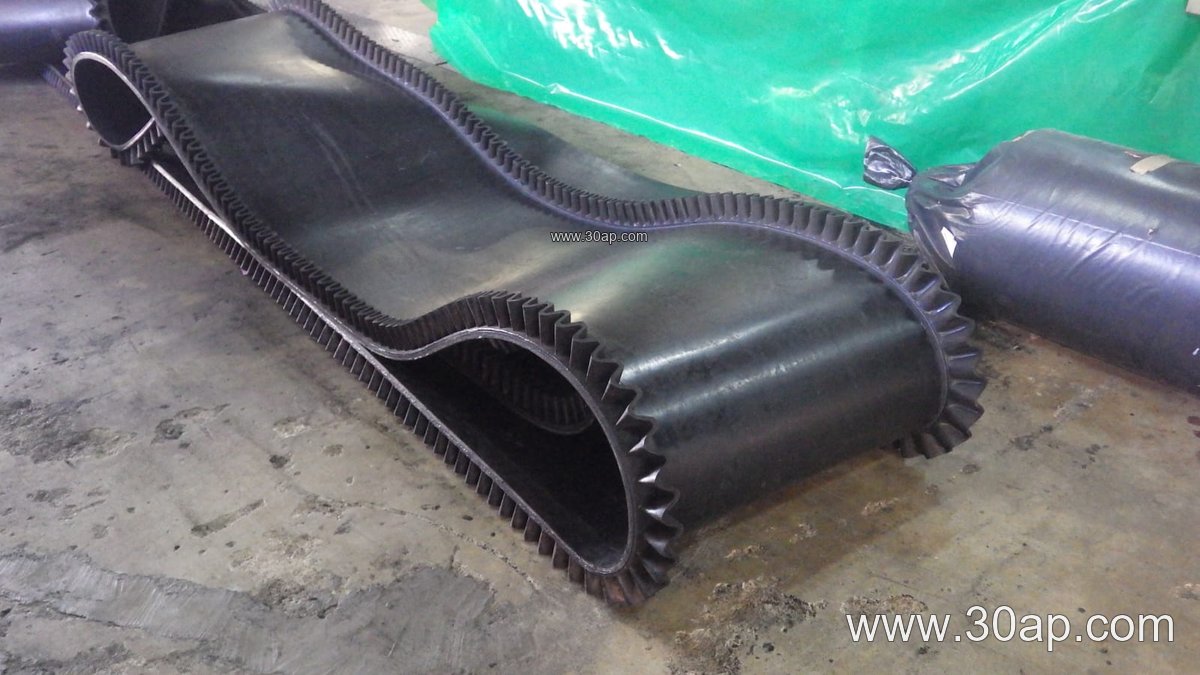
| Surface form | Plain, chevron, corrugated sidewall | Chevron and sidewall add height control |
Where the 2200mm Width Fits
This width is common on high-capacity trunk conveyors. In an iron ore or copper ore terminal, a 2200mm conveyor belt can carry ore from a crusher discharge to a stockpile or ship loader. In a coal mining conveyor belt system, flame retardant and anti-static grades are usual. Cement plants use heat resistant conveyor belts after clinker coolers, while power plants rely on abrasion resistant conveyor belts for coal and limestone.
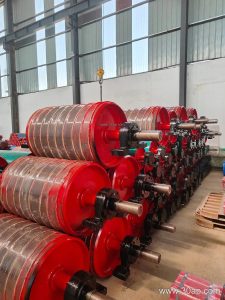
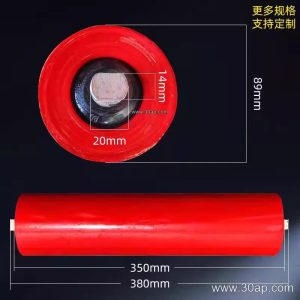
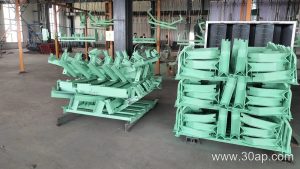
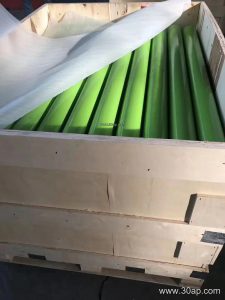
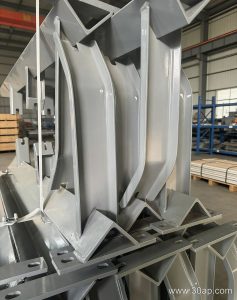
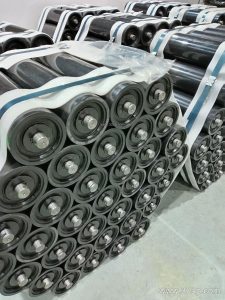
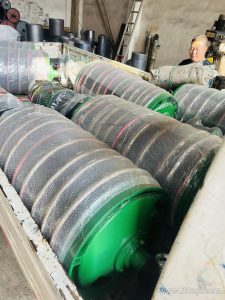
The belt works with conveyor pulleys, idler rollers and conveyor brackets sized for the same duty. Drive pulleys, tail pulleys and bend pulleys each have their own role and are not interchangeable. A 2200mm belt also needs a properly rated pulley face width and a take-up that can handle the extra mass.
Buyer Checklist
Before ordering, define the material, lump size, capacity, trough angle and center distance. Then confirm the required tensile grade, cover thickness and cover grade. Ask for the splice method, because a wide belt is often spliced on site and the joint quality affects uptime. For dusty or underground work, specify flame retardant and anti-static properties. For cold sites, a cold resistant cover is worth considering.
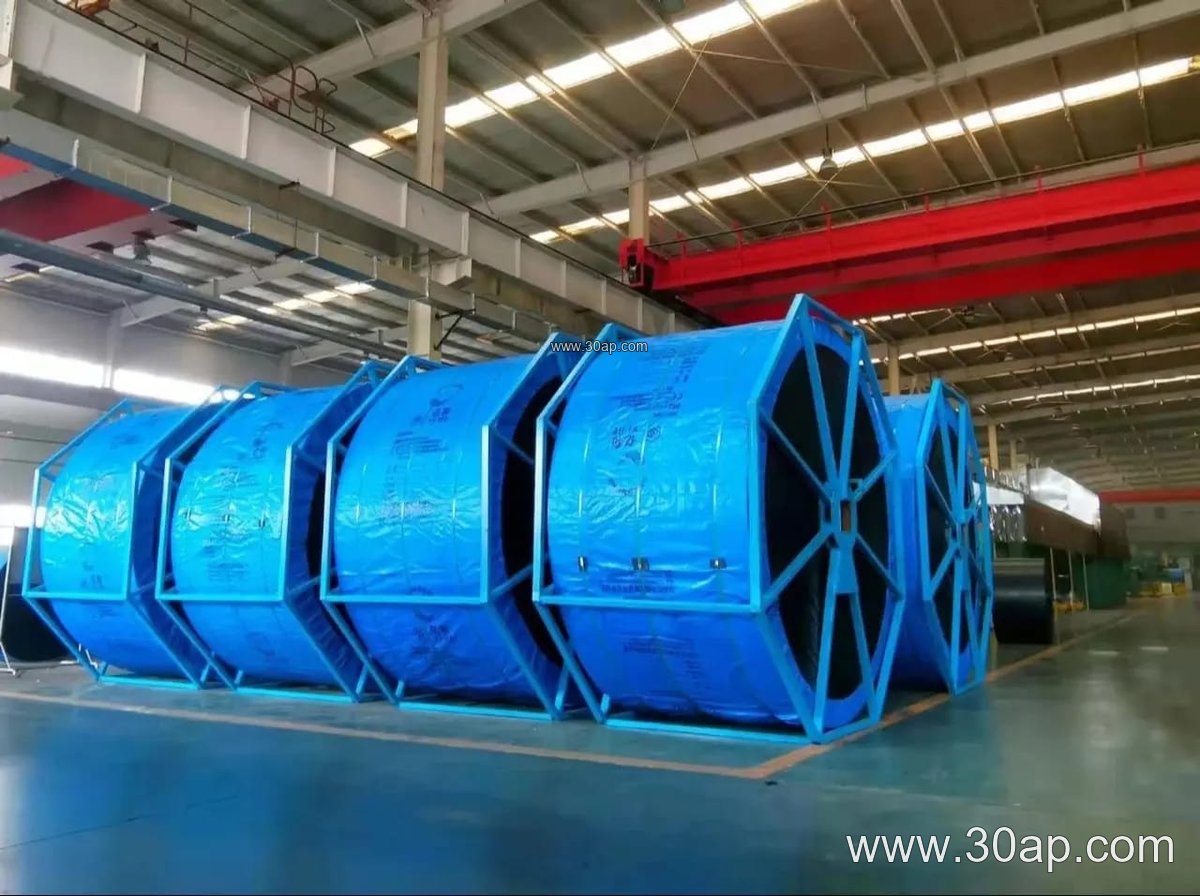
Also check the belt’s edge condition and whether a chevron or corrugated sidewall profile is needed to prevent material rollback. Buyers sourcing wide belts can review options at www.example.com/2200mm-conveyor-belt and compare grades such as EP1000 and ST1600 for the same width.
Installation and Maintenance Notes
A 2200mm belt is heavy, so lifting plans and trained crews matter. Align idler rollers and pulleys carefully during installation to avoid edge damage. Check belt tracking after the first few shifts, and inspect covers for cuts and embedded material. Keep the conveyor bracket and frame clean so that spillage does not push the belt off line. Regular inspection of pulleys and idlers helps extend belt life in quarry, aggregate and mining service.