What a Take-Up Device Pulley Does
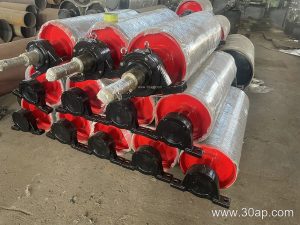
A take-up device pulley is the drum that works inside a conveyor’s tensioning station. It does not carry the main material load like a head pulley; instead, it holds the belt in a loop that can be lengthened or shortened so the belt keeps a steady tension as it stretches, contracts, and wears. In a gravel line or a cement plant clinker circuit, this small adjustment range often decides whether the belt tracks cleanly or slips on the drive. The same component is also called a tension pulley or take-up drum, and operators in coal handling and power plant coal yards use all three names.
Because the take-up carriage moves, the pulley must stay square to the belt while sliding along its guides. That makes alignment and bearing support just as important as the drum shell itself.
Construction and Surface Options
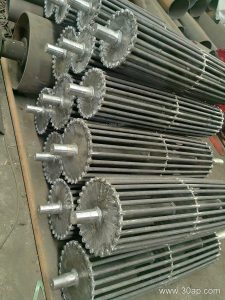
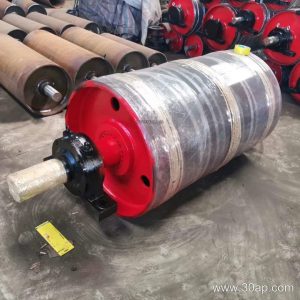
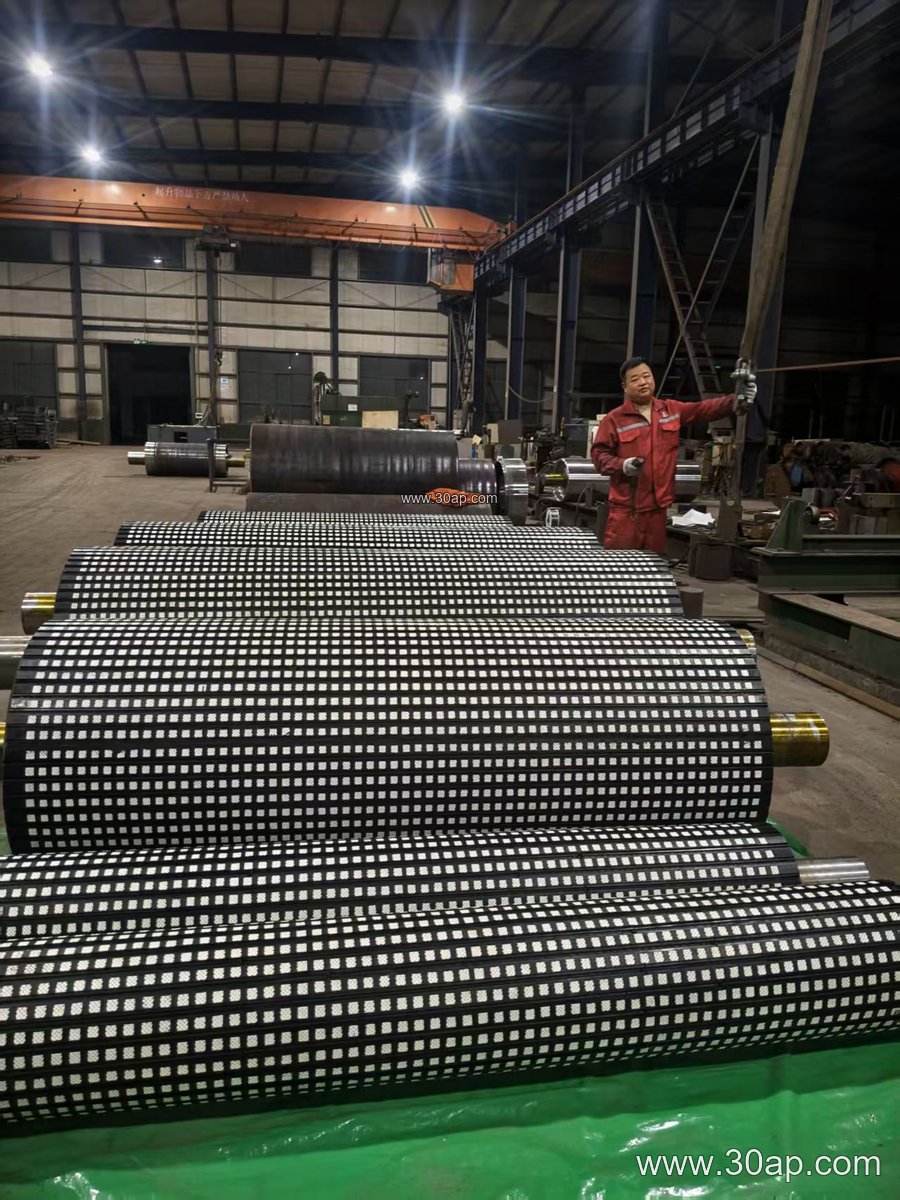
Most units combine a welded steel shell, a shaft sized by torque and load, and a pair of bearing housings that bolt to the moving carriage. Shell ends are usually dished or flanged to keep the belt centered. Surface treatment depends on the job:
- Plain finish for light tension rollers where slip is not a concern
- Cold-bonded rubber or hot-vulcanized rubber for general grip and wear life
- Diamond or herringbone lagging where the belt tends to wander
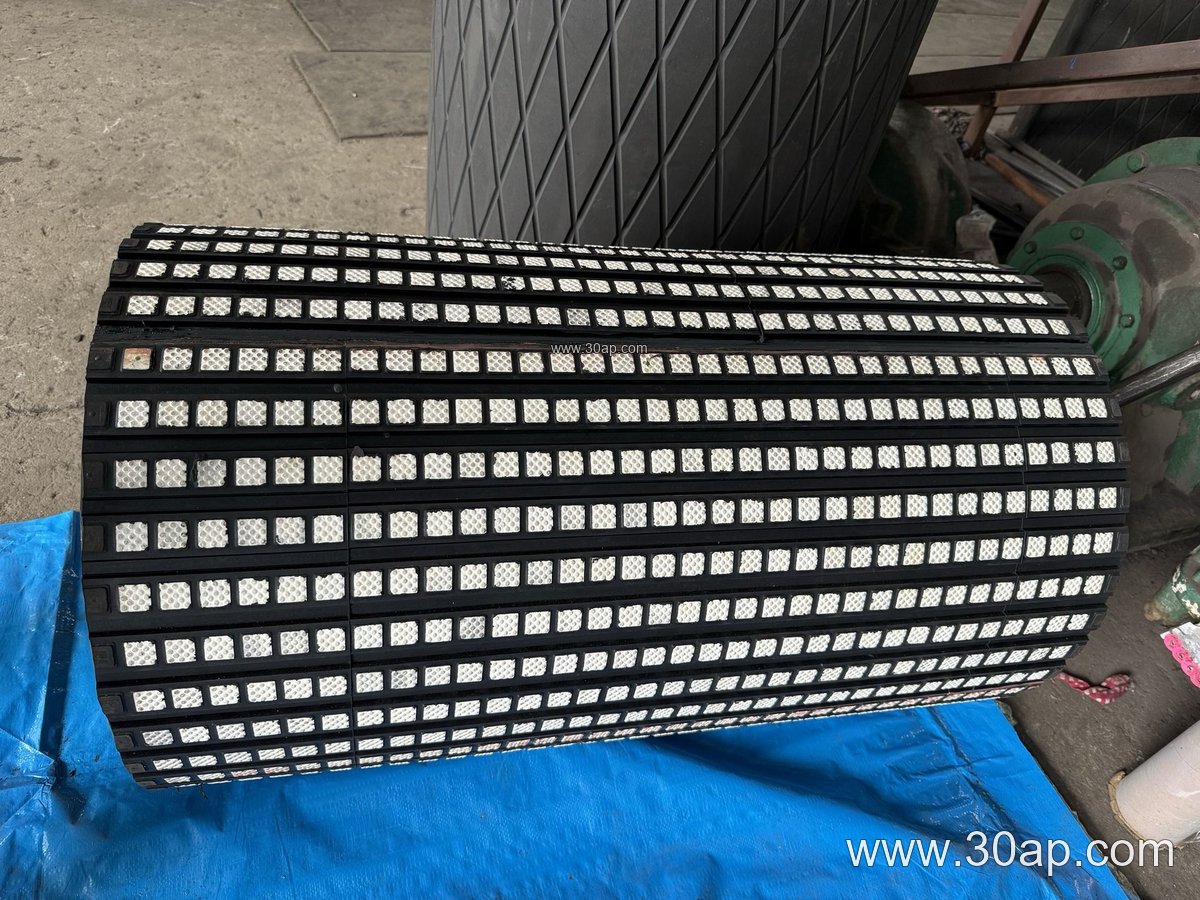
- Ceramic lagging in wet, abrasive service such as quarry dewatering
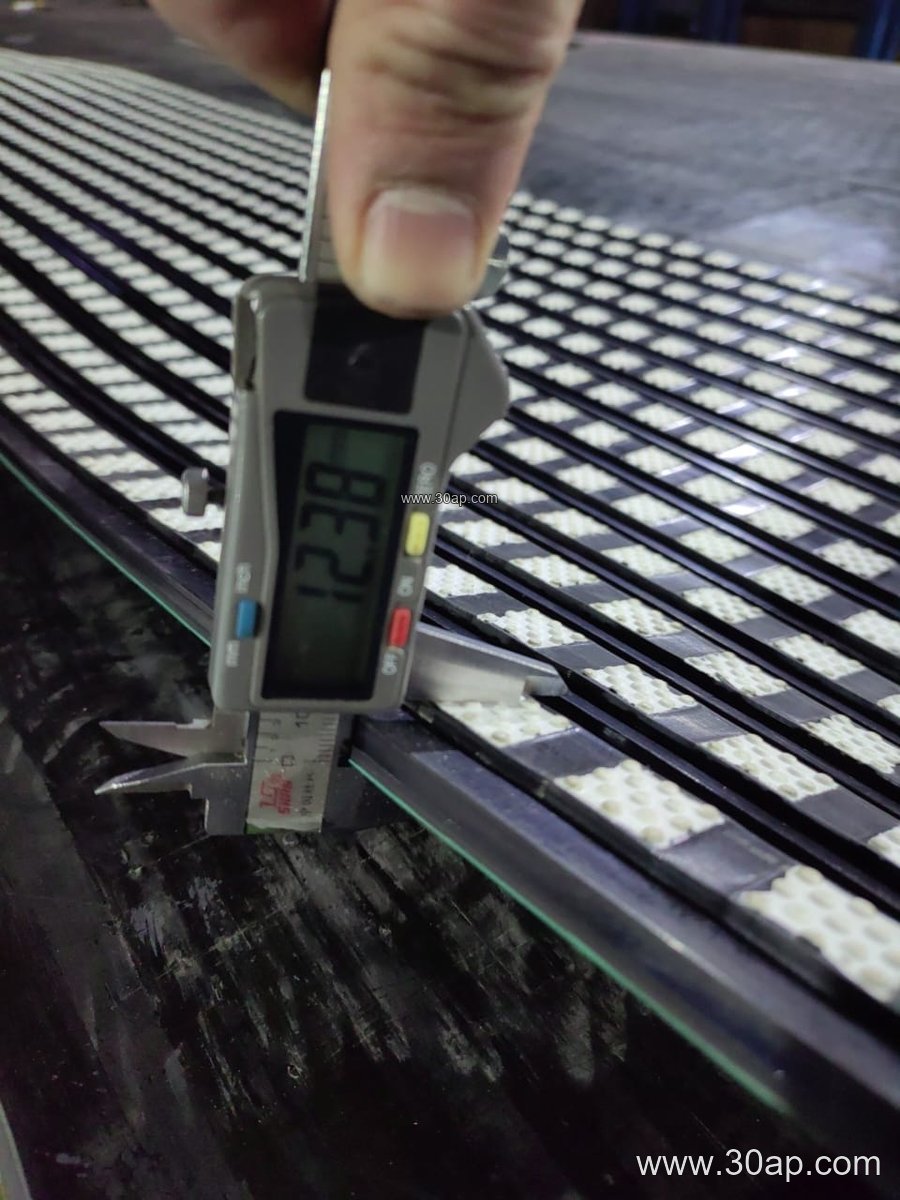
Lagging thickness commonly runs 8, 10, 12, 15 or 20 mm. A thicker cover gives more wear reserve but adds weight and inertia, so it should match the duty rather than be chosen by habit.
Typical Applications
Take-up stations appear wherever belt length changes with temperature or load. In an iron ore or copper ore terminal, a heavy-duty mining conveyor belt expands in the sun and needs continuous take-up. In a coal mining conveyor belt system underground, space is tight, so short-travel take-up frames are common. Aggregate plants and crusher conveyor belt lines often use a screw or gravity carriage with a single take-up device pulley. The drum is not a drive pulley, tail pulley or bend pulley, and it should not be swapped with them; each position has its own load direction and wrap angle.
On long overland runs with a steel cord conveyor belt, the take-up travel can be several meters, and the pulley diameter is chosen with the belt’s minimum bend radius in mind. For fabric constructions such as EP conveyor belt or NN conveyor belt, a smaller drum is often acceptable.
Sizing Notes for Buyers
There is no fixed rule that ties one belt width to one drum diameter. The table below shows common reference combinations; final values are set by the conveyor designer.
| Belt width | Typical pulley face width | Reference diameter |
|---|---|---|
| B650 | about 750 mm | Ø400 to Ø500 |
| B800 | about 950 mm | Ø500 to Ø630 |
| B1000 | about 1150 mm | Ø630 to Ø800 |
| B1200 | about 1400 mm | Ø800 to Ø1000 |
| B1400 | about 1600 mm | Ø1000 to Ø1250 |
Shaft diameter is calculated from torque and bearing load, not taken from the belt width. Common shaft sizes include Ø80, Ø100, Ø120, Ø140 and Ø160, but a wide, heavily loaded drum may need much more. Buyers should supply the belt tension, wrap angle, carriage travel and environmental conditions rather than only a width figure.
Selection and Maintenance Checks
Confirm that the pulley face is wider than the belt, that lagging suits the material, and that the bearing seals handle dust and water. In a limestone mine or a fertilizer plant, fine dust can enter a housing quickly, so sealed or regreasable bearings matter. Check that the carriage guides keep the drum parallel; uneven travel causes edge wear and belt mistracking.
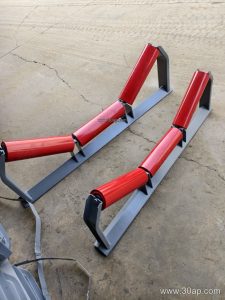
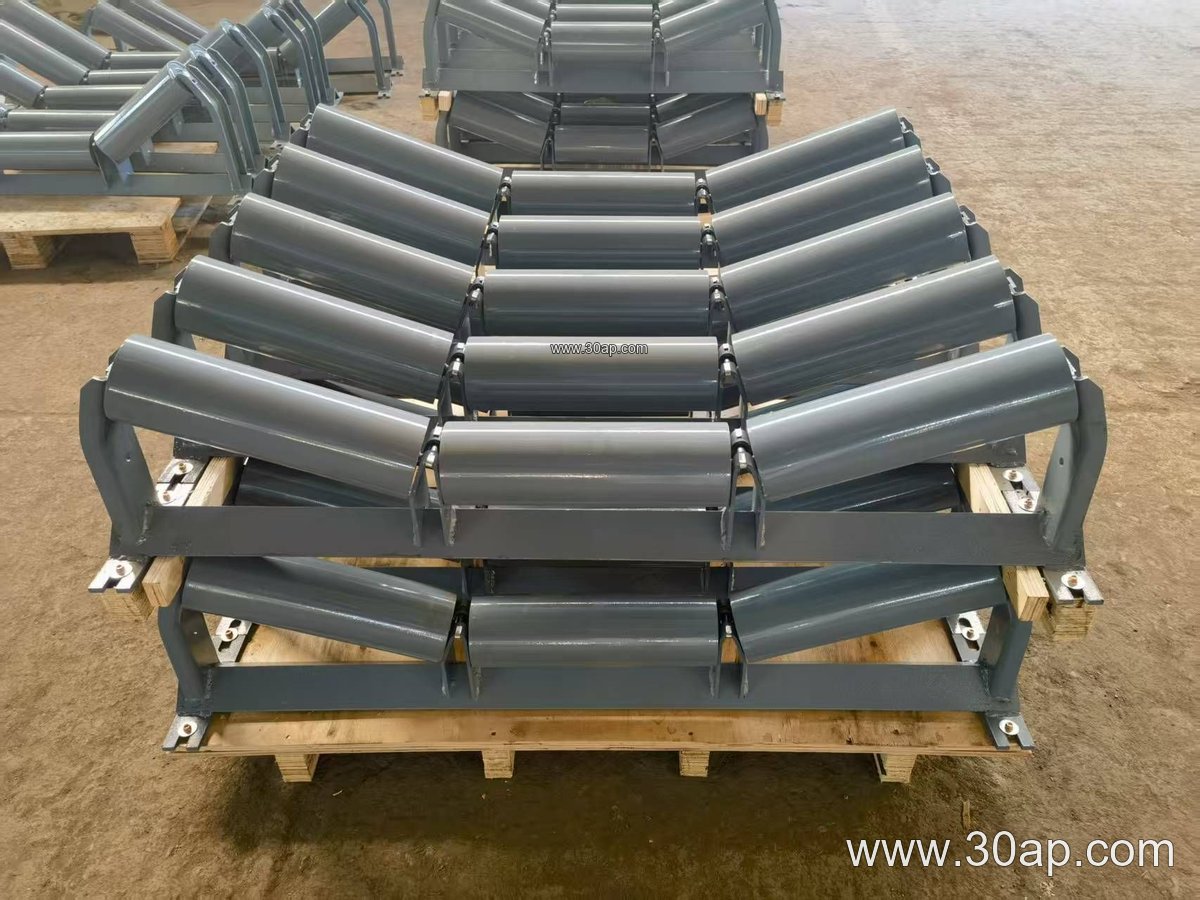
During service, watch for lagging wear, shell cracks near the shaft weld, and loose bearing bolts. Replace lagging before the belt starts slipping, and recheck tension settings after any belt splice. Related parts such as the idler roller set, conveyor bracket and conveyor pulley frame should be inspected at the same time so the whole tensioning station stays aligned.