What the Sand Making Plant Conveyor Belt Does
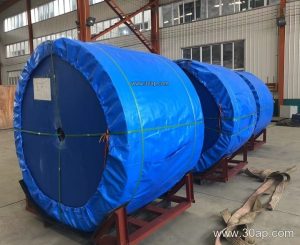
The Sand Making Plant Conveyor Belt is the moving element that links a jaw or cone crusher, a vertical shaft impactor, a vibrating screen and the finished sand stockpiles. In a sand and gravel plant, material does not simply fall from one machine to the next; it is carried at a controlled rate so that each crusher receives a steady, well-graded feed. The belt therefore has to tolerate sharp, angular crushed rock, fine abrasive sand, and the occasional surge when a screen deck is overloaded.
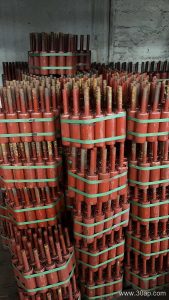
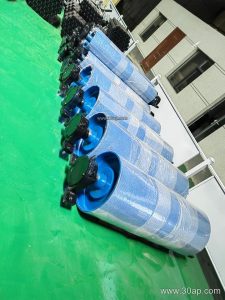
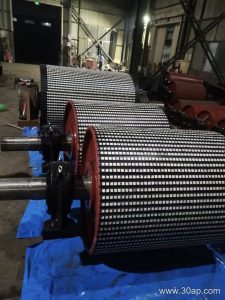
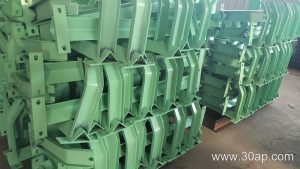
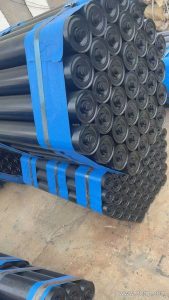
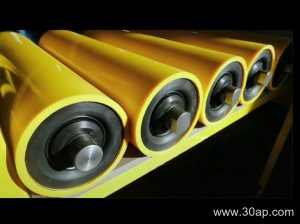
Because the duty is continuous and often dusty, the belt is selected together with the conveyor pulley, idler roller and conveyor bracket that support it. A well-matched belt and frame reduce spillage, tracking problems and downtime in the quarry, aggregate yard or cement plant where the line operates.
Construction of the Belt
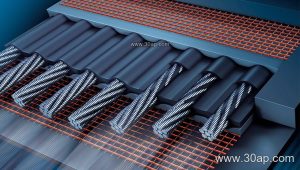
Most belts used in sand production are fabric-cored. An EP conveyor belt uses polyester warp and nylon weft, while an NN conveyor belt uses nylon in both directions. Both are fabric core conveyor belt designs, and multi-ply fabric core conveyor belt construction is common where impact resistance matters. For long, high-tension runs, a steel cord conveyor belt may be chosen instead.
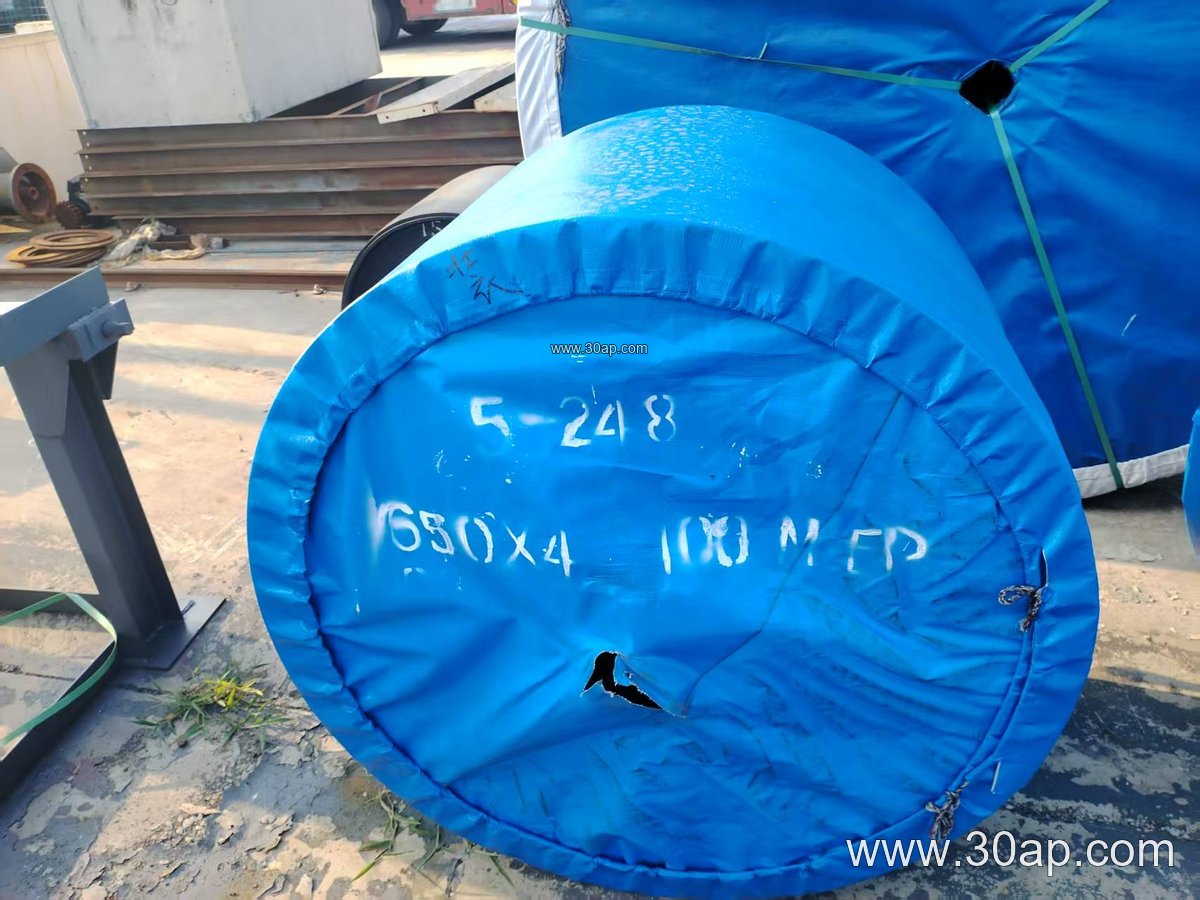
The carcass is protected by rubber covers. A typical specification might use a 6+2 mm cover, with 3+1.5, 4+2, 5+2 and 8+3 mm also available depending on the duty. The top cover resists abrasion from crushed stone, and the bottom cover protects the carcass from the idler roller surface. An abrasion resistant conveyor belt grade is usual for sand making, while a heat resistant conveyor belt or flame retardant conveyor belt is added when the process or site regulations demand it.
Common Specifications
Values below are reference ranges, not fixed supply promises. Final dimensions follow the conveyor design and the manufacturer’s data.
| Parameter | Typical options |
|---|---|
| Belt type | EP conveyor belt, NN conveyor belt, steel cord conveyor belt, PVC or PVG where appropriate |
| Strength grade | EP200, EP315, EP400, EP500, EP630, EP800, EP1000, EP1250 |
| Belt width | B500, B650, B800, B1000, B1200, B1400, B1600 |
| Cover thickness | 3+1.5, 4+2, 5+2, 6+2, 8+3 mm |
| Carcass plies | Usually 2 to 6 plies |
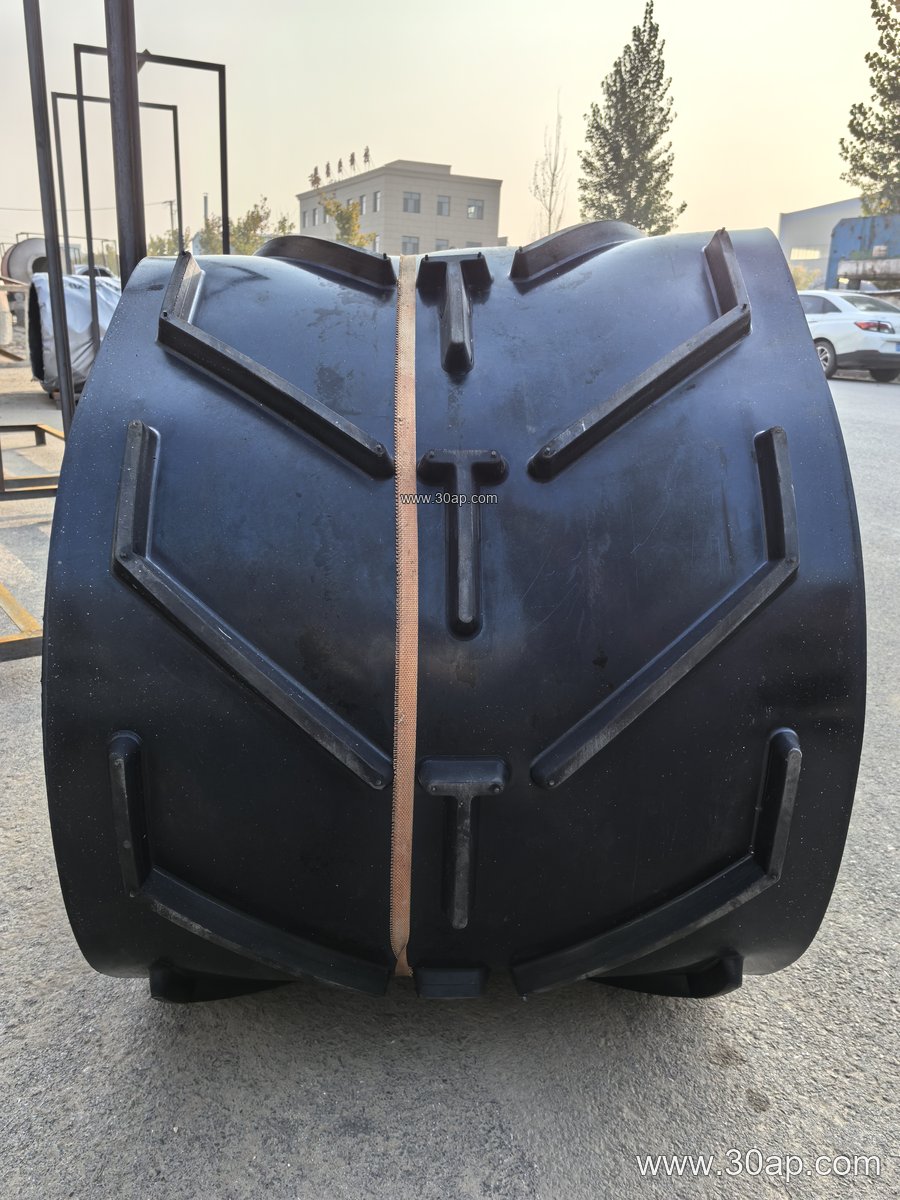
| Surface form | Plain, chevron conveyor belt, corrugated sidewall or skirted conveyor belt |
Belt width and pulley diameter are matched by conveyor design, not by a single fixed rule; a 1000mm belt, for example, may run on different pulley sizes in different plants.
Where It Is Used
The same belt family appears across many industries. In a quarry conveyor belt line it carries blasted rock to the primary crusher. As a crusher conveyor belt it returns oversize material from the screen. An aggregate conveyor belt moves graded stone between stockpiles, and a cement conveyor belt feeds raw material and clinker. Power plant conveyor belt systems handle coal, while a port conveyor belt or ship loading conveyor belt moves bulk material at the quay.
Underground mining conveyor belt and coal mining conveyor belt installations often require flame retardant and anti-static properties. Ore conveyor belt duties in iron ore and copper ore plants call for high abrasion resistance. A bulk material conveyor belt of the heavy-duty conveyor belt class is normal wherever tonnage is high and the drop point is severe.
Buyer Checklist
- Confirm the actual material: sharp crushed stone needs more impact and abrasion protection than rounded sand.
- Check the conveyor pulley and idler roller condition; worn idlers shorten belt life more than most operators expect.
- Match cover thickness to the drop height and lump size, and consider a corrugated sidewall conveyor belt or skirted conveyor belt if spillage is a problem.
- For inclined sections, a chevron conveyor belt may help hold material, but confirm the cleat height clears the conveyor bracket and frame.
- Ask for the carcass type and ply count, not only the cover thickness.
- State the ambient and material temperature so a heat resistant or cold resistant grade can be quoted correctly.
For sand making lines, record the belt width, strength grade, cover gauge and splice type before ordering. A spare endless conveyor belt or a pre-spliced section can shorten unexpected stoppages, and consistent tracking depends as much on the pulley alignment and idler roller spacing as on the belt itself.