What an Anti-Material-Buildup Idler Does
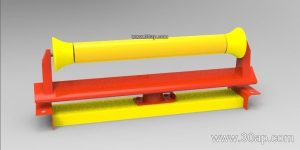
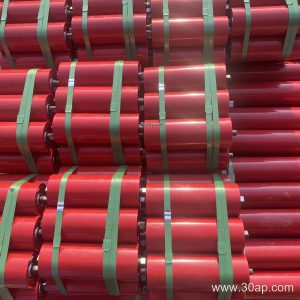
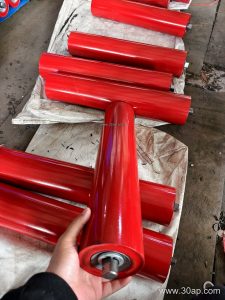
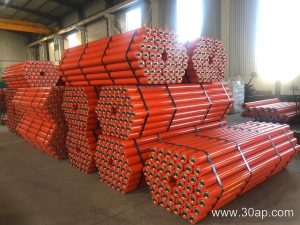
An anti-material-buildup idler is a conveyor idler roller designed to resist the accumulation of sticky, wet, or fine materials on its surface. In industries such as coal mining, cement plants, power plant coal handling, and aggregate operations, carryback and spillage can cling to standard idlers, causing belt misalignment, increased wear, and downtime. This specialized idler keeps the roller surface cleaner, reducing maintenance and improving conveyor reliability.
Also known as a buildup-resistant idler or self-cleaning idler, it is not a replacement for drive pulleys, tail pulleys, or bend pulleys. Those are conveyor pulleys with distinct roles in power transmission and belt routing. The anti-material-buildup idler is a carrying or return idler, often used in the same frame as conventional troughing or flat return idlers.
Construction and Design Features
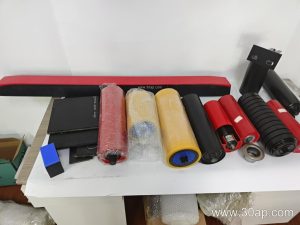
These idlers typically use a steel tube shell with a special surface treatment or geometry to discourage material adhesion. Common approaches include:
- Spiral or helical ribs welded onto the shell to break up clinging material as the roller turns.
- Rubber or polyurethane discs arranged along the shaft, creating a self-cleaning effect.
- Smooth, polished shells with minimal surface roughness to reduce stickiness.
- Sealed bearing housings with multiple labyrinth seals to keep fines out.
The roller diameter may range from Ø89 to Ø159 mm, depending on belt width and load. Bearing sizes such as 6205, 6305, or 6308 are common, selected to match the shaft and load requirements. The roller length is determined by the belt width and troughing configuration; for example, a three-roll troughing set on a B1000 belt often uses a center roll length around 380 mm, but side rolls can differ. These are typical references, not fixed rules.
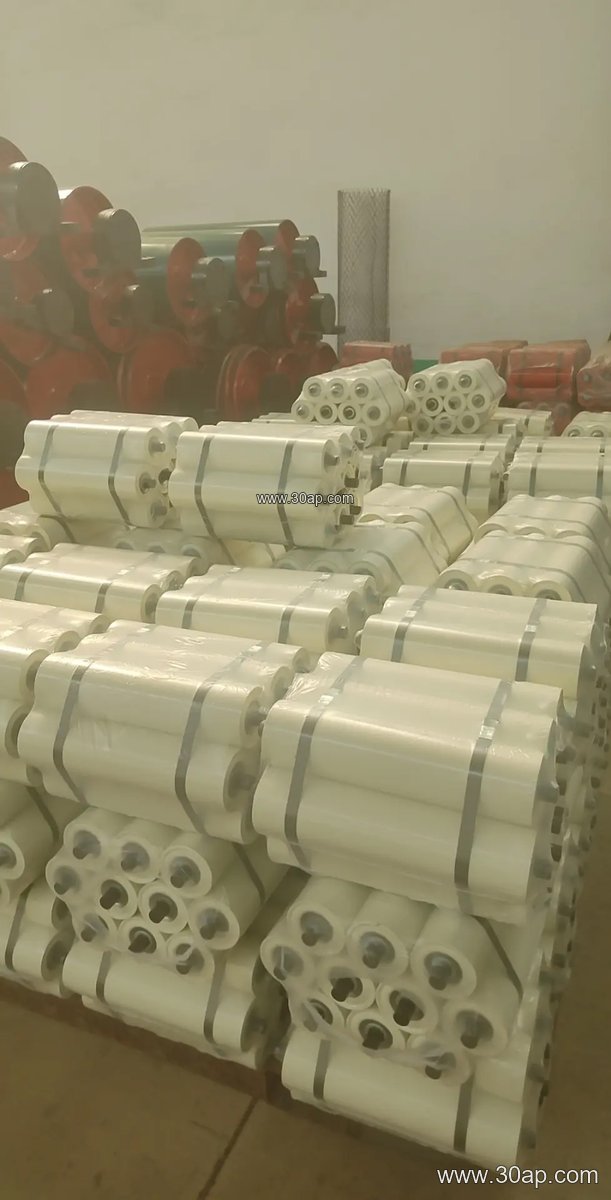
Surface options include plain steel, rubber rings, or ceramic coating for extra abrasion resistance. The choice depends on the material being conveyed—for instance, wet coal in a coal mining conveyor belt system may benefit from rubber discs, while fine cement dust might favor a smooth shell with sealed bearings.
Where It Is Used
Anti-material-buildup idlers are especially valuable in applications where the conveyed material is prone to sticking:
- Coal mining and washing plants: Wet coal and coal slime can build up on return idlers, causing belt tracking issues.
- Cement plants: Fine cement dust and clinker fines adhere to roller surfaces, leading to vibration and premature bearing failure.
- Power plant coal handling: Coal with high moisture content can cling to idlers, especially in humid conditions.
- Aggregate and quarry operations: Muddy or clay-rich materials can coat standard idlers.
- Fertilizer and chemical plants: Hygroscopic materials may accumulate on rollers.
They are often installed on the return side, where carryback is most likely to drop onto idlers, but can also be used on the carrying side in problematic zones. In a coal mining conveyor belt system with a flame retardant conveyor belt, using buildup-resistant idlers helps maintain safety and efficiency.
Selection and Sizing Considerations
When choosing an anti-material-buildup idler, consider the belt width, material characteristics, and operating environment. The idler diameter should be adequate for the belt speed and load; larger diameters (e.g., Ø127 or Ø133 mm) are common for heavier belts. Bearing selection must match the radial load and shaft size—do not assume a fixed bearing for a given roller diameter. Seal quality is critical: in dusty or wet conditions, multi-labyrinth seals with grease retention are preferred.
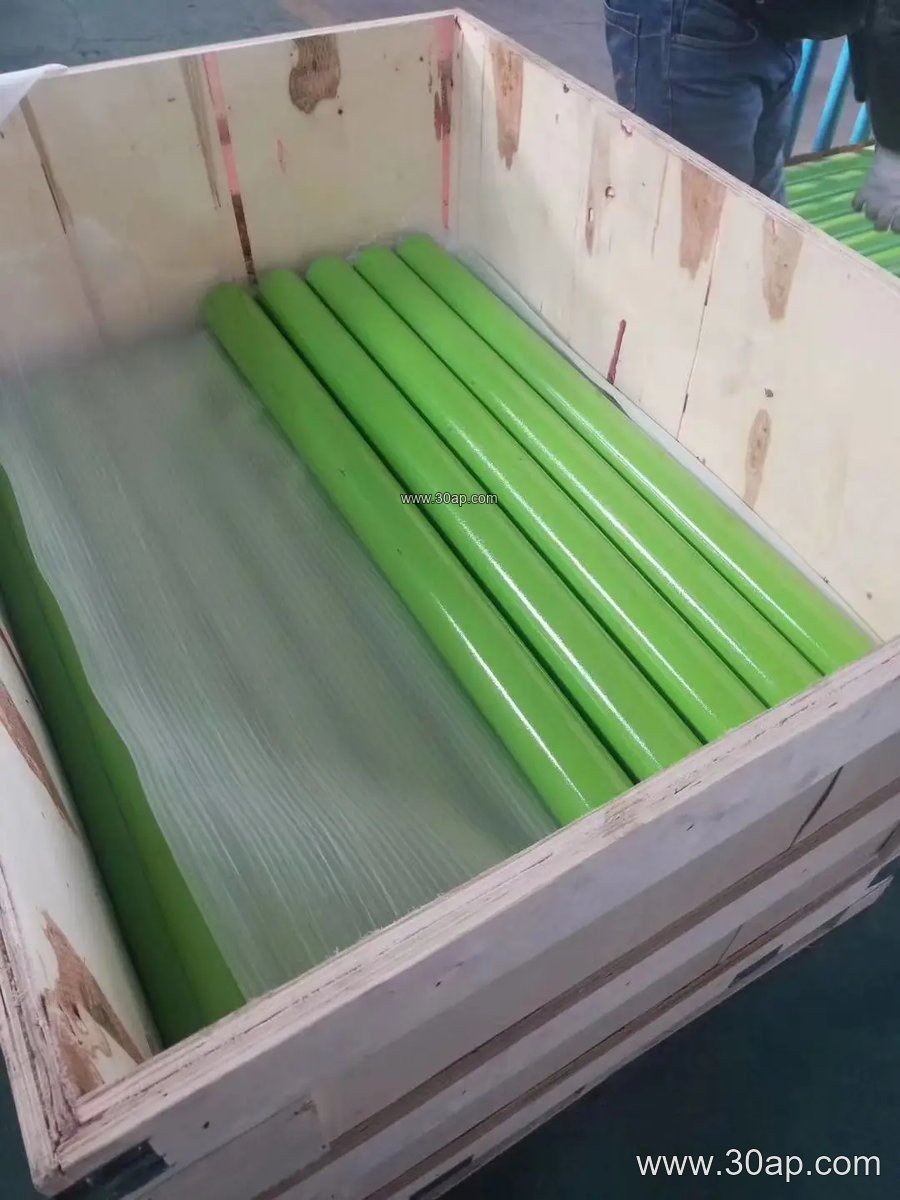
The trough angle (20°, 30°, 35°, or 45°) affects material containment and should match the existing conveyor frame. For transition zones, transition idlers with smaller trough angles may be needed. The roller length must correspond to the belt width and troughing set; for example, a B1200 belt with a 35° troughing set might use a center roll length around 465 mm, but this varies with design. Always consult the conveyor manufacturer for exact dimensions.
Maintenance is minimal but important: periodic inspection of seal integrity and roller rotation helps prevent buildup from causing belt damage. In harsh environments, using an abrasion resistant conveyor belt alongside buildup-resistant idlers can extend the service life of the entire system.
Compatibility with Conveyor Components
Anti-material-buildup idlers work with standard conveyor brackets and frames, making them easy to retrofit. They are often used with rubber conveyor belts, EP conveyor belts, and steel cord conveyor belts in bulk material handling. For high-moisture applications, pairing them with a chevron conveyor belt or corrugated sidewall conveyor belt can improve material containment. However, they are not a substitute for proper belt cleaning systems; primary and secondary cleaners should still be used to reduce carryback.
In summary, selecting the right anti-material-buildup idler involves matching roller diameter, bearing size, seal type, and surface design to the specific material and conveyor layout. By reducing buildup, these idlers contribute to longer belt life, lower maintenance costs, and smoother operation in demanding industries.