What a Vertical Guide Idler Does
A vertical guide idler is a roller assembly mounted in a vertical orientation, usually at the edges of a conveyor belt, to keep the belt tracking within its intended path. Instead of supporting the belt from below like a carrying idler, this roller presses against the belt edge or sidewall and corrects lateral drift before it becomes a serious misalignment. In quarries, aggregate lines, and cement plants, a vertical guide idler is often fitted where the belt enters a transfer point, a bend section, or a long straight run that is prone to sway.
The same component is also called a vertical guide roller or edge guide roller. These are accurate equivalent names for the same product, and maintenance teams may use any of them when ordering spare parts.
Construction and Mounting Details
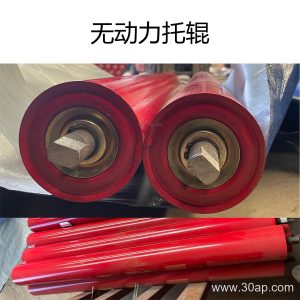
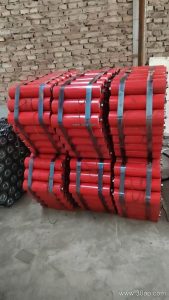
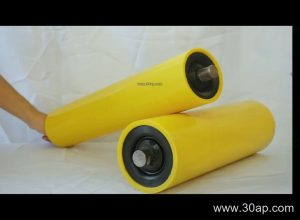
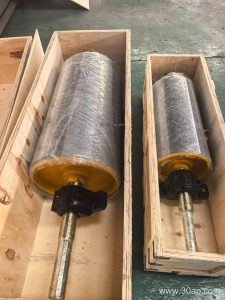
A typical vertical guide idler consists of a steel roller body, a shaft, sealed bearing housings, and a mounting bracket that fixes the roller to the conveyor frame. The roller spins freely on its shaft and contacts the belt edge with low friction. Bearing sizes such as 6204, 6205, 6305, or 6306 are common in this kind of roller, but the final choice depends on load and shaft design rather than on belt width alone.
Roller diameters are usually modest because the guide idler handles side force rather than the full weight of the material. Diameters around Ø63, Ø76, Ø89, or Ø102 mm appear in many installations. The roller surface may be plain steel, nylon, or covered with a rubber ring to protect the belt edge. The mounting height and angle are set during installation so the roller touches the belt without squeezing it.
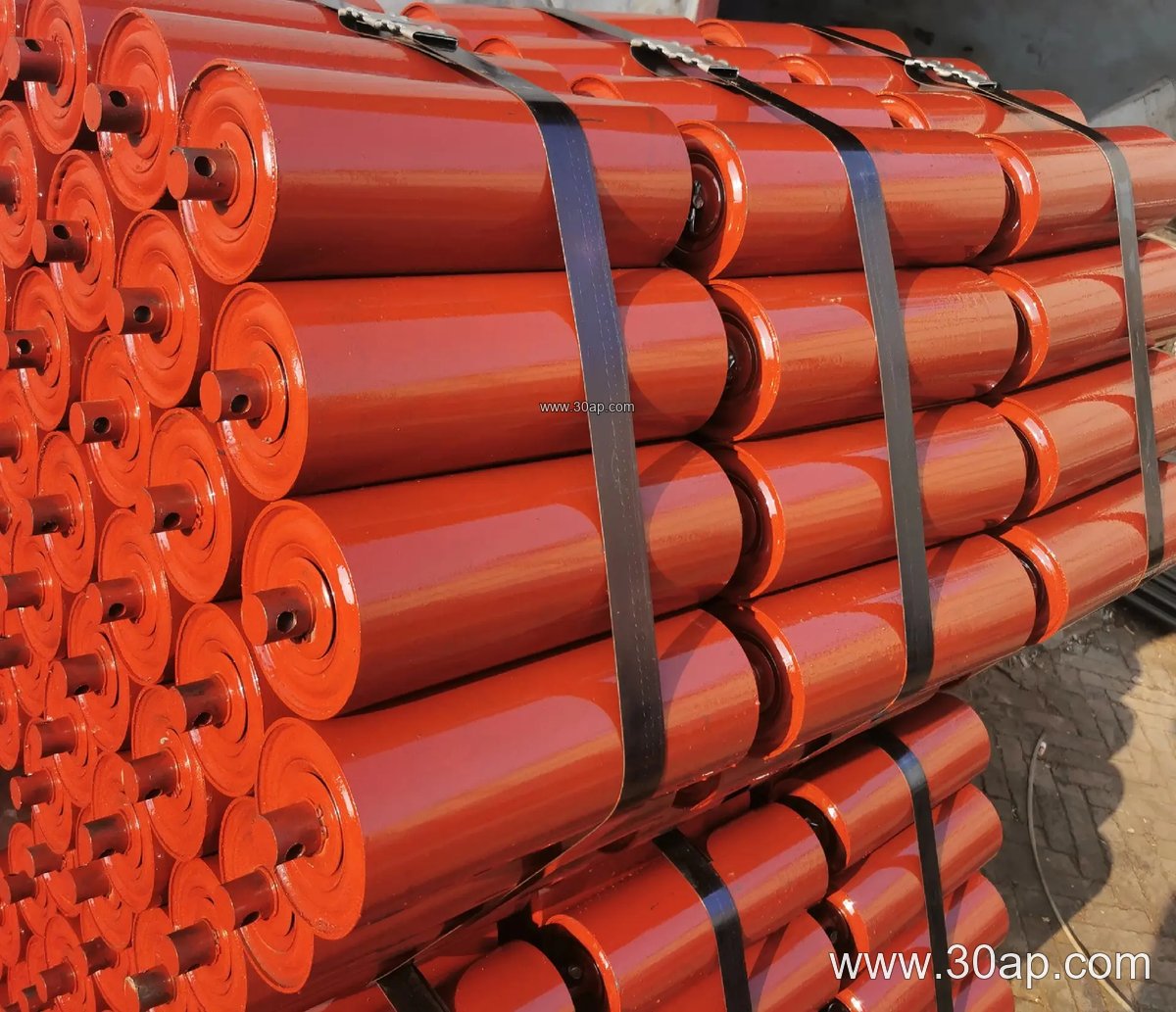
- Roller body: steel tube, sometimes nylon or rubber covered
- Shaft: fixed to a bracket, with the roller rotating on bearings
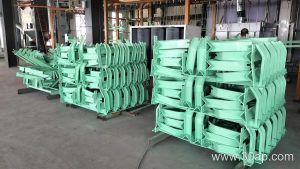
- Bracket: bolted to the conveyor frame near the belt edge
- Sealing: dust and water protection is important in outdoor and dusty plants
Where It Fits on a Conveyor
On a belt conveyor, alignment problems often appear after a curve, at a loading point, or along a section where the belt is unevenly loaded. A vertical guide idler placed at these locations gives the belt a physical boundary. In a sand and gravel plant, for example, a belt carrying aggregate may wander after a crusher discharge; a pair of vertical guide rollers can hold the edges and reduce spillage.
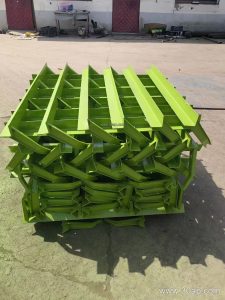
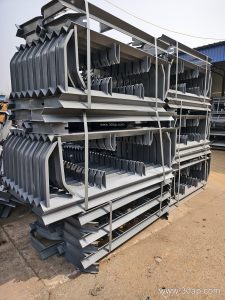
This component works together with other parts of the conveyor. The conveyor belt itself, the conveyor pulley at the head or tail, the idler roller set carrying the load, and the conveyor bracket that supports the frame all influence tracking. A guide idler cannot compensate for a badly aligned conveyor pulley or a damaged belt edge, so it should be treated as one part of a complete alignment system.
Applications Across Industries
Vertical guide idlers are common in bulk material handling where belts are long and frames are exposed to weather or vibration. In a coal washing plant or a power plant coal yard, they help keep the belt centered on inclined runs. In a limestone quarry or a crushing and screening line, they protect belt edges from rubbing against the structure. They also appear in fertilizer plants and grain handling facilities where dust and fine material can affect tracking.
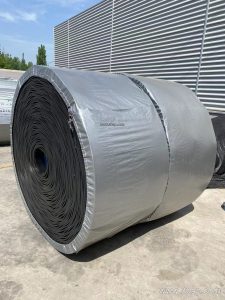
The belt type matters when selecting a guide idler. A heavy abrasion resistant conveyor belt used in a quarry may have a stiff edge that needs a firm roller, while a thinner EP conveyor belt on a shorter run may need a softer rubber-covered guide. Flame retardant conveyor belt and fire resistant conveyor belt used in coal mining conveyors also require guide rollers that do not create excessive edge friction.
Selection Points for Buyers
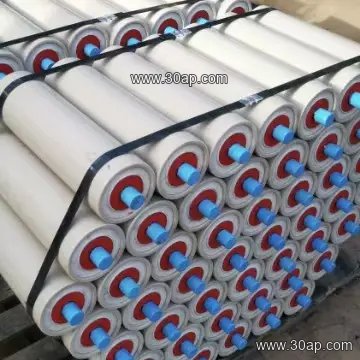
Buyers should match the vertical guide idler to the belt width, the available mounting space, and the expected side load. Belt widths such as B500, B650, B800, B1000, and B1200 are common references, but the roller length and bracket position are determined by the conveyor design. A guide idler for a 650mm conveyor belt is not automatically suitable for a 1200mm belt, and no single shaft diameter should be assumed from belt width alone.
Ask for the roller diameter, shaft size, bearing type, surface finish, and mounting dimensions. In dusty or wet conditions, sealed bearings and a corrosion-resistant finish extend service life. If the conveyor uses a corrugated sidewall conveyor belt or a skirted conveyor belt, check that the guide roller clears the sidewall and does not press on the cleat area.
Maintenance and Inspection
Inspect vertical guide idlers for bearing play, roller wear, and bracket looseness. A seized roller can wear a groove into the belt edge, while an incorrectly positioned roller can push the belt away from its proper path. During routine shutdowns, check that the roller turns freely and that the mounting bolts remain tight. Replacing a worn guide roller early is usually simpler than repairing a damaged belt edge later.
For conveyor systems in mining, cement, and port operations, keeping guide idlers aligned with the conveyor pulley and the carrying idler frames helps reduce downtime. The vertical guide idler is a small component, but it contributes to belt stability, material containment, and longer service life for the conveyor belt.