What a Guide Idler Bracket Does
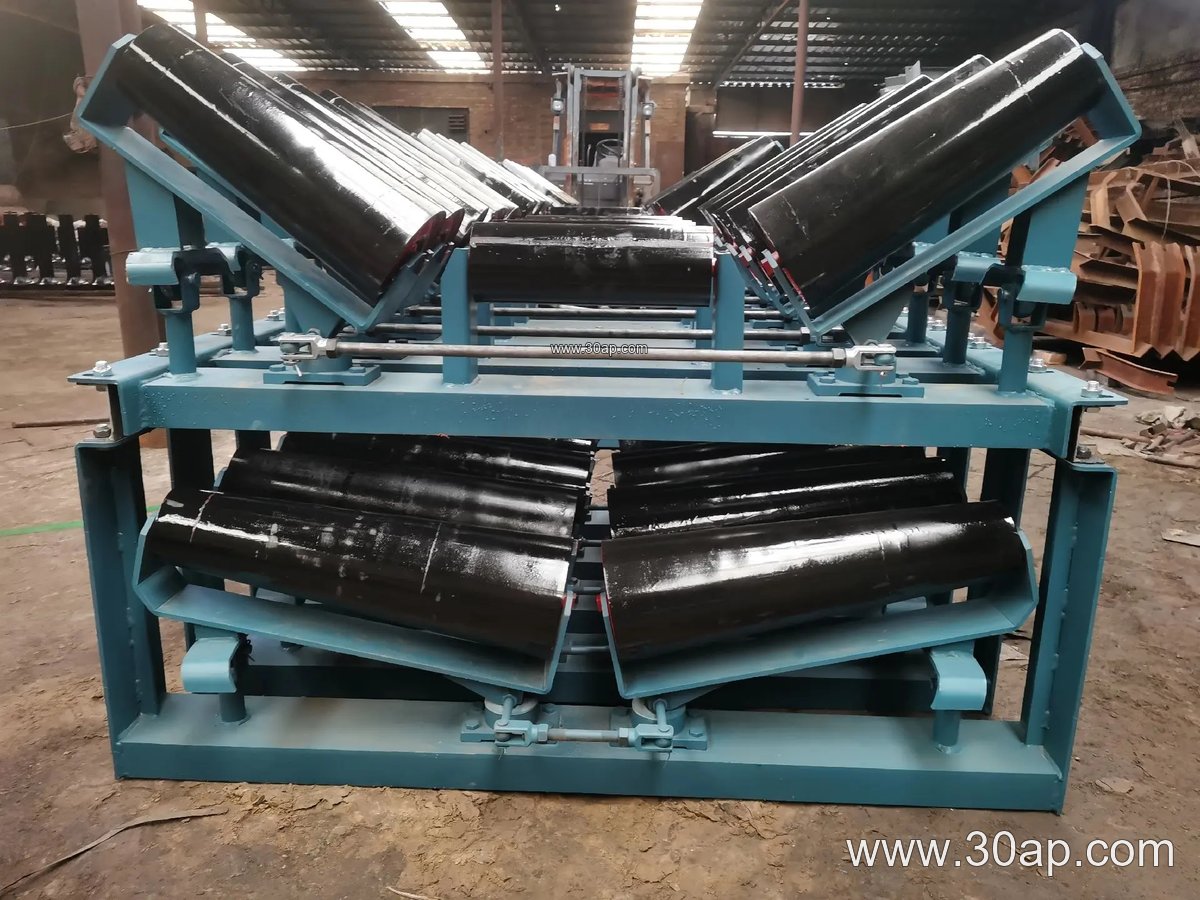
A guide idler bracket is the support component that holds a guide idler in position along a conveyor and keeps the belt tracking within acceptable limits. In practice, many plants call this part a self-aligning idler bracket or a training idler bracket, because its job is closely tied to belt centering rather than simple load carrying. On a running conveyor, small misalignments can grow into edge wear, spillage, and frame damage. The bracket provides the mounting point that lets the guide idler respond to belt drift and steer the belt back toward the center line.
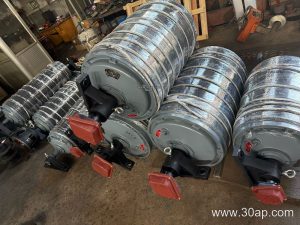
It is important to separate this part from the pulleys at the ends of the conveyor. A drive pulley, tail pulley, or bend pulley performs a completely different function, and none of these is a substitute for a guide idler bracket. The bracket works with conveyor idlers, the conveyor belt, and the main frame, not in place of the terminal pulleys.
Construction and Mounting
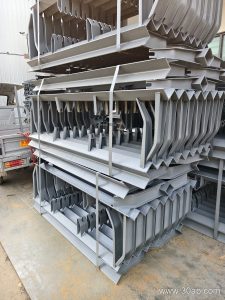
Most guide idler brackets are fabricated from angle steel, channel steel, or folded steel plate. The bracket usually includes a base plate or clamp section for fixing to the conveyor stringer, a vertical or angled arm, and a mounting position for the idler shaft. Adjustable versions allow the bracket angle or lateral position to be changed on site so the guide idler can be set to suit actual belt behavior.
Typical mounting details include:
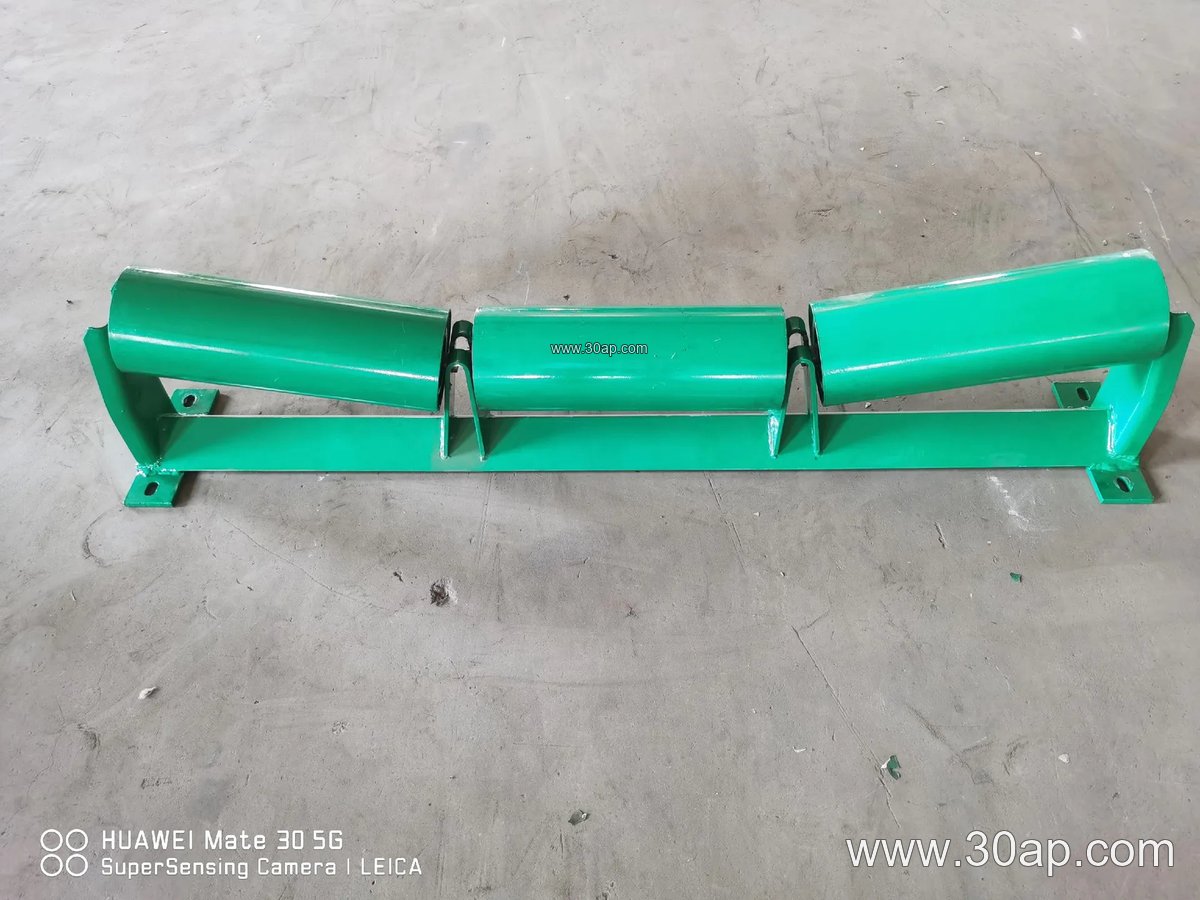
- Bolted connection to the conveyor frame, with slotted holes for fine adjustment
- Welded or bolted arm that carries the idler shaft
- Reinforced base for areas where belt wander is frequent
- Optional pivot or swivel feature on self-aligning designs
Because mounting hole spacing and crossbeam length change with belt width and trough angle, these dimensions are normally confirmed against the conveyor drawing rather than treated as fixed values.
Where It Is Used
Guide idler brackets appear wherever belt centering matters. In a quarry or sand and gravel line, they are often fitted on the carrying side just after a crusher discharge, where uneven loading pushes the belt sideways. In a coal preparation plant or power plant coal yard, they help control tracking on long runs and at transfer points. Cement plants use them on clinker and raw material conveyors, while port bulk terminals rely on them on ship loading and yard conveyors.
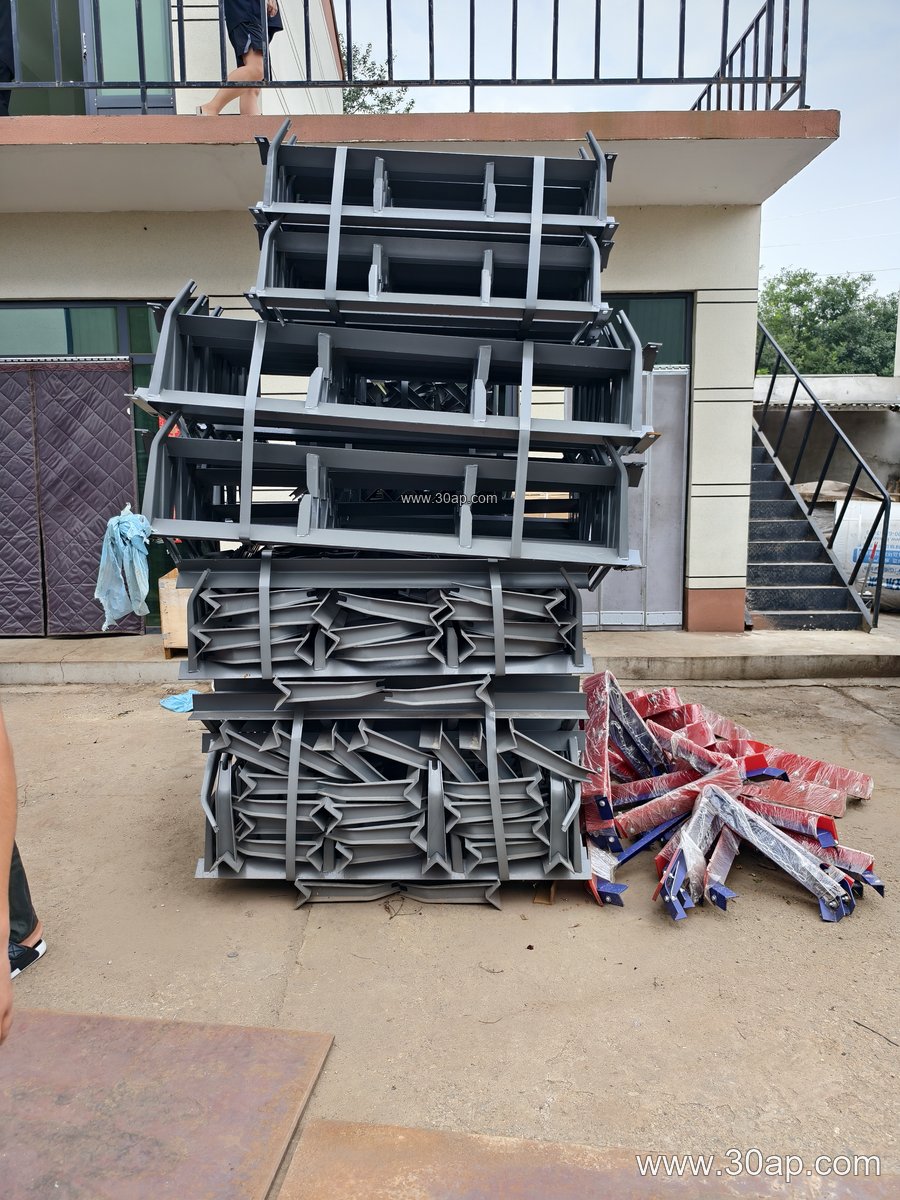
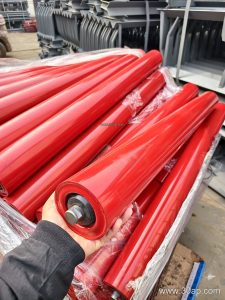
The bracket should be matched to the belt and idler combination in use. A heavy-duty mining conveyor belt carrying ore may need a sturdier bracket than a lighter fabric core belt on a short transfer. The same applies when a heat resistant conveyor belt or a flame retardant conveyor belt is specified for a coal mining conveyor: the bracket still does its alignment job, but the surrounding hardware must suit the environment.
Matching Bracket, Belt Width, and Idler Diameter
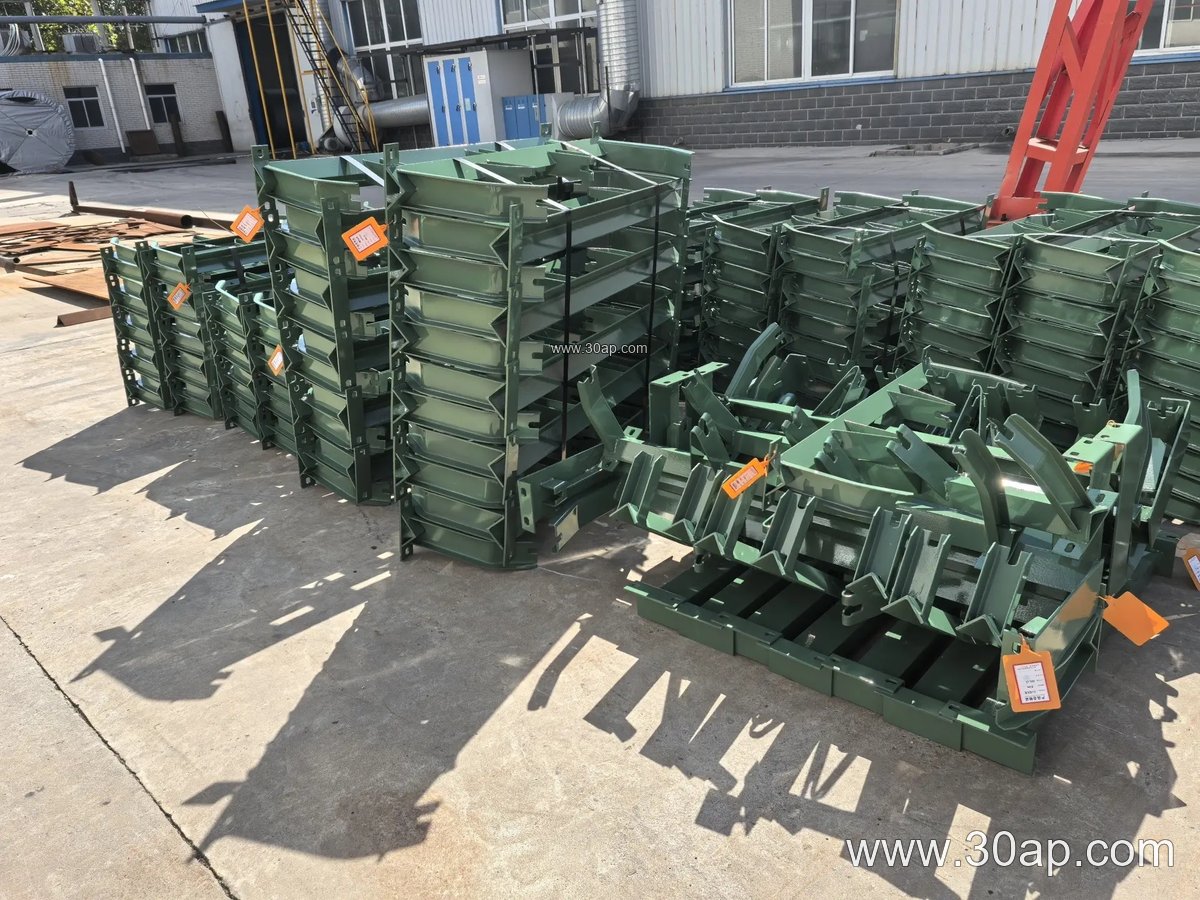
Selection starts with the conveyor layout. Belt width, trough angle, and idler diameter are usually reviewed together, but there is no single fixed combination. A B800 belt may run with a 35 degree trough and Ø108 idlers on one conveyor, while a B1200 line might use 45 degrees and Ø133 idlers. A smaller B650 unit in a blending plant could use 30 degrees and Ø89 idlers. These are common examples, not mandatory pairings.
| Parameter | Common Reference Values |
|---|---|
| Belt width | B500, B650, B800, B1000, B1200, B1400, B1600, B1800, B2000, B2200 |
| Trough angle | 20°, 30°, 35°, 45° (adjustable brackets can be set between these) |
| Idler diameter | Ø89, Ø108, Ø133, Ø159, Ø194 |
| Bracket material | Angle steel, channel steel, folded steel plate |
| Common types | Troughing bracket, transition bracket, return bracket, V-return bracket, impact bracket, self-aligning bracket, suspended bracket, adjustable bracket |
Forward-leaning brackets are often set at about 1.5 to 2 degrees to assist belt training. For comparison, a transition bracket is used near the pulley to ease the belt from flat to troughed profile, while the guide idler bracket focuses on tracking. The two are related but not interchangeable.
Buyer Checklist
Before ordering, confirm the belt width, the frame type, the idler diameter, and the required trough angle. Ask whether the bracket is fixed or adjustable, and check the mounting hole pattern against the existing conveyor bracket at www.chenxinconveyor.com. For harsh duty, review the steel thickness and coating, especially on abrasive or wet installations. Where a steel cord conveyor belt or a high abrasion resistant conveyor belt is used, the bracket and idler assembly should be rated for the added load and tension. Plants handling coal, cement, or iron ore should also consider dust build-up and access for maintenance.
Finally, keep spare brackets for the most heavily loaded positions. A worn guide idler bracket can allow the idler to sit out of line, and the resulting belt wander often costs more than the bracket itself. Regular inspection of the bracket, the conveyor pulley alignment, and the idler roller condition keeps the whole conveyor tracking properly.