What a High-Capacity Conveyor Idler Is
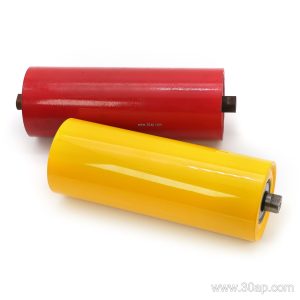
A high-capacity conveyor idler is a heavy-duty roller assembly designed to support and guide the conveyor belt in systems that move large volumes of bulk material. Unlike standard idlers, these rollers are built with thicker shells, larger shaft diameters, and robust bearing housings to withstand continuous shock loading and high belt tensions. In a quarry conveyor belt line or a coal mining conveyor belt system, the idler must keep the belt tracking smoothly while carrying tons of rock or coal per hour.
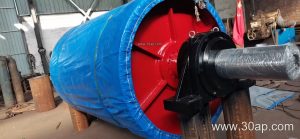
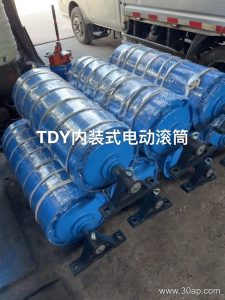
The term often refers to the entire idler set, including the roller, shaft, bearings, and seals. In many plants, a high-capacity conveyor idler is simply called a heavy-duty idler roller, but it remains distinct from conveyor pulleys, which drive or redirect the belt. The idler rotates freely under the belt, while the pulley transmits power.
Construction and Key Components
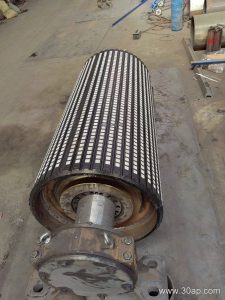
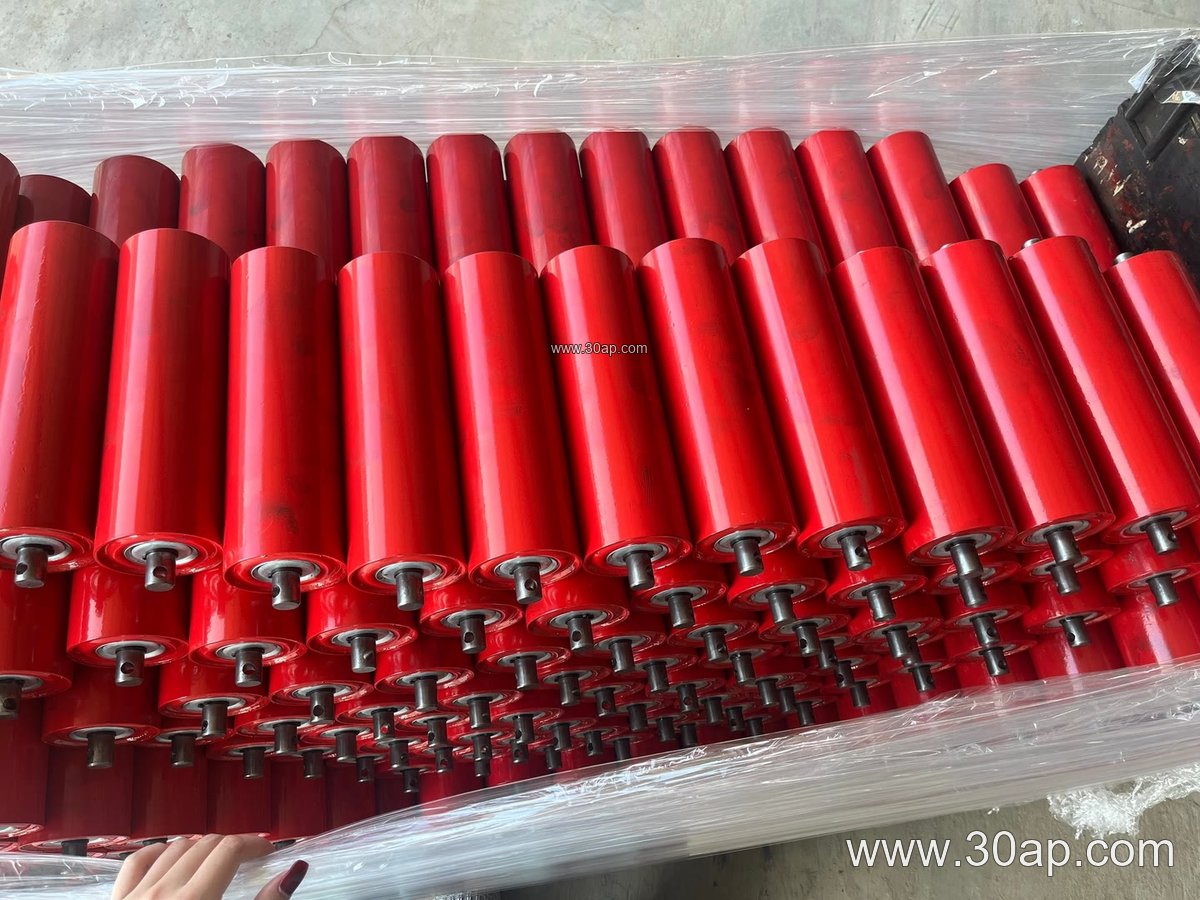
These idlers typically use a seamless steel tube for the shell, machined to precise tolerances. The shaft is often made from cold-drawn steel and can be sized from 20 mm to 40 mm depending on the load. Bearing selection is critical: common sizes include 6205, 6305, 6306, 6308, and 6310, paired with labyrinth seals to keep out dust and water. For abrasive environments such as an iron ore conveyor belt or a cement plant, the roller surface may be coated with rubber or ceramic to extend service life.
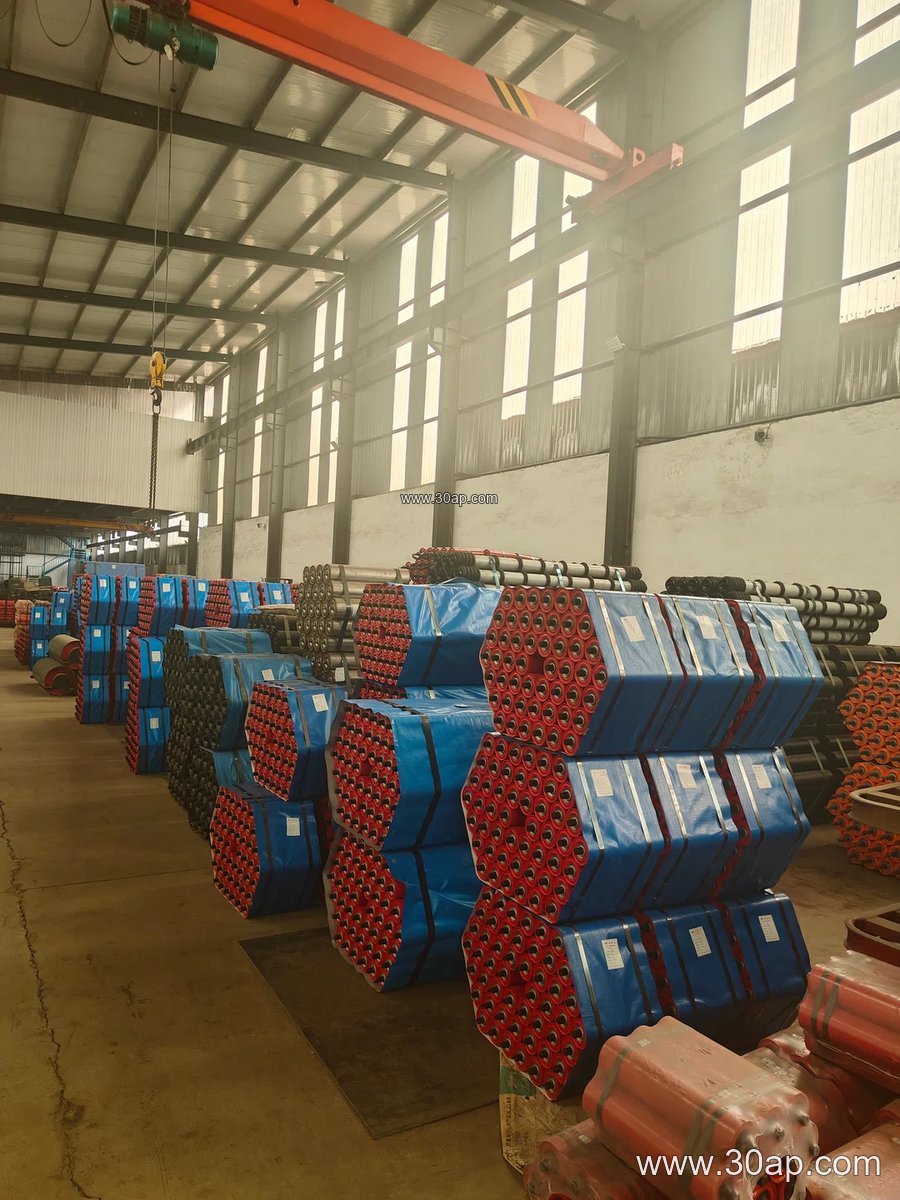
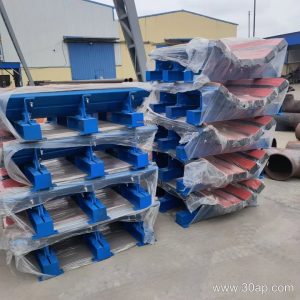
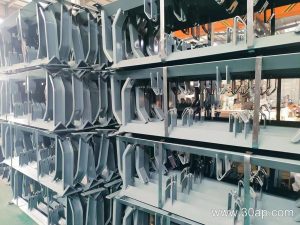
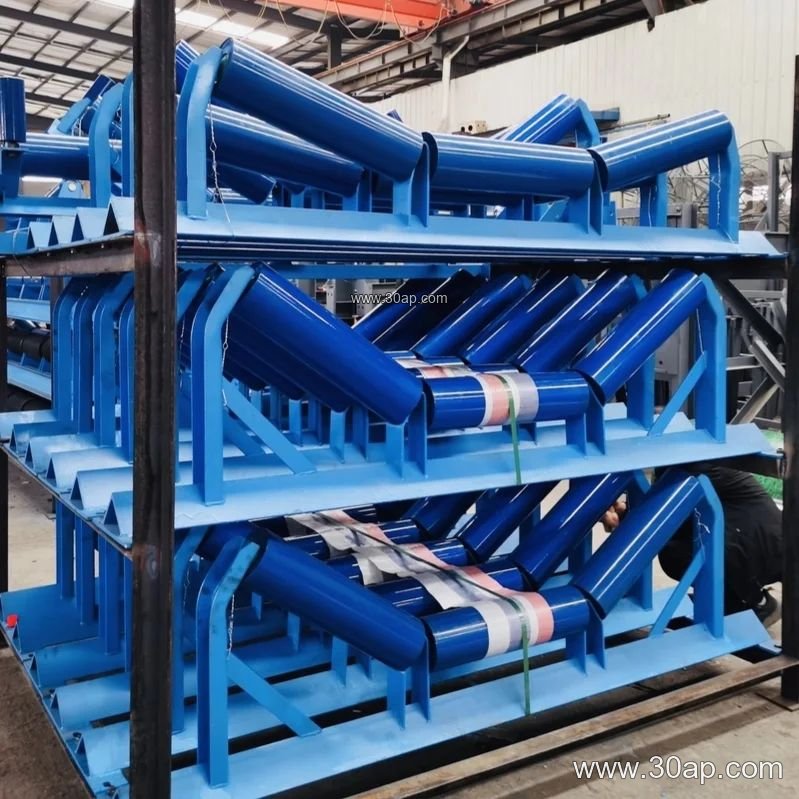
The idler assembly is mounted on a conveyor bracket that attaches to the conveyor frame. The bracket must be sturdy enough to handle the dynamic forces from the belt and material. In high-capacity systems, the idler spacing is often reduced to prevent belt sag and reduce stress on the conveyor belt.
Where High-Capacity Idlers Are Used
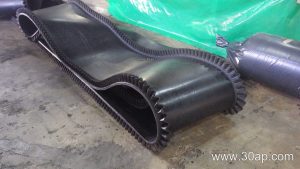
You will find these idlers in demanding industries such as mining, power generation, and aggregate production. In a coal-fired power plant, they support the coal conveyor belt that feeds the boiler. In a limestone quarry, they carry crushed stone on a heavy-duty mining conveyor belt. Other applications include copper ore handling, port ship loading, and steel plant sinter lines. The common thread is a need for reliable performance under continuous operation and high tonnage.
For example, a high-capacity conveyor idler set in a 2000 mm wide belt system may use rollers with a diameter of 178 mm or 194 mm to handle the load. The belt width and idler diameter must be matched to the conveyor design, not chosen arbitrarily.
Types and Configurations
High-capacity idlers come in several configurations to suit different belt sections. Troughing idlers, often three-roll sets with a 30-degree or 35-degree trough angle, support the carrying side. Impact idlers with rubber rings are used at loading points to absorb shock. Return idlers, including V-type and flat, support the belt on the return run. Self-aligning idlers help keep the belt centered.
Roller diameters for high-capacity applications commonly range from 127 mm to 219 mm. The table below shows typical examples, but final selection depends on belt width, speed, and material weight.
| Idler Type | Common Roller Diameter (mm) | Typical Belt Width Range (mm) |
|---|---|---|
| Troughing idler | 127, 133, 159, 178 | 800 to 2000 |
| Impact idler | 133, 159, 178, 194 | 1000 to 2200 |
| Return idler | 108, 127, 133, 159 | 650 to 1800 |
Note that these are common examples, not fixed rules. A 1200 mm wide conveyor belt might use a 133 mm or 159 mm idler, depending on the load and design.
Selection and Maintenance Tips
When choosing a high-capacity conveyor idler, consider the belt width, belt speed, material lump size, and operating environment. For a coal mining conveyor belt, flame retardant and anti-static properties may be required for the belt, but the idler itself should have good sealing and bearing protection. In a cement plant, heat resistant conveyor belt may be used, and the idlers should be able to handle high temperatures without lubricant failure.
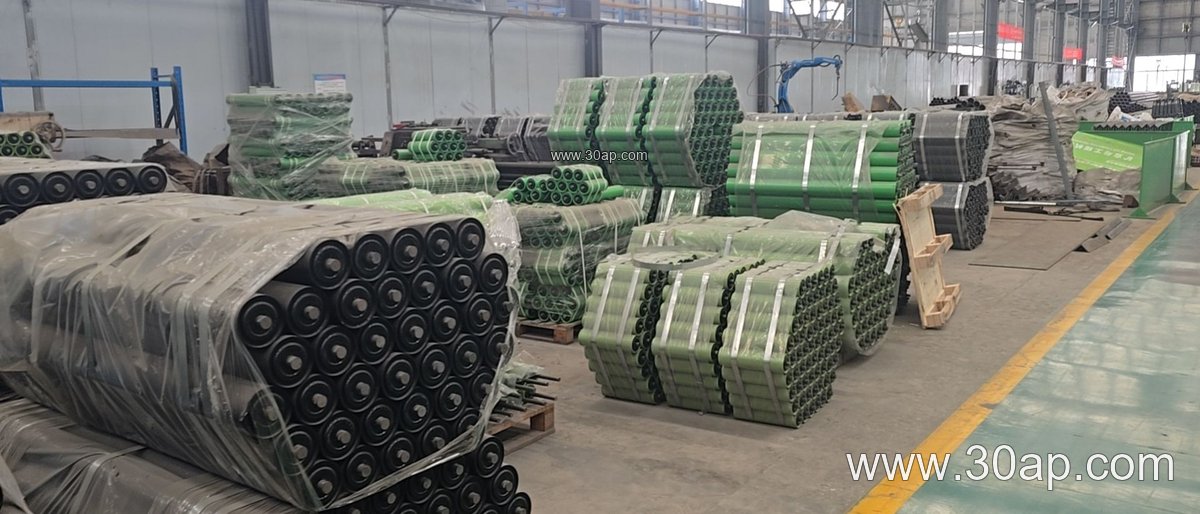
Regular maintenance includes checking for seized rollers, worn shells, and damaged seals. Replacing a failed idler promptly prevents belt damage and reduces downtime. Always use the correct conveyor bracket and ensure proper alignment during installation.
For more information on conveyor components, visit our site at www.example.com/High-Capacity-Conveyor-Idler and explore related products like EP conveyor belt and steel cord conveyor belt.