What a Plastic Idler Is
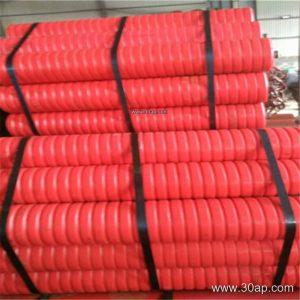
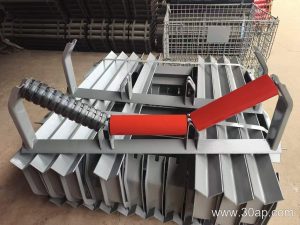
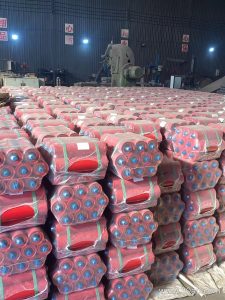
A plastic idler is a conveyor idler roller whose barrel and end caps are molded or machined from engineering plastics rather than steel tube. It supports the conveyor belt on the carrying or return side, turning freely on its shaft and bearing assembly. Because the body is non-metallic, it is lighter to handle, quieter in operation, and resistant to corrosion in wet or chemically active service. In a quarry or a fertilizer plant, those properties can matter as much as load capacity.
How the Roller Is Built
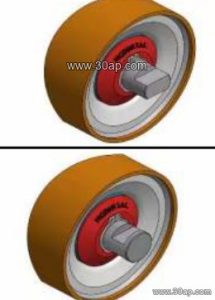
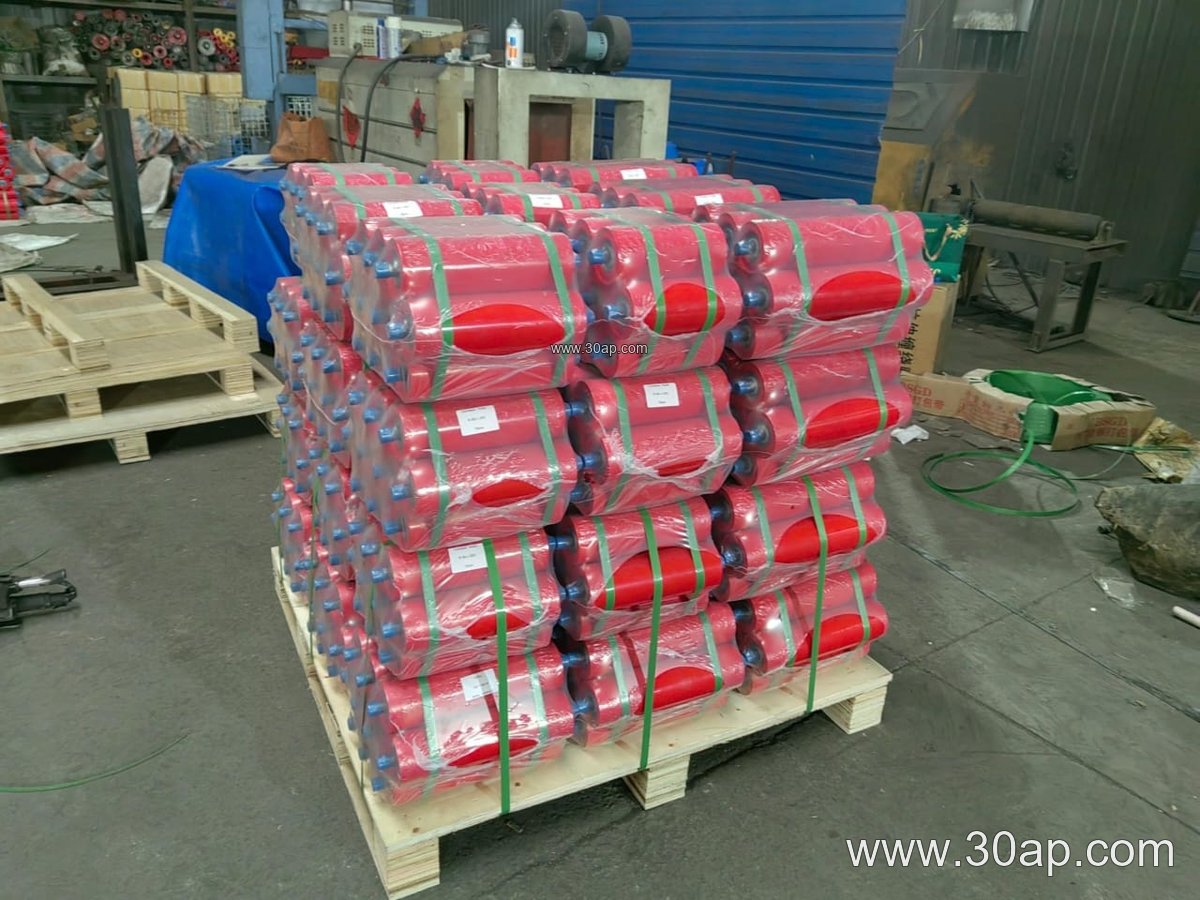
The typical plastic idler roller combines a polymer shell with a steel shaft, sealed ball bearings, and bearing housings that are pressed or bonded into the barrel ends. Common bearing sizes include 6204, 6205, 6305, 6306, 6308 and 6310, matched to the shaft and load rather than fixed by roller diameter alone. Seals may be labyrinth type, contact lip seals, or a combination, and they are usually the deciding factor in dusty service such as a cement plant or coal handling line.
Roller diameters commonly seen in this family are Ø63, Ø76, Ø89, Ø102, Ø108, Ø127, Ø133, Ø159 and larger, with belt widths from B400 up to about B2400 depending on the conveyor design. Roller length follows belt width, trough angle and the idler set arrangement. For a three-roll troughing set, a rough reference for the side roller might be about 200 mm at B500, 315 mm at B800, 465 mm at B1200, 600 mm at B1600 and 750 mm at B2000, though side and center rolls differ and the arrangement should always be confirmed against the drawing.
Where It Fits on the Conveyor
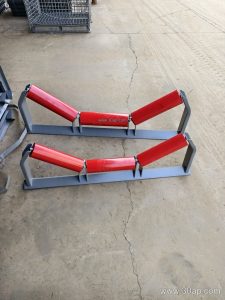
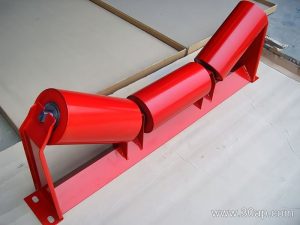
Plastic idlers are most often used as carrying idlers in troughing sets, as return rollers, and as impact or transition rollers where weight and corrosion resistance are valued. Trough angles of 20, 30, 35 and 45 degrees are common, and a slight forward tilt of about 1.5 to 2 degrees is sometimes used on training idlers to encourage belt alignment. They are not a substitute for a drive pulley, tail pulley or bend pulley; those are separate components with different duties. A plastic roller that fails to match the pulley alignment or the bracket height can cause belt wander even when the roller itself is sound.
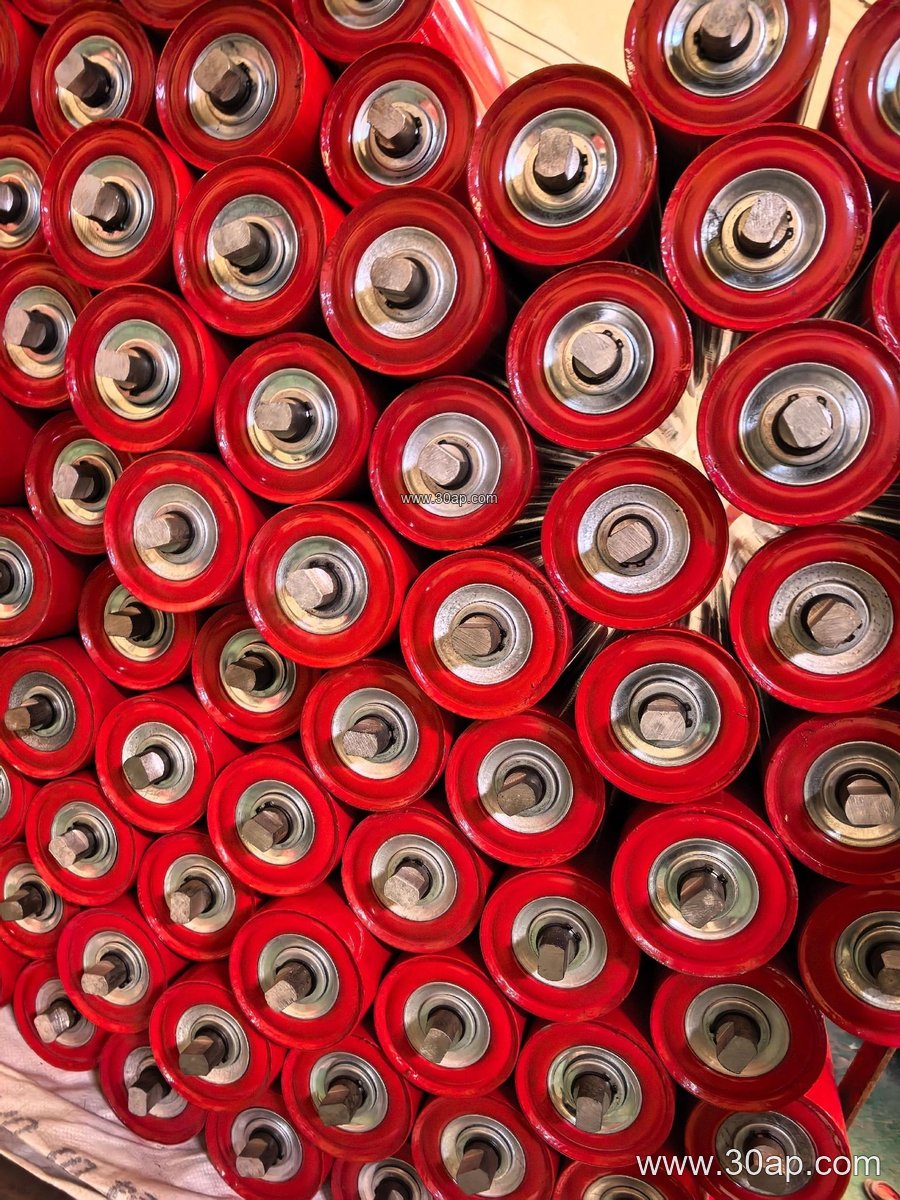
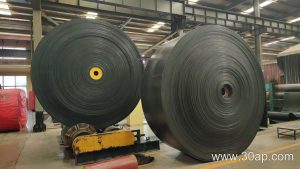
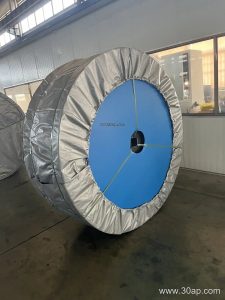
Typical service locations include aggregate lines, sand and gravel plants, limestone mines, iron ore and copper ore handling, wash plants, power station coal conveyors, and port loading systems. In these places a plastic idler often runs under an abrasion resistant conveyor belt, an EP conveyor belt or a steel cord conveyor belt, and the roller must suit the belt width and trough profile rather than the other way around. A mining conveyor belt with heavy lumps will demand a robust bearing and seal package, while a food grade conveyor belt line may need a smooth, cleanable roller surface.
Buyer Checklist
- Confirm roller diameter, shaft diameter and bearing size from the conveyor drawing, not from belt width alone.
- Check the bracket and frame dimensions, including the mounting slot and the distance between idler stations.
- State the environment: dust, moisture, washdown, temperature or chemical exposure. A cold resistant conveyor belt line may call for low-temperature bearings and seals.
- Match the roller surface and seal class to the material carried. Abrasive ore and fine cement dust attack seals differently.
- Confirm the trough angle and whether the set is single roll, two roll or three roll troughing.
- Ask about running balance, concentricity and end play, since vibration shortens bearing life.
Selection and Maintenance Notes
Plastic idlers are not automatically interchangeable with steel rollers of the same diameter. Load rating, shaft size and bearing class must be checked. On a heavy-duty mining conveyor belt or a high abrasion resistant conveyor belt installation, a plastic roller may be the right choice for the return strand but not for the impact zone at the transfer point, where a rubber-disc impact idler usually does better.
Inspection should cover free rotation, seal condition, barrel wear, and shaft wear at the bracket seat. A roller that stops turning will flat-spot the belt and can damage the conveyor bracket. Spare rollers should be stored out of direct sunlight and away from solvents, because some polymers degrade under prolonged UV exposure. When ordering, specify the complete description: roller diameter, length, shaft diameter, bearing number, seal type, and the intended position on the conveyor.