What a Sand and Gravel Production Line Idler Does
A sand and gravel production line idler is the rotating support that carries the conveyor belt between the head and tail of the conveyor. In a quarry, an aggregate plant, or a crushing and screening circuit, these idlers hold the belt in a stable trough so that crushed stone, sand, and screened aggregate move without spilling or shaking the frame. The idler roller is a simple-looking part, but it works continuously under dust, grit, and impact, so its construction and fit matter more than its appearance suggests.
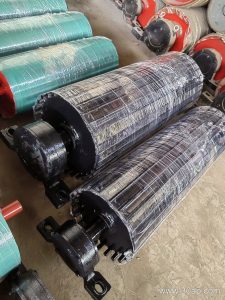
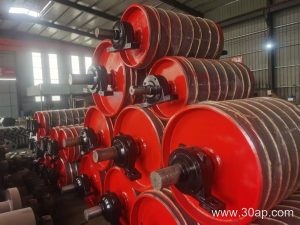
The same component is often called a conveyor idler or belt idler. It should not be confused with the conveyor pulley at the drive, tail, or bend position, which transmits power or changes belt direction. Those are separate parts with separate duties.
How the Idler Is Built
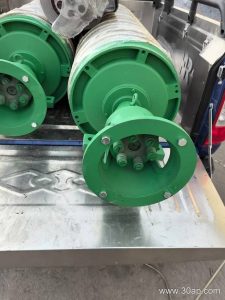
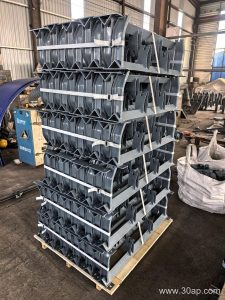
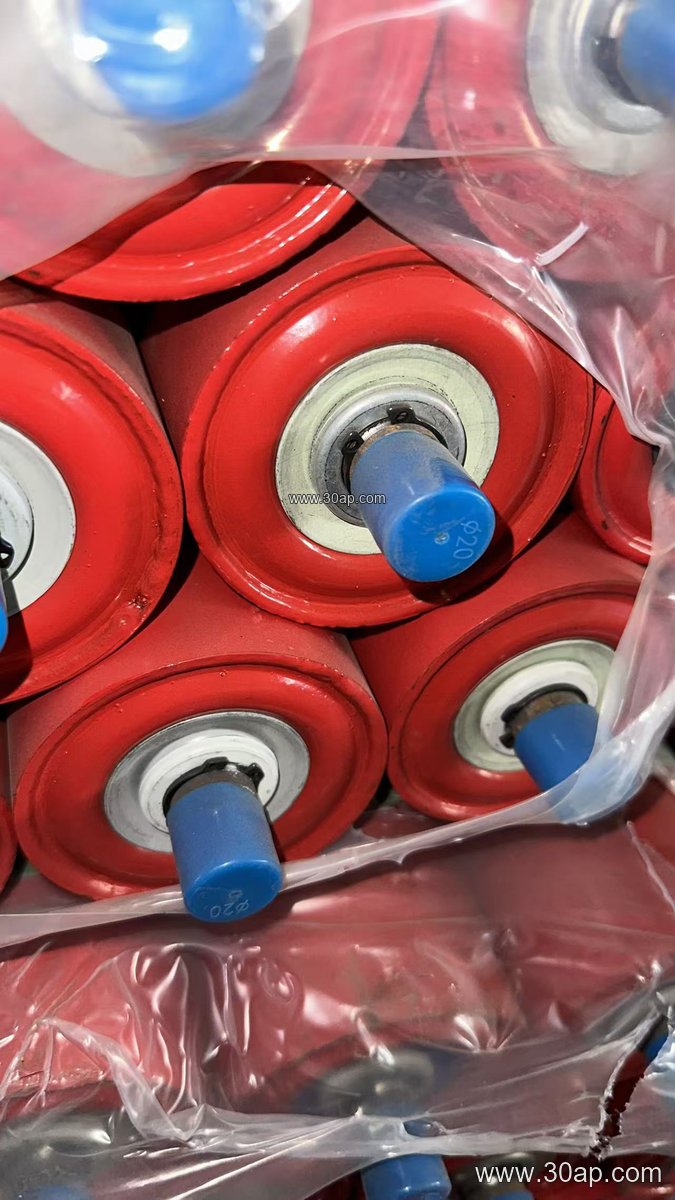
A typical idler roller has a steel tube shell, a shaft, bearing housings, and a sealing arrangement at each end. The shell may be plain steel, nylon-coated, ceramic-covered, or fitted with rubber rings for impact zones. Bearings such as 6204, 6205, 6305, 6306, 6308, or 6310 are common, but the bearing choice follows load, speed, and seal design rather than a single fixed rule.
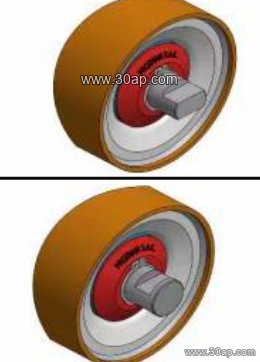
Sealing is the quiet hero. Fine sand and stone dust attack bearings from the outside, so a labyrinth seal, felt seal, or combined seal package is often used to keep grit out and grease in. A good seal extends service life in a dusty aggregate plant far more than a thicker shell alone.
Troughing, Return, and Impact Positions
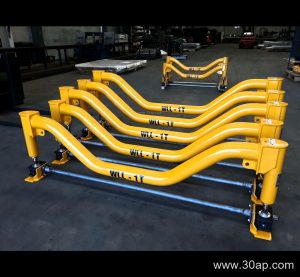
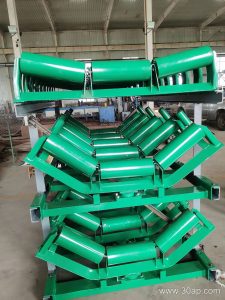
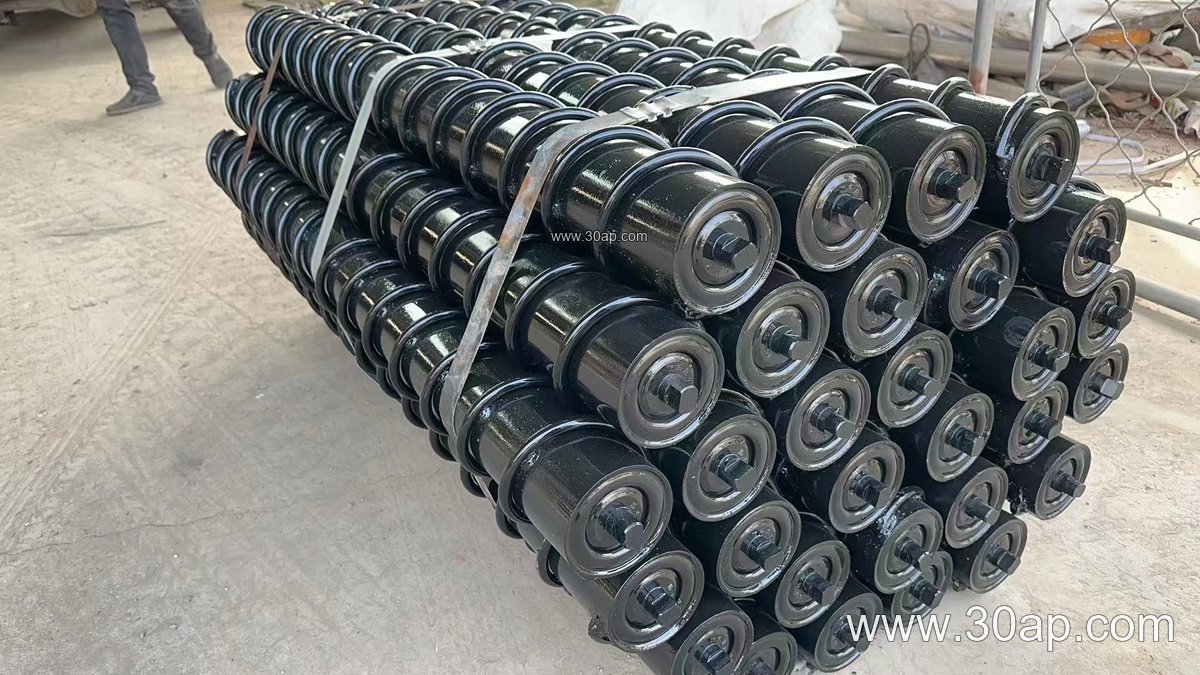
On the carrying side, three-roll troughing idlers are common, with trough angles of 20, 30, 35, or 45 degrees. A deeper trough suits higher capacity and helps keep bulk material centered. Transition idlers sit near pulleys to guide the belt from flat to troughed shape gently. On the return side, flat return idlers or V-return idlers support the empty belt.
Impact idlers with rubber rings are used under crusher discharge and transfer points, where falling rock hits the belt. Self-aligning idlers, including friction and tapered types, help correct minor belt drift. These subtypes are chosen for a specific position and are not replacements for one another.
Common Reference Dimensions
The table below shows typical reference values. Actual roll length, shaft size, and bearing fit are determined by belt width, trough angle, idler group form, and conveyor design.
| Item | Common Reference Values |
|---|---|
| Idler diameter | Ø63, Ø76, Ø89, Ø102, Ø108, Ø127, Ø133, Ø159, Ø178, Ø194, Ø219 mm |
| Belt width | B400, B500, B650, B800, B1000, B1200, B1400, B1600, B1800, B2000, B2200, B2400 |
| Trough angle | 20°, 30°, 35°, 45° |
| Roll surface | Steel tube, nylon, ceramic, rubber ring |
| Bearing examples | 6204, 6205, 6305, 6306, 6308, 6310 |
For a three-roll troughing set, common roll lengths are roughly 200 mm at B500, 250 mm at B650, 315 mm at B800, 380 mm at B1000, 465 mm at B1200, 530 mm at B1400, 600 mm at B1600, 670 mm at B1800, and 750 mm at B2000. Side rolls and center rolls may differ, so these are examples, not fixed matches.
Where These Idlers Are Used
In a sand and gravel plant, troughing idlers run under crusher conveyor belts and screen feed belts, while return idlers support the belt on its way back. In a cement plant or power plant coal yard, dust and fines make sealing quality important. In a limestone mine or iron ore transfer line, impact idlers protect the belt at loading points. The same idler family also appears in tunnelling spoil lines and concrete batching plants.
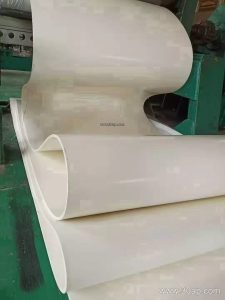
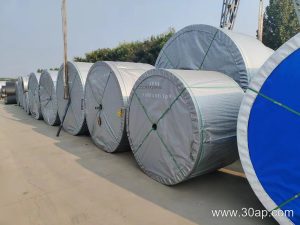
The belt itself is part of the picture. A heavy-duty mining conveyor belt, an abrasion resistant conveyor belt, or an EP conveyor belt with a fabric core all interact with idler spacing and roll diameter. A steel cord conveyor belt may need different support spacing than a multi-ply fabric core belt, and a chevron conveyor belt or corrugated sidewall belt can affect how the belt tracks over the idlers.
What Buyers Should Check
- Match idler diameter and roll length to the actual belt width and trough angle, not to a catalog guess.
- Confirm bearing and seal type for the dust and moisture level on site.
- Use impact-rated rolls under crusher discharge and transfer chutes.
- Check that the idler frame and conveyor bracket fit the existing stringer spacing.
- Ask for the shaft and bearing housing details rather than assuming a shaft size from belt width alone.
For a reliable sand and gravel production line idler, the practical rule is simple: select by position, load, and environment, then verify dimensions against the conveyor drawing. That approach keeps the belt running straighter and reduces downtime in the plant.