What the NN400 Conveyor Belt Is
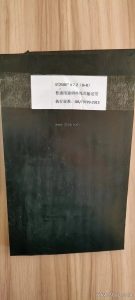
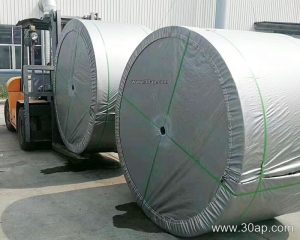
The NN400 Conveyor Belt is a multi-ply fabric core belt built on nylon (NN) warp and weft cords. The number 400 refers to the nominal tensile strength of the carcass, commonly expressed as 400 N/mm per ply in the reference series NN100, NN200, NN300 and NN400. In practice, buyers treat this as a higher-strength grade in the nylon fabric family, sitting above NN300 and below the heavier steel cord options used on very long or very demanding routes. It is a fabric core conveyor belt, so it flexes readily around pulleys and trains well on conventional troughing idlers.
Because the carcass is nylon, the belt offers good fatigue resistance and absorbs shock better than a rigid steel cord construction of similar rating. That makes it a practical choice where lump size varies and loading is not perfectly controlled.
How the Belt Is Built
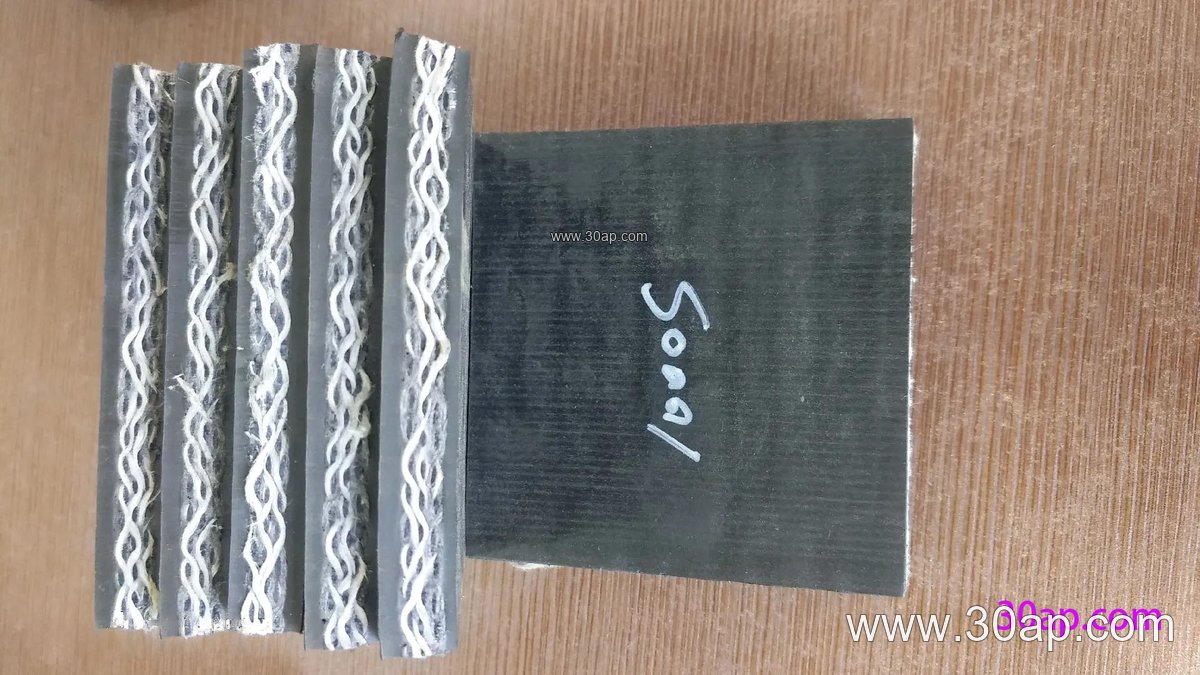
The carcass usually contains several plies of nylon fabric bonded with rubber skim compound. A top cover and a bottom cover protect the carcass from abrasion, moisture and impact. Cover thickness is stated as two figures, for example 6+2 mm or 8+3 mm, meaning top cover plus bottom cover. The number of plies and the cover grade are chosen to suit the duty, not fixed by the strength rating alone.
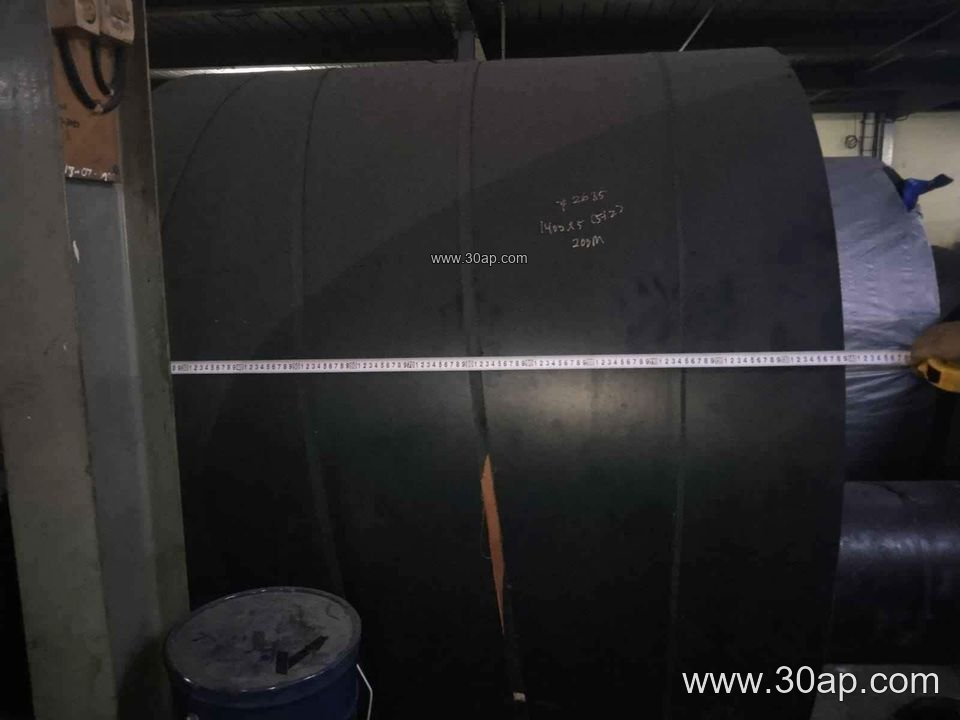
- Carcass: multiple nylon fabric plies, typically 2 to 6 plies depending on design
- Cover: abrasion resistant, heat resistant, oil resistant or flame retardant grades as required
- Edges: cut edge or moulded edge, depending on the manufacturer and application
For a buyer, the useful point is that strength and cover quality are separate decisions. A belt can carry a high strength rating while still needing a thicker cover for sharp, abrasive material.
Common Reference Data
The values below are typical reference figures. Actual supply is confirmed by the manufacturer against the conveyor design.
| Parameter | Common Reference Range |
|---|---|
| Strength grade | NN100, NN200, NN300, NN400 |
| Belt width | B500, B650, B800, B1000, B1200, B1400, B1600, B1800 |
| Cover thickness | 3+1.5, 4+2, 5+2, 6+2, 8+3 mm |
| Carcass plies | 2 to 6 plies, by design |
| Cover grades | Abrasion resistant, heat resistant, oil resistant, flame retardant, anti-static |
Width and strength are matched to the conveyor, not to each other in a fixed way. A wide belt may run at a moderate strength grade, and a narrower belt may carry a higher grade where the load requires it.
Where It Fits in the Plant
The NN400 Conveyor Belt suits medium to heavy duty bulk handling. Typical settings include crushing circuits in a quarry, aggregate transfer lines, cement plant raw material conveying, power plant coal handling, and ore transport in mining operations. It also appears in port loading systems and recycling lines where mixed material is carried at moderate belt speeds.
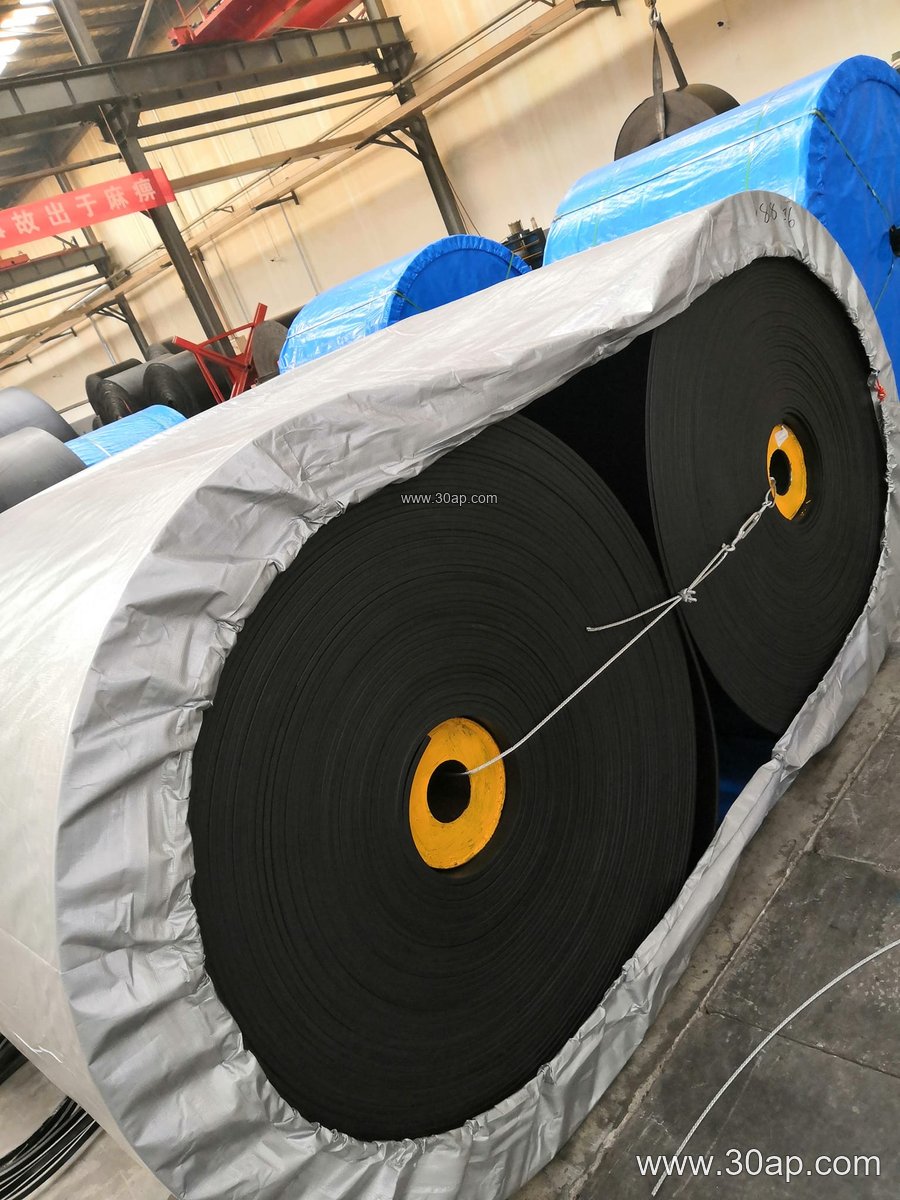
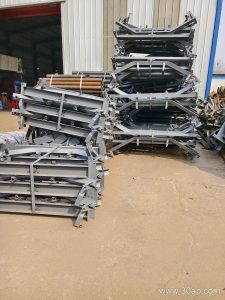
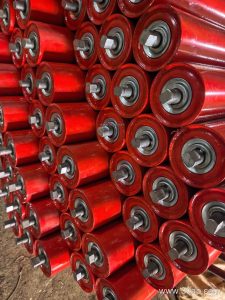
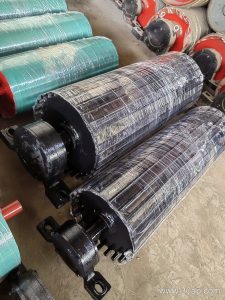
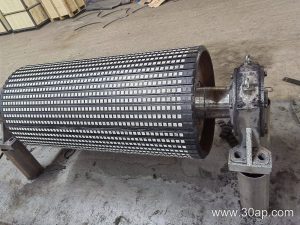
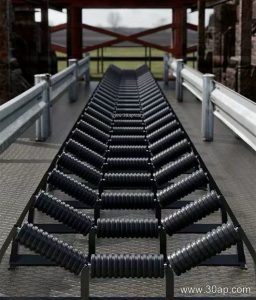
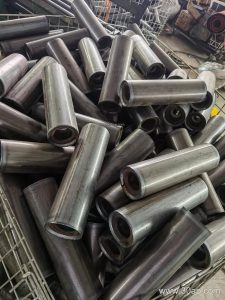
On these conveyors the belt works with conveyor pulleys at the drive and tail positions, troughing and return idler rollers, and conveyor brackets that hold the frame together. Drive, tail and bend pulleys each do a different job and are selected separately; the belt must be checked against the smallest pulley diameter on the route, because flexing over a tight pulley shortens carcass life. Troughing angle and transition distance also affect how the belt sits on the idlers.
For wet or sticky material, a chevron conveyor belt or a corrugated sidewall belt may be considered, but those are different belt types with their own construction and are not substitutes for a flat NN400 belt on a standard troughed conveyor.
Selection and Care Notes
Before ordering, confirm the peak load, the material lump size, the conveyor length and lift, the smallest pulley diameter, and the ambient conditions. Hot clinker or sinter calls for a heat resistant cover; coal under ground may call for flame retardant and anti-static properties; oily scrap or recycled material may need an oil resistant cover. Cold climates may require a cold resistant grade to avoid cracking at start-up.
- Check that the cover grade matches the material, not just the strength.
- Verify the pulley diameters and transition distances with the belt supplier.
- Keep impact points supported so lumps do not bruise the carcass.
- Align idler rollers and pulleys to reduce edge wear and mistracking.
- Store belts away from direct sun, ozone sources and sharp edges.
Inspect splices and edges regularly. A small edge nick on an abrasion resistant conveyor belt can grow quickly in a hard rock circuit, so early repair is cheaper than replacement. Tension setting matters as well: too little tension causes slip at the drive pulley, while too much shortens splice life. For long, high-tension routes, a steel cord belt may be the better engineering answer, but for many plant conveyors the NN400 grade delivers a workable balance of strength, flexibility and cost.