What a Conveyor Support Leg Does
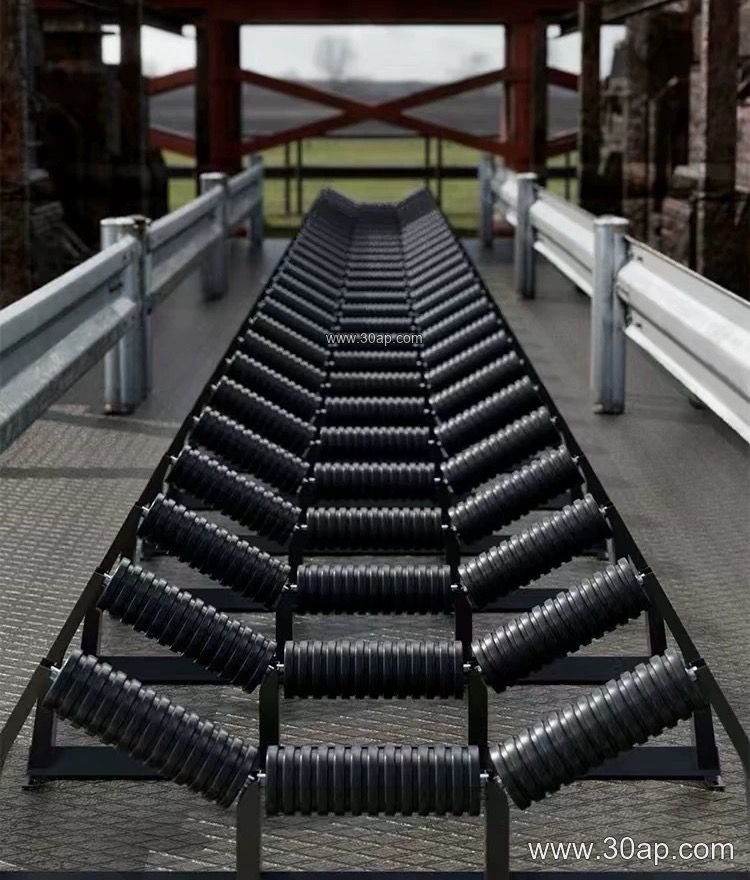
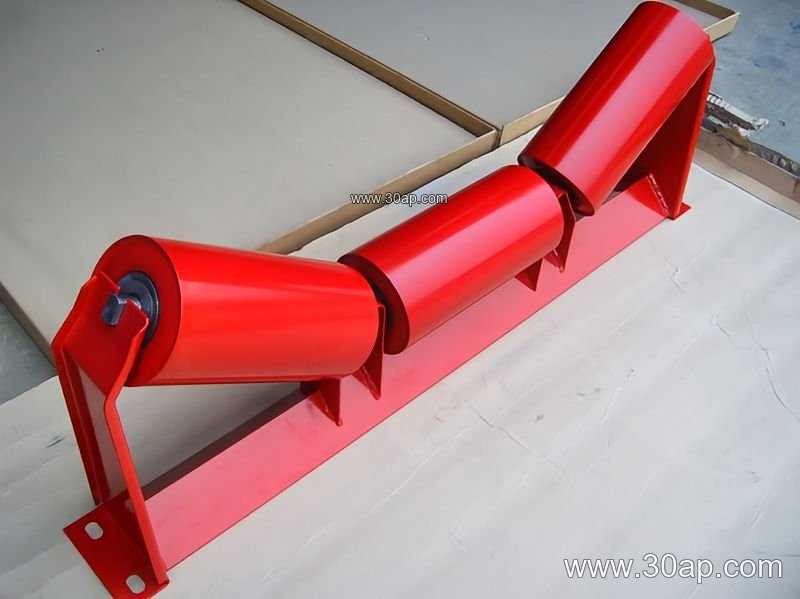
A conveyor support leg is the vertical member that carries the weight of the idler frames and the loaded belt down to the floor, foundation, or steel structure. In a typical troughing arrangement, the leg is bolted to the crossbeam that holds the idler roller set, and together they form the stationary support station. The leg is a simple part, but its stiffness, height accuracy, and hole pattern decide whether the belt runs centered or wanders. On a quarry conveyor or a power plant coal line, a slightly short leg can tilt a whole frame and cause edge wear on the conveyor belt within weeks.
The same component is often called a conveyor stand leg or stringer support post. Whatever the name, it is not a pulley and not an idler; the drive pulley, tail pulley, and bend pulley are separate rotating parts with their own bases.
How the Leg Is Built
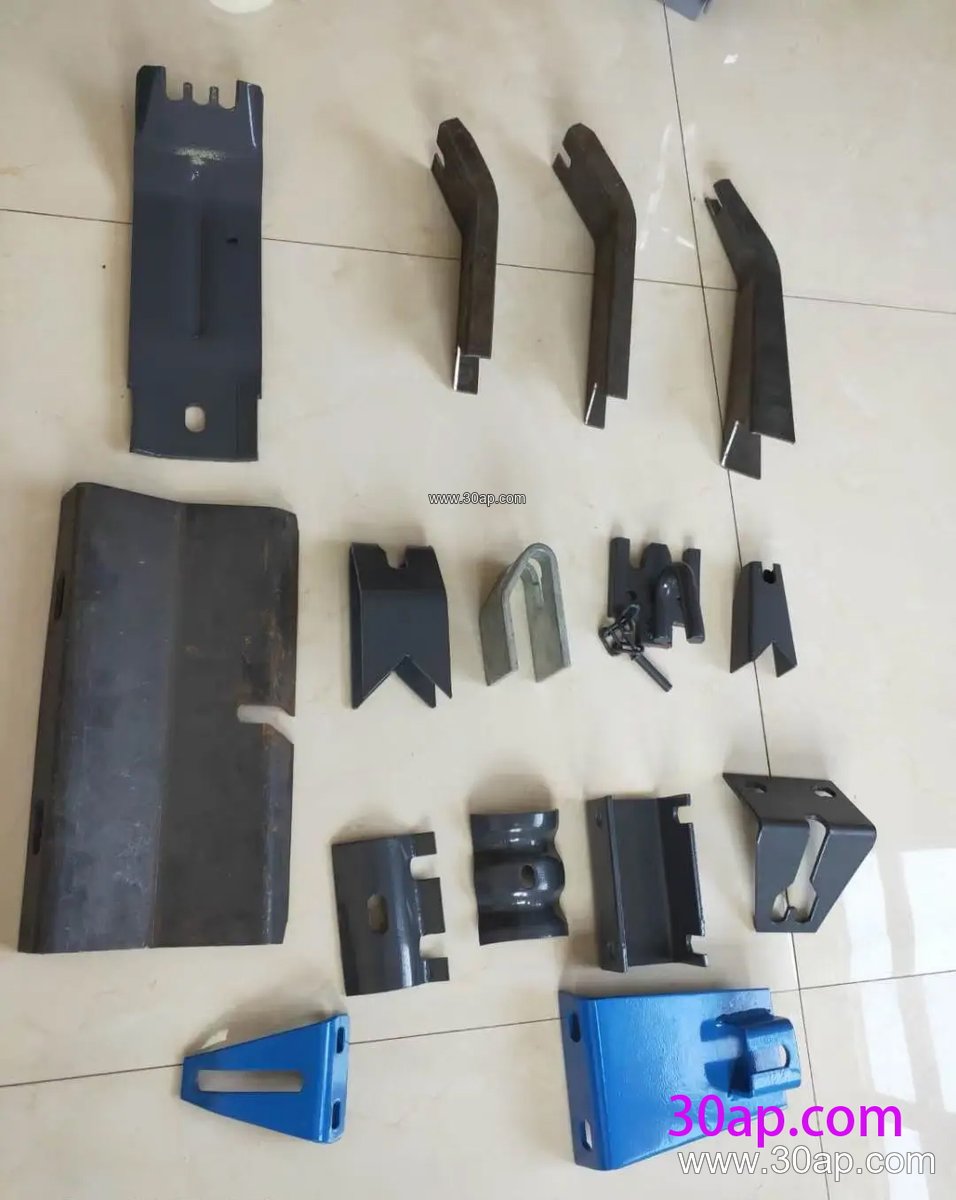
Most legs are fabricated from angle steel, channel steel, or folded steel plate. A fixed leg is cut and drilled to one height. An adjustable conveyor support leg uses slotted holes or a telescopic section so the frame height can be trimmed on site, which helps when a foundation is slightly out of level. Bolt holes are usually matched to the crossbeam and to the conveyor bracket that ties the leg to the stringer.
Typical reference data for planning looks like this:
- Belt width range: B500, B650, B800, B1000, B1200, B1400, B1600, B1800
- Trough angle: 20, 30, 35, or 45 degrees, adjustable on some stands
- Idler diameter commonly paired: Ø89, Ø108, Ø133, Ø159
- Material: angle, channel, or folded plate
Hole spacing and beam length change with belt width and trough angle, so they should be confirmed per design rather than assumed. A B800 frame at 35 degrees with Ø108 idlers is a common combination, but it is not the only valid one; a B1200 line at 45 degrees with Ø133 rollers is equally normal. A belt width does not lock the leg to one roller diameter.
Where It Fits on the Line
Support legs appear under troughing stations, transition frames, and return stands. In a limestone mine, legs under the loading zone may sit beside impact-resistant idlers and a heavy-duty conveyor belt. In a cement plant, the same legs hold frames beneath a heat resistant conveyor belt on clinker lines, while a coal mining conveyor belt in a wash plant may need frames that tolerate constant moisture and fines.
Legs also work alongside skirting and sidewalls. A skirted conveyor belt or a corrugated sidewall conveyor belt needs a rigid frame so the rubber does not rub on the structure, and the legs carry that rigidity. On a pipe conveyor belt line, taller stands support the panel frames that hold the belt in its tube shape. In a port or ship loading system, long overland structures rely on repeated leg stations to keep the steel cord conveyor belt aligned over hundreds of meters. For abrasive ore, an abrasion resistant conveyor belt and a well-aligned frame reduce edge damage together.
Fixed, Adjustable, and Matching the Frame
Fixed legs suit permanent installations where the foundation is accurate. Adjustable stands are useful for retrofit work, for transition zones where the trough angle changes from flat to 35 degrees, and for leveling after settlement. Self-aligning idler frames are often mounted on the same legs, but the leg itself does not steer the belt; it only provides a stable base.
A buyer should confirm the belt width, trough angle, roller diameter, mounting hole pattern, leg height, and surface treatment. Ask whether the stand is designed for a specific conveyor bracket and crossbeam, and check that the leg can accept the load of a full belt, not just the empty frame. For a crusher conveyor belt or a bulk material conveyor belt handling dense rock, the frame and legs should be sized for the surge load.
Installation and Maintenance Notes
Set legs on shims or grout pads so the crossbeam is level across the belt. Check bolt torque after the first week of running, because vibration loosens fittings. Inspect for corrosion at the base, especially in fertilizer plants or coastal ports. A bent leg should be replaced rather than straightened, since alignment affects the whole idler roller set. Keep a small stock of spare legs for the most common widths on site so a damaged station can be restored without stopping the line for long.