What Conveyor Bracket Procurement Covers
Conveyor bracket procurement is the process of sourcing the structural supports that hold idler rollers in place along a conveyor system. These brackets, often called conveyor support brackets or idler frames, are not a single part. The category includes troughing brackets, return brackets, transition brackets, self-aligning brackets, impact brackets, and adjustable designs. Each subtype has a distinct role, and buyers should specify the exact type rather than treating all brackets as interchangeable.
In a quarry or a coal handling plant, the bracket set determines how well the conveyor belt is supported under load. A poorly matched bracket can cause belt misalignment, premature roller wear, and spillage. Procurement therefore starts with a clear understanding of the conveyor layout, the belt width, and the roller diameter.
How a Conveyor Bracket Is Built
Most brackets are fabricated from angle steel, channel steel, or folded steel plate. The material grade and thickness are usually selected according to the load and the environment. In dusty or corrosive locations, surface treatment such as painting or galvanizing is common. The bracket geometry includes mounting holes for the idler roller shaft and a crossbeam that sets the trough angle.
Common belt widths for bracket matching include B500, B650, B800, B1000, B1200, B1400, B1600, B1800, B2000, B2200. Trough angles are typically 20, 30, 35, or 45 degrees. Roller diameters often used are Ø89, Ø108, Ø133, Ø159, and Ø194. A typical combination might be written as B800, 35 degrees, Ø108, but this is a reference example, not a fixed rule. Installation hole spacing and crossbeam length vary with belt width and trough angle and should be confirmed by design.
Where These Brackets Are Used
Conveyor brackets appear wherever a conveyor belt needs consistent roller support. In a limestone mine, troughing brackets keep the belt in a stable trough on the carrying side, while return brackets support the empty belt. In a cement plant, transition brackets help guide the belt from a flat pulley to a troughed section. In a power plant coal yard, self-aligning brackets can reduce belt drift on long runs.
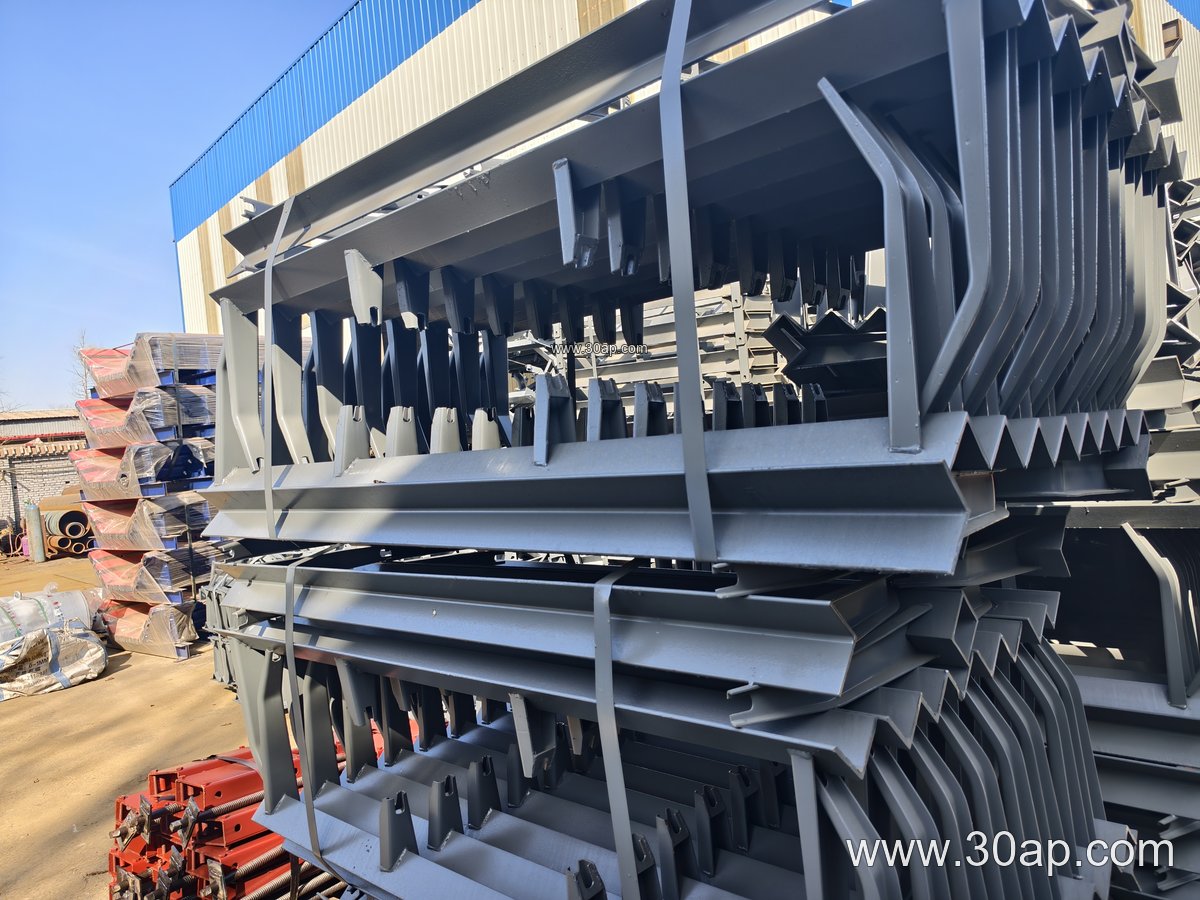
The same bracket family is used in sand and gravel lines, crushing and screening plants, and port loading systems. The working environment influences material choice: a wash plant may call for galvanized brackets, while a dry aggregate yard may use painted steel. The bracket does not work alone; it interacts with the conveyor belt, the idler roller, and the conveyor pulley. A mismatch between bracket trough angle and roller set can affect belt training and energy consumption.
Key Choices in Conveyor Bracket Procurement
Buyers should define the bracket subtype first. Troughing brackets, return brackets, and transition brackets are not substitutes for one another. Adjustable brackets allow the trough angle to be changed within a range, which can be useful during commissioning. Fixed brackets are simpler and often preferred where the conveyor profile is already settled.
Other procurement points include:
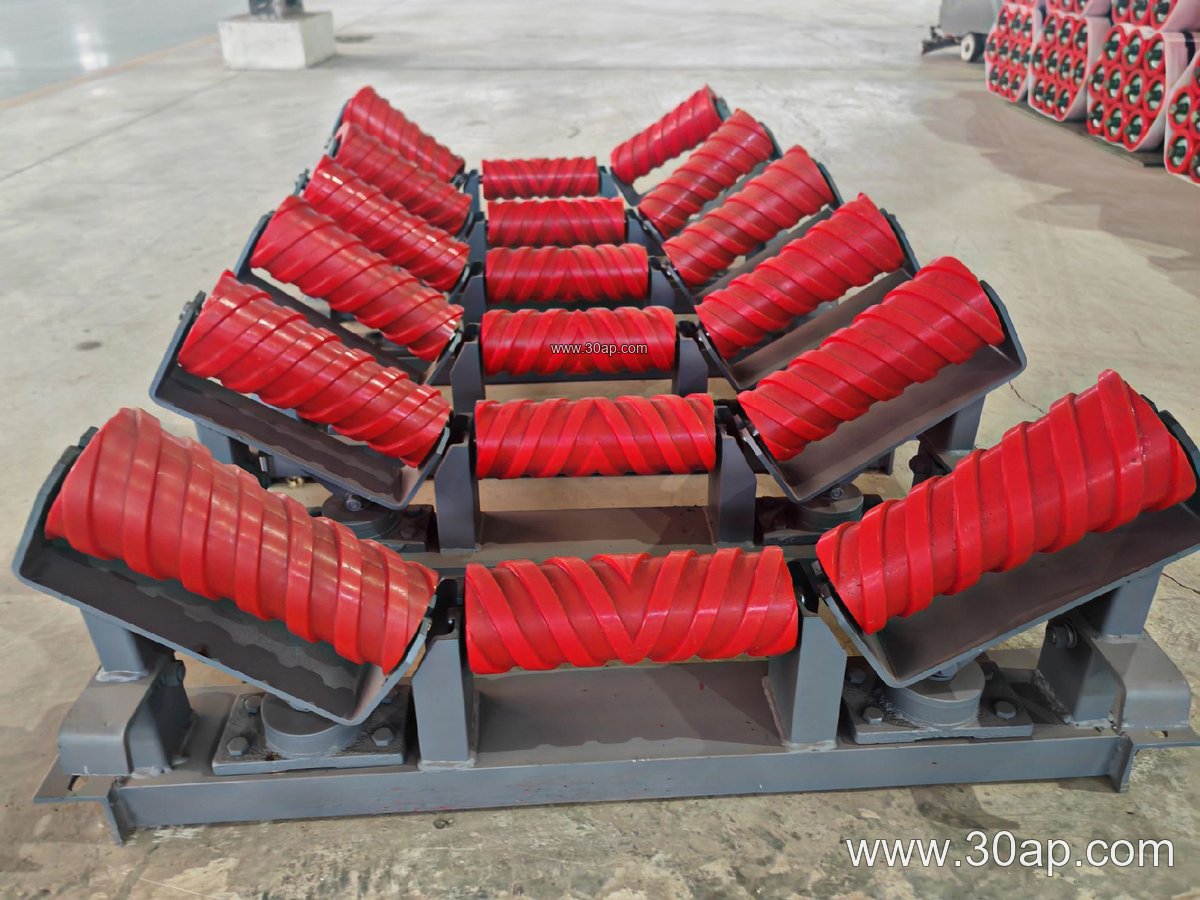
- Confirm belt width and roller diameter before ordering.
- State the required trough angle and whether adjustment is needed.
- Specify material and surface treatment for the site conditions.
- Check mounting dimensions against the conveyor frame drawing.
- Consider impact brackets at transfer points where material falls onto the belt.
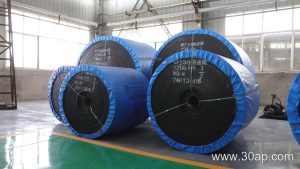
For heavy-duty mining conveyor belt systems, bracket strength and corrosion protection deserve extra attention. In food or chemical applications, the bracket may need a different coating, but the structural principle remains the same.
Working With Related Components
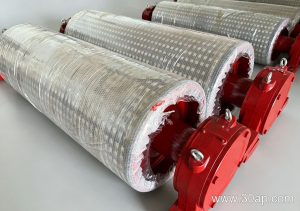
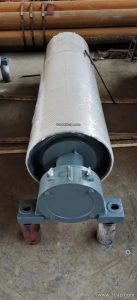
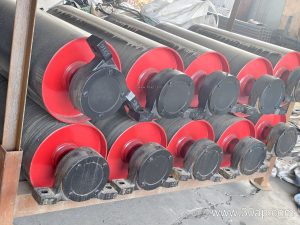
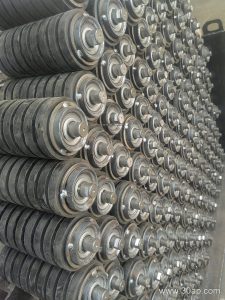
A bracket order rarely stands alone. The same procurement plan may include conveyor pulleys, such as drive and tail pulleys, and idler rollers. These are separate items with their own specifications. The bracket must match the roller shaft and the frame, while the pulley selection depends on belt tension and drive requirements. Keeping the component list clear helps avoid mixing up subtypes during purchasing.
For bulk material conveyor belt projects, it is practical to group brackets by conveyor section: carrying side, return side, transition zone, and loading point. This makes it easier to compare quotations and verify that each bracket type is supplied as intended.
Practical Procurement Notes
Request dimensional drawings with the quotation. Confirm that the bracket crossbeam length and hole spacing suit the specified belt width and trough angle. Ask about the surface treatment and the steel grade, but treat these as design choices rather than universal standards. For a quarry conveyor belt or a coal mining conveyor belt installation, a small difference in bracket angle can affect belt tracking over time.
Finally, keep the bracket specification separate from pulley and roller specifications. Drive pulleys, tail pulleys, and bend pulleys are not interchangeable, and the same discipline applies to bracket subtypes. Clear naming and accurate dimensions are the foundation of a smooth conveyor bracket procurement process.