What an NN100 Conveyor Belt Is
An NN100 Conveyor Belt is a fabric-core rubber belt built on nylon (polyamide) warp and weft cords. In the naming convention used across the conveyor industry, NN stands for nylon-nylon, and the number 100 refers to the nominal tensile strength of the carcass, expressed in newtons per millimeter of belt width. That places the NN100 Conveyor Belt at the entry point of the nylon belt family, above lighter cotton or blended constructions and below heavier grades such as NN200, NN300, and NN400.
Because the carcass is all-nylon, the belt combines high tensile strength with excellent flexibility and strong resistance to fatigue. It also absorbs shock loads well, which is why this grade is often found on medium-duty lines where starting, stopping, and lump impact are part of daily operation. Where a plain fabric-core belt suits lighter service, an EP Conveyor Belt may be chosen for lower elongation, and a Steel Cord Conveyor Belt takes over when very long centers demand maximum strength.
How the Belt Is Constructed
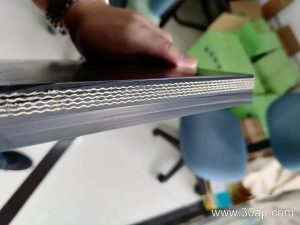
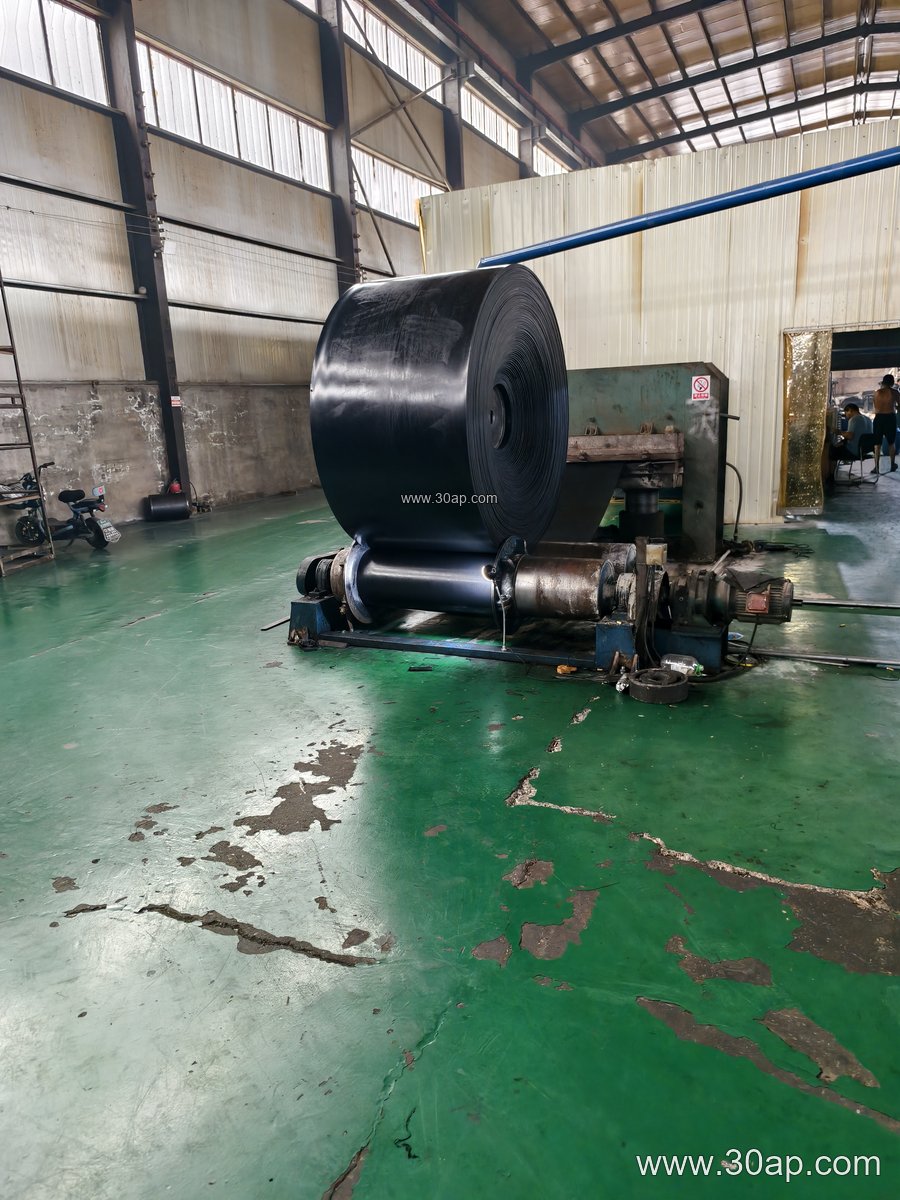
An NN100 Conveyor Belt is typically a Multi-Ply Fabric Core Conveyor Belt. Common carcass builds run from two to six plies, with the ply count matched to the required strength and the pulley diameters on the conveyor. The nylon fabric is skimmed and frictioned with rubber compound, assembled into a carcass, and then covered on both faces with abrasion-resistant rubber.
Cover thickness is stated as top plus bottom gauge. Typical combinations include 3+1.5 mm, 4+2 mm, 5+2 mm, 6+2 mm, and 8+3 mm. The top cover carries the material and takes the wear; the bottom cover protects the carcass against the idler roller and pulley surfaces. Edge construction and splice preparation deserve attention at the buying stage, because a well-finished edge reduces the risk of ply separation in service.
Common Specifications at a Glance
The values below are reference data only. Actual construction should be confirmed with the manufacturer for each project.
| Parameter | Typical Range |
|---|---|
| Carcass type | NN nylon fabric, 2 to 6 plies |
| Nominal strength | NN100 grade |
| Belt width | B500, B650, B800, B1000, B1200, B1400, B1600 |
| Cover gauge | 3+1.5, 4+2, 5+2, 6+2, 8+3 mm |
| Surface options | Plain, patterned, chevron, sidewall |
Width and pulley diameter are selected together with the conveyor designer, not fixed one-to-one. A wider belt does not automatically dictate a particular shaft size; that depends on the pulley, bearing, and drive arrangement.
Where It Fits in Real Plants
The NN100 Conveyor Belt is widely used in cement plants, power plants, quarries, sand and gravel yards, and general bulk material handling. It moves crushed stone, clinker, sand, fertilizer, and similar materials on inclined and horizontal lines. In a coal mining conveyor belt circuit, flame retardant and anti-static versions are often specified, so the same NN construction may be supplied as a Flame Retardant Conveyor Belt or Anti-Static Conveyor Belt to suit underground or dusty conditions.
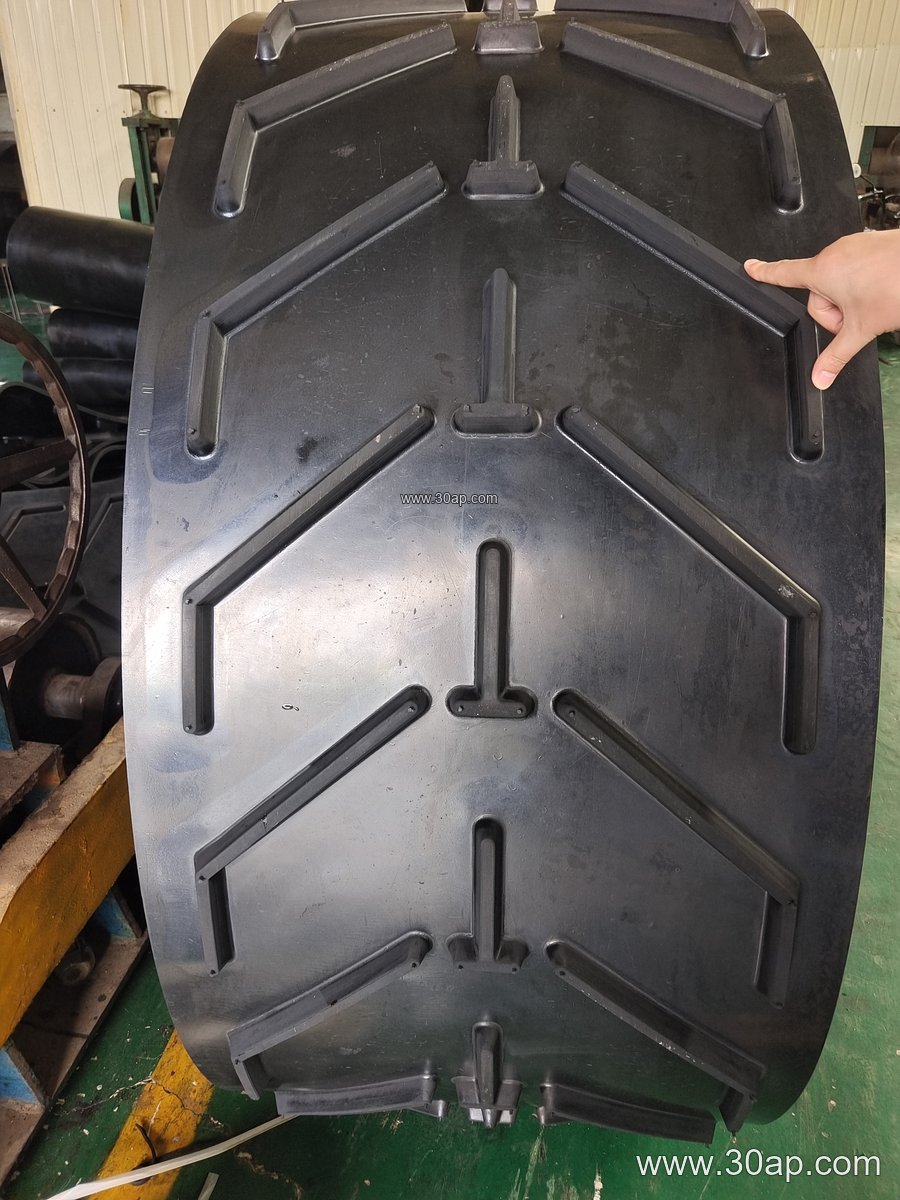
Other working environments call for different cover compounds. A Heat Resistant Conveyor Belt protects the carcass near hot clinker or sinter, an Oil Resistant Conveyor Belt handles oily scrap and grains, and a Cold Resistant Conveyor Belt keeps flexibility in freezing yards. Where material must be contained on a steep incline, a Chevron Conveyor Belt or a Corrugated Sidewall Conveyor Belt is used instead of a plain surface. Our conveyor belt range includes these variants alongside the standard NN100 grade.
Matching the Belt to Pulleys and Idlers
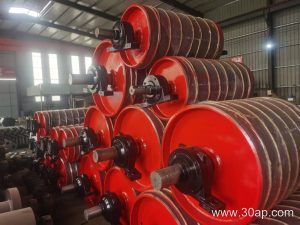
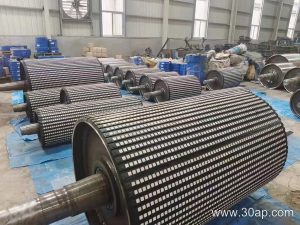
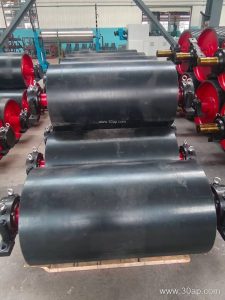
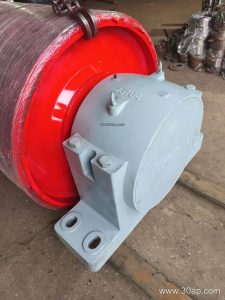
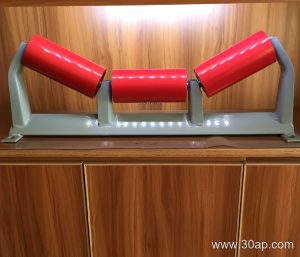
Belt life depends on the whole conveyor, not the belt alone. Drive pulleys, tail pulleys, and bend pulleys each do a different job, and none of them is a substitute for another. Bend pulleys, for example, are commonly smaller in diameter than the drive pulley, so the carcass must be flexible enough to wrap them without ply fatigue. Check that the conveyor pulley diameters, the idler roller spacing, and the belt ply count are consistent with the belt maker’s recommendations.
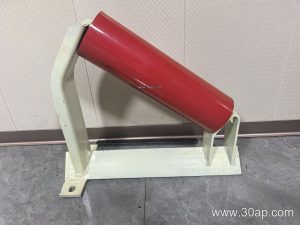
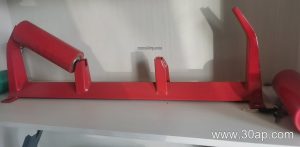
Also confirm the conveyor bracket and frame alignment, belt tracking, and take-up travel. A small misalignment at the tail end can shorten belt life more than a change of cover grade. When ordering, state the belt width, ply count, cover gauges, splice type, and any special surface requirement so the supplier can match the construction to the duty.
Buyer Checklist
- Confirm the required nominal strength and ply count for the conveyor length and load.
- State the belt width and the smallest pulley diameter on the line.
- Choose cover gauges for the actual abrasion, heat, oil, or cold exposure.
- Decide on surface form: plain, chevron, or sidewall, depending on incline and material.
- Ask for the splice method and edge finish to match your maintenance practice.
For cement, quarry, and power plant projects, an NN Conveyor Belt of the NN100 grade is often the practical middle ground: strong enough for steady bulk flow, flexible enough for compact pulley layouts, and available with the cover compounds that keep a line running through dusty, wet, or hot conditions.