What a Conveyor Bracket Does
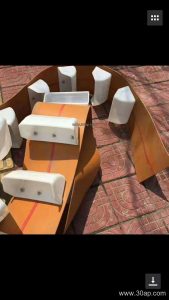
A conveyor bracket is the structural support that holds idler rollers in position along a conveyor frame. In a troughing station, the bracket sets the idler roll angle and keeps the belt profile stable under load. It also transfers the weight of the loaded belt and material into the main frame. The same bracket family covers fixed and adjustable designs, and the choice depends on the belt width, material tonnage, and the level of maintenance access available on site.
On a typical aggregate or cement plant conveyor, the bracket is bolted to the stringer or cross beam. The roller shafts sit in slots or holes on the bracket arms. A well-aligned bracket reduces belt edge stress and helps avoid material spillage. For a quarry conveyor belt or a power plant coal conveyor, the bracket is one of the most frequently inspected parts because it takes both static load and vibration.
Construction and Common Forms
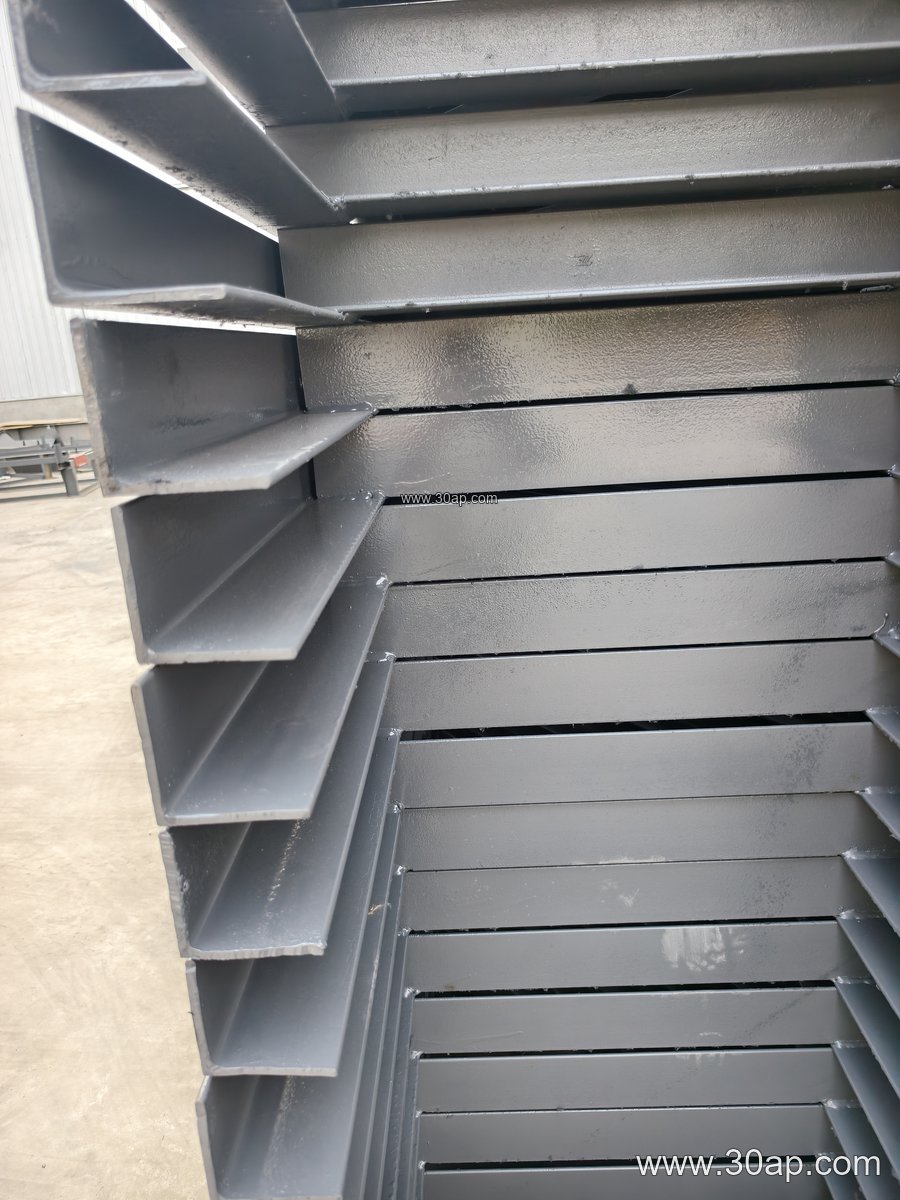
Most brackets are made from angle steel, channel steel, or folded steel plate. The material grade and thickness are selected according to the load and the installation environment. In dusty or wet conditions, galvanized or painted finishes are common. The bracket may be a single welded assembly or a bolted set of arms that can be replaced individually.
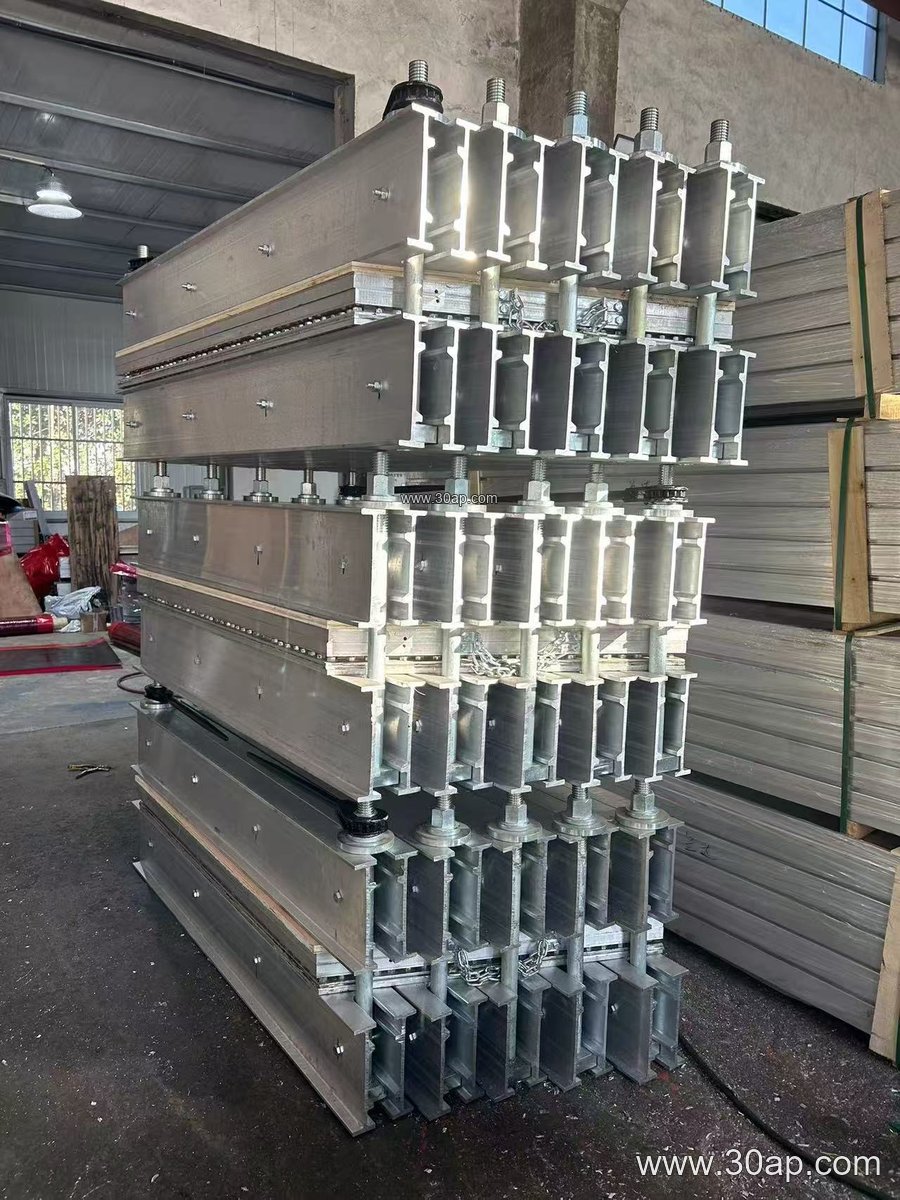
Bracket types are usually matched to the station position on the conveyor. Common forms include:
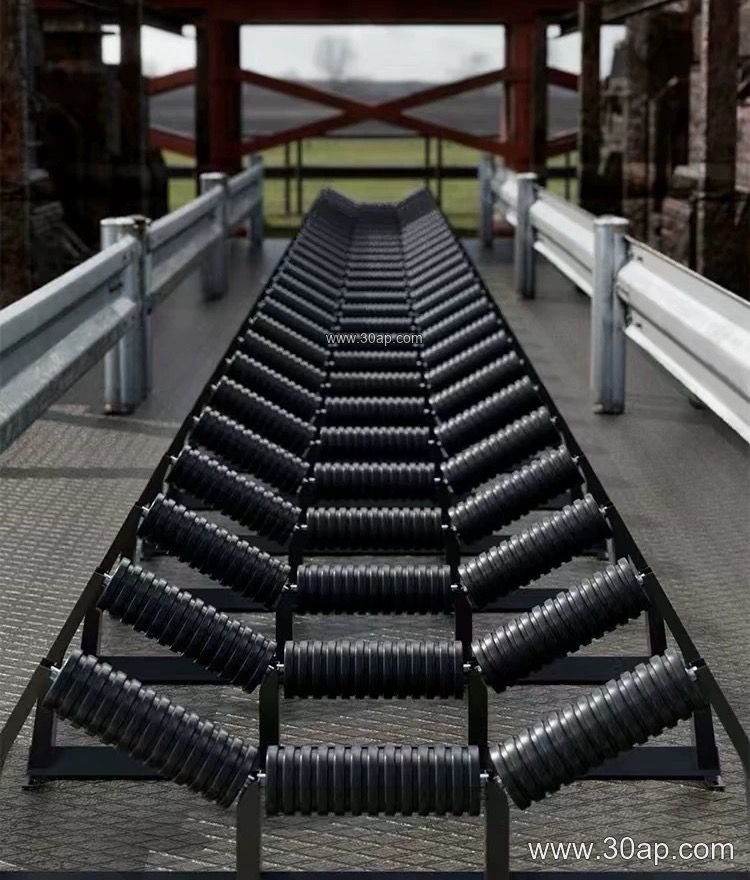
- Troughing bracket for carrying idlers, often set at 20, 30, 35, or 45 degrees
- Transition bracket near the head or tail to ease the belt from flat to troughed
- Return bracket and V-return bracket for the lower belt run
- Impact bracket under the loading point, often paired with impact idlers
- Self-aligning bracket for belt tracking control
- Adjustable bracket that can change trough angle on site
- Hanging bracket for suspended idler arrangements
Forward-leaning brackets are sometimes used to assist belt tracking; a common tilt is about 1.5 to 2 degrees. This is a design choice, not a universal rule. The bracket should be matched to the idler diameter and the belt width, and the mounting hole spacing and beam length are determined by the conveyor design rather than by a single fixed value.
Where These Brackets Are Used
Conveyor brackets appear wherever a belt conveyor moves bulk material. In a limestone quarry, they support the troughing idlers on a crusher conveyor belt line. In a coal preparation plant or underground coal mining conveyor, flame retardant conveyor belt and anti-static conveyor belt are common, and the bracket must be compatible with the roller and frame system. In a cement plant, heat resistant conveyor belt may be used near clinker handling, while the bracket still performs the same structural role.
Other typical sites include iron ore and copper ore handling, port ship loading conveyors, steel plant sinter lines, and sand and gravel plants. In each case, the bracket needs to suit the belt width, the idler roller diameter, and the local dust and moisture conditions. A heavy-duty mining conveyor belt may require a more robust bracket and larger roller diameter than a light aggregate line, but the bracket itself is selected from the conveyor design rather than from the belt alone.
Matching Brackets to Belt and Roller Sizes
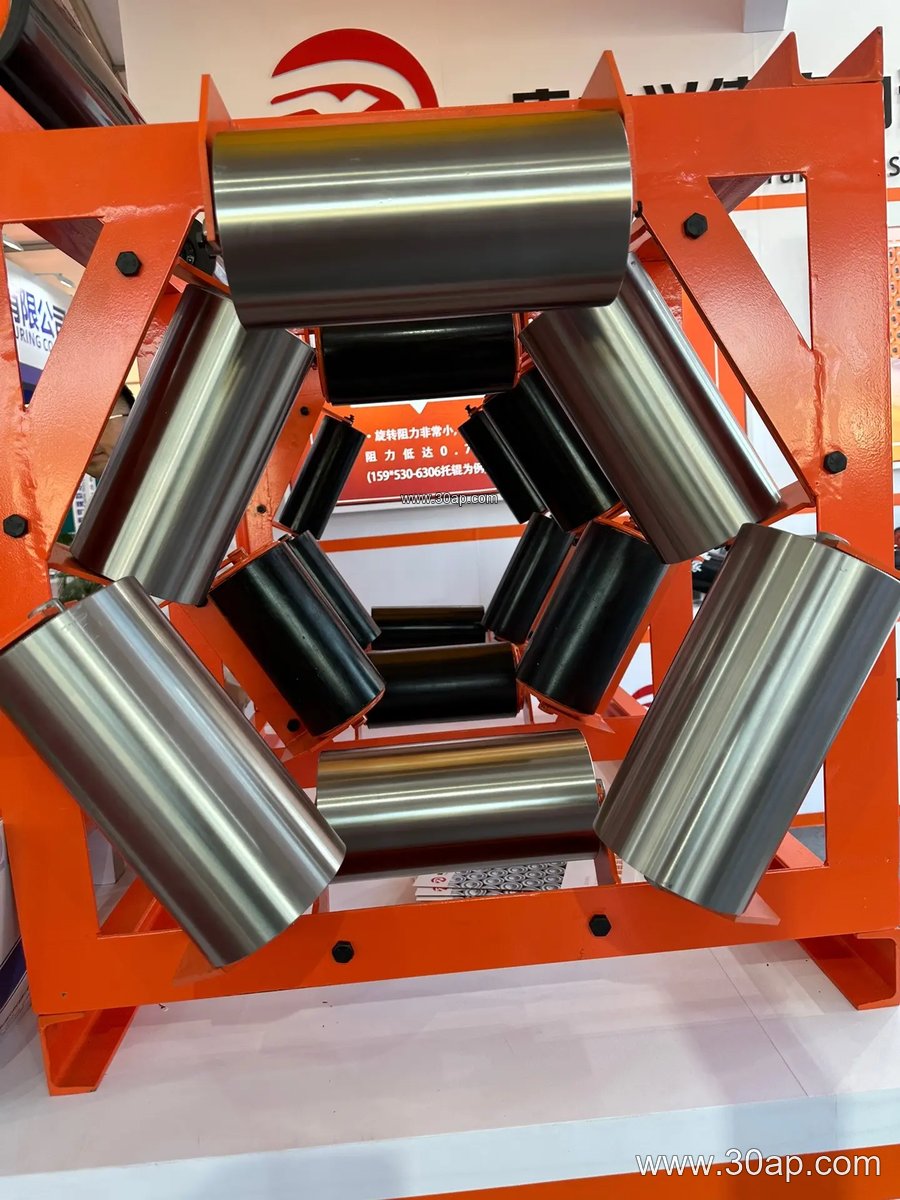
Belt width and roller diameter are usually considered together. A B800 conveyor may run with 30-degree troughing and Ø108 idlers, while a B1200 line might use 35 or 45 degrees with Ø133 rollers. These are examples, not fixed pairings. The same belt width can be used with different trough angles and roller diameters depending on the material, capacity, and frame design.
Common reference values for bracket selection are shown below. They are indicative and should be confirmed against the actual conveyor layout.
| Belt width | Trough angle (common) | Idler diameter (common) | Bracket note |
|---|---|---|---|
| B500 | 20–30° | Ø89 | Light to medium duty |
| B650 | 20–35° | Ø89–Ø108 | Adjustable options available |
| B800 | 30–35° | Ø108 | Common aggregate and cement use |
| B1000 | 30–45° | Ø108–Ø133 | Check transition bracket layout |
| B1200 | 35–45° | Ø133 | Heavier frame and bracket |
| B1400 | 35–45° | Ø133–Ø159 | Mining and port applications |
| B1600 | 35–45° | Ø159 | High load stations |
| B1800 | 35–45° | Ø159–Ø194 | Heavy-duty conveyor bracket |
| B2000 | 35–45° | Ø194 | Large bulk handling |
Installation hole spacing and cross beam length vary with belt width, trough angle, and bracket type. These dimensions are normally taken from the conveyor drawing rather than assumed from the belt width alone.
Buyer Checklist
Before ordering, confirm the station position, belt width, trough angle, idler diameter, and mounting dimensions. Ask whether the bracket is fixed or adjustable, and whether it is intended for carrying, return, impact, or transition duty. Check the frame hole pattern and the roller shaft fixing method. For dusty or corrosive sites, confirm the surface finish. For a coal mining conveyor belt system, confirm that the bracket and roller arrangement are compatible with the flame retardant conveyor belt and anti-static requirements of the installation.
A practical spare-parts plan should include a small number of complete bracket assemblies for the most heavily loaded stations. Inspecting bracket alignment after roller replacement helps prevent belt mistracking and edge damage. When replacing a bracket, match the new part to the existing frame and roller, and avoid mixing trough angles within the same station.
For more information on conveyor components, including conveyor belt, idler roller, and conveyor pulley options, consult the conveyor designer’s specification and the component supplier’s dimensional data.