What a Power Plant Conveyor Belt Does
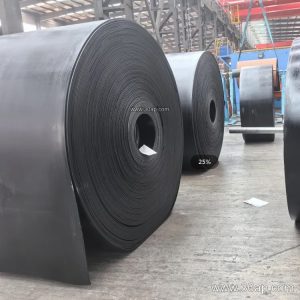
A power plant conveyor belt is the continuous load-bearing element that moves coal, biomass, limestone, ash, or gypsum between unloading points, stockpiles, bunkers, and boilers. In a coal-fired station it is part of a fuel handling system that may run for many hours a day, so the belt has to combine tensile strength with reliable splices and predictable wear life. The same product is often called a power station conveyor belt, and both names describe the same component rather than a separate category.
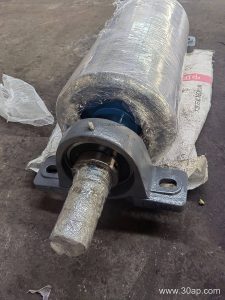
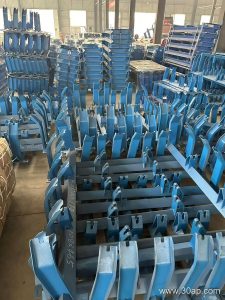
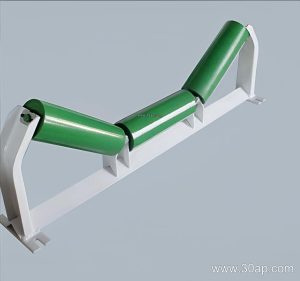
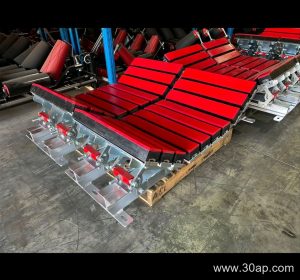
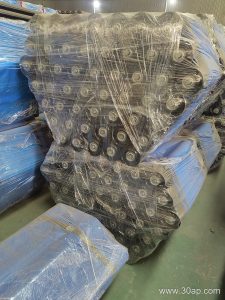
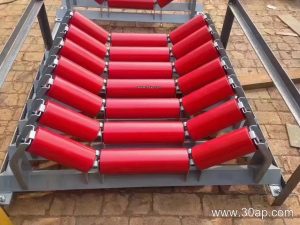
The belt works with a conveyor pulley at the head and tail, idler roller sets along the carrying and return runs, and conveyor brackets that hold the structure together. Tension, alignment, and loading all influence how long the belt lasts, which is why buyers treat the belt and the conveyor layout as one system.
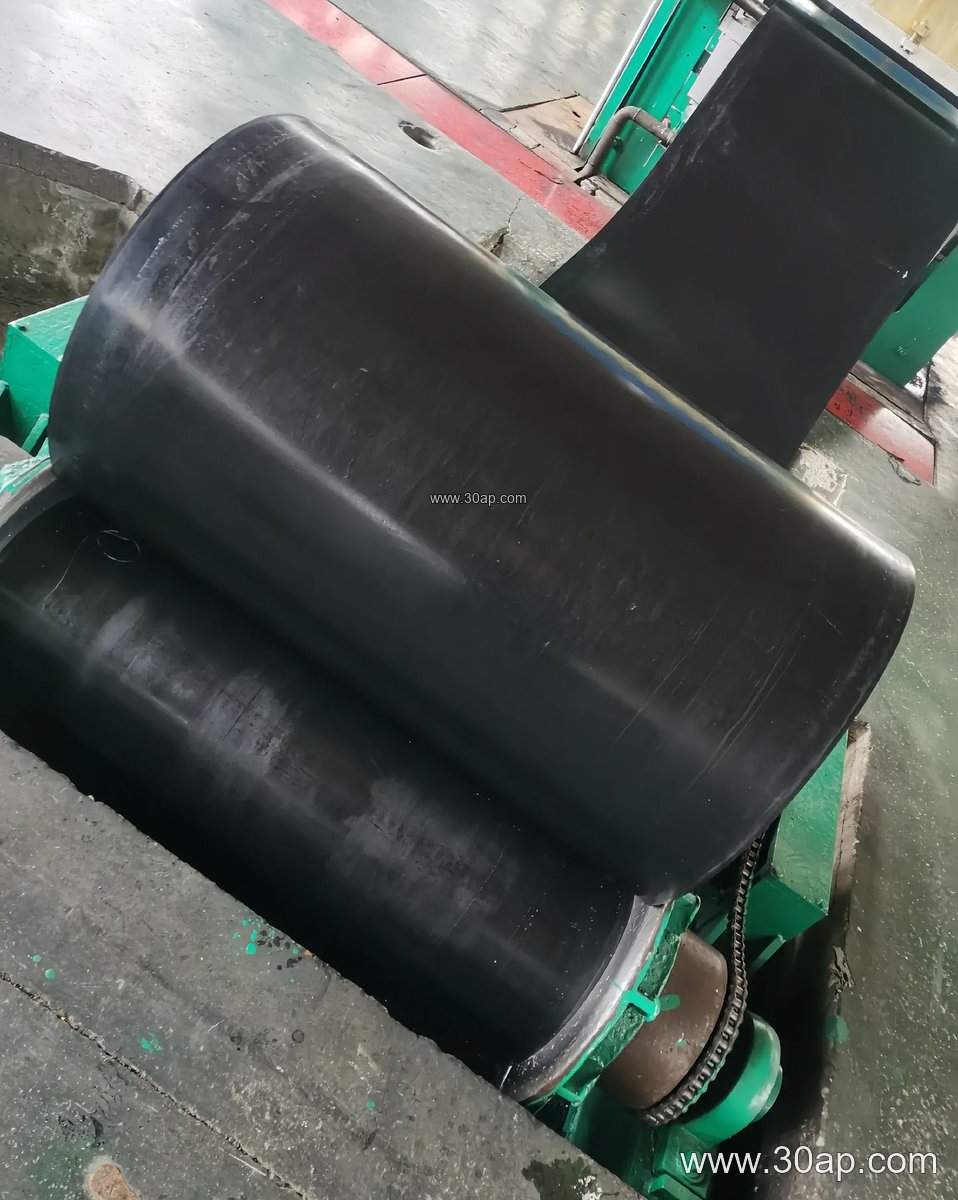
Construction and Common Belt Types
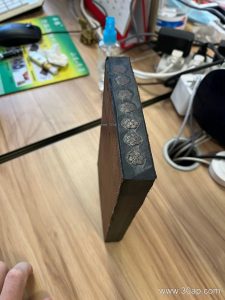
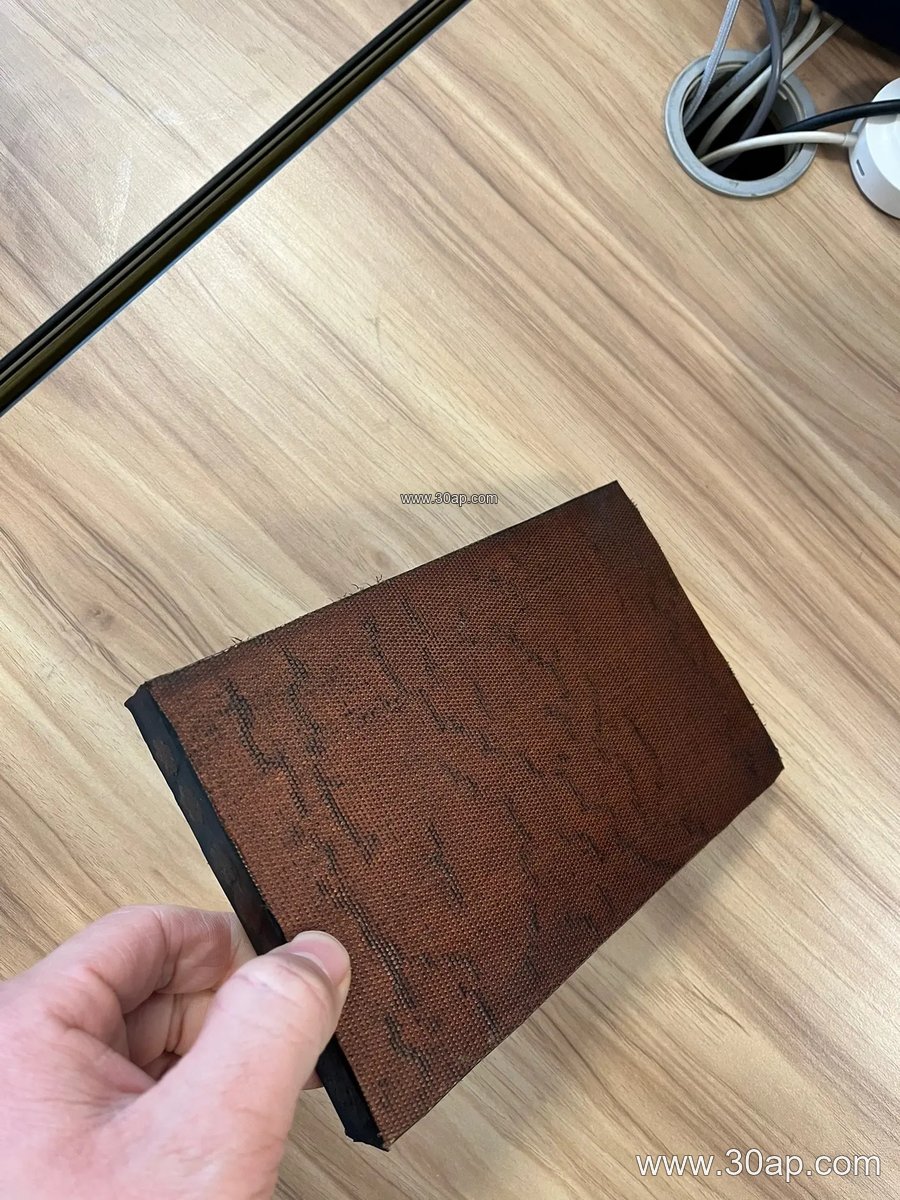
Most belts used in power generation combine a fabric or steel cord carcass with rubber covers. Fabric Core Conveyor Belt constructions use EP or NN plies; Steel Cord Conveyor Belt constructions use brass-plated wires for very long runs and high tension. Cover compounds are chosen for the cargo: an Abrasion Resistant Conveyor Belt for coal and limestone, a Heat Resistant Conveyor Belt for clinker or hot ash, and a Flame Retardant Conveyor Belt or Fire Resistant Conveyor Belt where fire safety rules require it. Anti-Static Conveyor Belt grades are also common in coal handling.
Typical carcass grades include EP200, EP400, EP630, EP1000, and EP1250, while steel cord grades range from ST1000 to ST2500 depending on the duty. Common belt widths sit between B650 and B2000, and cover thickness is often written as 4+2 mm, 6+2 mm, or 8+3 mm. These values are design references, not fixed rules; final selection follows the conveyor calculation and the supplier’s data.
Reference data for early planning
| Item | Common reference values |
|---|---|
| Fabric carcass grades | EP200, EP315, EP400, EP500, EP630, EP800, EP1000, EP1250, EP1600 |
| Steel cord grades | ST1000, ST1250, ST1600, ST2000, ST2500 |
| Belt width | B500, B650, B800, B1000, B1200, B1400, B1600, B1800, B2000 |
| Cover thickness | 3+1.5 mm, 4+2 mm, 5+2 mm, 6+2 mm, 8+3 mm |
| Carcass plies | Usually 2 to 6 layers for fabric belts |
Where It Fits in the Plant
Coal yards, bunker feeding lines, limestone preparation, and ash removal all rely on this equipment. A Coal Mining Conveyor Belt may share the same carcass grade as a plant belt, but power stations usually add fire safety and anti-static requirements. In cement plants and quarries, a Quarry Conveyor Belt or Aggregate Conveyor Belt often handles sharper rock, so a High Abrasion Resistant Conveyor Belt may be preferred. Ports and ship loading terminals use wide belts for high tonnage, while a Pipe Conveyor Belt can enclose dusty cargo on curved routes.
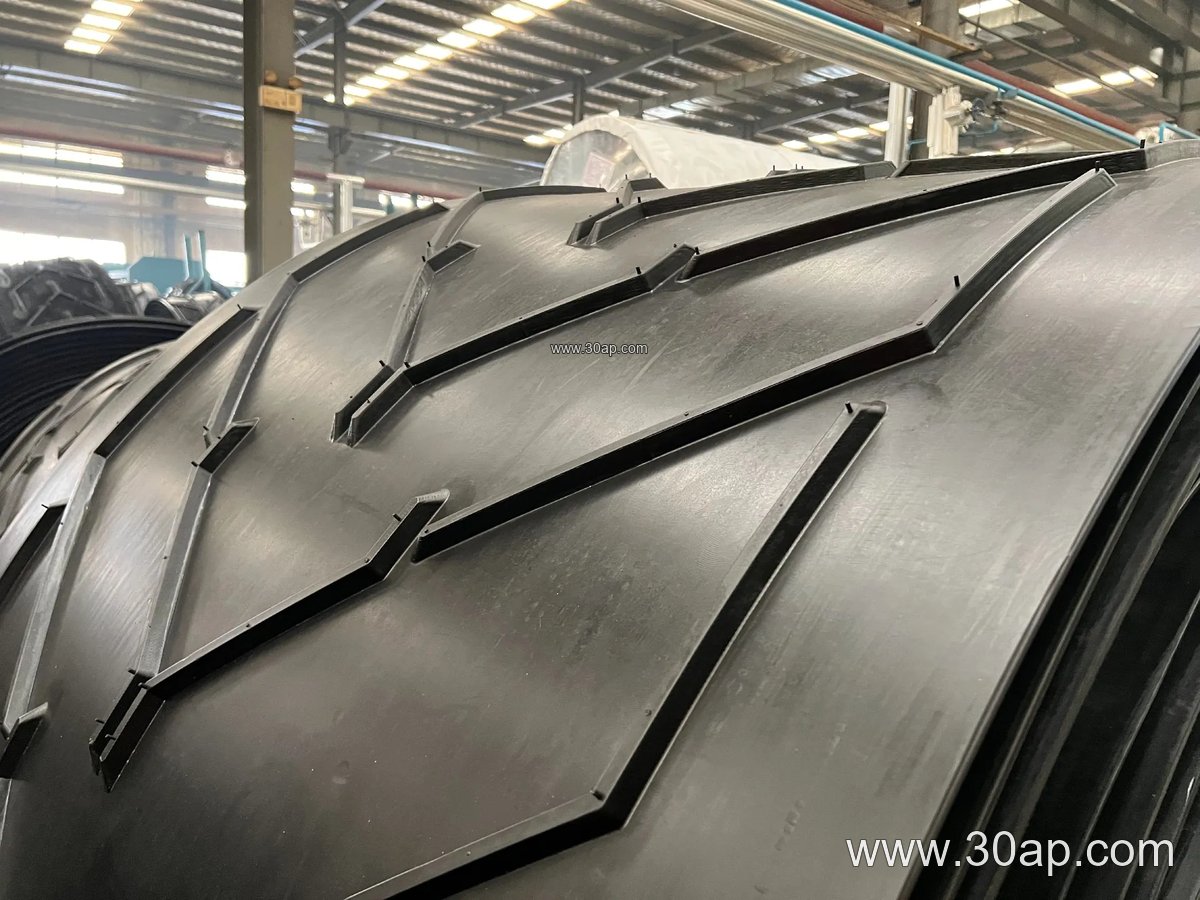
Special profiles solve specific problems: a Chevron Conveyor Belt or Corrugated Sidewall Conveyor Belt holds material on steep inclines, and a Skirted Conveyor Belt reduces spillage at transfer points. An Endless Conveyor Belt is sometimes chosen where splice quality is critical. For cold climates, a Cold Resistant Conveyor Belt keeps flexibility; for oily cargo, an Oil Resistant Conveyor Belt protects the carcass.
Buyer Checklist
- Confirm the actual cargo, lump size, temperature, and moisture before choosing covers.
- Match belt tension to the drive and take-up design; do not pick a grade from width alone.
- Check pulley diameters against the belt manufacturer’s minimum bend recommendations.
- Review splice method, edge condition, and whether an anti-static or flame retardant grade is required.
- Plan inspection of idler roller rotation, pulley lagging, and bracket alignment as part of routine maintenance.
For more technical data on conveyor belt, pulley, and idler roller options, buyers can compare grades against the plant’s duty cycle. A well-matched Power Plant Conveyor Belt reduces downtime at transfer points and keeps fuel or ash moving steadily through the station.