What a Double-Sealed Idler Does on a Conveyor
A double-sealed idler is a carrying or return roller whose bearing housing uses two sealing elements in series, so dust, grit, and moisture must pass two barriers before reaching the bearing. In a quarry, limestone mine, cement plant, or coal handling circuit, that extra barrier is often the difference between a roller that turns freely for years and one that seizes within a few months. The same roller is also called a double-seal idler roller, and both names describe the same component.
The seals matter because the roller is the cheapest part of the line but one of the most frequent causes of stoppage. A seized idler can wear through a conveyor belt cover, raise drive power demand on the conveyor pulley, and force unplanned maintenance. Double sealing is a small design choice with a large effect on uptime.
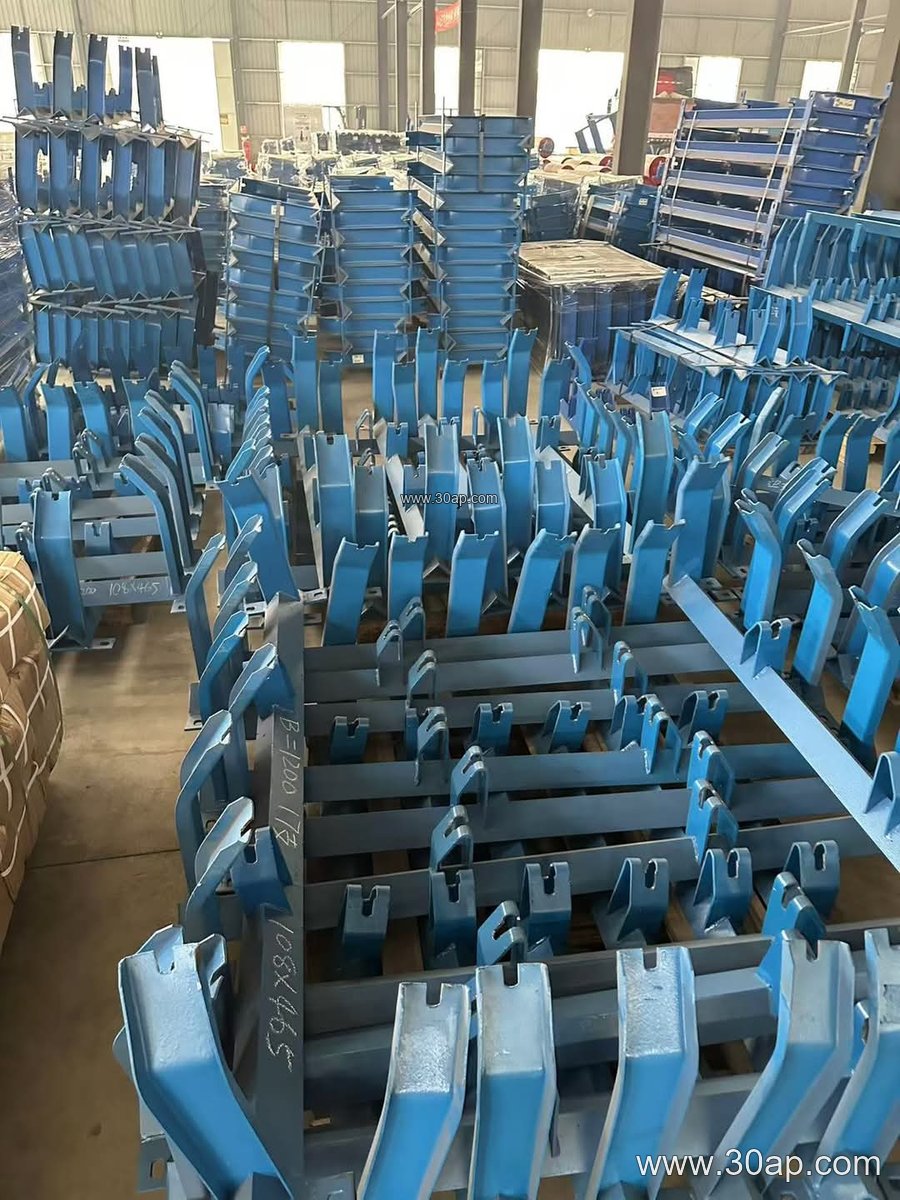
How the Sealing Arrangement Is Built
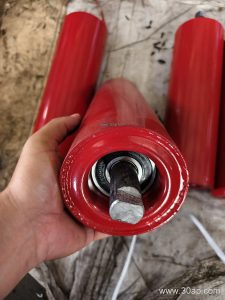
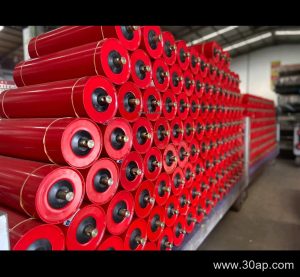
Inside a typical double-sealed idler you will find a steel tube shell, a through shaft, and a bearing at each end, usually a deep-groove ball bearing. The seal package normally combines an outer labyrinth or dust lip with an inner lip seal, and often a grease-filled chamber between them. The labyrinth throws off coarse particles; the inner lip keeps fine dust and water away from the bearing race. Grease in the gap adds a further barrier and can purge contaminants outward during relubrication.
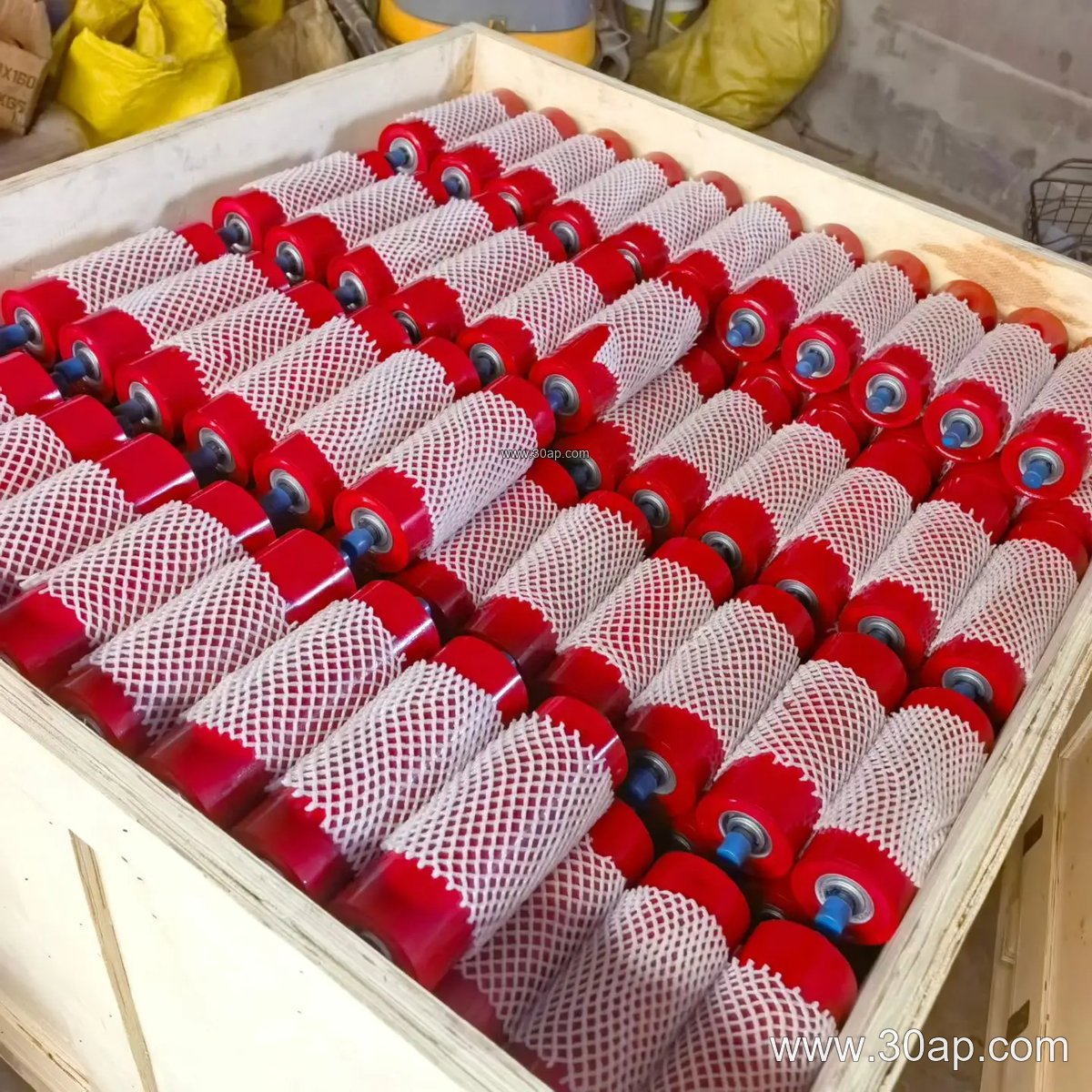
Shell material is commonly steel tube, with nylon, ceramic, or rubber rings available on idlers where belt protection or material build-up is a concern. Bearing sizes follow the shaft and load design rather than the belt alone, and common bearings include 6204, 6205, 6305, 6306, 6308, and 6310. A double-sealed roller does not have to use a special bearing; the protection comes from the seal stack and the housing fit.
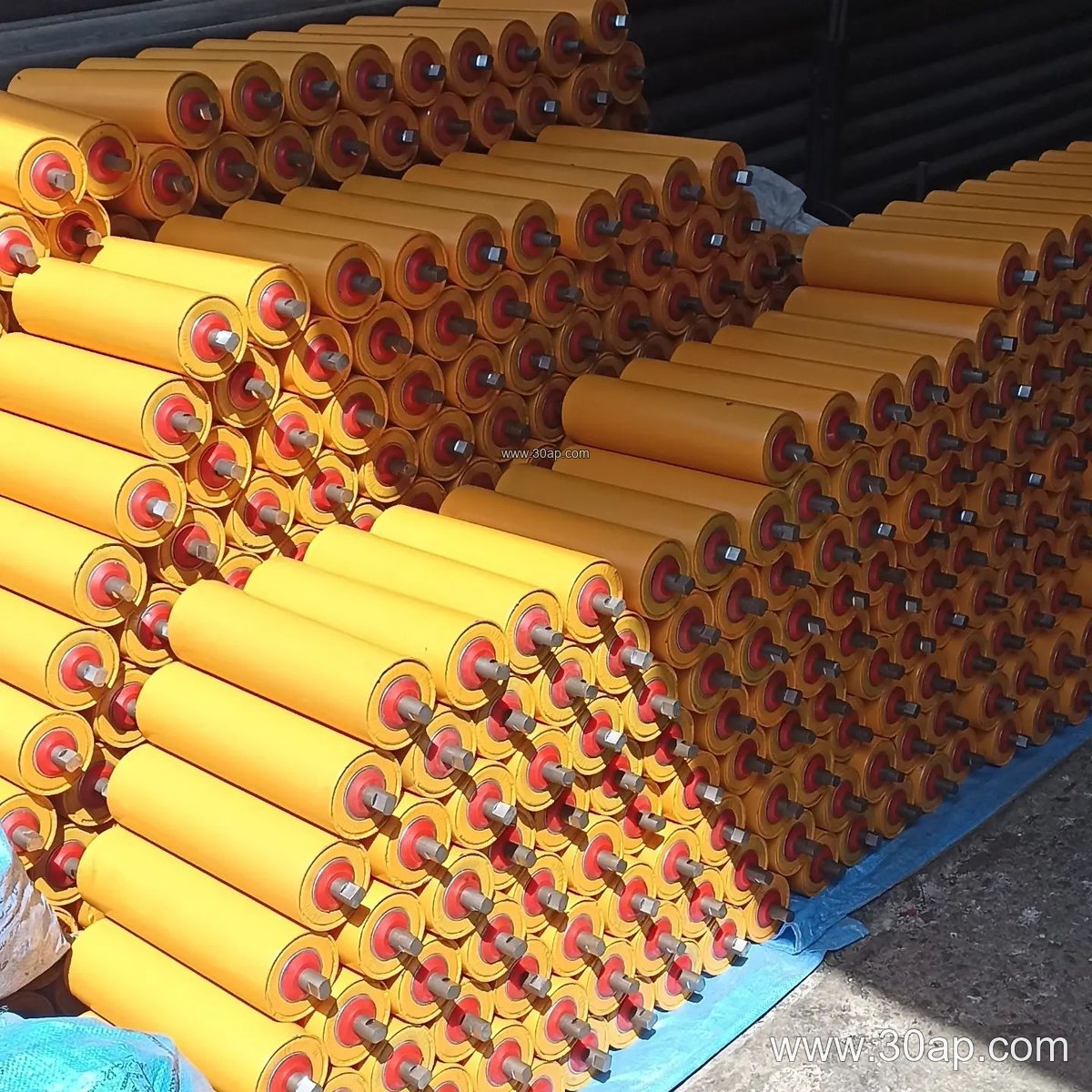
Where Double-Sealed Rollers Fit Best
These idlers earn their cost in two settings in particular. The first is a wet or washdown environment, such as a sand and gravel washing plant or a port terminal handling damp bulk material. The second is a heavily dusty circuit, such as a crusher discharge or a cement clinker line, where fine powder settles on every surface.
They are also a sensible choice on the carrying side of a long overland conveyor in an iron ore or copper ore operation, and on return runs where spillage collects. In a coal preparation plant, a flame retardant conveyor belt may run alongside double-sealed return idlers to reduce both fire risk and roller failure. The seal does not replace good housekeeping, but it buys time between inspections.
Common Sizes and Configurations
Double-sealed idlers are produced across the usual roller range. Roller diameter, belt width, trough angle, and roll length are selected together by the conveyor designer, not by a single rule. The table below shows typical reference values, not fixed pairings.
| Parameter | Common Reference Values |
|---|---|
| Roller diameter | Ø63, Ø76, Ø89, Ø102, Ø108, Ø127, Ø133, Ø159, Ø178, Ø194, Ø219 mm |
| Belt width | B400, B500, B650, B800, B1000, B1200, B1400, B1600, B1800, B2000, B2200, B2400 |
| Trough angle | 20°, 30°, 35°, 45° |
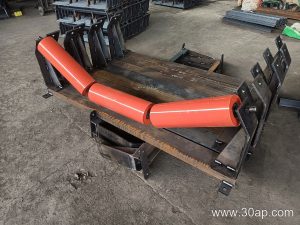
| Idler set form | single roll, two-roll, three-roll troughing |
| Shell surface | steel tube, nylon, ceramic, rubber ring |
| Bearing (examples) | 6204, 6205, 6305, 6306, 6308, 6310 |
For a three-roll troughing set, common roll lengths run roughly 200 mm at B500, 250 mm at B650, 315 mm at B800, 380 mm at B1000, 465 mm at B1200, 530 mm at B1400, 600 mm at B1600, 670 mm at B1800, and 750 mm at B2000. Side rolls and center rolls can differ, and the final length is confirmed by design.
Selection and Maintenance Notes for Buyers
- Match the seal type to the dominant threat. Dust calls for a labyrinth-plus-lip arrangement; washdown or high humidity calls for a lip seal with good grease retention.
- Check that the seal housing is a proper fit in the tube end. A loose housing lets the seal walk out and defeats the double barrier.
- Confirm the bearing size against the actual load and shaft, not against belt width alone.
- Ask how relubrication works, if at all. Sealed-for-life rollers should not be greased through a fitting that bypasses the inner seal.
- Inspect for shell wear, seal seepage, and uneven rotation during scheduled stops. Replace a roller before the seal fails completely.
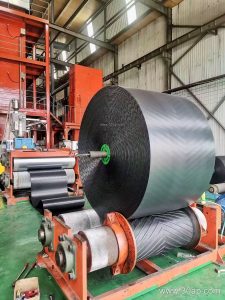
On a heavy-duty mining conveyor belt line, a mix of double-sealed troughing idlers and standard return idlers is common, with the sealed version placed where contamination is worst. Pairing them with a well-aligned conveyor pulley and a rigid conveyor bracket keeps the whole run stable. For abrasive ore or aggregate duty, an abrasion resistant conveyor belt and sealed rollers together give the longest service life. Buyers comparing suppliers should ask for the seal drawing, bearing designation, and shell wall thickness, and should treat any quoted size as a design proposal rather than a universal standard.