What an Impact Idler Bracket Does at the Load Point
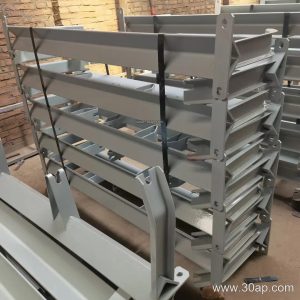
An impact idler bracket is the support frame that holds the impact idlers directly beneath the loading point of a conveyor. Its job is simple to describe and demanding in practice: absorb the shock of falling material, keep the idler shafts at the correct height and angle, and pass those loads into the conveyor stringer without distortion. In a quarry, a limestone mine, or a crusher discharge line, the bracket is often the first component to feel the force of large lumps hitting the belt.
Because the load zone is where a conveyor belt takes its heaviest punishment, the bracket is usually built heavier than a standard carrying bracket. It is also the part that determines how well the impact idlers line up with the trough profile, which in turn affects belt life and material containment.
Construction and Mounting Details
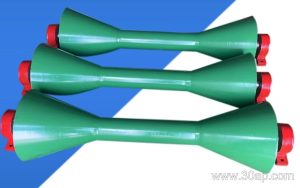
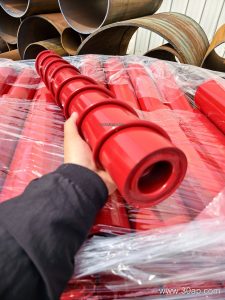
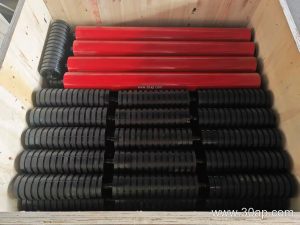
Most impact idler brackets are fabricated from angle steel, channel steel, or folded steel plate, with welded gussets at the corners. The frame carries mounting slots or drilled holes for the idler shaft ends, and it is fixed to the conveyor stringer with bolts. Rubber or polyurethane impact idlers are commonly mounted in these brackets, and some designs add a shock-absorbing pad between the bracket and the stringer.
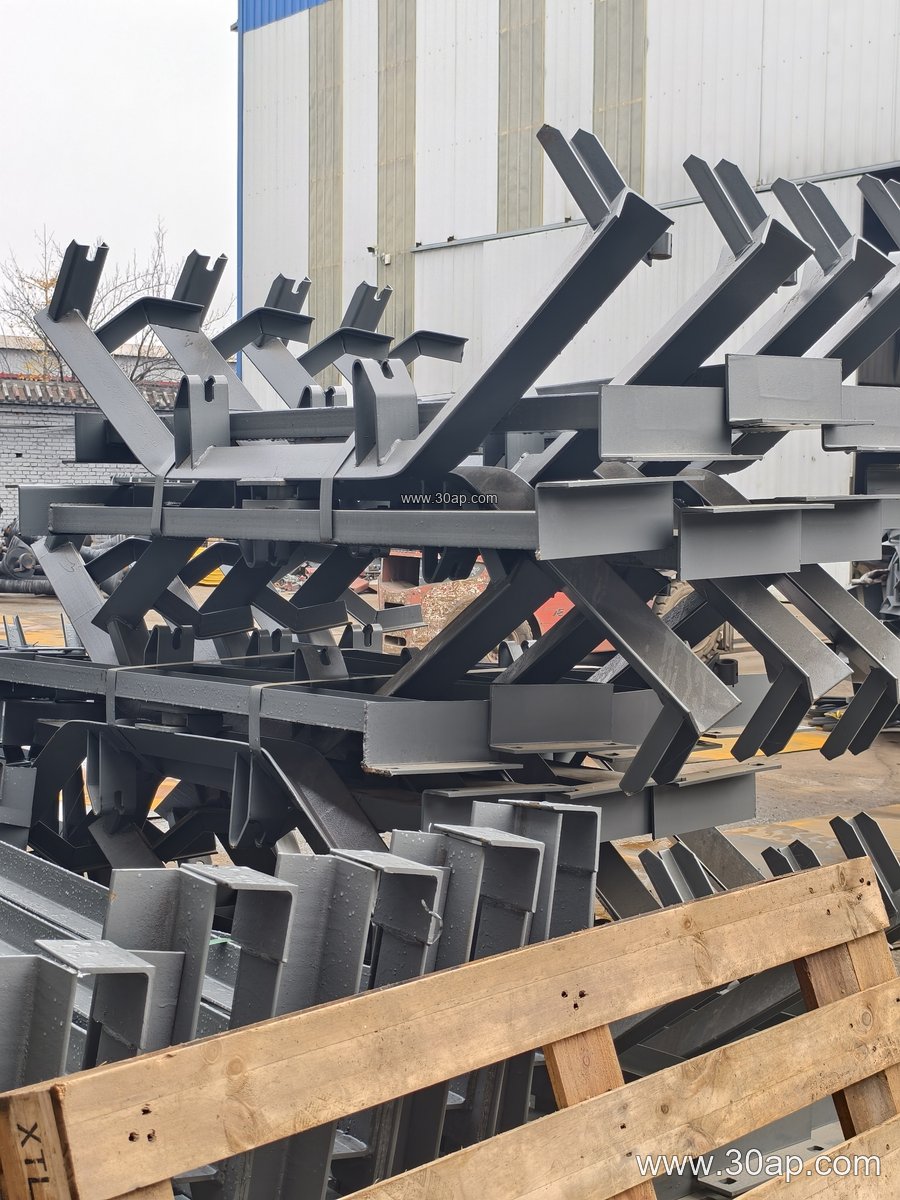
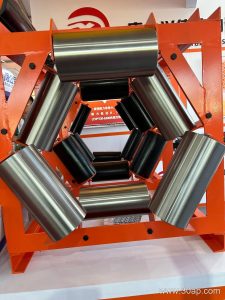
The bracket must hold the idlers at the correct trough angle. Common trough angles are 20°, 30°, 35°, and 45°, and the bracket geometry is matched to the chosen angle. Where the belt width changes, the crossbeam length and mounting hole spacing change with it, so these dimensions are confirmed against the conveyor design rather than assumed from belt width alone.
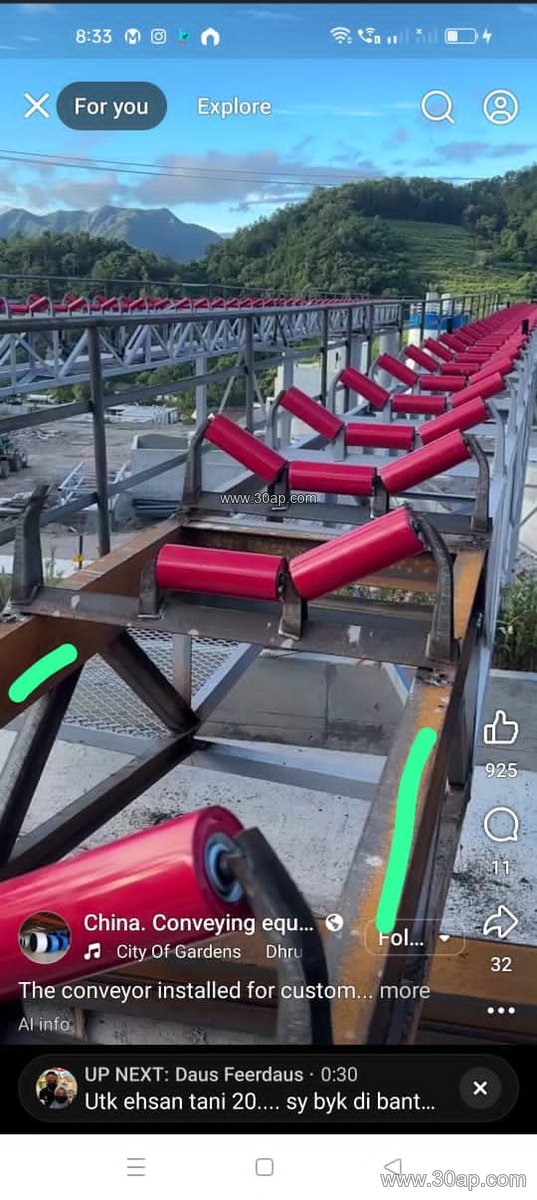
- Material options: angle steel, channel steel, folded steel plate
- Typical belt widths served: B500 to B2200
- Common idler diameters: Ø89, Ø108, Ø133, Ø159, Ø194
- Fixing: bolted to stringer, with slots for adjustment where required
Choosing the Bracket for the Duty
The first decision is whether a fixed or adjustable bracket suits the conveyor. A fixed impact bracket is simple and rigid, and it is a good choice where the trough angle is settled and the belt path is stable. An adjustable bracket lets maintenance staff fine-tune the trough angle between the common settings, which helps when the belt is running slightly off or when the load profile changes.
The second decision is the bracket and idler combination. A typical arrangement might be written as B800, 35°, Ø108, or B1200, 45°, Ø133. These are reference combinations, not fixed rules, and a conveyor designer may pair a given belt width with more than one idler diameter depending on load and speed. For heavy, sharp material such as iron ore or run-of-mine coal, a larger idler diameter and a reinforced bracket are common.
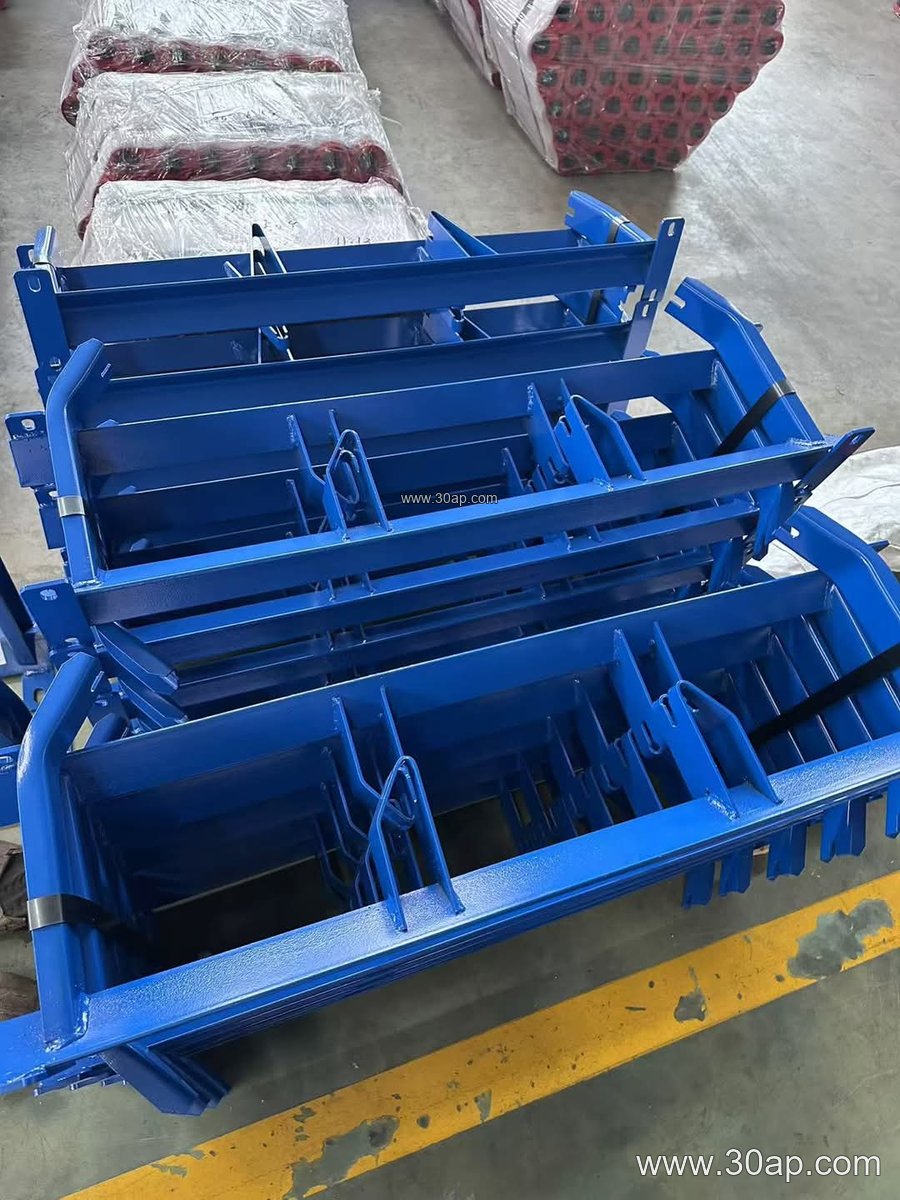
Buyers should also check the mounting hole spacing, the crossbeam length, and the clearance under the bracket. These dimensions vary with belt width and trough angle, and a bracket that fits one conveyor frame will not necessarily fit another. It is worth confirming the stringer bolt pattern before ordering.
Where the Bracket Fits in the Conveyor Layout
Impact idler brackets appear wherever material is dropped onto the belt. In a cement plant they sit under the clinker and raw material transfer points; in a power plant coal yard they support the belt below the tripper and the crusher outlet; in a sand and gravel line they are placed under the primary screening feed. In each case the bracket works together with the idler roller, the conveyor pulley, and the belt itself.
The load zone is also where belt covers wear fastest. A well-supported impact bracket keeps the belt from sagging between idlers, which reduces the chance of material cutting or pinching the cover. Users running an abrasion resistant conveyor belt or a heavy-duty mining conveyor belt in the same load zone often find that bracket alignment matters as much as the belt specification.
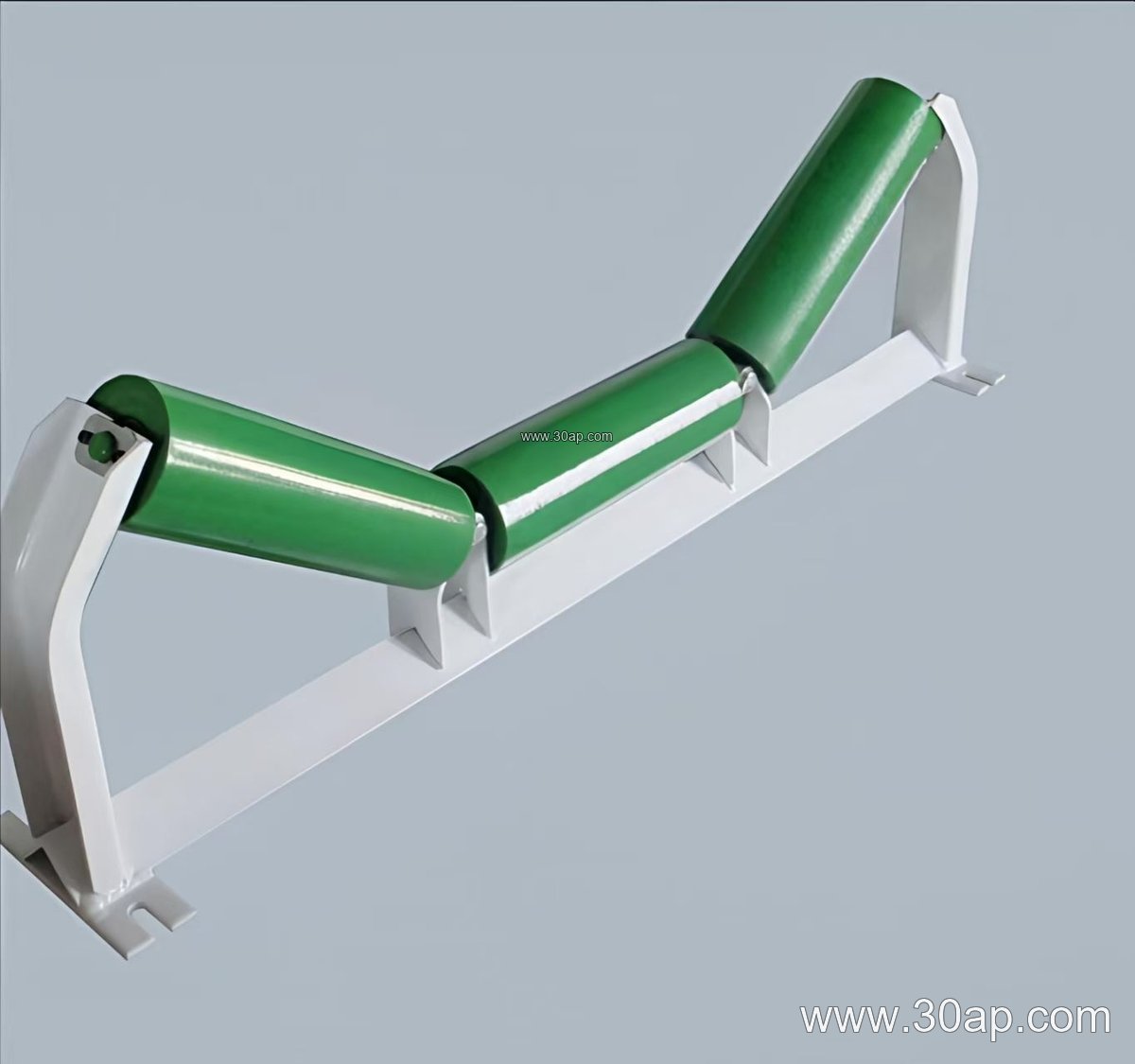
For conveyors that carry wet or sticky material, a self-cleaning gap below the bracket helps prevent build-up. In dusty coal or aggregate service, brackets should be inspected for loose bolts and cracked welds during routine shutdowns.
Practical Buying Notes
When specifying an impact idler bracket, provide the belt width, the required trough angle, the idler diameter, and the stringer bolt pattern. State whether the bracket is fixed or adjustable, and confirm the material and surface treatment. For corrosive or wash-down environments, a suitable coating should be discussed with the supplier.
Matching the bracket to the rest of the conveyor matters more than any single number. A bracket that is strong but misaligned will wear belts and idlers quickly, while a correctly sized bracket in a modest load zone will last for years. Buyers in mining, quarrying, cement, and power generation should treat the impact bracket as a wear part with a defined inspection interval, not as a one-time purchase.