What a Heavy-Duty Conveyor Bracket Does
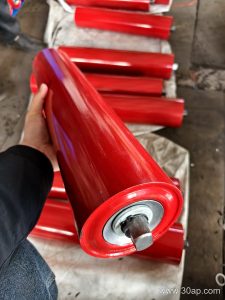
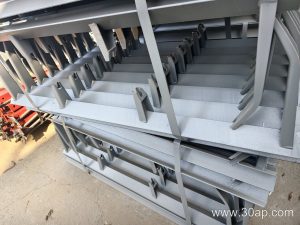
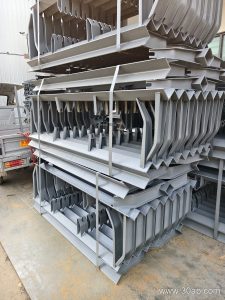
A heavy-duty conveyor bracket is the structural component that holds idler rollers at the correct position and angle along a conveyor frame. In a quarry, aggregate plant, or cement works, the bracket carries the load transferred from the belt and idlers into the stringer or frame, so its stiffness and fit matter as much as the roller itself. The same item is often called a heavy-duty idler bracket or heavy-duty roller support bracket; these names describe the same product, and the choice between them is a matter of supplier terminology rather than function.
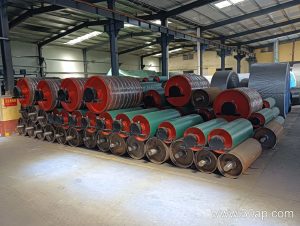
The bracket is not a pulley component. Drive pulleys, tail pulleys, and bend pulleys perform different duties and are mounted differently. A heavy-duty conveyor bracket belongs to the idler side of the conveyor, where it sets trough angle, spacing, and alignment.
How the Bracket Is Built
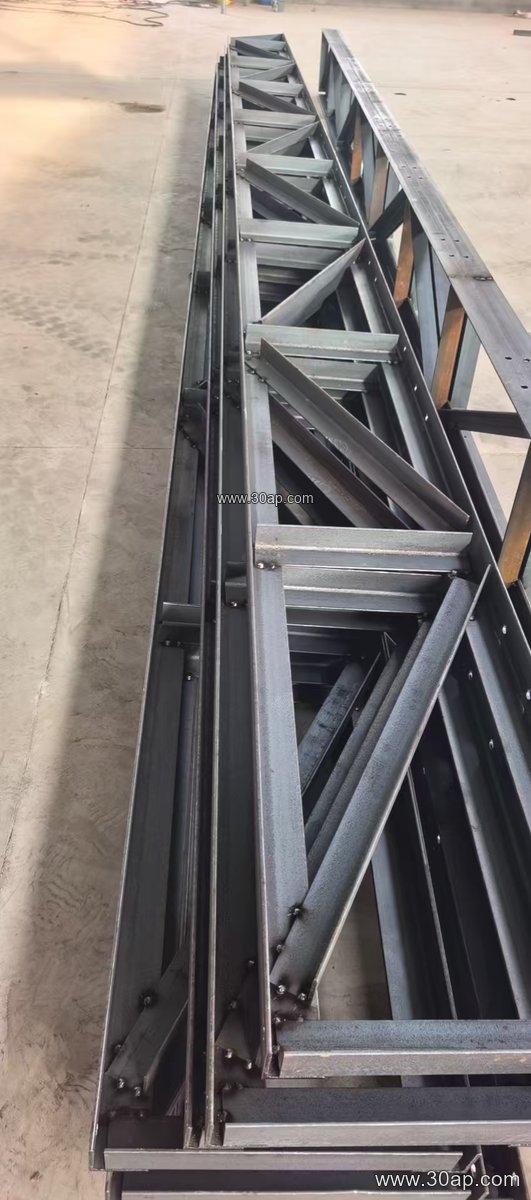
Most heavy-duty brackets are formed from angle steel, channel steel, or folded steel plate. Thicker sections and reinforced gussets are common where impact loads from large lumps are expected, for example below a crusher discharge or at a transfer point feeding a rock conveyor. Bolt slots are usually elongated so fitters can fine-tune alignment during installation.
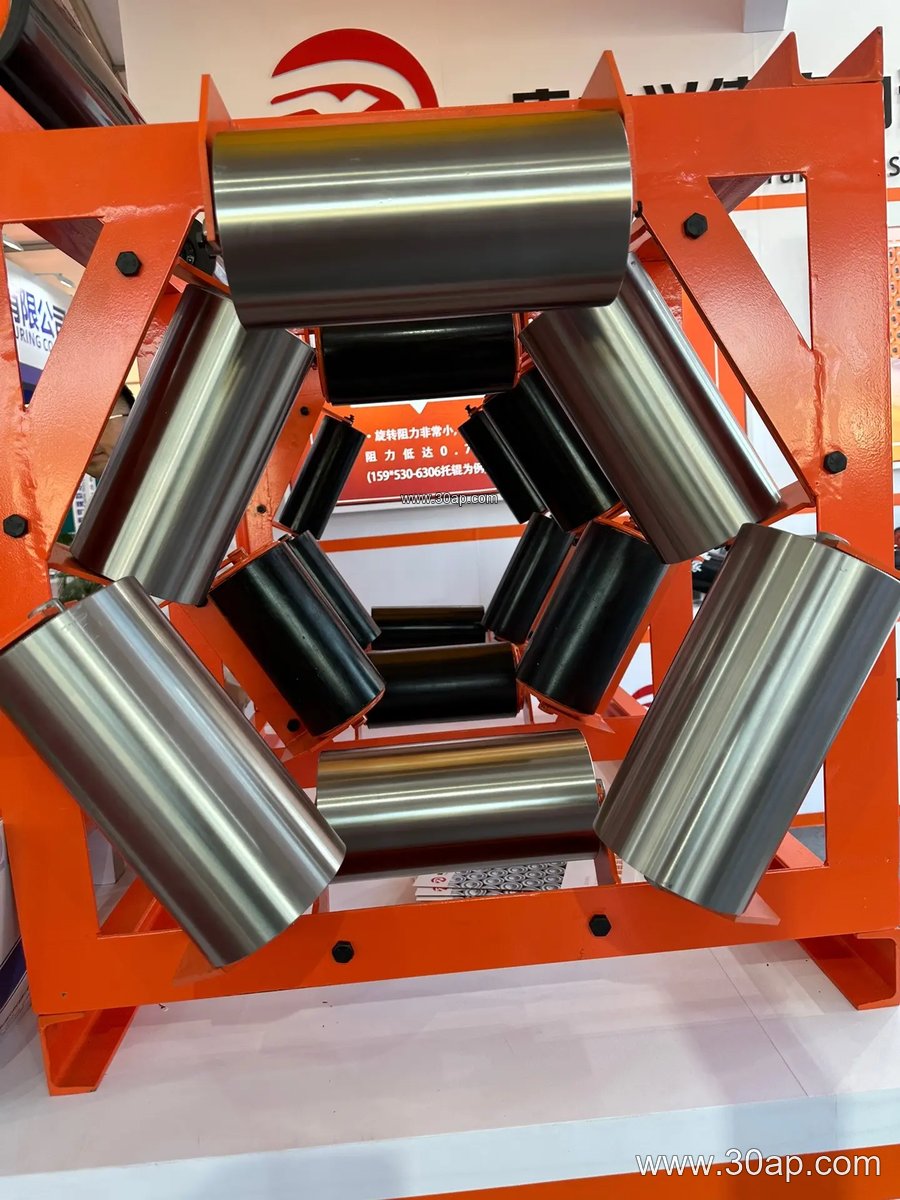
Surface treatment varies with the site. In a wash plant or port terminal, galvanized or painted finishes help with corrosion. In a coal mining conveyor or underground coal mining conveyor, the bracket is often specified together with flame retardant conveyor belt and anti-static components, so the whole idler station suits the environment.
Common Types and Where They Fit
- Troughing brackets and upper trough brackets carry the loaded belt on the carrying side.
- Transition brackets ease the belt from flat to troughed profile near pulleys.
- Return brackets and V-return brackets support the belt on the return run.
- Impact bracket assemblies sit under loading points and work with impact idlers.
- Self-aligning and forward-leaning brackets help keep the belt centered.
- Suspended and adjustable brackets allow on-site correction of trough angle.
An adjustable bracket can be set between common trough angles such as 20, 30, 35, and 45 degrees. Forward lean is typically about 1.5 to 2 degrees. Fixed brackets are simpler and cheaper but leave less room for correction after the belt has settled.
Matching Bracket, Belt, and Roller
Bracket selection starts with belt width and idler diameter. The table below gives common reference combinations; actual hole spacing and crossbeam length follow the conveyor design, not a universal rule.
| Belt width | Typical trough angle | Common roller diameter |
|---|---|---|
| B500 | 20-30 degrees | Ø89 |
| B650 | 30 degrees | Ø89 |
| B800 | 35 degrees | Ø108 |
| B1000 | 35-45 degrees | Ø108-Ø133 |
| B1200 | 45 degrees | Ø133 |
| B1400 | 35-45 degrees | Ø133-Ø159 |
| B1600 | 35-45 degrees | Ø159 |
| B1800 | 35-45 degrees | Ø159-Ø194 |
| B2000 and above | 35-45 degrees | Ø194 |
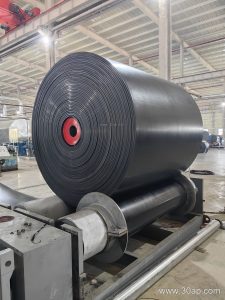
One belt width does not lock the design to a single trough angle or roller size. A B1200 conveyor might run at 35 degrees with Ø133 rollers on one section and 45 degrees with the same diameter elsewhere. What matters is that the bracket, idler roller, and belt load are considered together. Heavier belts such as steel cord conveyor belt or high strength conveyor belt often need stiffer brackets and closer idler spacing, while a multi-ply fabric core conveyor belt may allow a lighter arrangement. Visit www.example.com/conveyor-bracket for related frame components and roller data.
Installation and Maintenance Notes
Check bracket squareness against the stringer before tightening. Misaligned brackets cause edge wear on the conveyor belt and shorten roller life. At transfer points, inspect impact brackets for deformation after large lumps pass through. In dusty plants, clean the bolt slots so adjustment remains possible. Keep spare brackets in the two or three sizes used most on the line.
For harsh duty, pair abrasion resistant conveyor belt with well-supported idler stations and inspect the whole assembly, not just the roller. A heavy-duty conveyor bracket that fits properly protects both the belt and the idler roller, whether the line serves a limestone mine, a power plant coal yard, or a sand and gravel operation.