What a Steel Plant Conveyor Idler Does
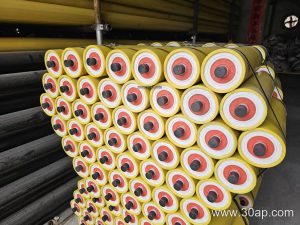
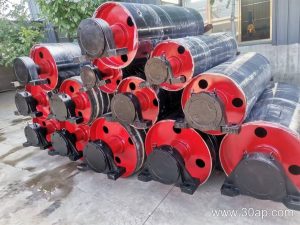
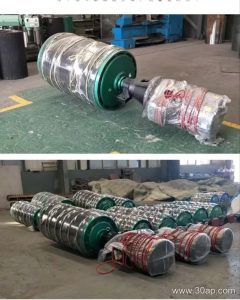
A steel plant conveyor idler is the rotating component that supports the conveyor belt along its carrying and return runs. In sinter plants, coke handling, and finished steel transport, these idlers must withstand high temperatures, abrasive dust, and heavy loads. Unlike a conveyor pulley, which drives or redirects the belt, an idler roller simply supports it and reduces friction. The idler rotates on bearings inside a stationary shaft, and the roller shell contacts the belt directly.
Steel plant conveyors often move hot sinter, iron ore, limestone, and coke. The idler must keep the belt aligned and prevent material spillage. A worn or seized idler increases belt wear and energy consumption, so selecting the right type matters.
Construction and Common Types
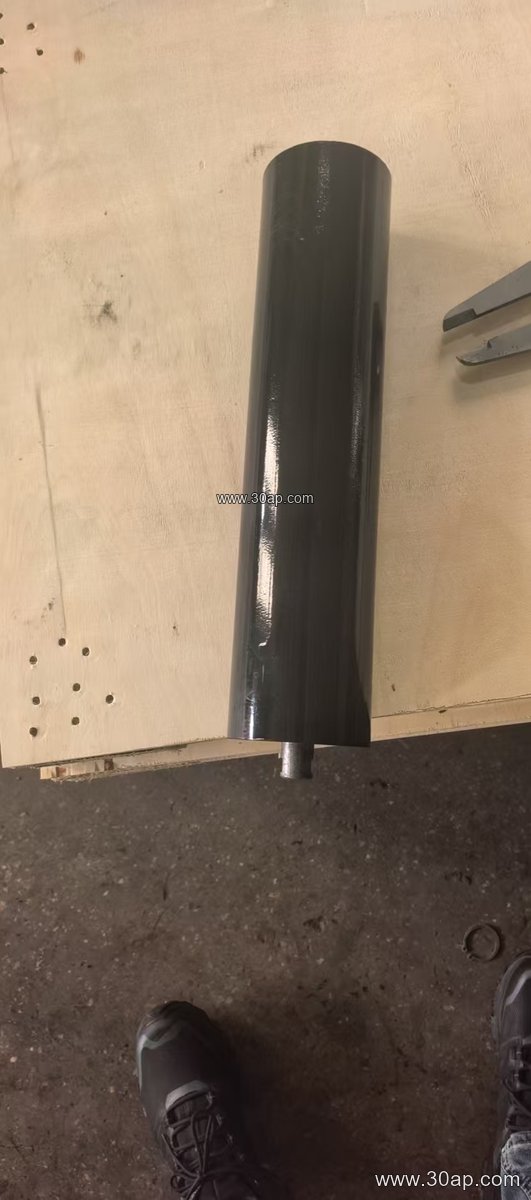
Most steel plant conveyor idlers use a steel tube shell, a through shaft, and sealed ball bearings. Common bearing sizes include 6204, 6205, 6305, 6306, 6308, and 6310, matched to the roller diameter and load. Roller diameters typically range from Ø63 to Ø219 mm, with Ø89, Ø108, Ø133, and Ø159 being frequent choices in steel mills. The shell surface may be plain steel, nylon, ceramic, or rubber rings. Rubber ring impact idlers are common under crusher discharge points where lump ore falls onto the belt.
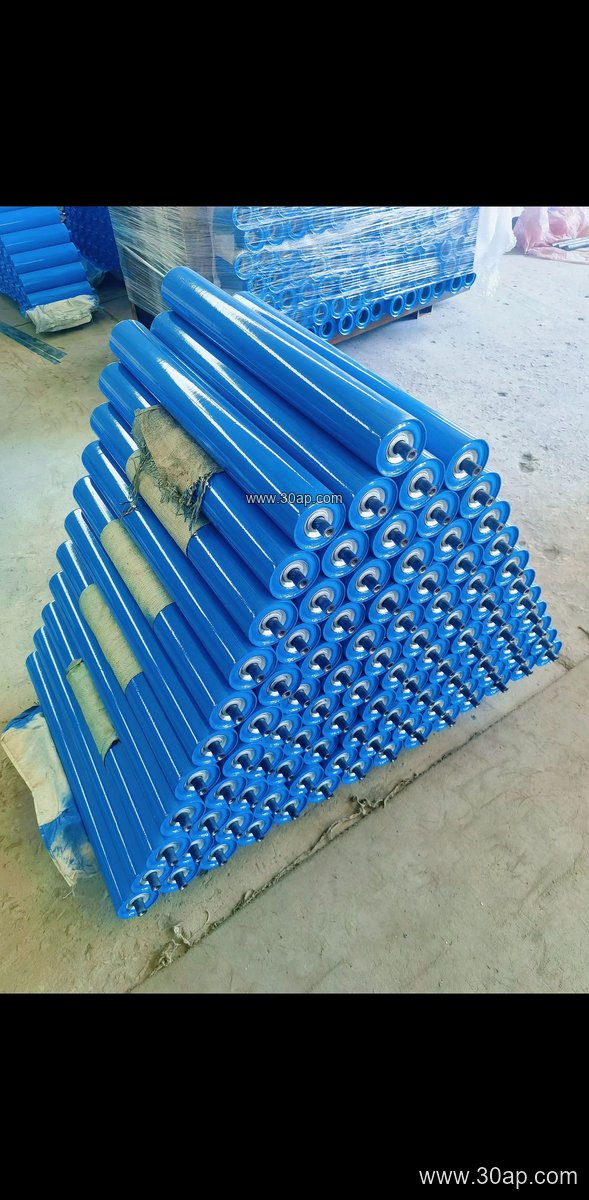
Troughing idlers, return idlers, impact idlers, and self-aligning idlers each serve a different position. A three-roll troughing set with 30 or 35 degree trough angle is typical for bulk material. Transition idlers help the belt change from flat to troughed without stress. For the return side, flat or V-return idlers support the belt. Self-aligning idlers correct belt misalignment caused by off-center loading.
Matching Idlers to Belt Width and Load
Idler length depends on belt width, trough angle, and roll arrangement. For a three-roll troughing set, common roll lengths are roughly 200 mm for B500, 250 mm for B650, 315 mm for B800, 380 mm for B1000, 465 mm for B1200, 530 mm for B1400, and 600 mm for B1600. These are examples, not fixed rules. A steel plant might use a 1200mm wide conveyor belt with 465 mm rolls, but the design engineer confirms the exact dimensions. Larger belts such as B1800 or B2000 need longer rolls and heavier bearings.
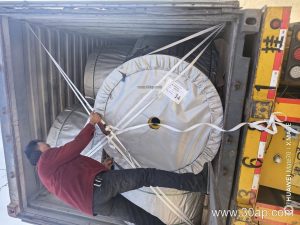
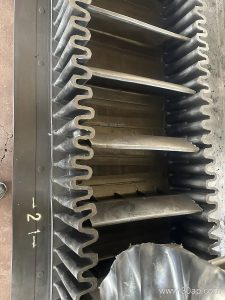
Belt speed and material weight affect idler spacing. Closer spacing is needed at transfer points and under hot sinter. The conveyor belt itself, whether an EP conveyor belt or a heat resistant conveyor belt, interacts with the idler surface. A rough or damaged idler shell can wear through the belt cover quickly.
Where Steel Plant Idlers Are Used
Steel plants use conveyors in raw material yards, sinter plants, coke ovens, and slag handling. A steel plant conveyor idler may also appear in power plant coal yards or cement plant limestone lines, but the steel environment adds heat and scale. In sinter plants, heat resistant conveyor belts run over idlers that must tolerate radiant heat. In coke handling, flame retardant conveyor belts are common, and idlers must avoid spark generation. The same idler design might be found in a quarry or iron ore terminal, but the steel plant duty cycle is often more severe.
Buyer Checklist
- Confirm the belt width and trough angle before choosing roll length.
- Specify the roller diameter based on load and belt speed, not only on belt width.
- Choose bearing size according to radial load and seal type; do not assume one bearing fits all.
- For hot material, consider heat-resistant lubricant and suitable clearance.
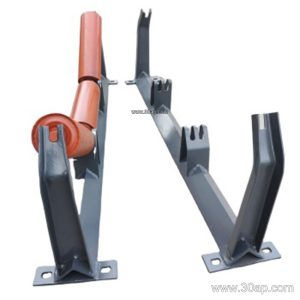
- Check that the idler shaft fits the conveyor bracket without modification.
- Ask for the surface form: plain steel, rubber ring, or ceramic, depending on impact and abrasion.
Maintenance teams should check for seized idlers, worn shells, and missing seals. A seized idler can cut the belt or start a fire in coal dust. Regular inspection of troughing and return idlers reduces unplanned downtime. When replacing idlers, keep the same roll length and bearing size unless the conveyor design is reviewed.
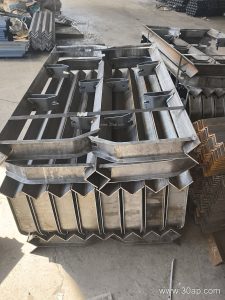
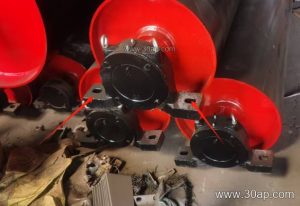
For more information on conveyor components, visit steel plant conveyor idler and conveyor belt resources. Related equipment includes the conveyor pulley, conveyor bracket, and idler roller assemblies.