What a Belt Conveyor Bracket Does on the Line
A belt conveyor bracket is the steel support that holds idler rollers in the right position under and over the conveyor belt. It is a simple part by appearance, yet it sets the trough shape, keeps the belt tracking, and carries the load path from the belt into the conveyor frame. In a quarry, a coal preparation plant, or a power plant coal yard, the bracket is usually the first item inspected when a belt starts misaligning or when rollers begin to wear unevenly.
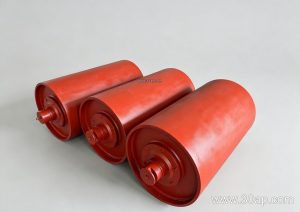
The bracket is not a pulley. Drive pulleys, tail pulleys, and bend pulleys transmit motion and change belt direction, while the bracket only supports the idler roller assembly. Keeping this distinction clear helps buyers order the right part and avoid mixing support structures with drive components.
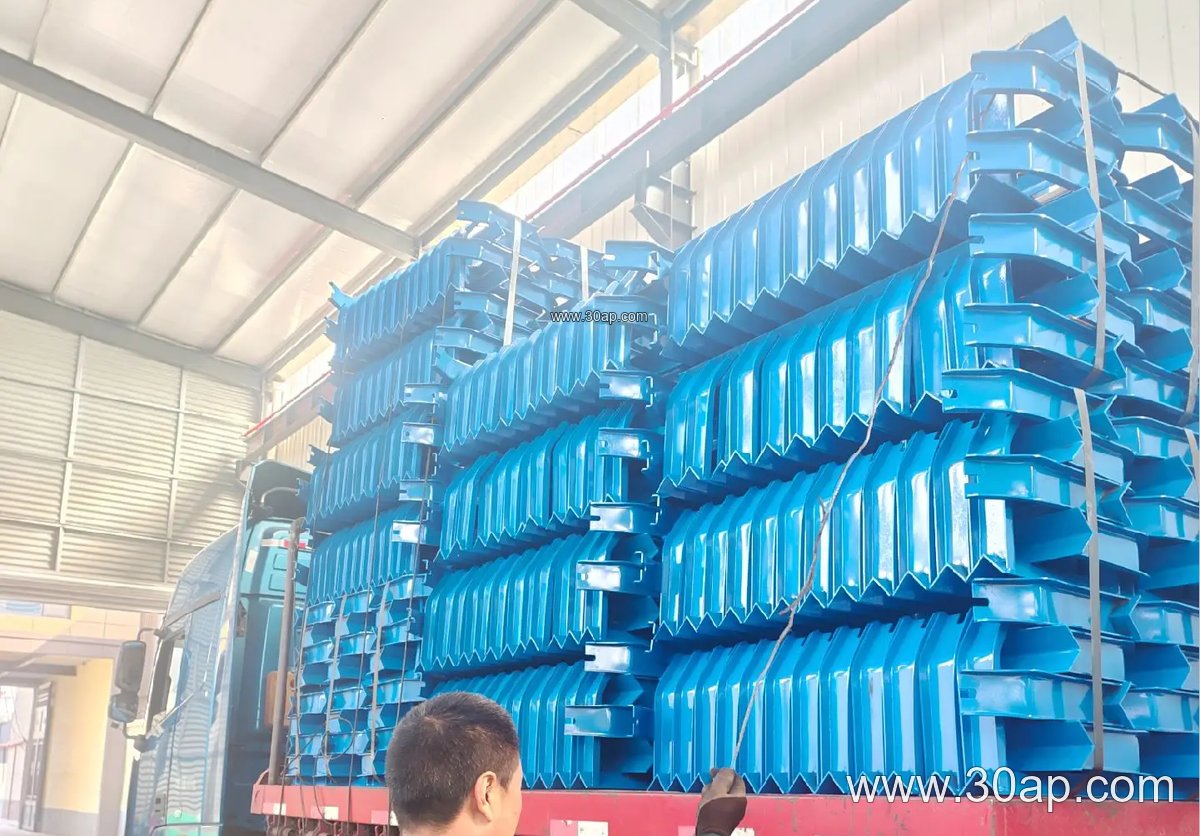
Common Types and Where They Sit
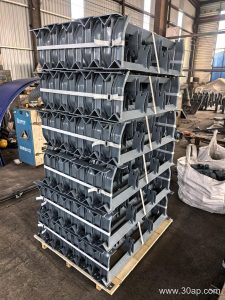
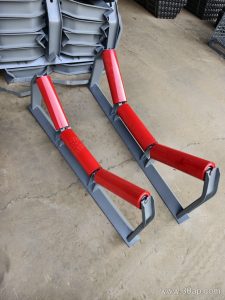
The most familiar form is the troughing bracket, also called a troughing idler support or troughing frame, which carries three rollers in a trough profile on the carrying side. Return brackets sit under the belt and hold flat or V-shaped return rollers. Transition brackets are placed near pulleys to ease the belt from a flat profile into a full trough. Impact brackets with cushioning rollers are used below loading points, and self-aligning brackets help correct belt drift on long runs.
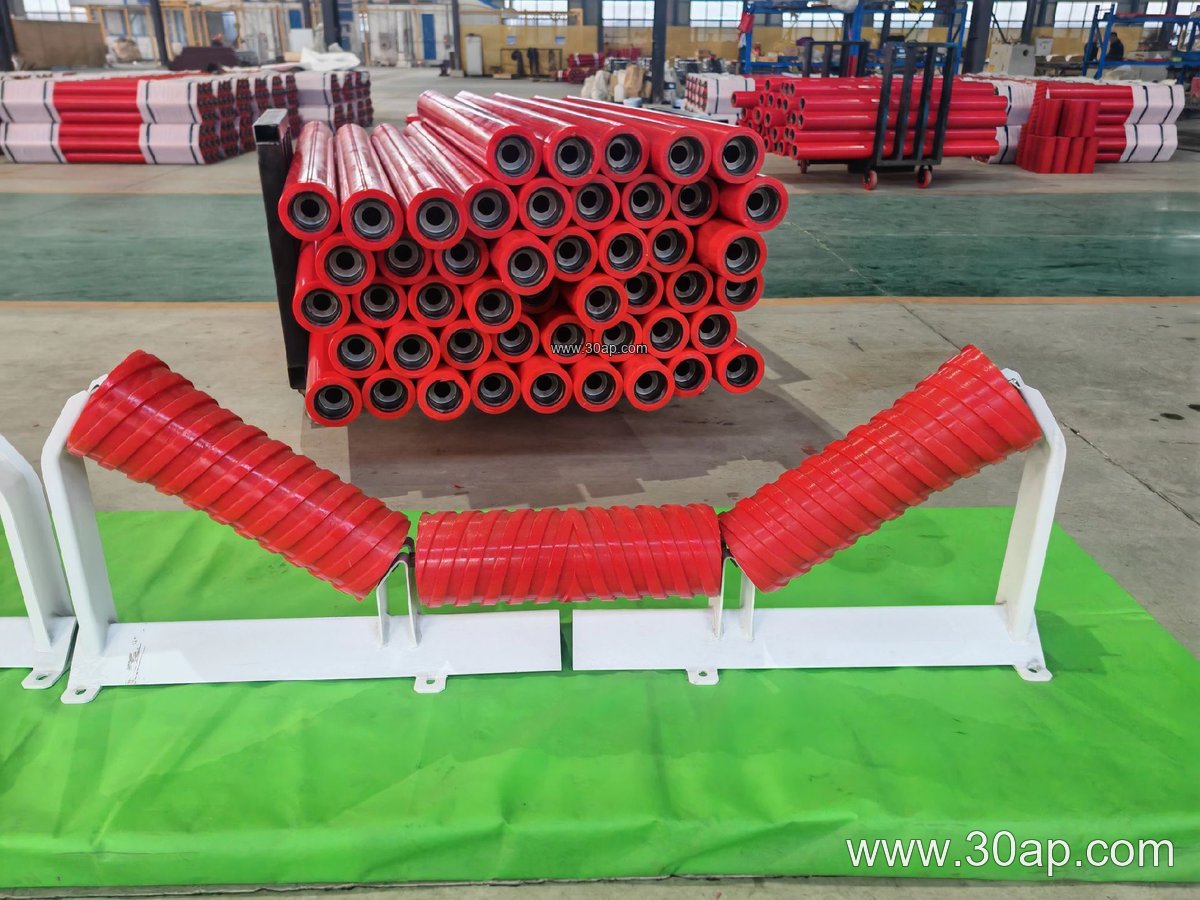
- Troughing bracket – carrying side, three-roller arrangement, common trough angles of 20, 30, 35, or 45 degrees.
- Return bracket – return side, flat or V-shaped roller support.
- Transition bracket – near head and tail areas, gradual trough change.
- Impact bracket – under chutes and loading zones, paired with impact rollers.
- Self-aligning bracket – long conveyors where belt tracking needs correction.
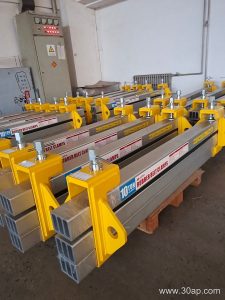
- Adjustable bracket – allows the trough angle to be set between common values during installation.
Fixed and adjustable versions differ mainly in assembly. A fixed bracket has welded or bolted geometry set at the factory, while an adjustable bracket allows the roller positions to be changed on site. Adjustable types are useful during commissioning, but they need checking after the first weeks of operation because bolts can loosen.
Construction, Materials, and Fit
Most brackets are made from angle steel, channel steel, or folded steel plate. The frame must resist bending under the weight of the belt, the material load, and the roller set. Welds should be clean and the mounting holes should match the frame spacing. A bracket that is too light for the belt width will flex, and flexing quickly leads to roller misalignment and edge damage on the belt.
Belt width and roller diameter are linked through the bracket design, but not in a single fixed pairing. A B800 conveyor may use 30 or 35 degree troughs with Ø89 or Ø108 rollers depending on the load and belt speed. A B1200 line might run 35 or 45 degree troughs with Ø133 rollers. Larger widths such as B1600 or B1800 usually need heavier brackets and larger roller diameters, often Ø159 or Ø194. These are common arrangements, not mandatory rules; final selection follows the conveyor design.
Selection Notes for Buyers
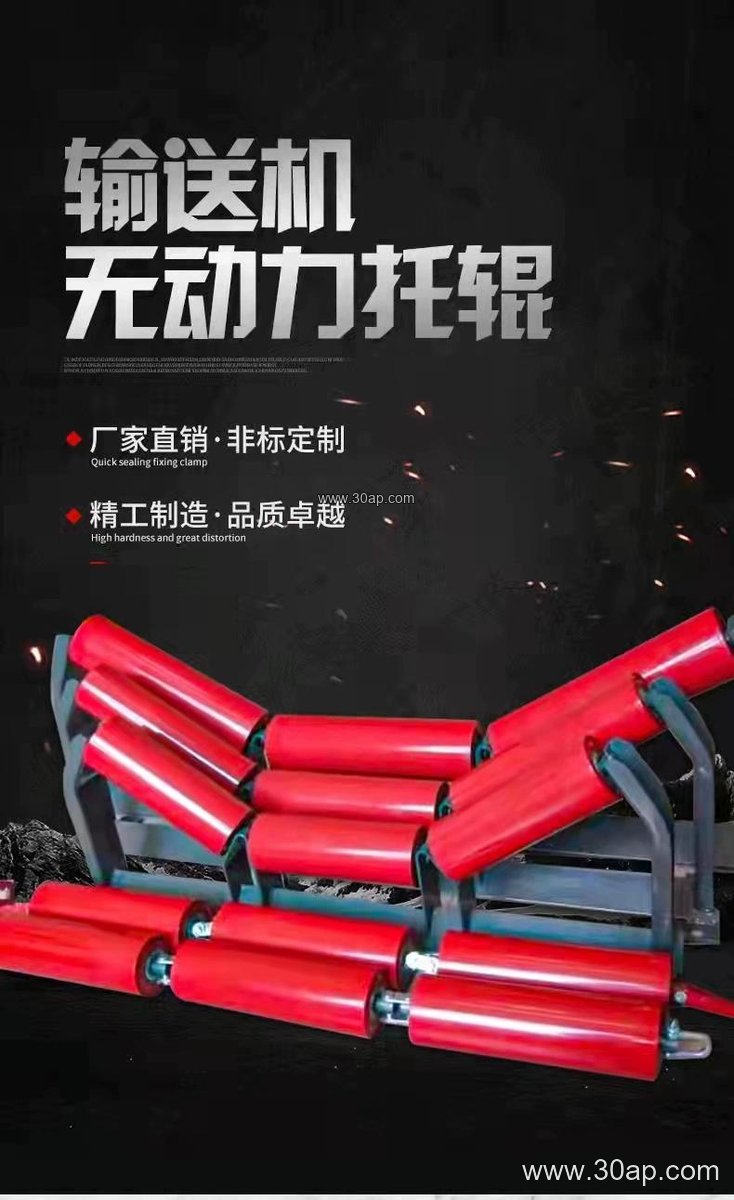
Before ordering, confirm the belt width, the trough angle, the roller diameter, the mounting hole spacing, and the crossbeam length. These dimensions change with belt width and trough angle, so the bracket should be ordered against the actual conveyor drawing rather than a generic size. Also confirm whether the bracket is for the carrying side or the return side, and whether it must accept a specific roller shaft end.
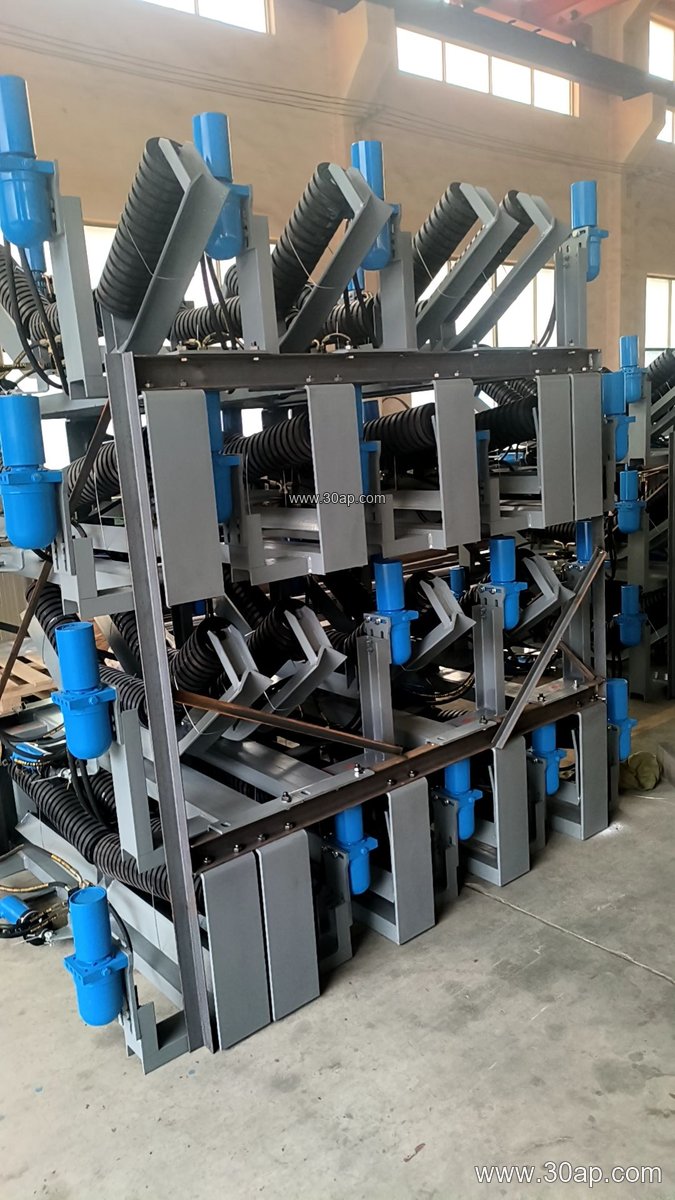
For abrasive duty such as iron ore or limestone, a sturdy bracket paired with an abrasion resistant conveyor belt and well-selected idler rollers reduces downtime. In coal mining and underground coal mining, flame retardant conveyor belt and anti-static conveyor belt grades are often specified alongside fire resistant conveyor belt requirements. Cement plants and clinker lines may combine heat resistant conveyor belt sections with standard EP conveyor belt runs. Ports and ship loading systems handling bulk material conveyor belt duties usually favor heavy-duty brackets that hold alignment under constant load.
Installation and Maintenance Pointers
Set brackets square to the conveyor centerline and at the same height across the frame. A string line or laser check is faster than measuring each bracket separately. Tighten fasteners to the specified torque, then recheck after the first week of running. Inspect brackets whenever rollers are replaced, because a bent bracket will shorten roller life and disturb belt tracking.
Keep spare brackets for the most loaded positions, such as transition and impact zones. A small stock of troughing and return brackets in the plant’s main belt widths helps maintenance teams respond quickly. For more on matching support structures with conveyor belt, idler roller, and conveyor pulley components, contact the supplier with the conveyor drawing and duty details.