What a Conveyor Bracket Is and Why Price Varies
A conveyor bracket is the steel support that holds idler rollers at the correct height, angle and spacing along a conveyor frame. When buyers ask about conveyor bracket price, they are usually quoting a support assembly rather than a single piece of bent metal. The price reflects material, forming method, hole pattern, surface treatment and the number of brackets needed per meter of conveyor. A quarry line handling abrasive rock and a power plant coal feed may both use troughing brackets, but the steel thickness and coating can differ enough to change cost noticeably.
Because the bracket works together with the conveyor belt, idler roller and conveyor pulley, an undersized support can shorten roller life and disturb belt tracking. That is why the cheapest quotation is not always the lowest long-term cost.
Construction and Common Forms
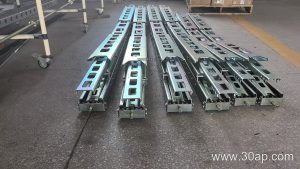
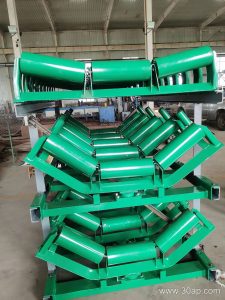
Most brackets are made from angle steel, channel steel or folded steel plate. The frame is drilled or punched to match the roller shaft ends, then welded or bolted into a support. Common forms include troughing brackets for the carrying side, return brackets for the lower run, V-return brackets, impact brackets under loading points, self-aligning brackets and hanging brackets. Adjustable types let maintenance crews change the trough angle without replacing the frame.
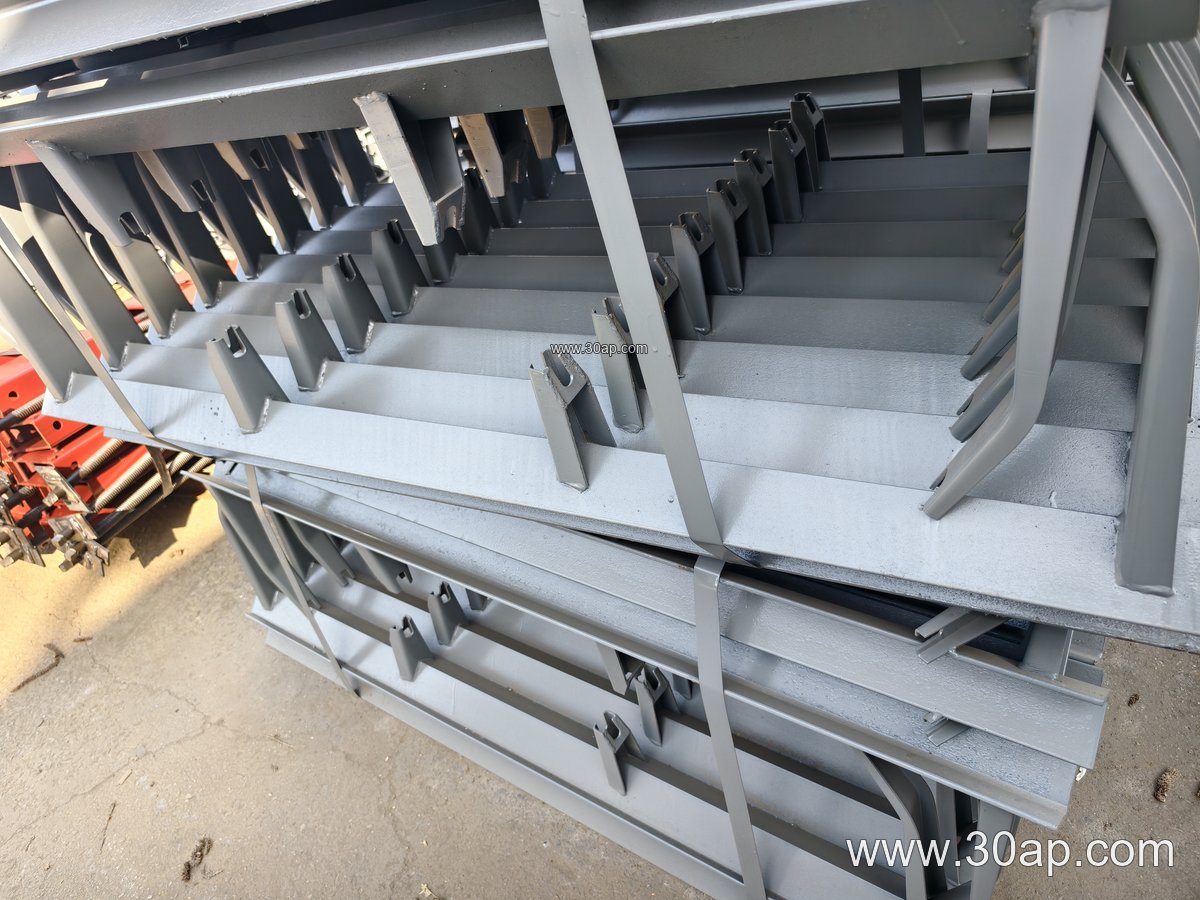
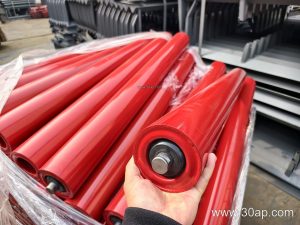
Typical trough angles are 20, 30, 35 and 45 degrees, and forward-leaning designs often sit around 1.5 to 2 degrees. Roller diameters such as Ø89, Ø108, Ø133, Ø159 and Ø194 appear across different conveyor sizes. These values are reference points, not fixed pairings; a given belt width can be matched with more than one angle or roller diameter according to the design.
Reference Dimensions That Affect Quotation
The table below lists common bracket-related values. Hole spacing and beam length change with belt width and trough angle, so they should be confirmed on the drawing rather than assumed.
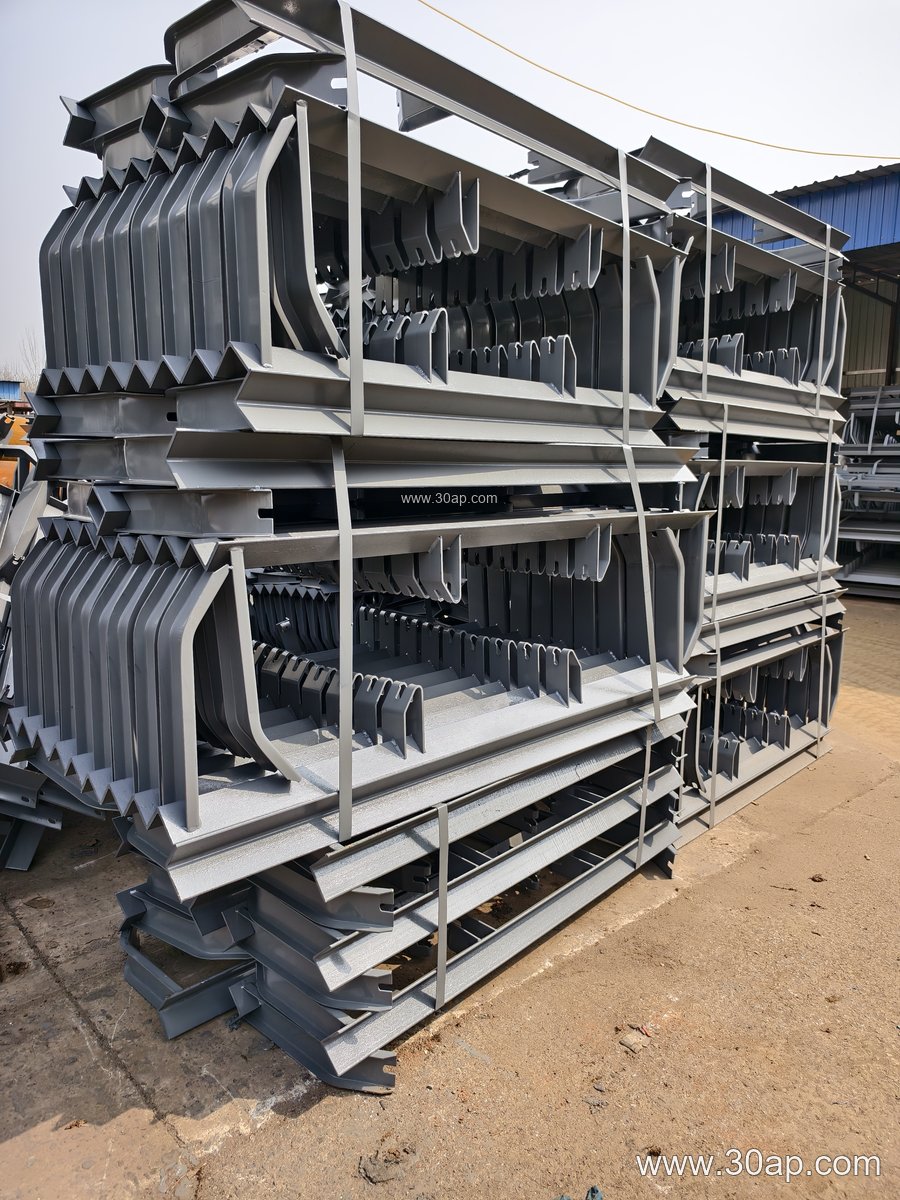
- Belt width range: B500, B650, B800, B1000, B1200, B1400, B1600, B1800, B2000, B2200
- Trough angle: 20, 30, 35, 45 degrees
- Roller diameter: Ø89, Ø108, Ø133, Ø159, Ø194
- Material: angle steel, channel steel, folded plate
For example, a B800 frame with a 35 degree trough and Ø108 rollers is a common combination in aggregate plants, while a B1200 line with 45 degree troughing and Ø133 rollers may suit a bulk terminal. Neither combination is mandatory, and the final choice belongs to the conveyor designer.
Where These Supports Are Used
You will find conveyor brackets in stone crushing plants, cement works, coal washing plants and port loading systems. In a sand and gravel line, troughing brackets carry the abrasive conveyor belt through the crushing and screening sections, while impact brackets sit below the feed point to absorb shock. In a steel plant or sinter plant, heat and dust may call for heavier sections and suitable coating. The same support family also appears in fertilizer handling and grain silos, where cleanliness and smooth belt running matter.
Brackets are not interchangeable with pulleys. A drive pulley, tail pulley and bend pulley each have a distinct role at the ends or turns of the conveyor, and they are priced and specified separately from the roller supports.
What Influences Conveyor Bracket Price
Several factors drive the quotation. Steel grade and plate thickness are the first; a heavy-duty mining conveyor support usually needs more steel than a light transfer line. Forming method matters too, since folded plate and welded channel frames involve different labor. Hole accuracy affects assembly speed, and galvanizing or painting adds cost but improves service life in wet or corrosive sites. Order quantity, drawing complexity and packing for export also shift the final figure.
Buyers should request a drawing showing belt width, trough angle, roller diameter, hole pitch and beam length. It also helps to state the working environment, such as a coal mining conveyor with flame retardant belt requirements or a cement plant with high dust. Matching the bracket to the idler roller and belt load avoids rework later.
Selection and Maintenance Notes
Check that the bracket fits the selected roller shaft and that the trough angle matches the belt’s load profile. Adjustable brackets are useful where material flow changes seasonally. During operation, inspect for loose bolts, bent frames and worn roller seats; a misaligned bracket can cause belt edge damage and increase power draw. Replacing a distorted support early is usually cheaper than replacing the belt or pulley it affects.
For a realistic conveyor bracket price, compare quotations on the same drawing and the same coating. Ask for the material specification and hole tolerance in writing, and confirm that the supports suit the actual conveyor belt width and roller size on site.