What a Conveyor Bracket Does on the Line
A conveyor bracket is the structural link between the idler roller and the conveyor frame. It holds each roller at the correct height and angle so the conveyor belt runs true, carries material without spillage, and wears evenly. On a quarry conveyor belt or a power plant coal conveyor belt, a loose or misaligned bracket quickly shows up as belt wander, edge damage, or premature roller failure. The bracket itself is simple, but its geometry and mounting accuracy determine how well the whole troughing set performs.
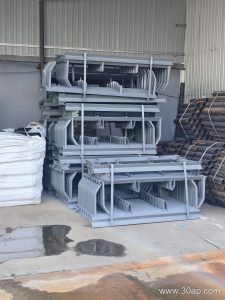
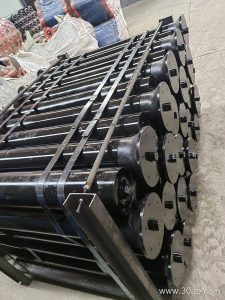
Brackets are usually fabricated from angle steel, channel steel, or folded steel plate. The design must resist vibration, dust, and occasional impact without distorting the mounting slots. A well-built bracket keeps the roller shaft square to the belt line, which is the first condition for stable tracking.
Common Bracket Types and Where They Sit
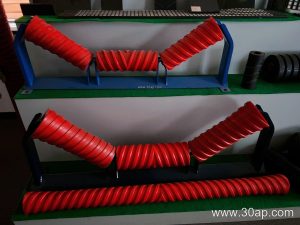
The bracket family covers several positions along the conveyor. Troughing brackets support the carrying side and set the trough angle. Transition brackets ease the belt from flat to troughed. Return brackets and V-return brackets support the empty side. Impact brackets sit under loading points, and self-aligning brackets help correct minor belt drift. Adjustable brackets allow the trough angle to be changed on site.
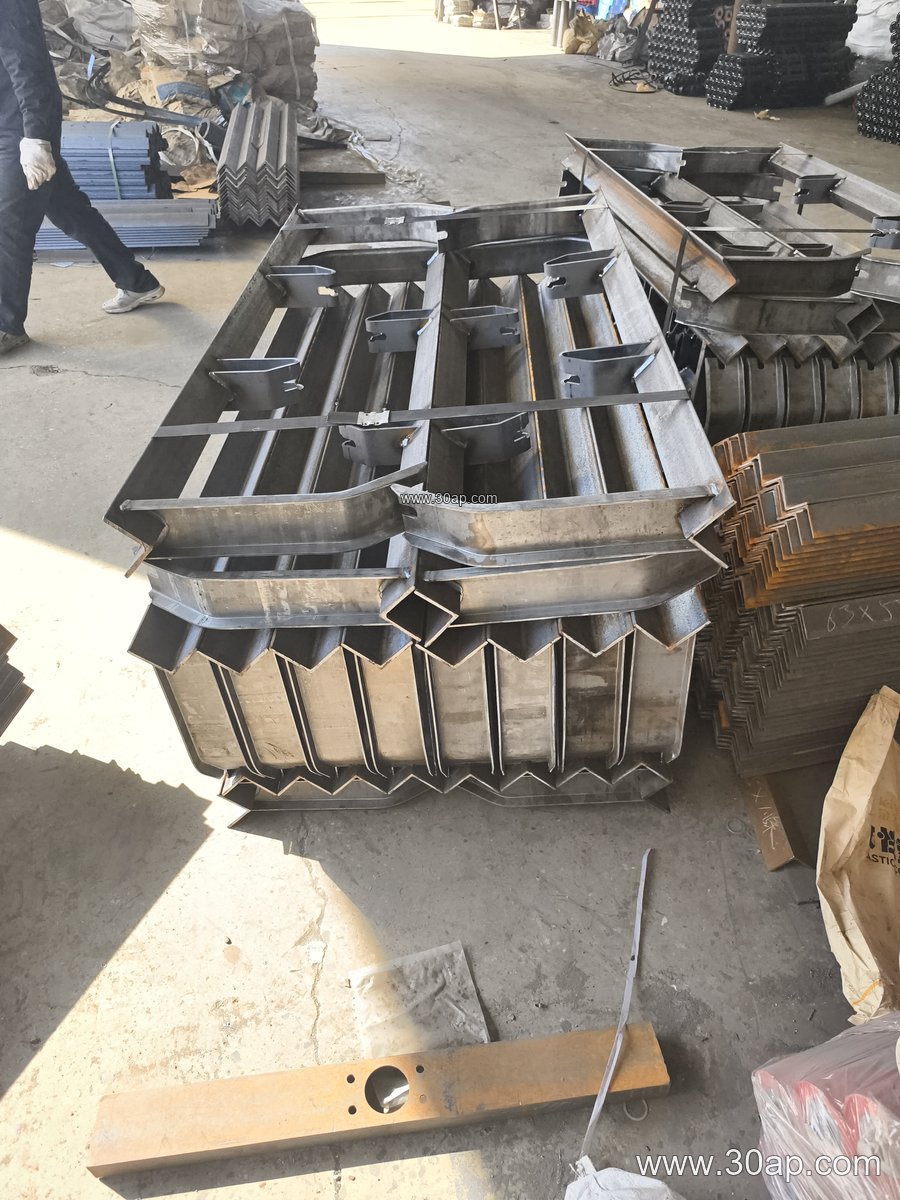
- Troughing bracket – carrying side, sets the trough angle.
- Transition bracket – gradual change from flat to troughed profile.
- Return bracket – supports the return strand; V-return versions help center the belt.
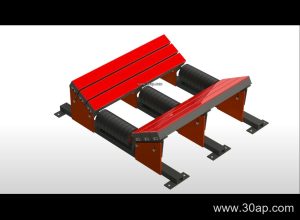
- Impact bracket – reinforced under chutes and transfer points.
- Self-aligning bracket – responds to belt misalignment.
- Adjustable bracket – trough angle can be altered within a range.
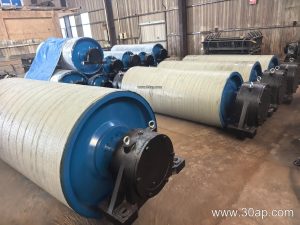
These are not interchangeable with drive, tail, or bend pulleys; each bracket type has a specific role in the conveyor structure.
Trough Angle and Roller Diameter Selection
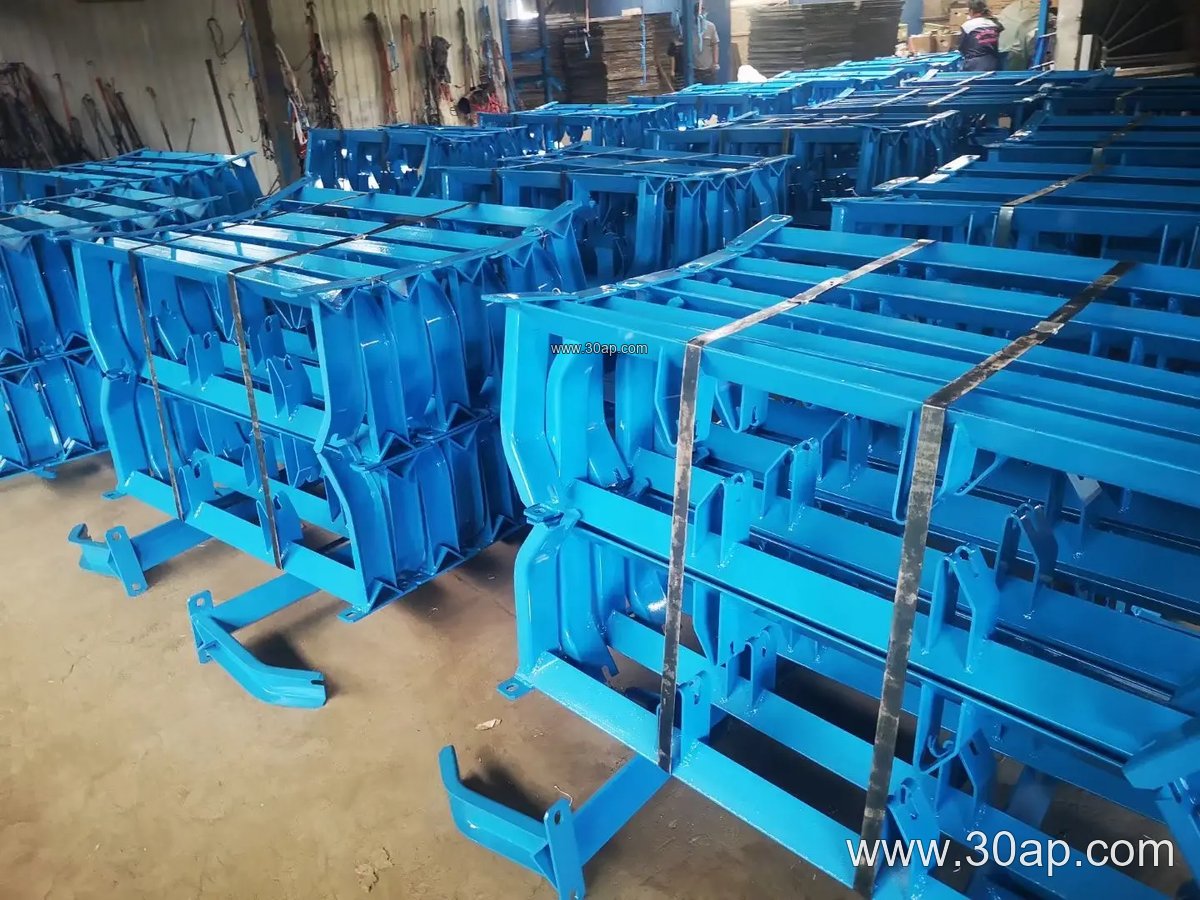
Trough angle affects material containment and belt stress. Common trough angles are 20, 30, 35, and 45 degrees. A 35-degree trough is widely used for bulk materials, while 45 degrees suits high-capacity loading where spillage control matters. Adjustable brackets can be set between these angles, but the final choice should follow the conveyor design and the belt’s ability to trough.
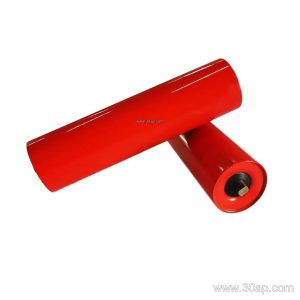
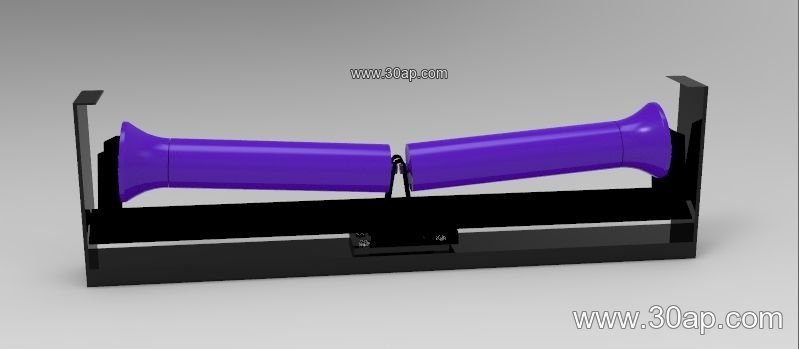
Roller diameter is chosen together with belt width and load. Typical roller diameters include Ø89, Ø108, Ø133, Ø159, and Ø194. A B800 conveyor might use Ø108 rollers at 35 degrees, while a B1200 conveyor in a cement plant may run Ø133 rollers at 45 degrees. There is no fixed rule that one belt width matches only one roller diameter or trough angle; the bracket, roller, and belt must be matched as a system.
Reference combinations (examples only)
| Belt width | Trough angle | Roller diameter | Typical use |
|---|---|---|---|
| B650 | 30° | Ø89 | Aggregate conveyor belt, small transfer |
| B800 | 35° | Ø108 | Quarry conveyor belt, general bulk |
| B1000 | 35° | Ø133 | Coal mining conveyor belt |
| B1200 | 45° | Ø133 | Cement plant, high capacity |
| B1400 | 45° | Ø159 | Iron ore conveyor belt, heavy load |
| B1600 | 35° | Ø159 | Power plant coal conveyor belt |
Mounting hole spacing and crossbeam length vary with belt width, trough angle, and roller diameter. These dimensions are determined by the conveyor design, not by a universal standard.
Installation and Maintenance Notes
Correct installation starts with a straight, level frame. Brackets should be aligned so that all rollers in a set share the same centerline and trough angle. Bolts should be tightened to the recommended torque, and mounting slots should allow minor adjustment without ovalizing. In dusty environments such as a limestone mine or a coal preparation plant, inspect brackets for build-up and corrosion during routine roller checks.
When replacing a roller, check the bracket for bent ears, worn slots, or cracked welds. A distorted bracket will misalign the new roller and shorten its life. Adjustable brackets should be locked after setting the trough angle. Self-aligning brackets need free movement to work; do not over-tighten their pivot points.
Buyer Checklist
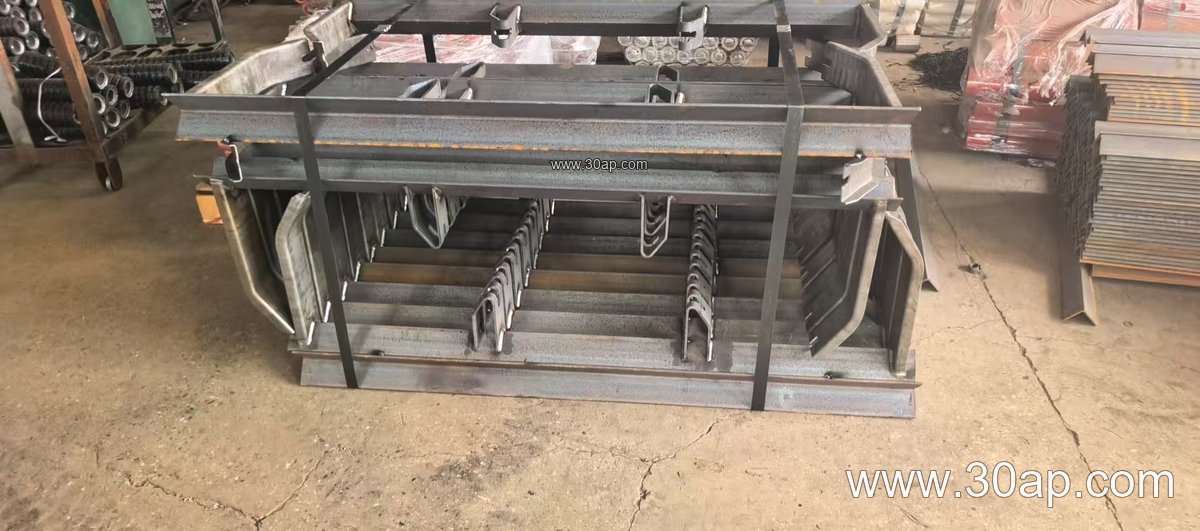
Before ordering, confirm the belt width, trough angle, roller diameter, and mounting dimensions. Specify the material and finish if the conveyor operates outdoors or in a wash-down area. Ask whether the bracket is fixed or adjustable, and whether it is for carrying, return, impact, or transition service. For a heavy-duty mining conveyor belt or an abrasion resistant conveyor belt application, consider thicker steel or reinforced welds. For a food grade conveyor belt line, check that the bracket finish suits the cleaning regime.
At www.beltconveyorparts.com/conveyor-bracket you can compare bracket styles and confirm dimensions against your conveyor frame. For related components, see www.beltconveyorparts.com/conveyor-pulley and www.beltconveyorparts.com/idler-roller.
Finally, keep spare brackets for the most heavily loaded positions. A small stock of troughing and impact brackets reduces downtime when a roller seizes or a loading point shifts.