What a Tail Pulley Assembly Does
A tail pulley assembly is the rotating unit at the rear of a conveyor that supports and guides the returning belt. It sits opposite the drive pulley and often works together with a take-up device to keep tension steady. In a quarry, cement plant, or coal handling system, this assembly helps the conveyor belt track correctly before it enters the carrying run. While a drive pulley transmits power, the tail pulley assembly mainly redirects the belt and maintains alignment. It is not a bend pulley, which changes belt direction at an intermediate point, and it should not be confused with a snub or pressure pulley used for wrap angle adjustment.
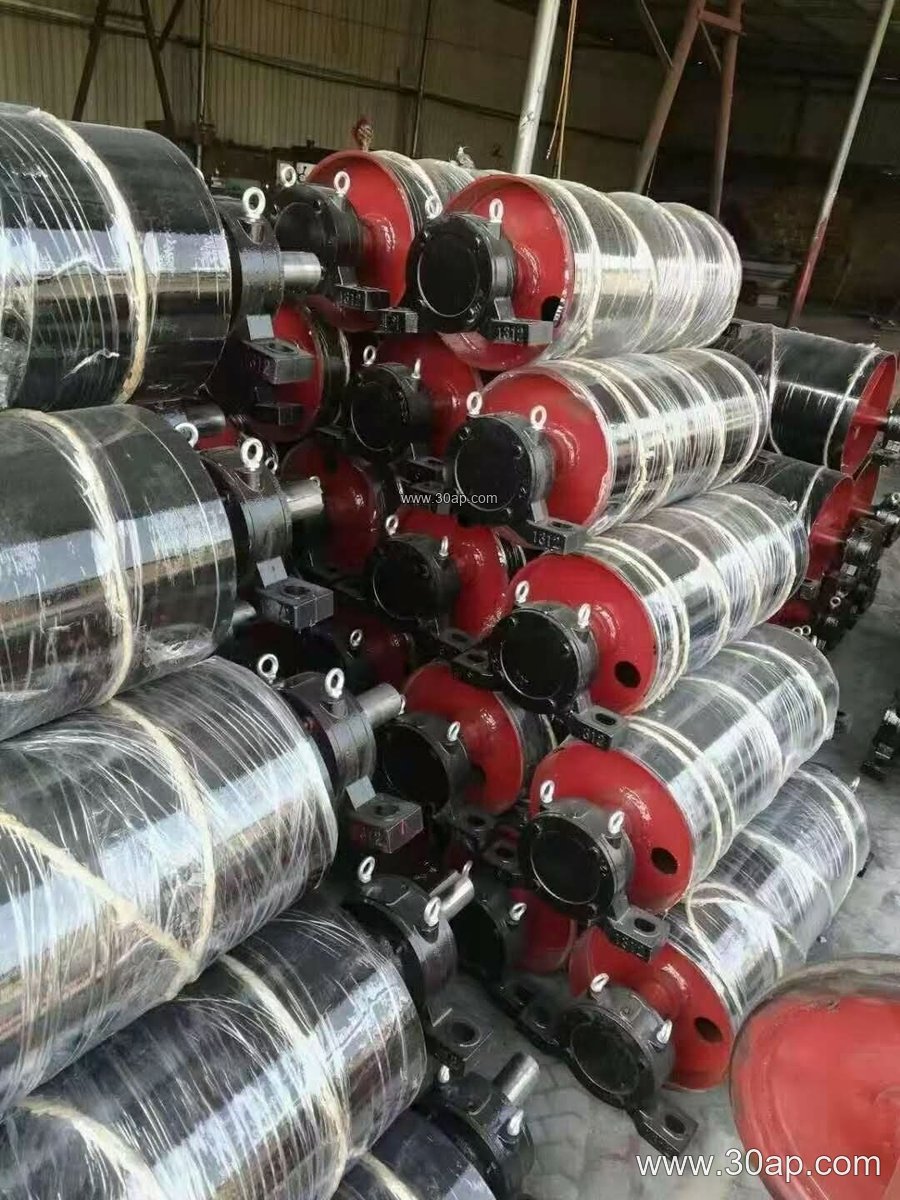
Construction and Key Components
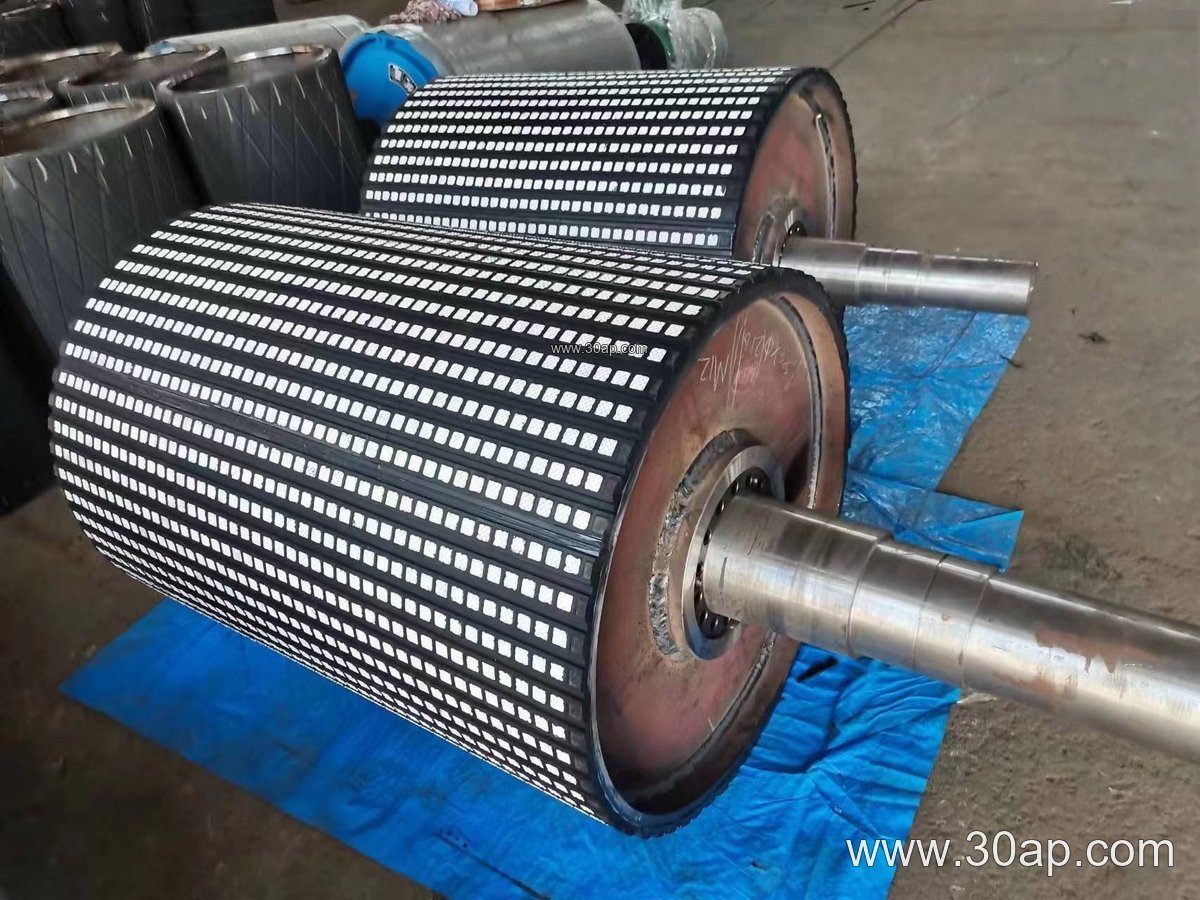
A typical tail pulley assembly includes the pulley shell, shaft, bearings, bearing housings, and a supporting frame or conveyor bracket. The shell is usually welded steel, machined for balance, and may be covered with rubber lagging for grip or wear protection. Common surface options include plain finish, cold-bonded rubber, hot-vulcanized rubber, diamond grooving, and ceramic lagging. Lagging thickness often ranges from 8 mm to 20 mm depending on belt speed and material abrasion. The shaft diameter is selected by torque and load, with common sizes such as Ø80, Ø100, Ø120, and Ø140 mm. Bearing type and sealing matter in dusty environments like limestone mines or aggregate plants, where fine particles can shorten service life.
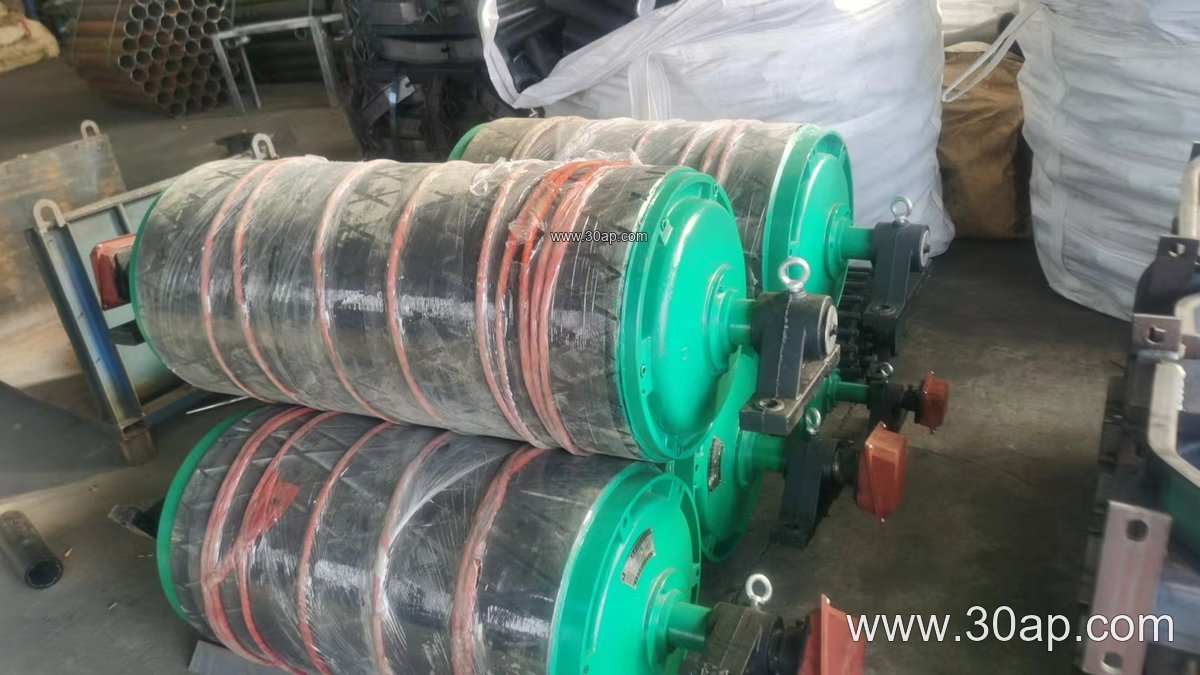
Sizing and Configuration Notes
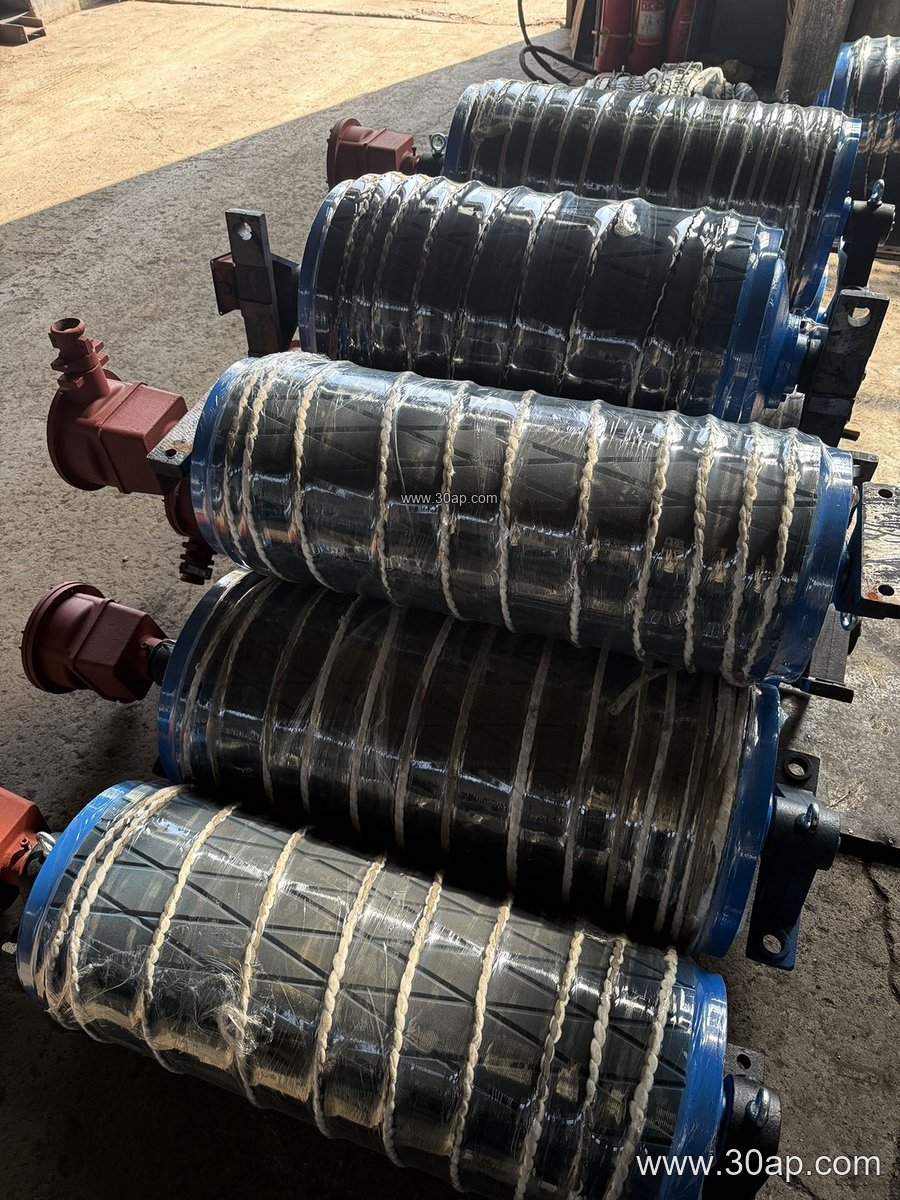
Tail pulley assemblies are matched to belt width and conveyor design. The pulley face width is usually wider than the belt to allow tracking tolerance. For reference, a B800 belt often pairs with a pulley face around 950 mm, and a B1200 belt with roughly 1400 mm. Diameter choices range from Ø200 to Ø800 mm or larger, but no single diameter is mandatory for a given belt width. A B800 × Ø500 assembly and a B1200 × Ø1000 assembly are both common combinations in different duty levels. Shaft size should never be guessed from belt width alone; it follows the calculated torque and radial load. The table below shows representative reference values, not fixed supply rules.
| Belt Width (B) | Typical Pulley Face Width | Common Diameter Range | Common Shaft Range |
|---|---|---|---|
| B500 | about 600 mm | Ø200–Ø400 | Ø50–Ø80 |
| B650 | about 750 mm | Ø250–Ø500 | Ø60–Ø100 |
| B800 | about 950 mm | Ø315–Ø630 | Ø70–Ø120 |
| B1000 | about 1150 mm | Ø400–Ø800 | Ø80–Ø140 |
| B1200 | about 1400 mm | Ø500–Ø1000 | Ø90–Ø160 |
| B1400 | about 1600 mm | Ø630–Ø1250 | Ø100–Ø180 |
These combinations are starting points for discussion. Final selection depends on belt tension, material weight, and the take-up method. For a heavy-duty mining conveyor belt carrying iron ore, a larger shaft and reinforced bearing housing are often necessary. For a lighter aggregate conveyor belt in a sand and gravel line, a smaller assembly may be sufficient.
Where It Fits in the Conveyor System
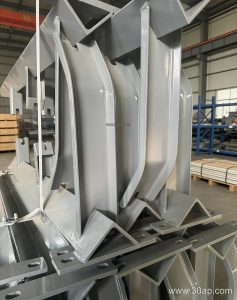
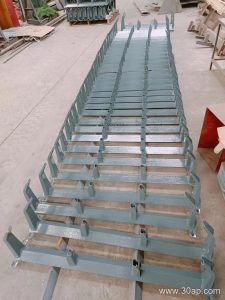
The tail pulley assembly is installed at the return end of the conveyor, where the belt leaves the carrying idlers and begins its return path. In a coal mining conveyor or a power plant coal handling line, it helps keep the belt centered before it reaches the drive. In a cement plant, it may operate under dusty conditions that require effective bearing seals. The assembly also works with conveyor brackets and frame structures to maintain alignment. Proper interaction with the conveyor belt is essential: a misaligned tail pulley can cause edge wear, belt mistracking, and premature splice failure. It is not a substitute for a drive pulley or a bend pulley, each of which has a distinct role in the conveyor layout.
Buyer Checklist
- Confirm belt width and pulley face width, allowing for tracking tolerance.
- Specify shaft diameter from torque and load calculations, not from belt width alone.
- Choose lagging based on abrasion, grip needs, and environment; plain, rubber, diamond, or ceramic surfaces serve different conditions.
- Check bearing housing type and sealing for dust, water, or washdown.
- Verify mounting dimensions and compatibility with the existing conveyor bracket and take-up system.
- Consider belt type and service conditions, including heat, oil, or flame risk, so the assembly suits the broader conveyor design.
For more conveyor component information, visit yonghangconveyor.com and review tail pulley options alongside conveyor pulley and idler roller selections.