What the Ø159 Conveyor Idler Is
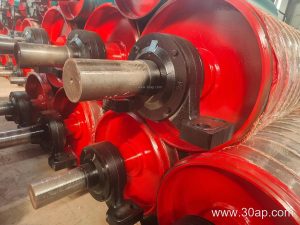
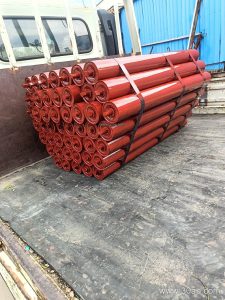
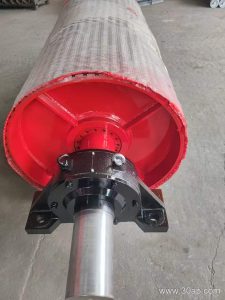
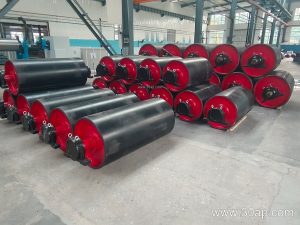
The Ø159 conveyor idler is a heavy-duty carrying or return roller built around a 159 mm shell diameter. In bulk handling terms it is often called a 159mm belt idler or a Ø159 troughing roller, and it sits under the conveyor belt to support the load and keep the belt tracking smoothly. This size is common where lump sizes are larger and belt widths run from about 1000 mm upward, though the exact match depends on the conveyor design rather than a fixed rule. A Ø159 idler roller is not a drive pulley or a tail pulley; it is the rotating support element that the belt runs over. For heavy ores and abrasive rock, a well-built Ø159 conveyor idler helps protect the belt from sagging and misalignment.
How It Is Built
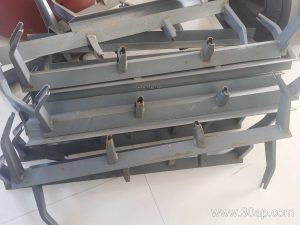
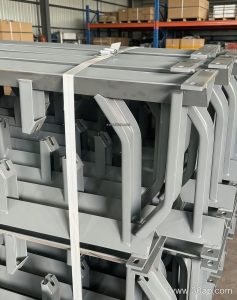
The body is usually a steel tube with machined end caps, sealed bearings and a shaft that locks into the conveyor bracket. Common bearing sizes in this diameter class include 6308 and 6310, but bearing selection follows load and speed rather than diameter alone. The roller surface can be plain steel, nylon, ceramic or rubber rings, and the choice depends on whether the belt carries sticky material, sharp rock or fine dust. A three-roll troughing set at 35 degrees is a frequent arrangement, and the centre roll and side rolls may have different lengths. For a B1200 belt, a common centre roll length in a three-roll set is around 465 mm, while a B1400 set often uses about 530 mm. These are typical examples, not fixed pairings, and the actual roll length is set by belt width, trough angle and the idler group design.
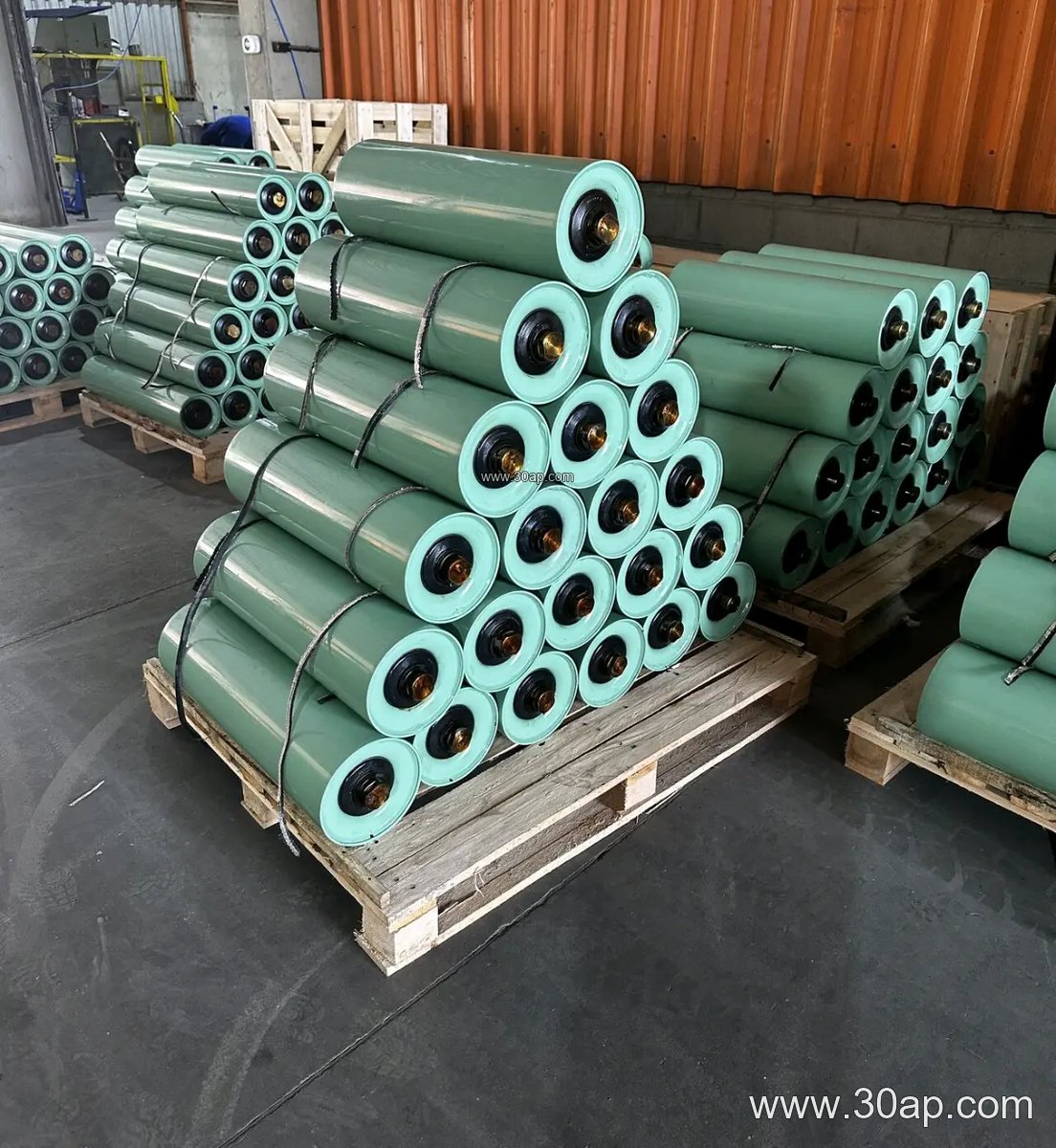
Where It Fits on the Conveyor
The Ø159 idler appears in several positions. Troughing idlers carry the loaded belt on the upper run, return idlers support the empty belt underneath, and impact idlers with rubber rings sit at transfer points where rock drops onto the belt. In a quarry or a limestone mine, the primary crusher discharge is a typical place to use impact rolls of this diameter. At a coal washing plant or a power plant coal yard, flame retardant conveyor belt and abrasion resistant conveyor belt often run over Ø159 carrying idlers, while return rolls keep the belt from rubbing on the frame. The same roller size can appear on a cement plant clinker line or on an iron ore conveyor, but the surface and bearing seals should be chosen for the local dust and moisture.
Sizes and Common Configurations
The table below gives reference values that are often seen in catalogues and design sheets. They are not universal specifications and should be confirmed against the conveyor drawing.
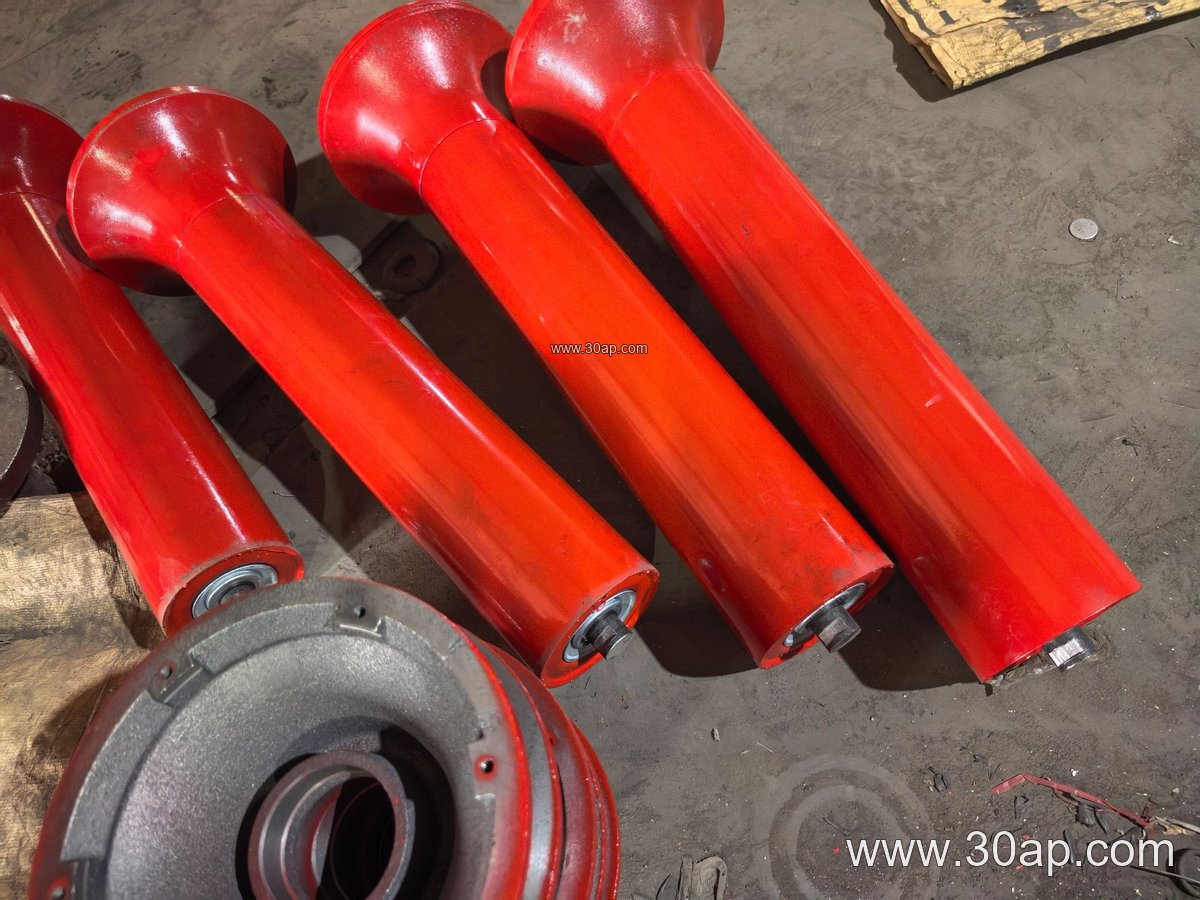
- Shell diameter: Ø159 mm
- Roller diameter range in the same family: Ø133, Ø159, Ø178, Ø194 mm
- Belt widths commonly served: B1000, B1200, B1400, B1600, B1800, B2000
- Trough angles: 20, 30, 35, 45 degrees
- Bearing options: 6308, 6310 (not limited to one roller size)
- Roll surfaces: steel tube, nylon, ceramic, rubber ring
- Idler group forms: single roll, two-roll, three-roll troughing
For a B1600 belt, a three-roll troughing set often uses a centre roll near 600 mm, and for B1800 the figure is commonly around 670 mm. A B2000 set may use about 750 mm. Side rolls are shorter. None of these values should be read as a rule that one belt width can only match one pulley diameter or one shaft size. The shaft diameter is determined by the load calculation, not by belt width alone. When the conveyor carries a steel cord conveyor belt or a heavy multi-ply fabric core conveyor belt, the idler spacing and roll length are set by the belt tension and load, so the Ø159 roller is chosen as part of the whole system.
Buyer Checklist
A buyer should confirm the shell wall thickness, the bearing brand and seal type, the shaft end fitting, and the roll length for each position. Ask how the bearing cavity is protected against water and fine dust, because a wash plant or a port terminal is harder on seals than a dry cement silo. Check that the roller surface suits the material: rubber rings for impact, ceramic or nylon for sticky or abrasive fines, plain steel for clean bulk. The conveyor bracket and frame spacing must match the shaft, and the idler group should be ordered as a set when the trough angle matters. If the belt is a chevron conveyor belt or a corrugated sidewall conveyor belt, the idler layout may need extra clearance. For an underground coal mining conveyor belt, fire resistant and anti-static properties of the belt are separate from the roller, but the roller seal still needs to handle coal dust. A short maintenance check of the Ø159 conveyor idler for play, noise and heat is cheaper than replacing a damaged belt.