What a Galvanized Conveyor Bracket Does
A galvanized conveyor bracket is the steel support that holds idler rollers in the correct position under a conveyor belt. It is the interface between the conveyor frame and the rollers: the bracket sets the trough angle on the carrying side, supports the return strand, and keeps roller spacing consistent along the line. Because the part is hot-dip galvanized, it resists rust in wet washing areas, coastal ports, and dusty plants where condensation is common. The same item is often called a galvanized roller support bracket or a galvanized idler bracket, and these names describe the same product.
In a quarry, a cement plant, or a power plant coal yard, a failed bracket can drop a roller and damage the belt within minutes. That is why buyers pay attention to steel thickness, hole alignment, and coating quality rather than treating the bracket as a minor accessory.
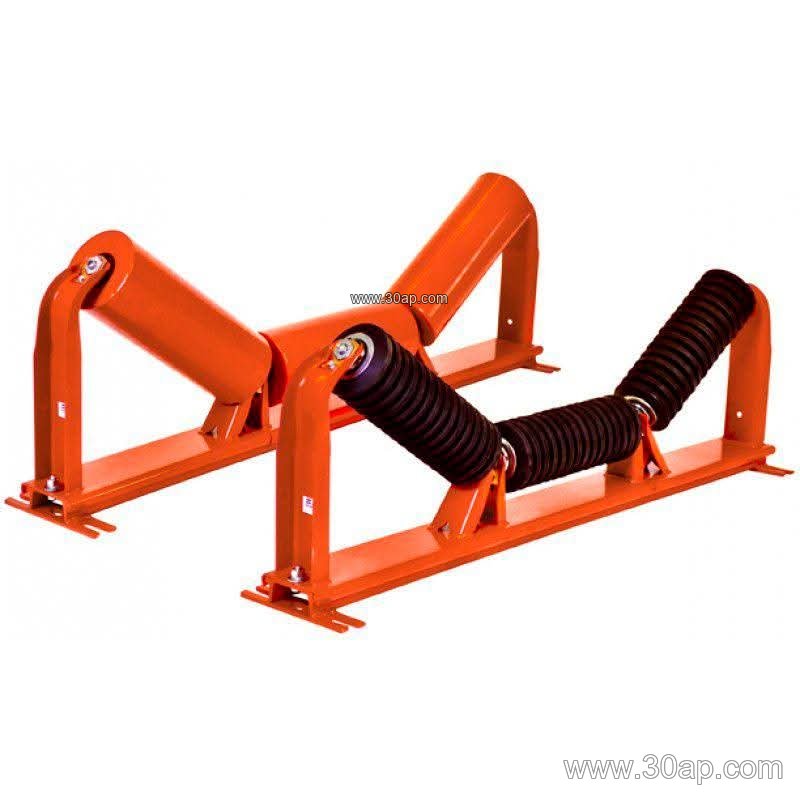
How the Bracket Is Built
Most brackets are fabricated from angle steel, channel steel, or folded steel plate, then welded and galvanized. A typical carrying bracket has two inclined arms that set the trough angle, plus mounting holes for the roller shafts. Return brackets are flatter, and V-return designs use two short arms to center the belt on the return run. Adjustable versions allow the trough angle to be changed on site, which helps when a conveyor handles several materials with different flow characteristics.
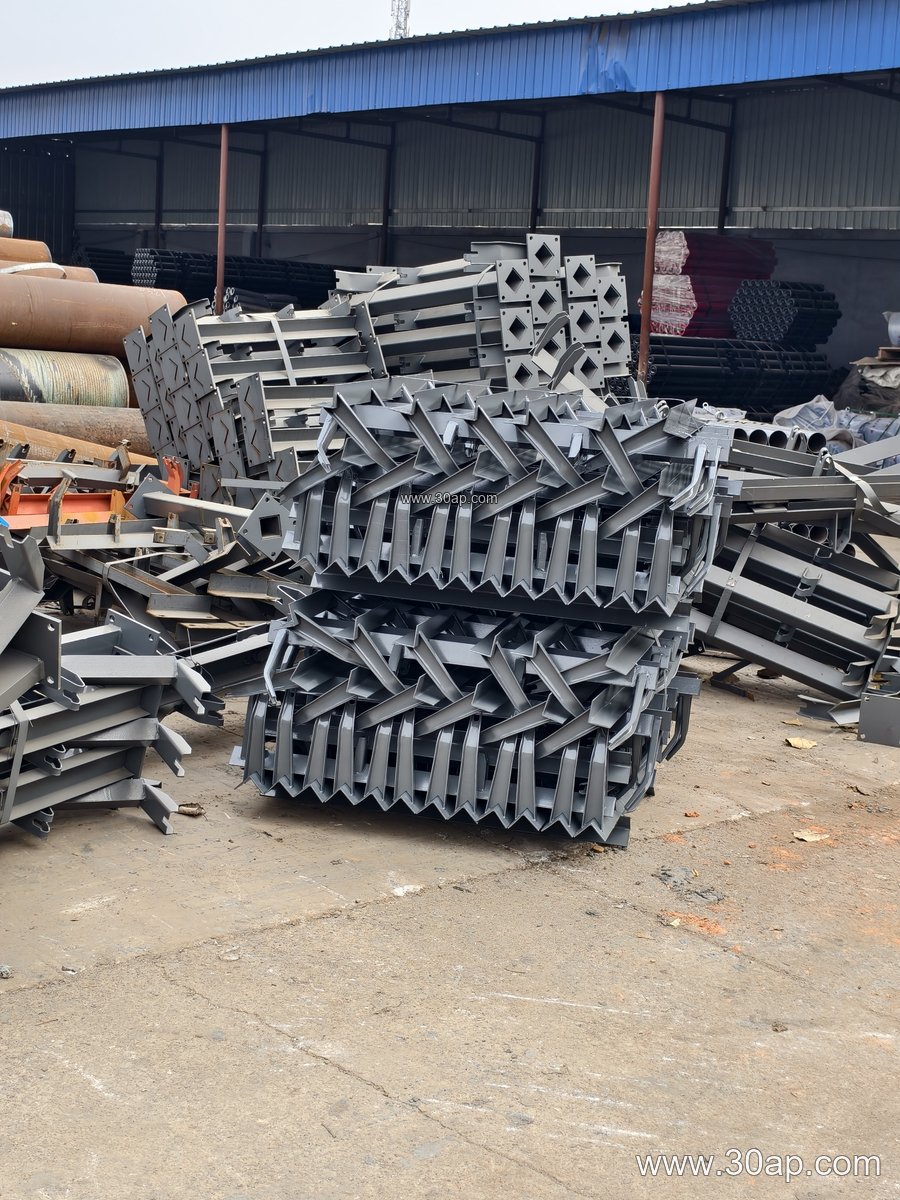
Galvanizing is usually hot-dip, giving a zinc layer that covers welds and cut edges. Buyers should confirm that drain holes are present so zinc can escape during dipping and water cannot collect later. Sharp edges and weld spatter near roller seats are worth checking, since they can wear roller shafts or make alignment difficult.
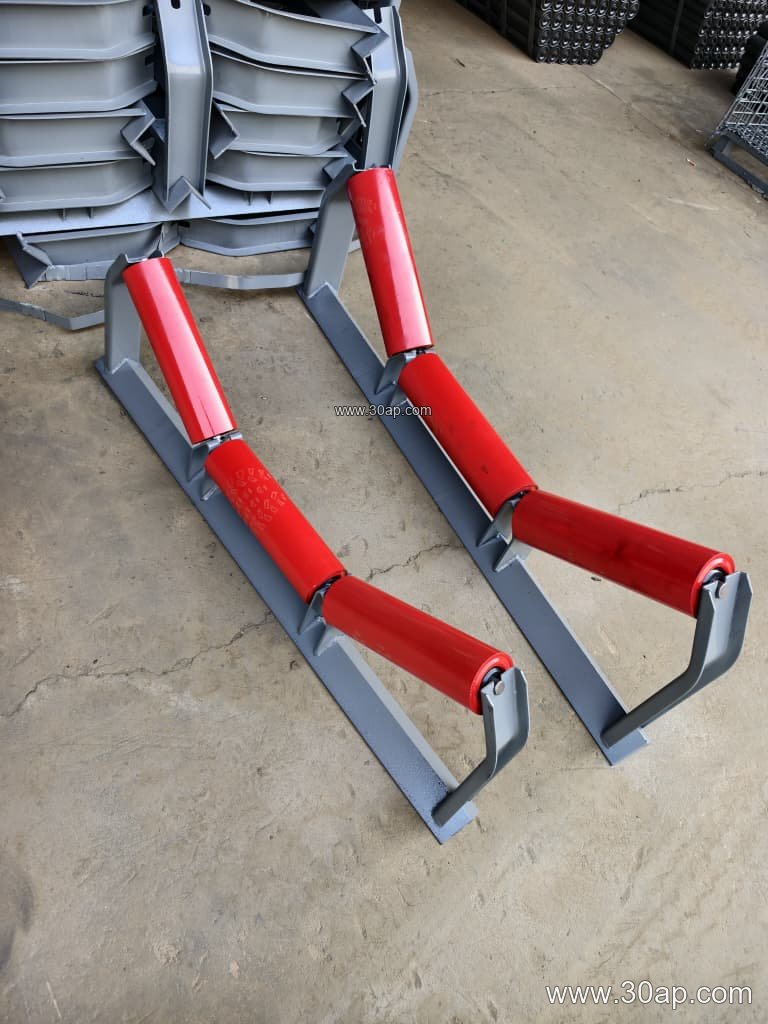
Common Configurations and Reference Dimensions
The table below lists typical combinations used in specification discussions. These are common references, not fixed rules; the final match depends on belt width, load, and frame design.
| Bracket Type | Typical Belt Width | Trough Angle | Roller Diameter |
|---|---|---|---|
| Carrying bracket | B500 / B650 | 20° / 30° | Ø89 |
| Carrying bracket | B800 / B1000 | 30° / 35° | Ø108 / Ø133 |
| Carrying bracket | B1200 / B1400 | 35° / 45° | Ø133 / Ø159 |
| Transition bracket | B1000 / B1200 | 20° to 35° | Ø108 / Ø133 |
| V-return bracket | B800 / B1000 | — | Ø108 / Ø133 |
| Impact bracket | B1200 / B1400 | 35° | Ø159 / Ø194 |
Mounting hole spacing and crossbeam length change with belt width and trough angle, so they are determined by design rather than treated as universal values. A B800 bracket with a 35° angle and Ø108 rollers is a frequent combination, but a B800 line with a different load profile may use another roller size.
Where These Brackets Are Used
Galvanized brackets suit applications where moisture or washdown is part of daily operation. In a sand and gravel line, they support the carrying rollers after the crusher and help keep fines from building up on painted surfaces. In a fertilizer or grain silo facility, the zinc coating stands up to humid air better than untreated steel. They also appear in tunnel muck removal, steel plant sinter lines, and port ship-loading conveyors where salt air is a concern.
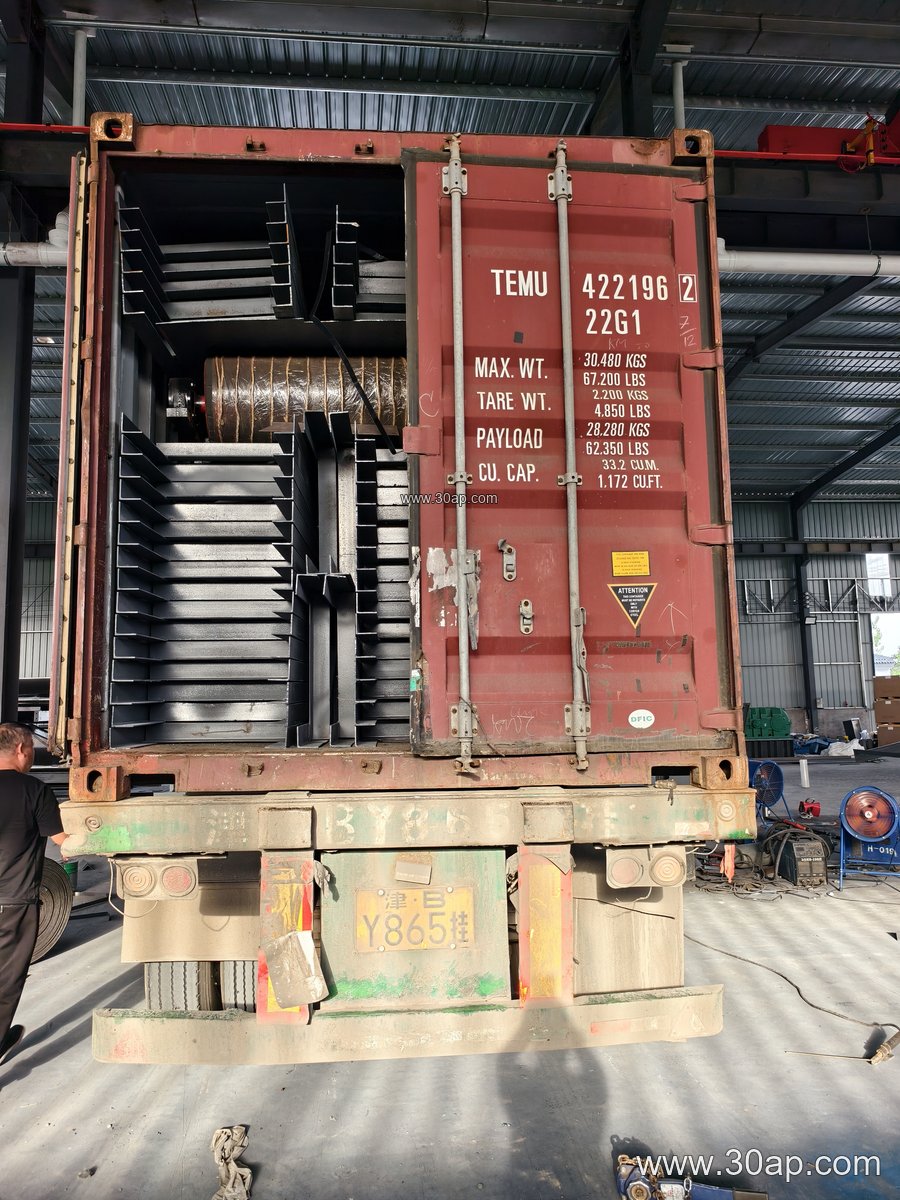
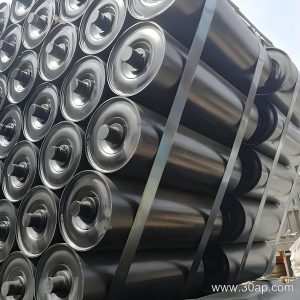
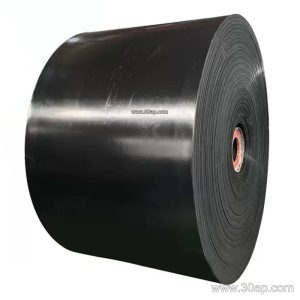
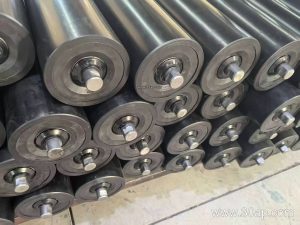
On the belt side, the bracket must work with the correct roller and belt. A heavy-duty mining conveyor belt running over Ø159 rollers needs brackets with enough stiffness to resist deflection. A pipe conveyor belt or a corrugated sidewall belt may need special bracket geometry near the transition, while a standard EP conveyor belt or NN conveyor belt on a flat frame uses conventional troughing brackets.
Selection Points for Buyers
- Confirm belt width and trough angle first, then match the roller diameter and shaft end type.
- Check steel thickness and weld quality; thin arms deflect under load and cause belt misalignment.
- Ask whether the bracket is fixed or adjustable, and confirm the adjustment range.
- For impact zones, use a buffer bracket rather than a standard carrying bracket.
- Verify zinc coating thickness and inspect drain holes before acceptance.
- Keep spare brackets on site; replacing one early is cheaper than replacing a torn belt.
A galvanized conveyor bracket is a small part with a large effect on belt life. Matching it to the roller, the frame, and the material being carried keeps a conveyor running straight in demanding plants.