What a Trough Idler Bracket Does
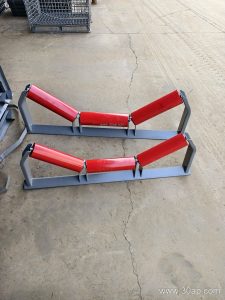
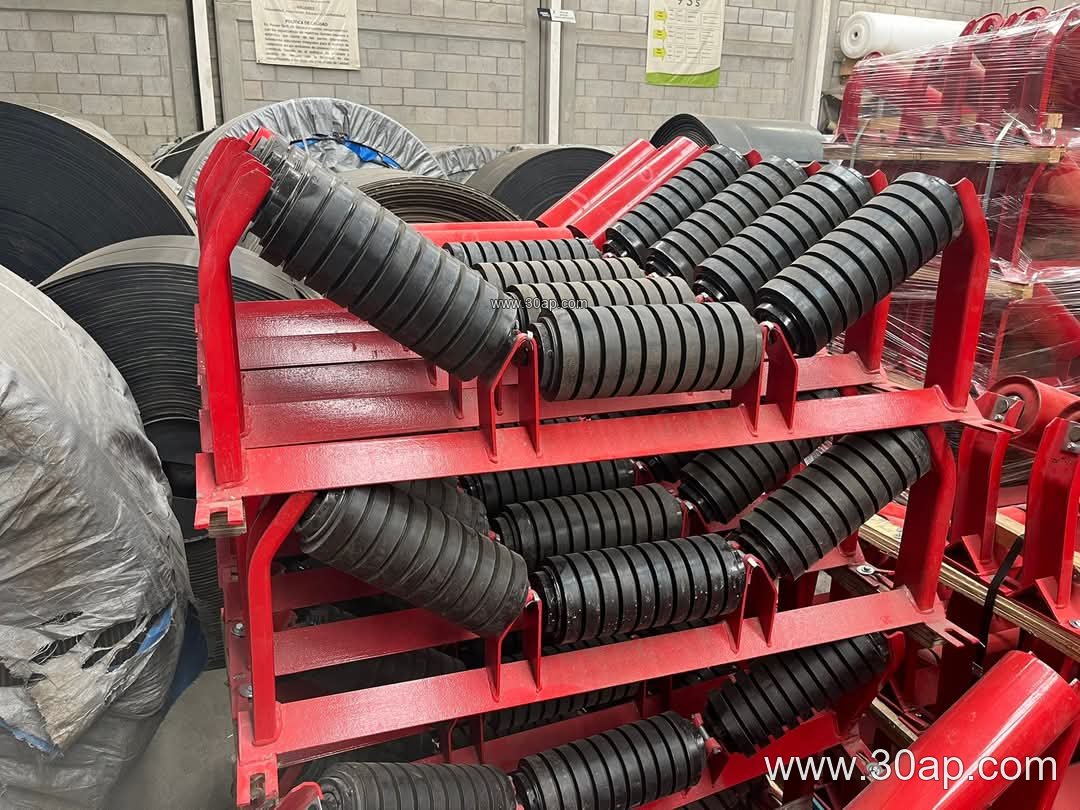
A trough idler bracket is the steel support that holds the three-roll troughing set under the carrying side of a conveyor belt. It fixes the side rollers at an angle so the belt forms a trough, keeps bulk material centered, and spreads load across the idler rollers. In a quarry, a coal handling system, or a cement plant, this bracket is the quiet component that decides how well the belt tracks and how long the rollers last. Buyers often call it a troughing idler frame or troughing bracket, and both refer to the same part.
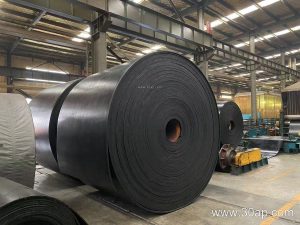
The bracket works together with the conveyor belt and the conveyor pulley at each end of the line. If the frame is weak or the angles are wrong, the belt sags, material spills, and the rollers wear unevenly. A well-built frame keeps the trough shape steady from the tail to the drive.
Construction and Common Materials
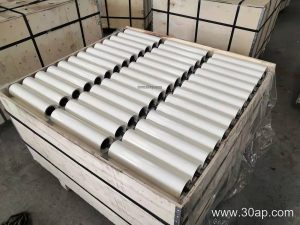
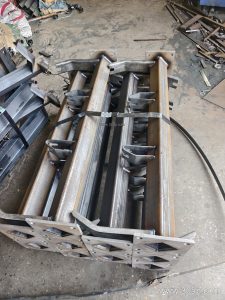
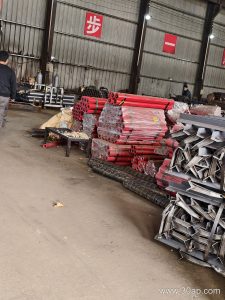
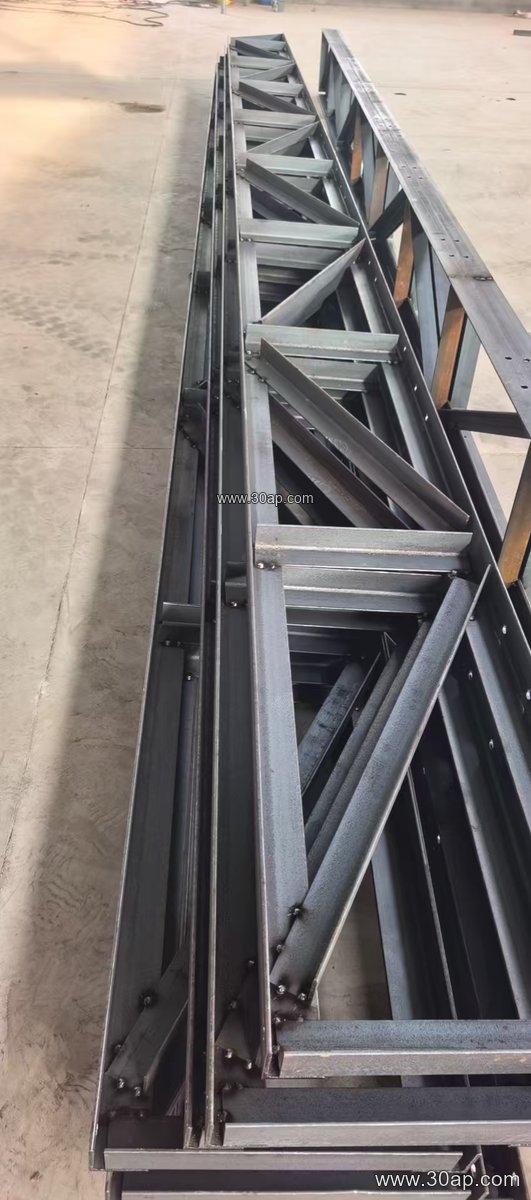
Most frames are fabricated from angle steel, channel steel, or folded steel plate. The crossbeam carries the idler mounting slots, while two end brackets or a formed cradle set the trough angle. Rollers sit in slots or clamped seats so they can be replaced without cutting the frame.
- Angle steel frames suit lighter belts and moderate loads.
- Channel steel frames add stiffness for wide belts and heavy ore.
- Folded plate frames give a cleaner profile and good rigidity in dusty plants.
Finishing is usually painted or galvanized. In wet washing plants and port terminals, galvanized or coated frames resist corrosion better. Fixing holes and beam length follow the belt width and trough angle, so they are set by design rather than by a single universal number.
Angle, Belt Width, and Roller Diameter
Trough angle and roller size are chosen together with belt width. Common trough angles are 20, 30, 35, and 45 degrees. Adjustable brackets allow the angle to be changed on site within that range. A 35 degree frame is common for general bulk material, while a 45 degree set is often used where material must be held in a deep trough. The table below shows typical reference combinations; these are examples, not fixed rules.
| Belt width | Trough angle | Roller diameter | Typical use |
|---|---|---|---|
| B500 | 20-30 degrees | Ø89 | Small aggregate lines |
| B650 | 30 degrees | Ø89 | Sand and gravel conveyors |
| B800 | 35 degrees | Ø108 | Cement and power plant belts |
| B1000 | 35-45 degrees | Ø108 / Ø133 | Coal and ore handling |
| B1200 | 35-45 degrees | Ø133 | Heavy bulk material lines |
| B1400 | 35-45 degrees | Ø133 / Ø159 | Mining and port conveyors |
| B1600 | 35-45 degrees | Ø159 | Large tonnage haulage |
| B1800-B2000 | 35-45 degrees | Ø159 / Ø194 | High capacity bulk systems |
One belt width can accept more than one angle or roller diameter, so the final choice depends on capacity, material lump size, and belt stiffness. Forward-leaning frames, often about 1.5 to 2 degrees, are used to help belt training, but they are a separate design choice from the trough angle itself.
Where the Bracket Fits in the Line
Trough idler brackets appear along the carrying run in stone crushing plants, limestone mines, iron ore handling, coal washing, and power station coal yards. They also support belts in fertilizer and grain silo systems where dust and spillage are concerns. The frame must match the conveyor belt type in service. An abrasion resistant conveyor belt carrying sharp rock needs a stable trough, while a heat resistant conveyor belt in a sinter or clinker area needs frames that do not distort under thermal cycling. Flame retardant conveyor belts used in underground coal mining also rely on correctly aligned troughing frames to avoid edge wear and friction.
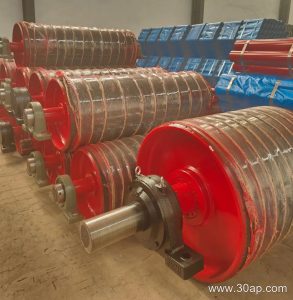
On the return side, a V-return bracket or flat return frame does a different job. Those are not replacements for the trough frame, and the drive pulley, tail pulley, and bend pulley are likewise separate parts with their own support structures.
Selection and Maintenance Notes
Check the bracket against the actual belt width, roller diameter, and required trough angle before ordering. Confirm hole spacing and beam length with the conveyor design, since these vary with width and angle. For impact zones, use a buffer idler bracket rather than a standard frame. For long lines, self-aligning brackets can reduce edge contact, but they should not replace proper pulley alignment.
- Inspect welds and mounting slots for cracks during shutdowns.
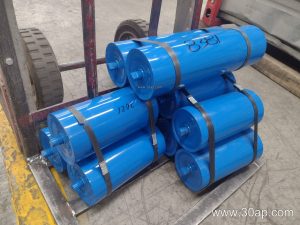
- Keep rollers free turning so the frame does not carry extra load.
- Recheck trough angle after roller replacement.
- Use galvanized or coated frames in wet and corrosive areas.
At www.jsconveyorparts.com, trough idler brackets, idler rollers, and conveyor brackets are supplied to match the belt and pulley layout of each conveyor line.