What a V-Type Return Idler Does
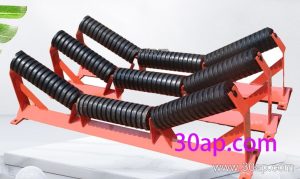
The V-Type Return Idler is a two-roll return support that sits under the carrying side of a conveyor belt on the return run. The two rollers are mounted in a V shape, with the lowest point at the center, so the belt naturally settles into the trough and tends to stay centered. This training effect is the main reason plants choose a V-type return idler over a flat return idler on long or slightly misaligned runs. In a quarry or a coal handling system, a simple V return idler can reduce belt edge contact with the structure and cut down on spillage that collects under the conveyor.
The same product is also described as a V-return idler or V-shaped return roller. These are equivalent names for the same two-roll return assembly, not a different component.
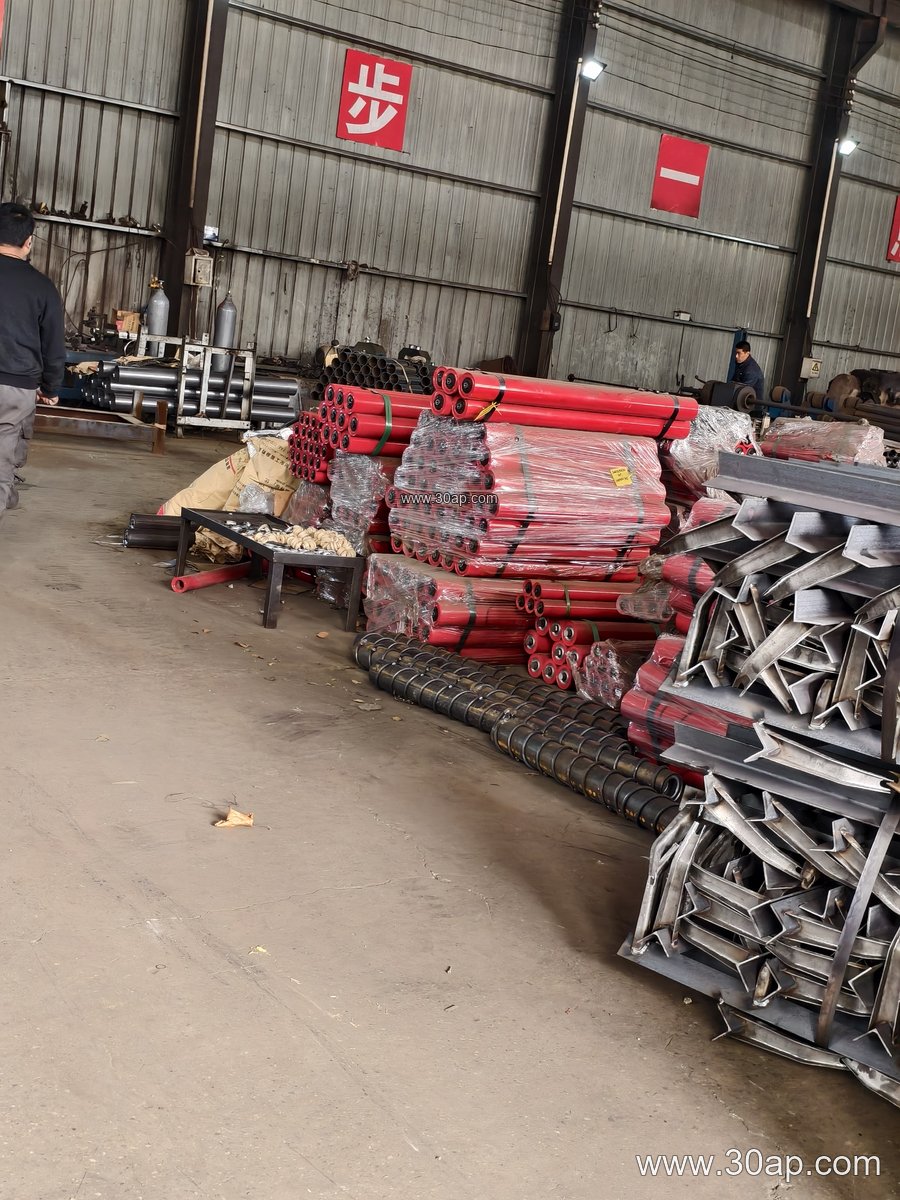
Construction and Common Details
A typical V-type return idler set uses two idler rollers joined by a bracket or frame. Roll shells are usually steel tube, and the shaft runs through sealed bearing housings at each end. The V angle is fixed by the frame, and the two rollers are often the same diameter and length. Buyers should confirm the roller diameter, shell thickness, bearing size, and shaft ends against the existing conveyor bracket before ordering.
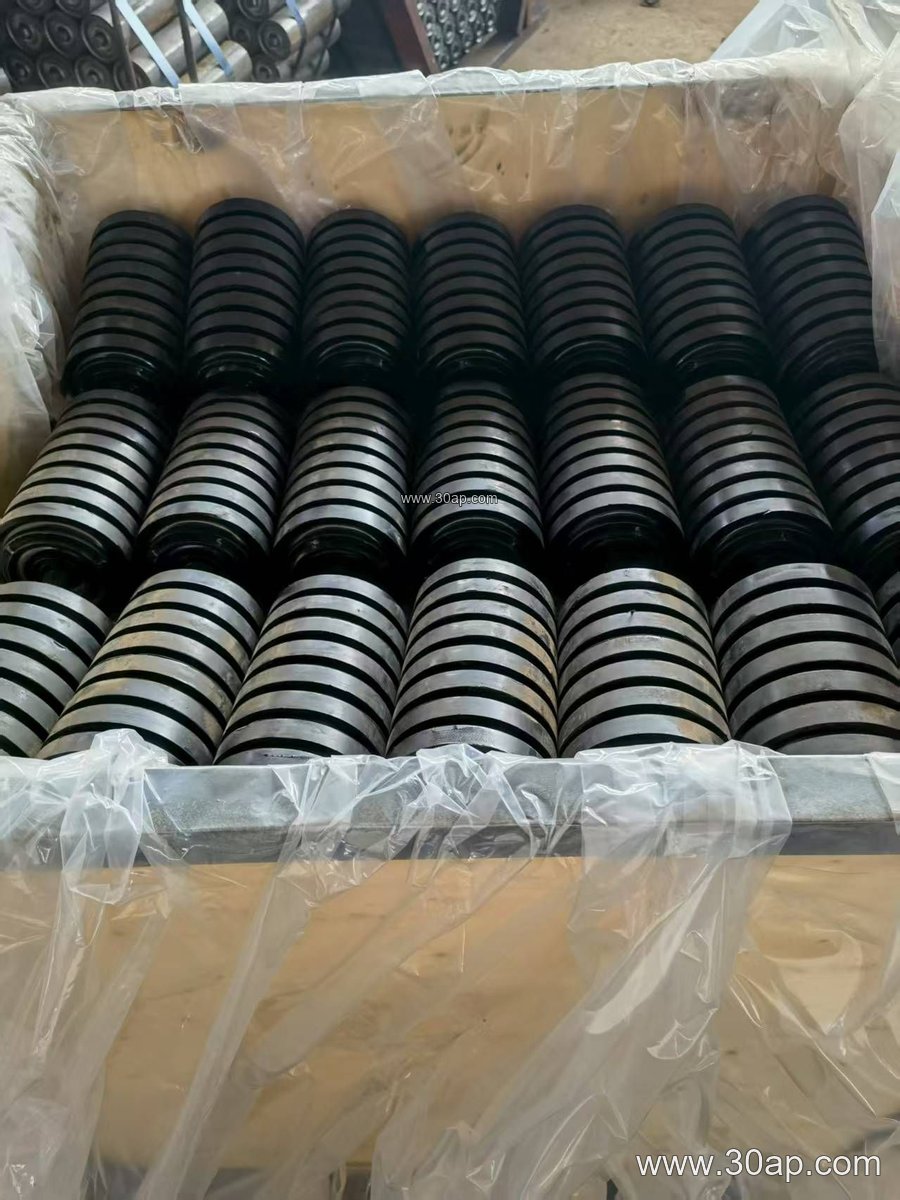
Common roller diameters for return idlers include Ø89, Ø102, Ø108, Ø127, Ø133, Ø159, and Ø178 mm. These are reference values, not a fixed rule; the correct diameter depends on belt width, load, and the original conveyor design. Bearing numbers such as 6204, 6205, 6305, 6306, 6308, and 6310 appear in many idler catalogs, but no single bearing is tied to one roller size.
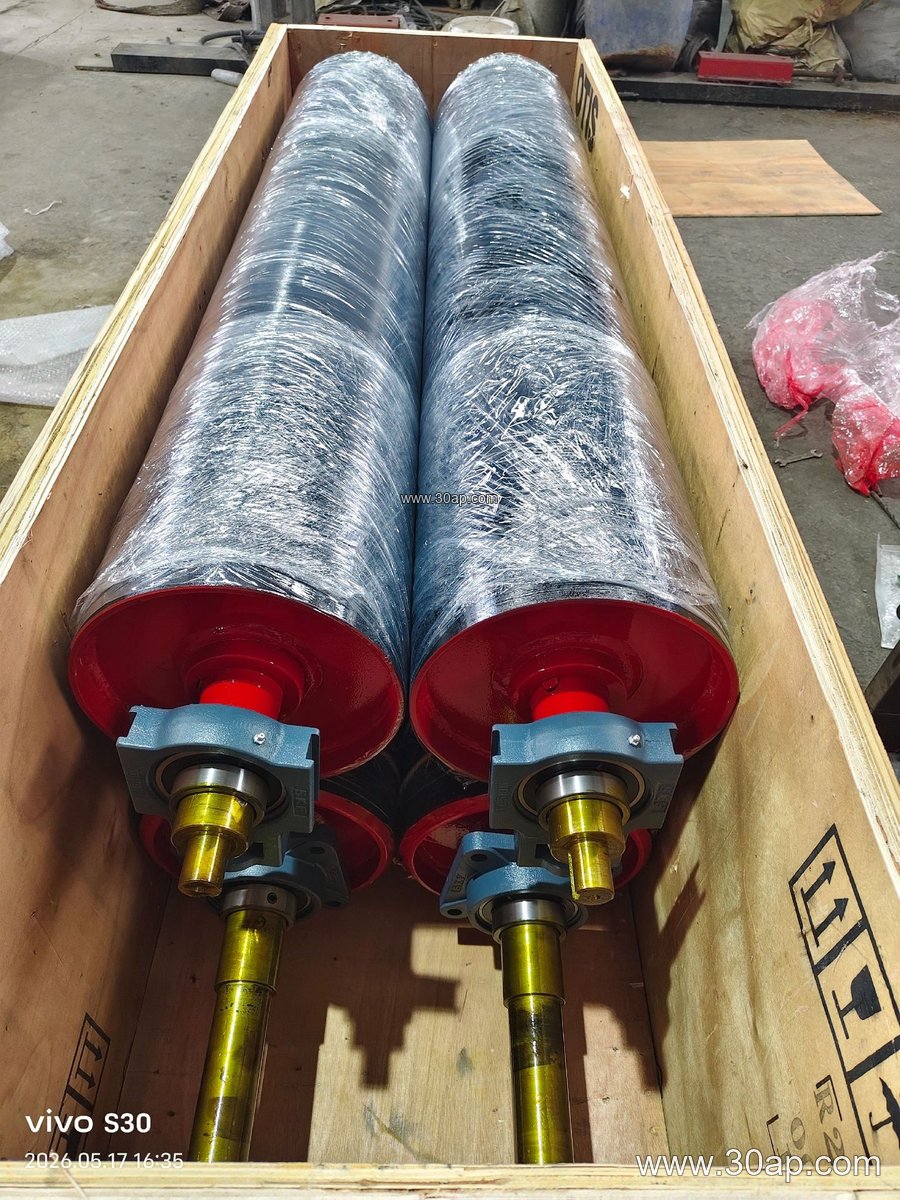
Reference dimensions for planning
| Belt width | Typical roller length reference | Common return roller diameter range |
|---|---|---|
| B500 | about 200 mm | Ø63 to Ø89 mm |
| B650 | about 250 mm | Ø76 to Ø102 mm |
| B800 | about 315 mm | Ø89 to Ø108 mm |
| B1000 | about 380 mm | Ø102 to Ø133 mm |
| B1200 | about 465 mm | Ø108 to Ø159 mm |
| B1400 | about 530 mm | Ø127 to Ø159 mm |
| B1600 | about 600 mm | Ø133 to Ø178 mm |
| B1800 | about 670 mm | Ø159 to Ø178 mm |
| B2000 | about 750 mm | Ø159 to Ø219 mm |
Roller length changes with belt width and frame design, and the two rollers in a V set may differ from a three-roll troughing set. Use the table as a starting point only and measure the mounting brackets on site.
Where It Fits on the Conveyor
The V-type return idler is installed on the return strand, between the head pulley and the tail pulley, usually at intervals along the frame. It is not a replacement for a drive pulley, a tail pulley, or a bend pulley, which transmit power and change belt direction. It also differs from a flat return idler: the V shape adds a centering action, while a flat return roller gives simple support with no training effect.
In a limestone mine or a cement plant, V return idlers are often used where the belt carries abrasive bulk material and where fines tend to build up on the return side. In a power plant coal yard, they help keep the belt aligned as it passes over long spans. In a sand and gravel line feeding a crusher, the return idler works together with the conveyor belt, conveyor pulley, and conveyor bracket to keep the whole run stable.
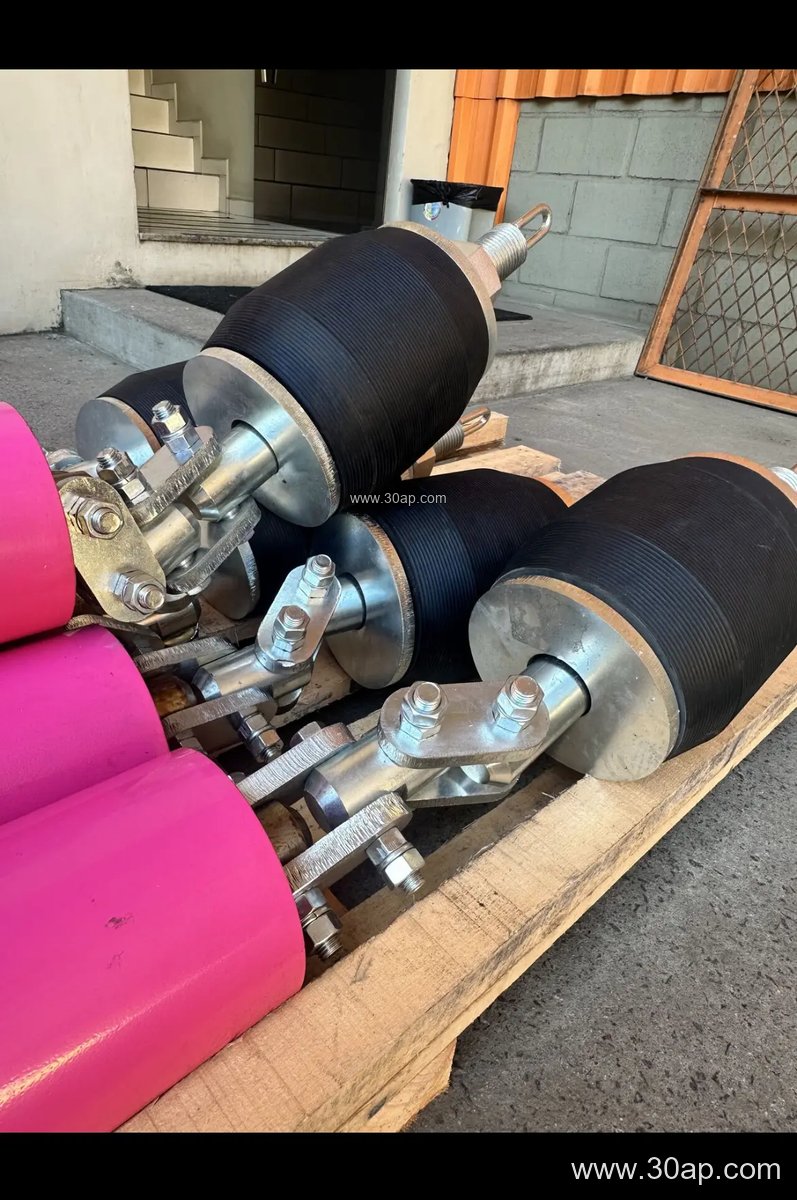
Selection and Maintenance Notes
- Check the belt width and the existing return bracket spacing before choosing roller length.
- Match the roller diameter to the belt speed and load; larger diameters generally suit heavier belts.
- For dusty or wet conditions, specify sealed bearings and a suitable shell finish.
- Inspect for roller seizure, shell wear, and material build-up, since a stuck V return idler can wear the belt edge.
- Keep the V frame square to the belt centerline; a skewed frame can cause tracking problems rather than solve them.
For conveyors carrying hot or oily material, the return idler should be matched with a suitable belt, such as a Heat Resistant Conveyor Belt or an Oil Resistant Conveyor Belt. In coal mining and underground work, a Flame Retardant Conveyor Belt is often specified, and the return idler should be selected with the same attention to dust and fire safety. Where heavy abrasive ore is handled, an Abrasion Resistant Conveyor Belt paired with well-sealed return rollers gives longer service between inspections.
Buyers should ask for the roller diameter, shell thickness, bearing type, shaft end details, and frame dimensions. A V-Type Return Idler is a small part of the conveyor, but it affects belt life, spillage, and energy use, so the specification should match the conveyor belt and the site conditions rather than a single catalog number.