What the Belt Conveyor Drive Pulley Does
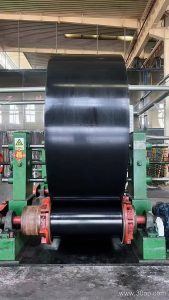
The belt conveyor drive pulley is the powered wheel that turns the conveyor belt and keeps material moving along the line. It usually sits at the head of the conveyor, where it both drives the belt and discharges the load onto the next stage. In a typical bulk handling circuit, this head pulley is wrapped by the conveyor belt, and friction between the pulley surface and the belt cover transmits the torque needed to pull the loaded strand. Because it carries the full tension of the system, its design, diameter and lagging have a direct effect on belt life and on how well the conveyor copes with starting under load.
People often refer to this component simply as the drive drum or head drum. It is not the same part as a tail pulley, which turns freely at the return end, or a bend pulley, which only redirects the belt path. Those components may share similar construction, but they serve different roles and should not be ordered interchangeably.
How a Drive Pulley Is Built
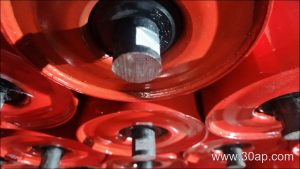
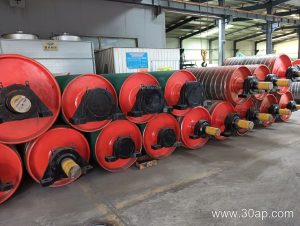
A belt conveyor drive pulley is usually assembled from a cylindrical shell, two end discs, a shaft and a hub connection. The shell is machined to a true diameter and then covered with a lagging layer to raise friction and protect the belt. Common surface forms include plain finish, cast rubber, cold-bonded rubber, hot-vulcanized rubber, diamond pattern lagging, herringbone lagging and ceramic lagging. Lagging thickness is often 8, 10, 12, 15 or 20 mm, depending on the duty and the belt cover.
The shaft is sized by torque and load rather than by belt width alone. Typical shaft diameters include Ø50, Ø60, Ø70, Ø80, Ø90, Ø100, Ø120, Ø140, Ø160, Ø180 and Ø200 mm, but the final value should come from the conveyor design. Pulley diameters commonly range from Ø200 to Ø1800 mm, and the face width is normally a little wider than the belt, for example about 1400 mm face for a B1200 belt or about 1800 mm face for a B1600 belt.
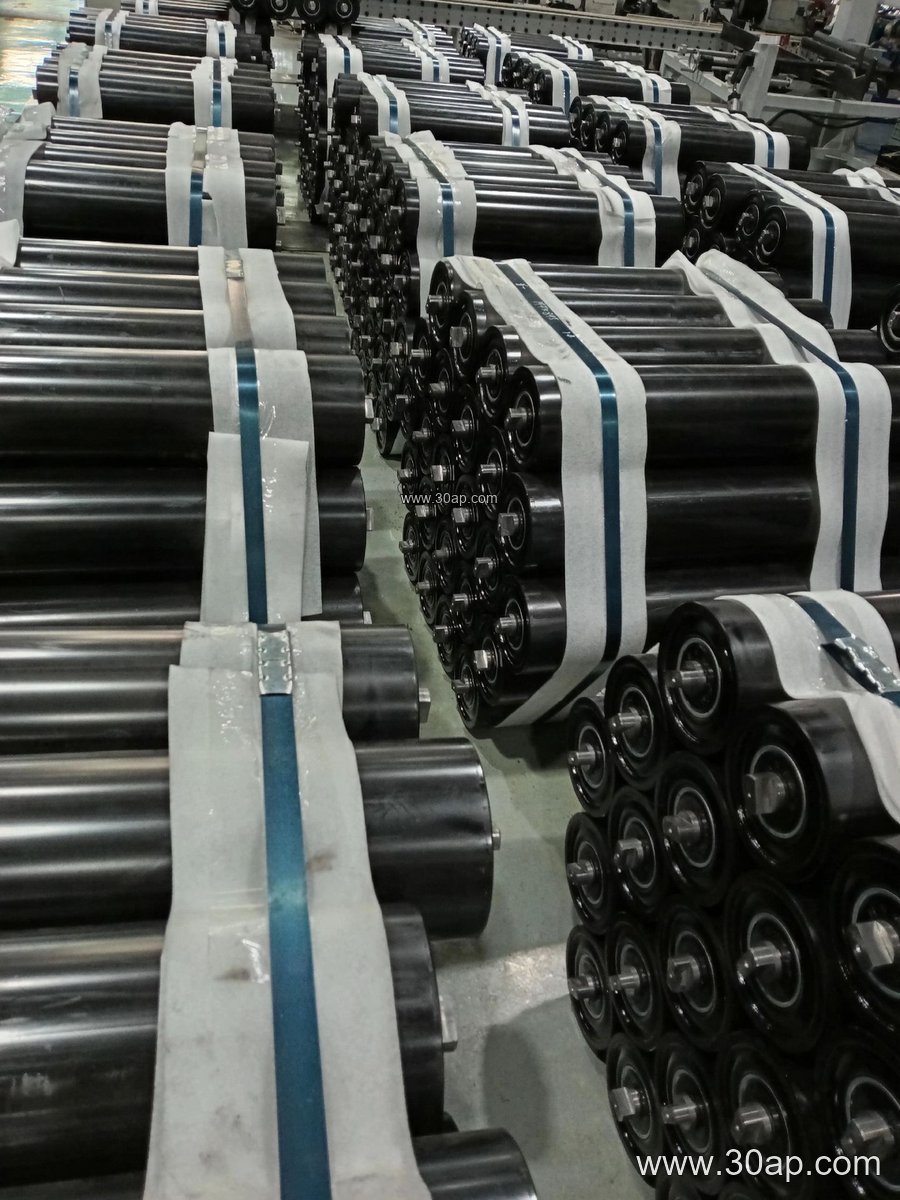
Surface and diameter choices are often linked to the belt they run with. A heavy-duty mining conveyor belt or steel cord conveyor belt may need a larger pulley diameter to limit bending stress, while a fabric core conveyor belt on a shorter run can work with a smaller drum. For abrasive conditions, a rubber or ceramic lagging helps grip the belt without excessive slip.
Where It Fits in the Plant
Drive pulleys appear across many bulk handling sites. In a coal handling section of a power plant, the drive drum on the main coal conveyor is expected to start smoothly and hold grip even when the belt is wet. In a quarry or aggregate line, the head pulley at the discharge of a crusher conveyor often works with an abrasion resistant conveyor belt and a series of idler rollers that support the load. In a cement plant, clinker conveyors may use heat resistant belt grades and a pulley with suitable lagging to handle hot, gritty material.
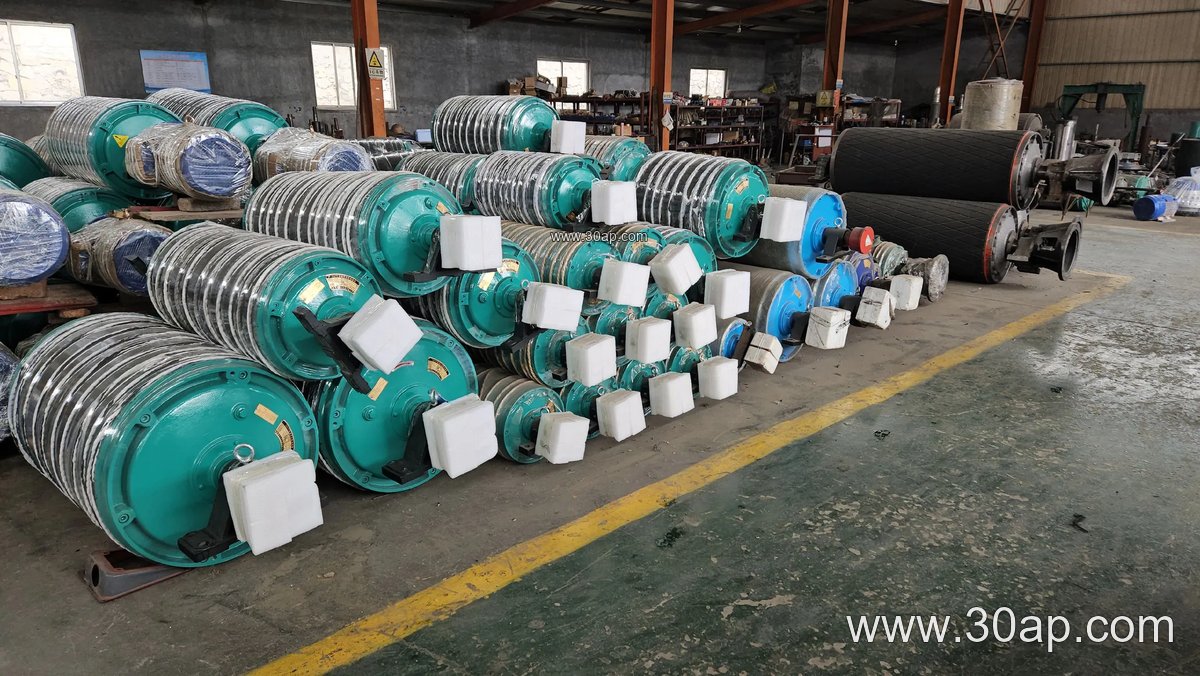
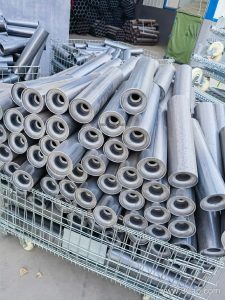
In iron ore or copper ore operations, the drive pulley is part of a system that also includes conveyor brackets, return rollers and a steel cord belt where long distances are involved. The same principle applies in a sand and gravel plant or a fertilizer warehouse: the drive drum is the point where power enters the belt line.
Selection and Maintenance Notes
Buyers should match the pulley to the belt width, the belt type and the duty cycle. A B800 conveyor running an EP conveyor belt may use a drive pulley around Ø500 mm, while a B1400 conveyor with a heavy fabric or steel cord belt might use Ø800 mm or larger. These are typical references, not fixed rules, and the final combination should be confirmed by the conveyor designer.
Maintenance teams should check lagging wear, shaft alignment, bearing condition and the tightness of the hub connection. A worn or glazed lagging surface reduces grip and can lead to belt slip, especially on inclined conveyors. When replacing lagging, the surface form should suit the belt: diamond or herringbone patterns help with wet conditions, while plain rubber may be enough in dry, light-duty service.
For a reliable drive section, consider the whole assembly, including the conveyor pulley, the belt grade and the supporting idler roller set. Matching these parts correctly keeps the belt tracking well and extends service life in mines, quarries, cement works and power stations alike.