What a Bend Rubber Lagged Pulley Does
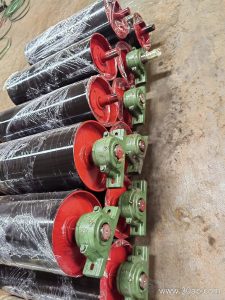
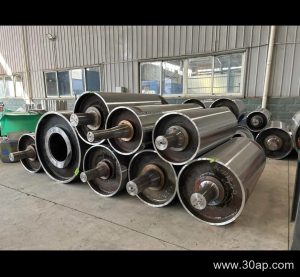
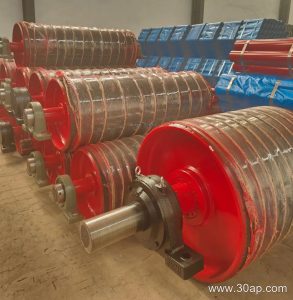
A bend rubber lagged pulley is a directional pulley installed where a conveyor belt needs to change its path without driving or tensioning the system. In many plants it is simply called a rubber lagged bend pulley or a rubber-covered bend roller. It sits between the head and tail of the conveyor, guiding the belt around a curve so the route fits the structure, the transfer point, or the available space. Unlike a drive pulley, it does not transmit motor torque; unlike a tail pulley, it does not set belt tension. Its job is guidance, and the rubber lagging helps it do that job with better grip and less wear.
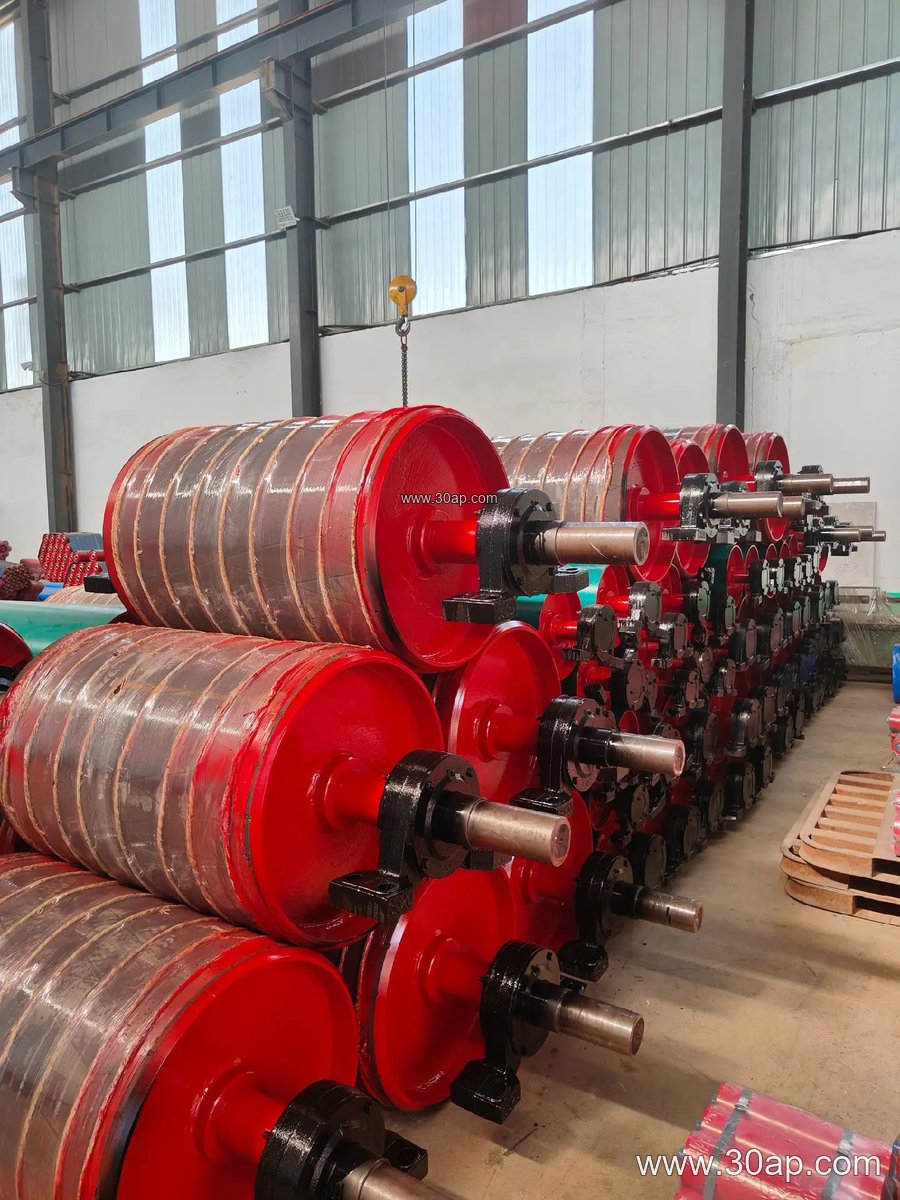
The pulley is built around a steel shell with welded end discs and a shaft that runs through bearing housings. The shell is covered with a rubber layer, usually applied by hot vulcanization or cold bonding, and then machined or grooved depending on the surface form. Common lagging thicknesses are 8, 10, 12, 15 and 20 mm, chosen according to belt speed, load and the amount of slip expected. The rubber surface may be plain, diamond-patterned or chevron-grooved. Diamond lagging helps shed water and fines, while plain lagging suits cleaner, drier duty.
Construction Details That Matter
The connection between lagging and shell is where quality shows. A poorly bonded rubber layer can lift at the edges, trap material and throw the belt offline. Good suppliers prepare the shell surface, use a consistent rubber compound and cure the cover so it stays put through millions of revolutions. The shaft and bearing assembly also deserve attention: a bend pulley carries the belt’s tension load on both sides, so bearings are sized for the resultant force rather than for the pulley’s own weight.
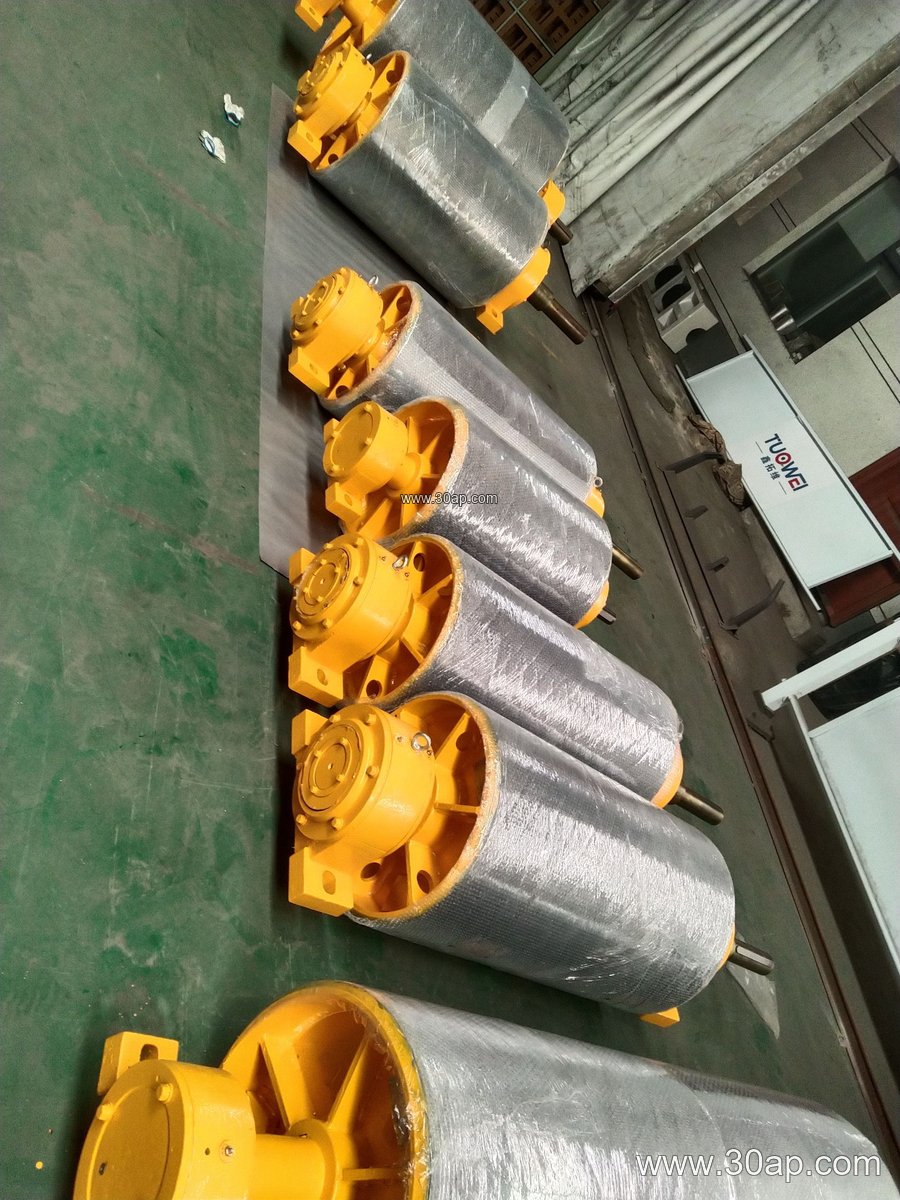
Surface speed and belt tracking are closely linked. If the bend pulley is slightly out of alignment, the belt will drift toward one edge, and rubber lagging will not correct that. Lagging improves friction between belt and pulley, which matters most on long spans and in wet or dusty conditions, but it is not a substitute for proper installation.
Where These Pulleys Fit in a Plant
You will find bend pulleys in quarry conveyor lines, limestone and iron ore operations, coal washing plants, cement clinker circuits, power station coal handling, port bulk terminals and aggregate crushing and screening plants. In a typical downhill or multi-flight route, one or two bend pulleys let the belt follow the structure instead of running in a straight line. They are also used to route the belt around a transfer tower or to clear an obstacle.
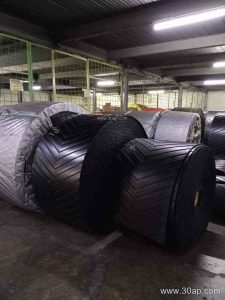
Because they work with the belt rather than driving it, matching the pulley to the belt matters. A heavy-duty mining conveyor belt running at high tension needs a robust shell and well-supported shaft. A fabric core conveyor belt on a shorter run may use a lighter pulley. Where the belt carries abrasive rock, the pulley lagging should resist cutting and gouging; where oil or heat is present, the rubber compound must be selected accordingly. In coal mines, flame retardant conveyor belt and anti-static conveyor belt are common, and the pulley lagging should be compatible with that environment.
Common Size References
The table below shows typical combinations seen in conveyor design. These are reference points, not fixed rules; final dimensions follow the conveyor’s tension, shaft load and layout.
| Belt width (B) | Typical pulley face width | Common diameter range | Typical lagging thickness |
|---|---|---|---|
| B500 | about 600 mm | Ø250 to Ø400 | 8 to 12 mm |
| B650 | about 750 mm | Ø315 to Ø500 | 8 to 12 mm |
| B800 | about 950 mm | Ø400 to Ø630 | 10 to 15 mm |
| B1000 | about 1150 mm | Ø500 to Ø800 | 10 to 15 mm |
| B1200 | about 1400 mm | Ø630 to Ø1000 | 12 to 20 mm |
| B1400 | about 1600 mm | Ø800 to Ø1250 | 12 to 20 mm |
| B1600 | about 1800 mm | Ø1000 to Ø1400 | 15 to 20 mm |
Shaft diameters are commonly Ø80, Ø100, Ø120, Ø140, Ø160 or larger, determined by torque and bearing load rather than belt width alone. A B1200 × Ø1000 bend pulley and a B800 × Ø500 unit can both be correct for their own conveyors.
Buyer Checklist
- Confirm the mounting position and the belt wrap angle, since these affect the load on the pulley.
- Specify lagging type and thickness: plain, diamond or chevron, and 8 to 20 mm as needed.
- State the belt type and service conditions, including abrasive dust, moisture, oil or heat.
- Check that the pulley face width suits the belt, and that the shaft and bearings match the calculated load.
- Ask about balancing and runout, because a bend pulley that vibrates will shorten belt life.
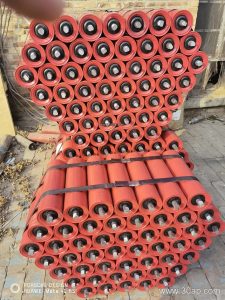
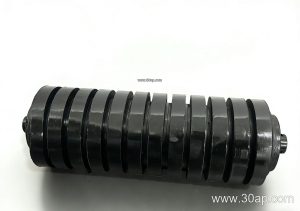
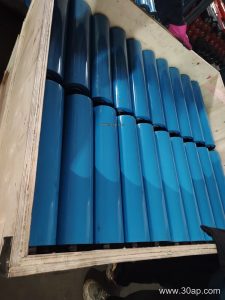
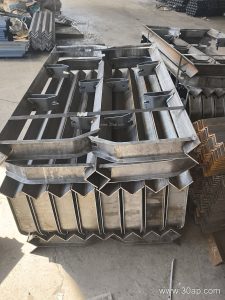
For a complete conveyor line, the bend pulley should be ordered together with the conveyor pulley set, idler roller frames and conveyor bracket details so the geometry works as one system. Whether the plant handles ore, clinker or bulk grain, a well-built rubber lagged bend pulley keeps the belt on its intended path with less noise, less slip and longer service between inspections.