What a Sand and Gravel Production Line Idler Does
A sand and gravel production line idler is the rotating support that carries the conveyor belt between the head and tail of the machine. In a quarry, an aggregate plant, or a crushing and screening circuit, these rollers keep the belt tracking smoothly while tons of rock, sand, and gravel move from the crusher to the screens and stockpiles. The idler is a simple assembly, but it is one of the hardest-working parts on the line. Without reliable rollers, even a well-built conveyor belt will sag, misalign, and wear prematurely.
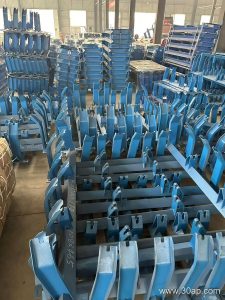
The idler roller is usually mounted in a frame or bracket that fixes its position and angle relative to the belt. Depending on where it sits along the conveyor, the roller may be part of a troughing set on the carrying side or a return set underneath. Each assembly is designed around the belt width, the load, and the material being handled.
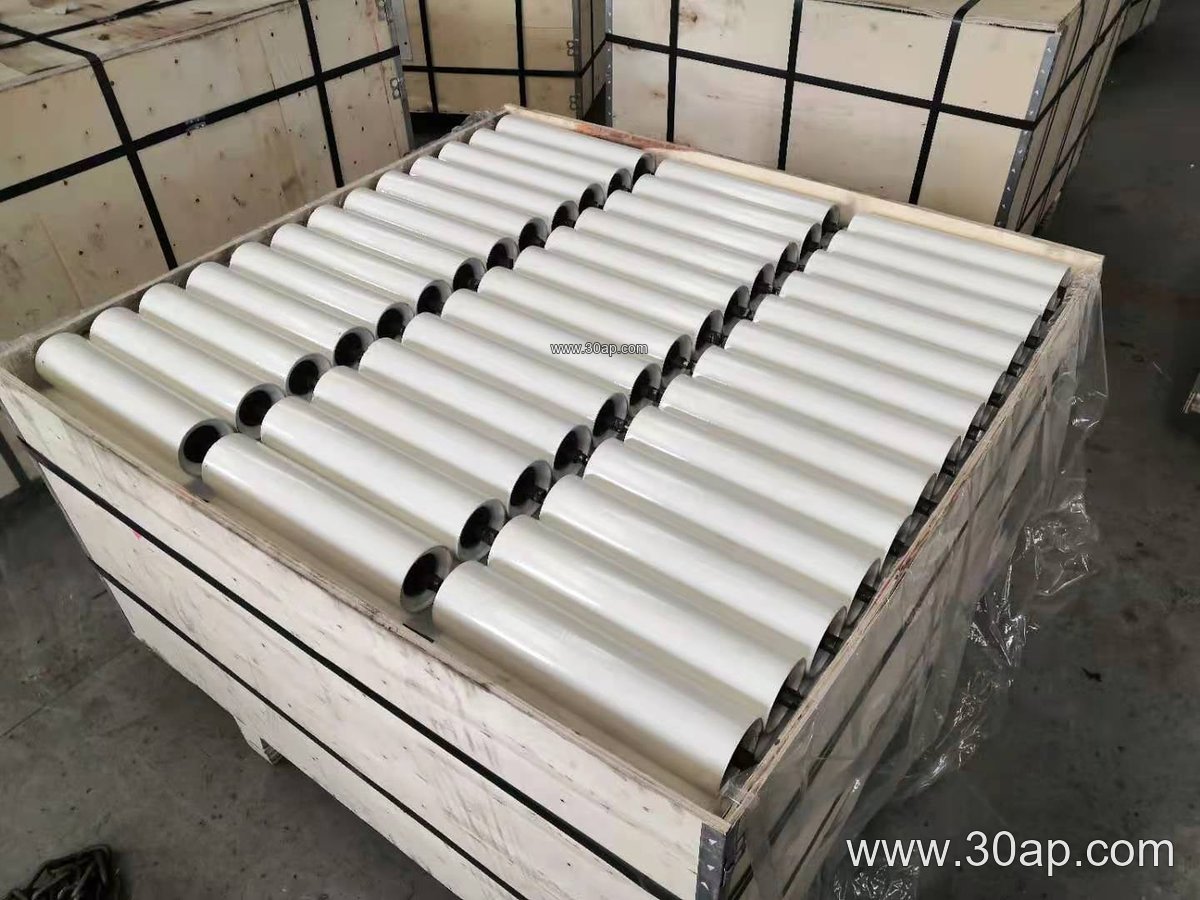
Construction and Common Forms
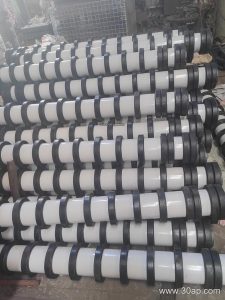
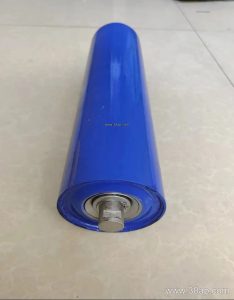
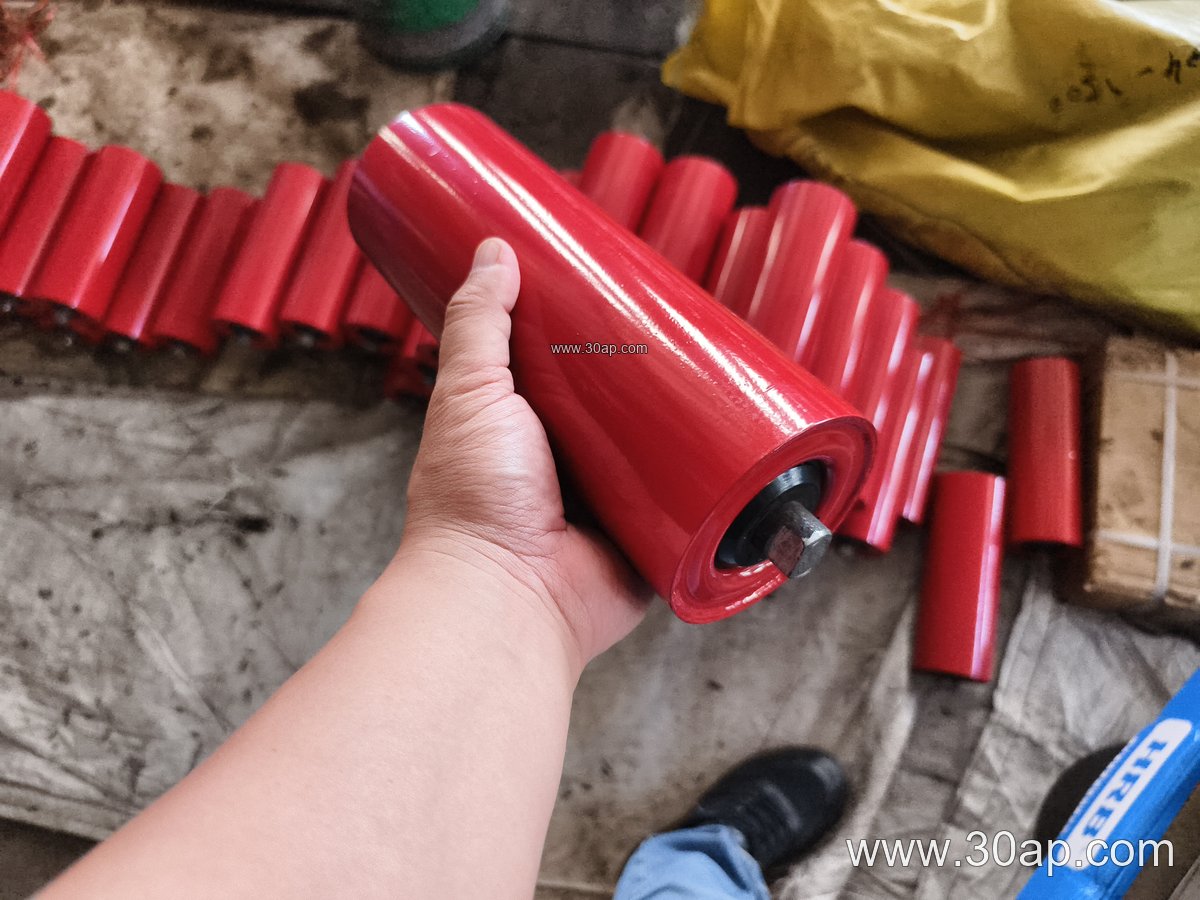
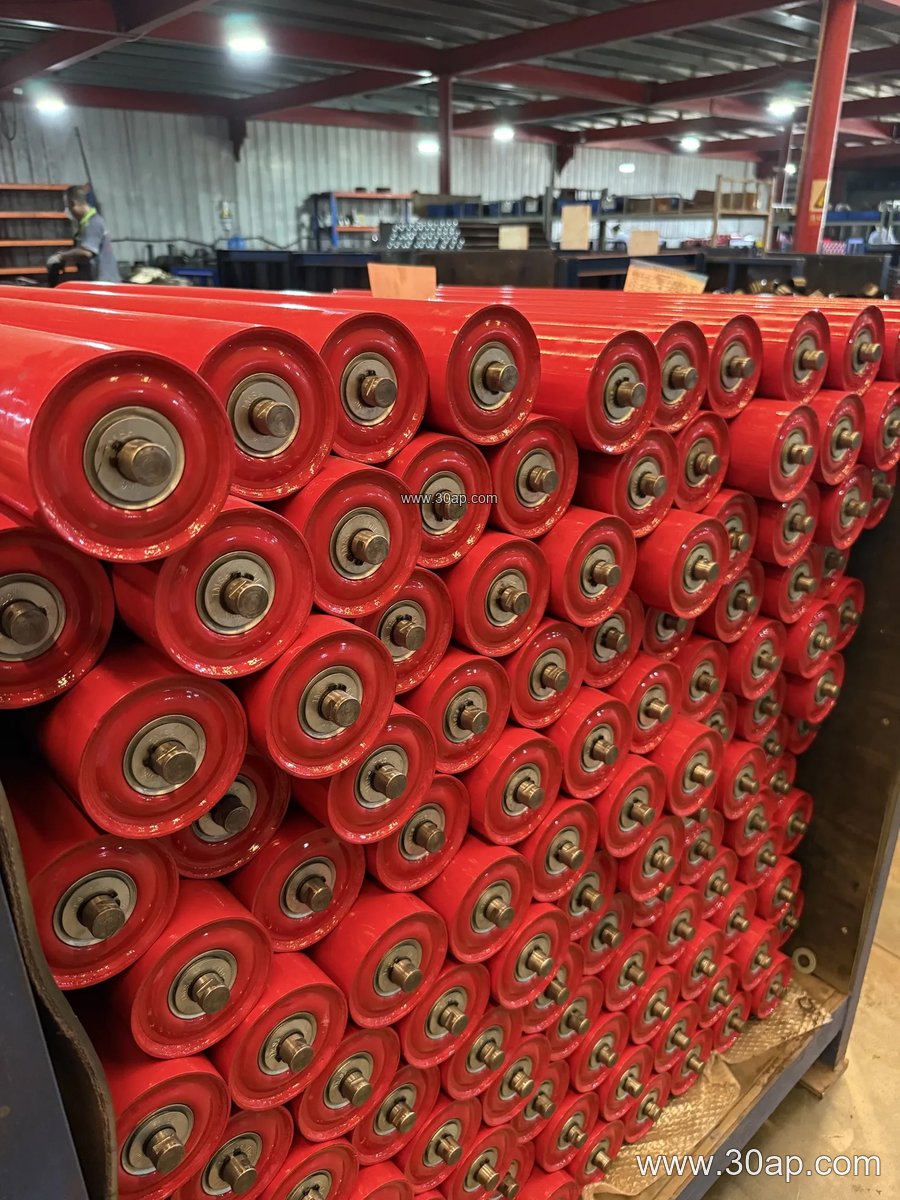
Most sand and gravel production line idlers share a basic build: a steel tube shell, a shaft, bearing housings, and a sealing arrangement at each end. The shell may be plain steel, nylon-coated, ceramic-covered, or fitted with rubber rings. Seals matter enormously in dusty aggregate plants, because fine sand and grit destroy bearings quickly if they get inside.
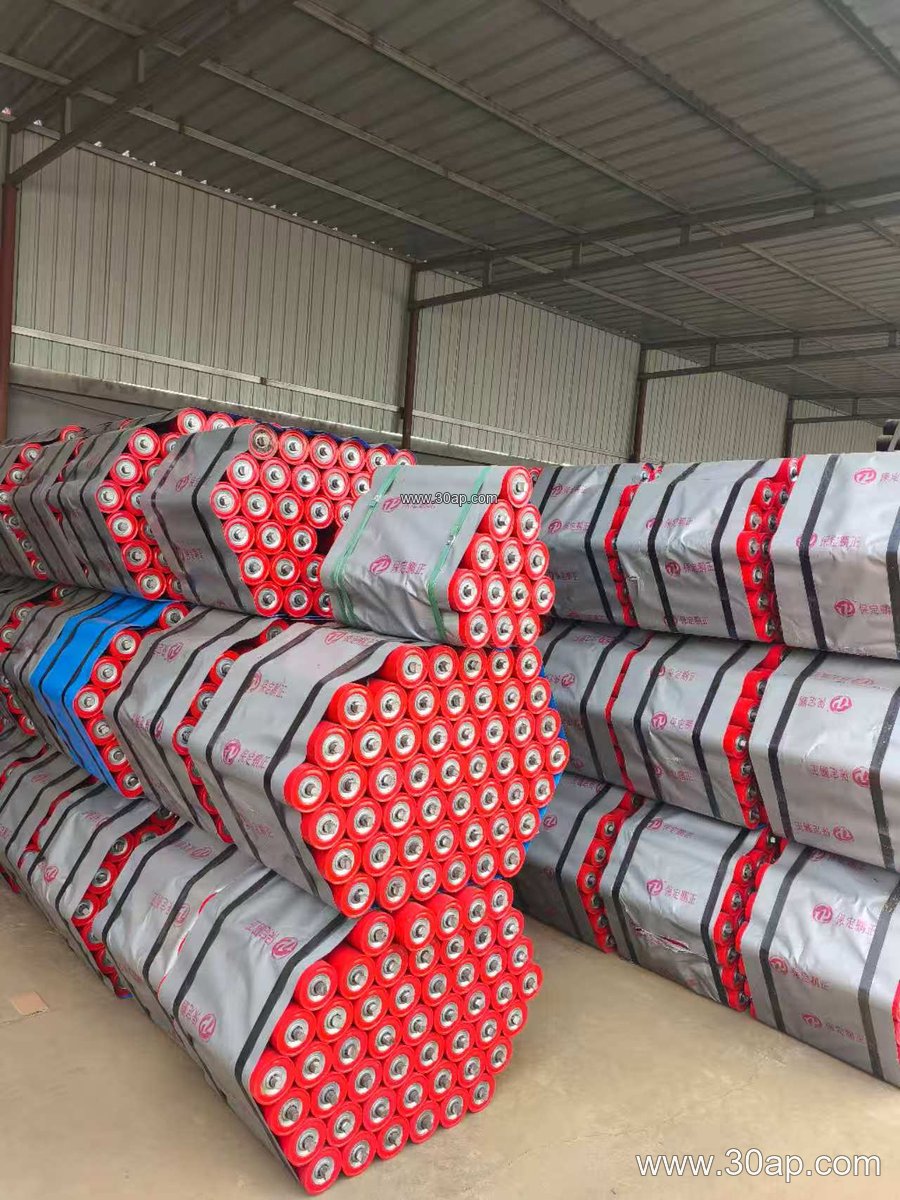
Troughing idlers are normally supplied as single-roller, two-roller, or three-roller sets. Three-roller troughing sets are common on wider belts, with a trough angle of 20, 30, 35, or 45 degrees. A small forward tilt of about 1.5 to 2 degrees is sometimes used to help the belt center itself. Return idlers are often flat or V-shaped, and impact idlers with rubber rings are placed under loading points where crushed rock drops onto the belt.
Common roller diameters include Ø63, Ø76, Ø89, Ø102, Ø108, Ø127, Ø133, Ø159, Ø178, Ø194, and Ø219 mm. Bearing sizes such as 6204, 6205, 6305, 6306, 6308, and 6310 appear across the range. A given roller diameter does not lock you into one bearing, and a given belt width does not dictate one shaft size. Those choices come from the conveyor design and the load calculation.
Matching Rollers to Belt Width
Roller length changes with belt width, trough angle, and the number of rollers in the set. The table below shows typical examples for three-roller troughing sets; side rollers and center rollers can differ, so treat these as reference points rather than fixed rules.
| Belt Width | Typical Roller Length (three-roller troughing) |
|---|---|
| B500 | about 200 mm |
| B650 | about 250 mm |
| B800 | about 315 mm |
| B1000 | about 380 mm |
| B1200 | about 465 mm |
| B1400 | about 530 mm |
| B1600 | about 600 mm |
| B1800 | about 670 mm |
| B2000 | about 750 mm |
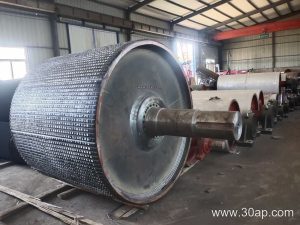
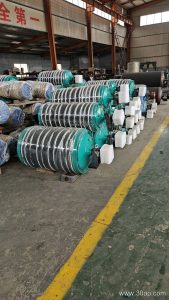
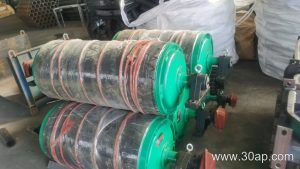
Belt widths from B400 up to B2400 are used in aggregate and mining conveyors, and the roller set must be selected to suit the actual belt, not copied from a neighboring line. The conveyor pulley at the head and tail sets the belt path, while the idlers support it in between. Drive, tail, and bend pulleys each have their own role and are not interchangeable with idlers or with each other.
Where These Idlers Are Used
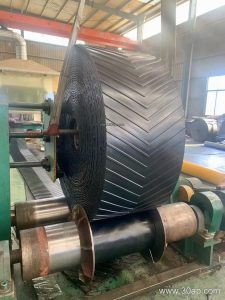
Aggregate plants are the classic home for this equipment, but the same rollers appear in limestone quarries, iron ore and copper ore handling, coal preparation plants, cement plants, and power station coal yards. A crusher discharge conveyor, a screen feed belt, and a stockpile conveyor all rely on troughing and return idlers sized for the duty. In dusty, abrasive service, an abrasion resistant conveyor belt paired with well-sealed rollers gives the longest service interval.
Heavy-duty mining conveyor belts and steel cord conveyor belts are common on long overland runs, and they place higher demands on roller alignment and bearing quality. Where material is wet or sticky, self-cleaning designs such as spiral or comb rollers can reduce build-up. Around loading zones, impact idlers protect both the roller and the belt.
Buyer Checklist
- Confirm belt width, trough angle, and whether the set is two-roller or three-roller.
- Check the roller diameter and bearing size against the conveyor design, not against a single belt dimension.
- Match the seal type to the dust and moisture level on site.
- Decide between steel, nylon, ceramic, or rubber-ring surfaces based on wear and impact.
- Verify bracket and frame dimensions so the new idler fits the existing conveyor structure.
- Keep spare rollers and bearings for high-wear positions such as transfer points.
Routine inspection of idler rotation, noise, and belt tracking prevents small roller failures from turning into belt damage. For buyers sourcing complete conveyor systems, the idler specification should be read together with the conveyor belt grade, the pulley schedule, and the bracket layout. A balanced specification keeps a sand and gravel line running with fewer stoppages and longer component life.