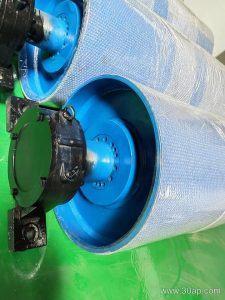
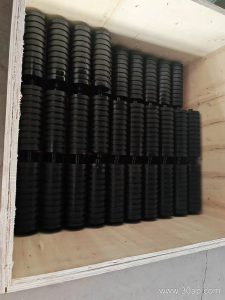
What Is a Non-Standard Conveyor Bracket?
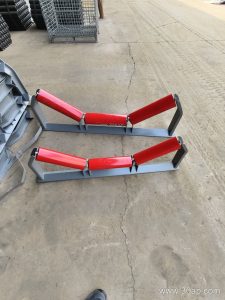
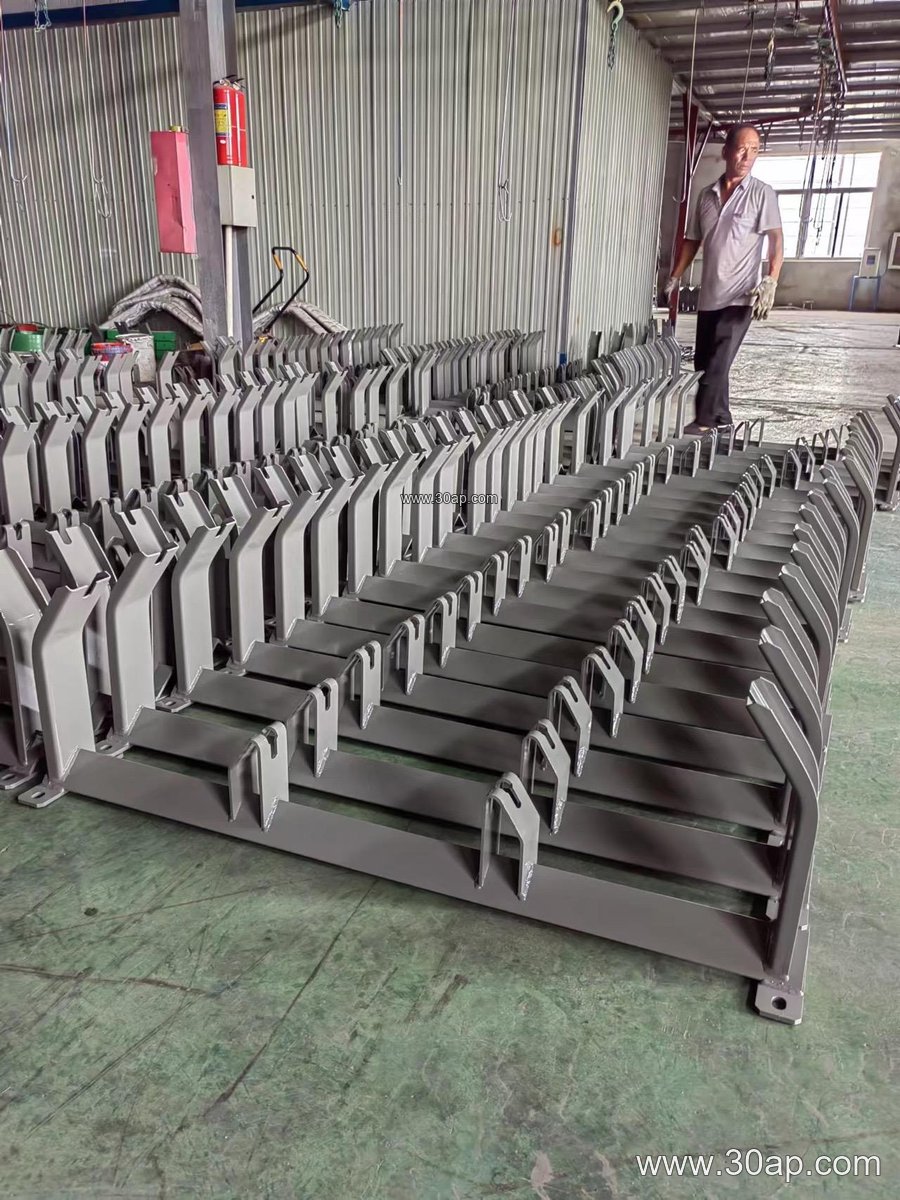
A non-standard conveyor bracket is a custom-fabricated support component that holds idler rollers in the correct position on a conveyor frame. Unlike off-the-shelf brackets designed for common belt widths and trough angles, a non-standard conveyor bracket is built to match a specific layout, often when standard parts cannot fit the available space or the required roller arrangement. These brackets are frequently used in quarry conveyor lines, cement plant raw material handling, and power plant coal conveying systems where space constraints or unique transition zones demand a tailored solution.
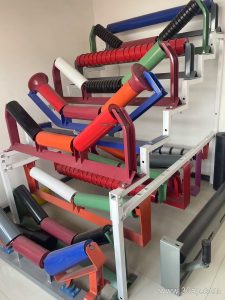
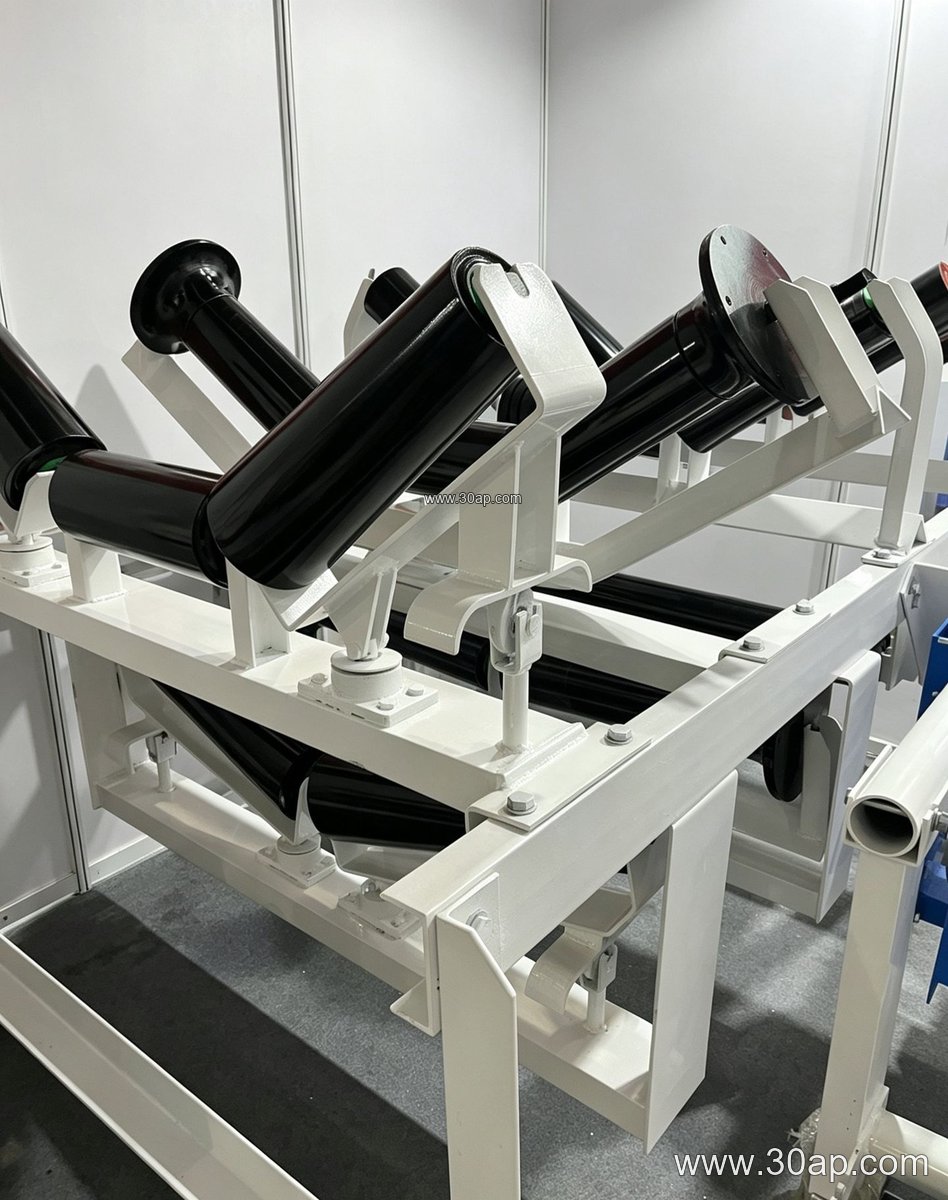
While the term may sound like a single item, it covers a family of support structures. The non-standard conveyor bracket can be a troughing bracket for carrying idlers, a return bracket for the belt’s return run, or an transition bracket that guides the belt from flat to troughed. Each type is designed around the same principle: securely holding the idler roller at the correct angle and spacing so the conveyor belt runs smoothly without excessive wear or misalignment.
Construction and Materials
Fabrication typically starts with angle steel, channel steel, or bent steel plate. The choice depends on load requirements and environmental conditions. For a heavy-duty mining conveyor bracket in an iron ore mine, channel steel is common for its rigidity. In a sand and gravel plant, lighter angle steel may suffice. The bracket is cut, drilled, and welded to form the required mounting surfaces for the idler shaft. Slotted holes or adjustable arms are often incorporated so maintenance crews can fine-tune the roller position or accommodate minor frame variations.
Surface treatment matters in corrosive or abrasive settings. A non-standard conveyor bracket for a fertilizer plant may receive a hot-dip galvanized finish, while one in a coal preparation plant might be painted with an epoxy coating. These details are usually specified by the conveyor designer based on the site conditions.
Where Non-Standard Brackets Fit in a Conveyor System
These brackets are common in transition zones where the belt changes from flat to troughed. A standard bracket may not provide the gradual angle change needed, so a custom transition bracket is fabricated. They also appear at transfer points, where impact idlers require a reinforced support structure. In tunnel boring operations, space is tight and a low-profile non-standard conveyor bracket can keep the belt line close to the ground.
Another frequent use is in retrofits. When an existing conveyor is upgraded to a wider belt or a different trough angle, the original brackets may no longer align with the new idler rollers. Rather than replacing the entire frame, custom brackets can bridge the gap. This approach is often seen in older cement plants and aggregate operations looking to increase capacity without a full rebuild.
Key Parameters to Consider
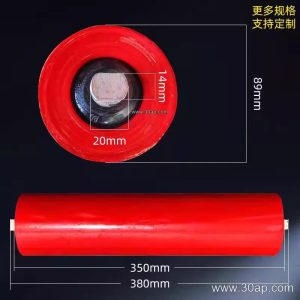
When specifying a non-standard conveyor bracket, several parameters interact. The belt width, trough angle, and roller diameter are the primary drivers. The table below shows common combinations, but these are examples only—actual values are determined by the conveyor design.
| Belt Width (B) | Common Trough Angle | Typical Roller Diameter |
|---|---|---|
| B500 | 20° – 30° | Ø89 |
| B650 | 30° – 35° | Ø89 – Ø108 |
| B800 | 35° | Ø108 |
| B1000 | 35° – 45° | Ø108 – Ø133 |
| B1200 | 35° – 45° | Ø133 |
| B1400 | 35° – 45° | Ø133 – Ø159 |
| B1600 | 35° – 45° | Ø159 |
| B1800 | 35° – 45° | Ø159 – Ø194 |
Note that a given belt width does not lock you into one trough angle or roller diameter. For instance, a B1200 conveyor might use a 35° trough with Ø133 rollers in one section and a 45° trough with the same rollers in another, depending on material characteristics. The bracket must be designed accordingly. Also, the mounting hole spacing and crossbeam length are not fixed—they vary with belt width and trough angle, so each non-standard conveyor bracket is typically made to order.
Selection and Maintenance Tips
Buyers should start with the conveyor’s duty requirements. In a quarry conveyor handling abrasive rock, the bracket should be robust enough to resist vibration and impact. For a food-grade or pharmaceutical application, stainless steel may be needed to prevent contamination. It’s also wise to consider future changes: an adjustable bracket with slotted holes can accommodate minor belt width variations or roller size changes during maintenance.
Maintenance crews should inspect brackets for corrosion, loose bolts, and bent arms, especially in high-moisture environments like wash plants. A bent non-standard conveyor bracket can cause the idler roller to sit at the wrong angle, leading to belt mistracking and edge damage. Replacing a bracket is usually straightforward if the original design is documented. Keeping a spare set of critical custom brackets on site can minimize downtime.
Coordinating with Other Conveyor Components
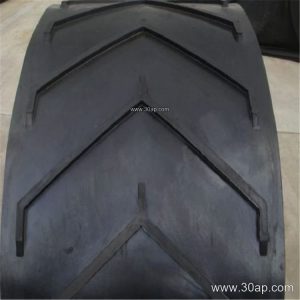
A non-standard conveyor bracket does not work in isolation. It must match the conveyor frame, the idler roller shaft, and the belt. For example, a heavy-duty mining conveyor belt with a thick cover may require a larger roller diameter to reduce indentation rolling resistance, which in turn affects bracket height. Similarly, a pipe conveyor belt or a corrugated sidewall belt may need special bracket geometry to support the belt’s unique profile. When ordering, provide the belt type, roller diameter, and frame dimensions so the fabricator can deliver a bracket that fits perfectly.
For more information on conveyor components, visit our site at www.example.com/conveyor-bracket or www.example.com/idler-roller. Our team can help you specify non-standard brackets for your next project.