What a Conveyor Bracket Is and What Drives Its Price
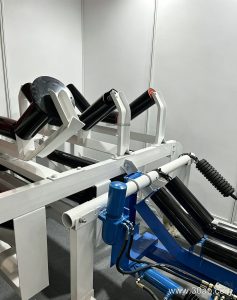
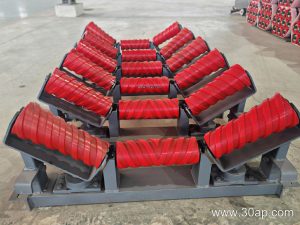
The conveyor bracket, often called a conveyor support bracket or idler bracket, is the fabricated steel frame that holds the idler rollers in the correct position under the belt. It looks simple, but it sets the trough angle, the roller spacing and the line of the belt, so its quality matters more than its low unit cost suggests. When buyers ask about conveyor bracket price, they are really asking about a combination of steel weight, bending and welding work, hole accuracy and surface treatment.
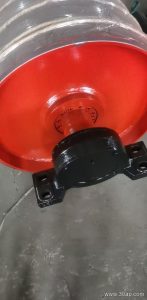
A bracket is not a pulley. The drive pulley, tail pulley and bend pulley are separate rotating components with their own price logic. Keeping this distinction clear helps purchasing teams compare quotations correctly.
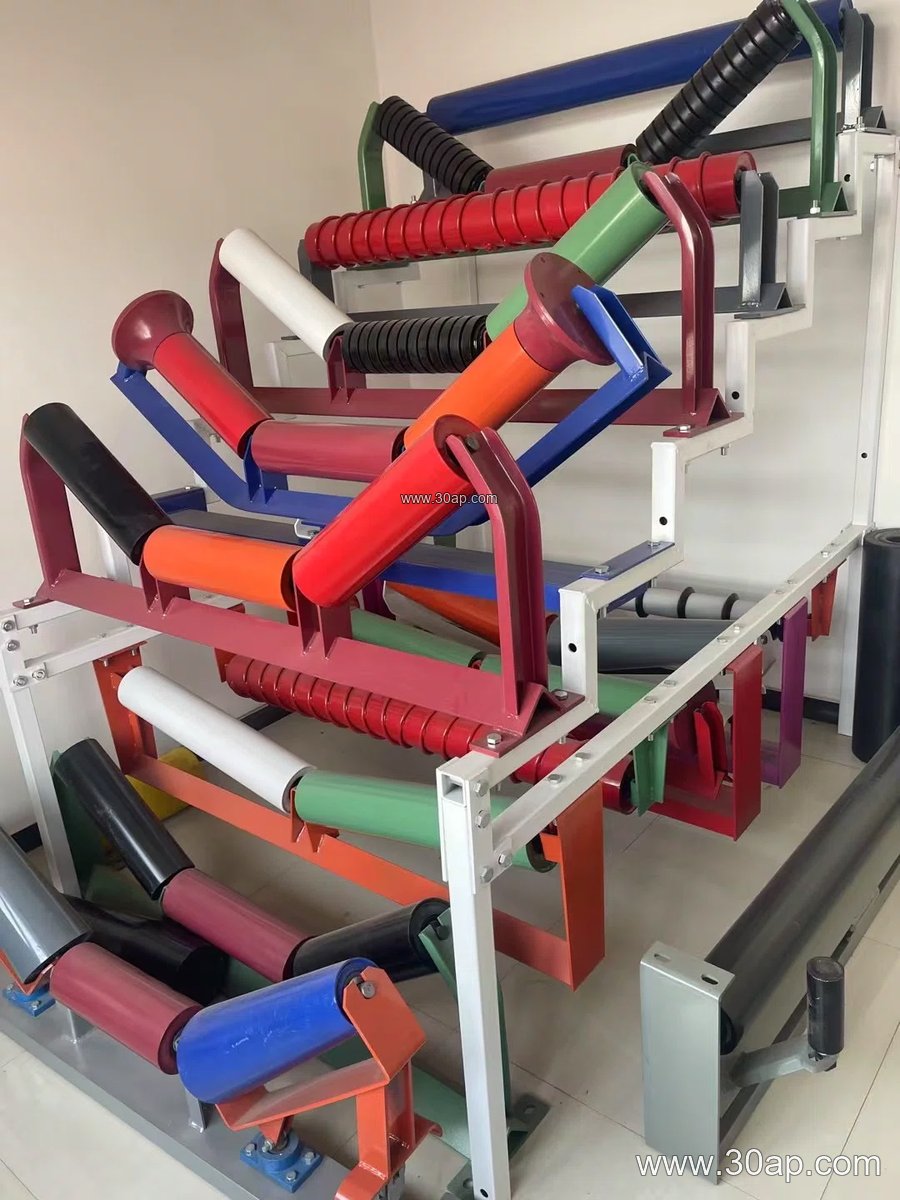
How the Bracket Is Built
Most brackets are made from angle steel, channel steel or folded steel plate. The common process is cutting, punching or drilling the mounting holes, bending, welding the crossbeam to the end supports, then painting or galvanizing. Price moves with plate thickness, the number of welds, the accuracy of the roller slot positions and the finish requested for a dusty or wet site.
- Material: angle steel, channel steel, folded plate
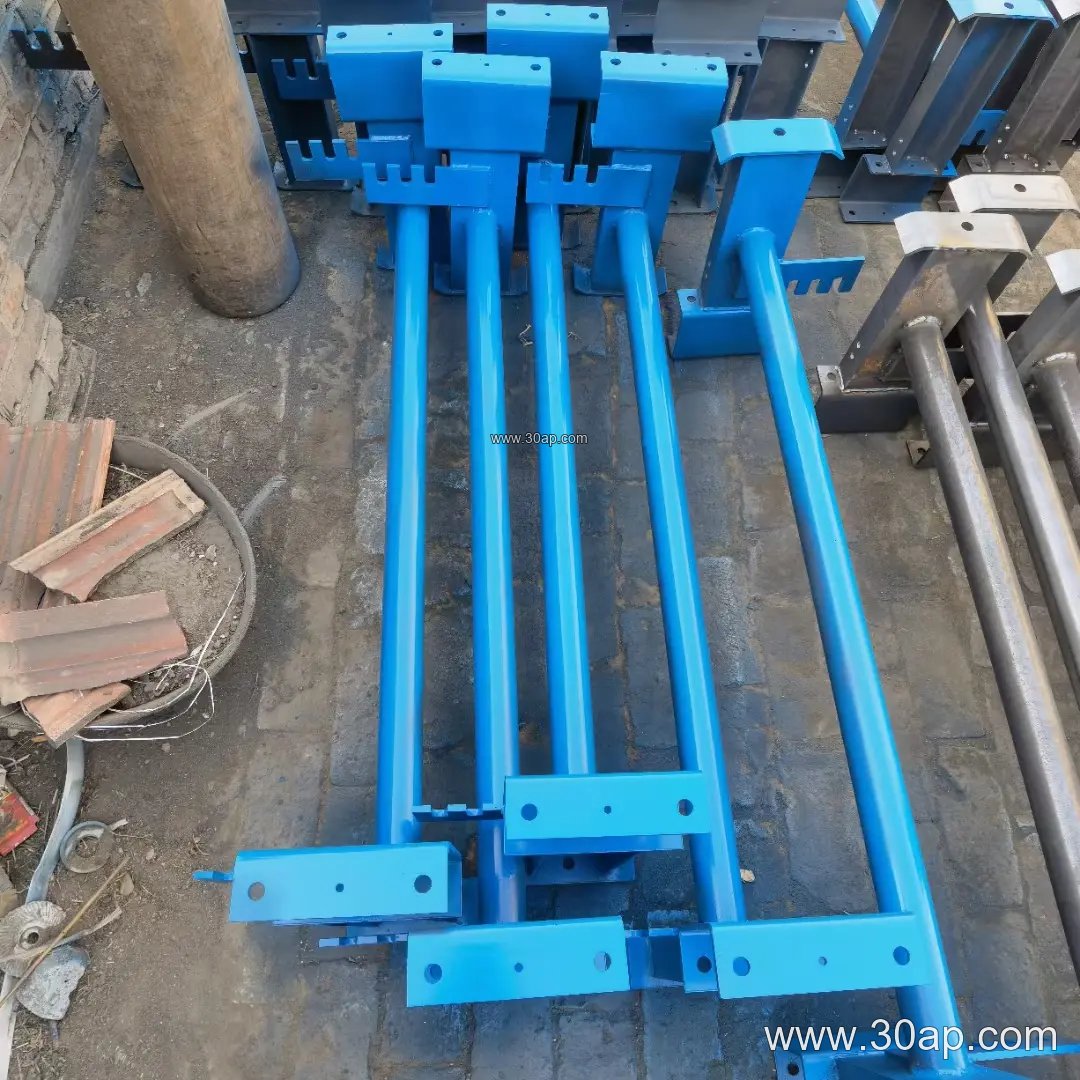
- Form: trough bracket, return bracket, transition bracket, self-aligning bracket, suspended bracket, adjustable bracket
- Finish: painted, galvanized or as specified
Hole pitch and crossbeam length change with belt width and trough angle, so they are determined by design rather than fixed numbers.
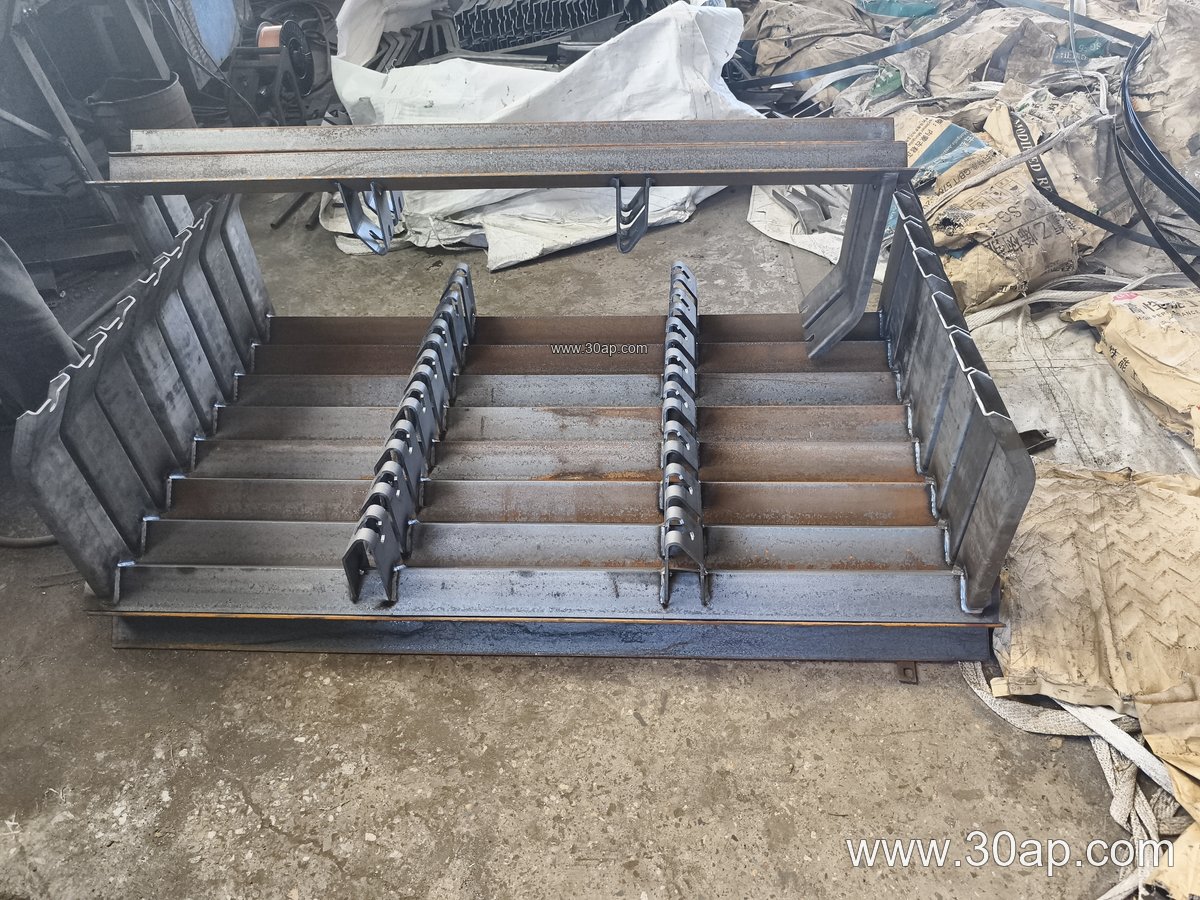
Where Brackets Are Used
Trough brackets carry the loaded side of the belt on a limestone quarry line or a cement plant raw material conveyor, while return brackets support the empty side. In a coal washing plant or a power plant coal handling system, self-aligning and forward-leaning brackets help keep the belt centred. Buffer brackets are common below crusher discharge points where impact is heavy.
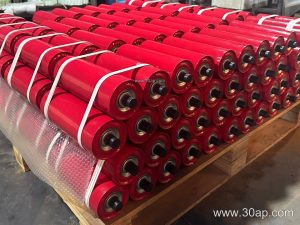
Brackets work together with the conveyor belt, idler roller and conveyor pulley; a well-made bracket keeps roller axes parallel, which protects the belt edge and reduces tracking problems.
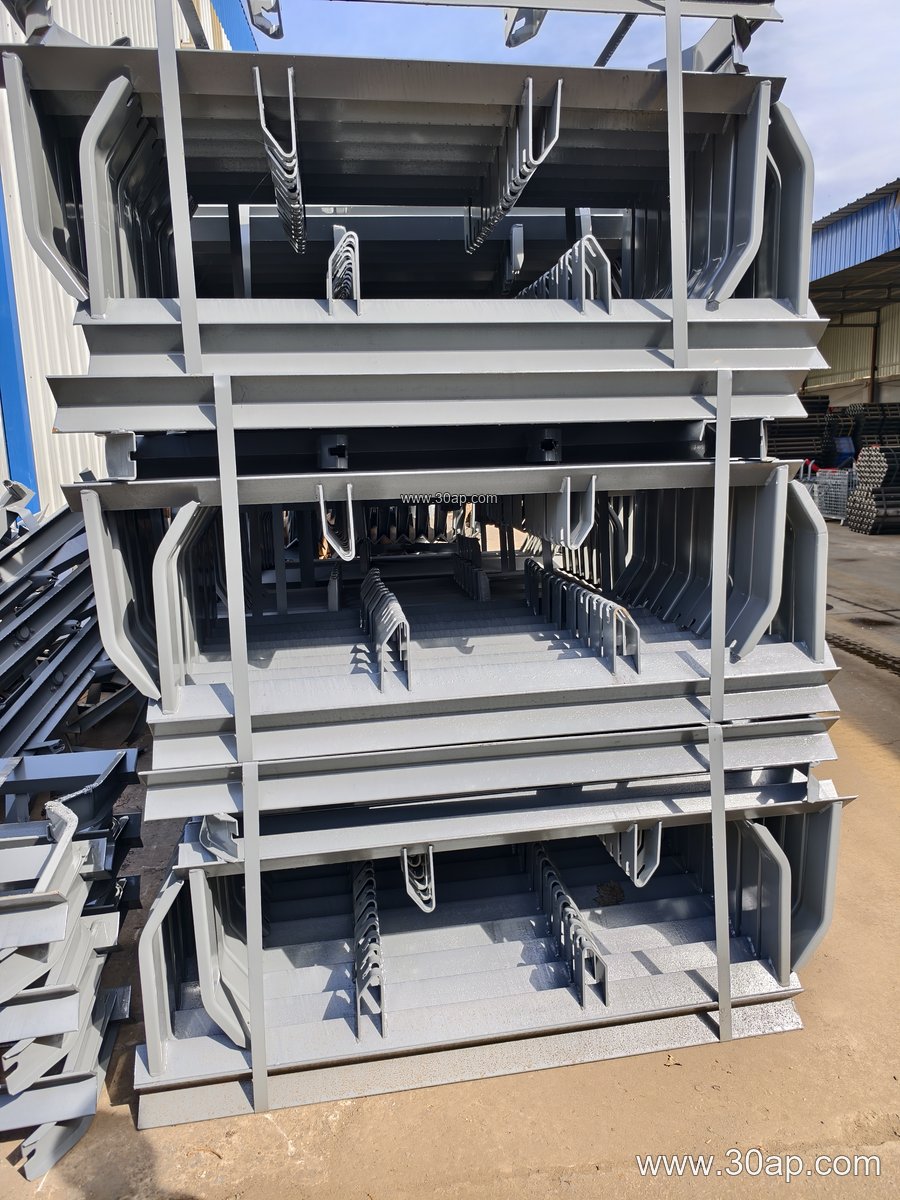
Common Reference Sizes
The table below shows typical reference combinations. They are examples for enquiry, not fixed matches. One belt width can accept different trough angles and roller diameters depending on the design.
| Belt width | Trough angle | Roller diameter | Typical use |
|---|---|---|---|
| B500 | 20°, 30° | Ø89 | Small aggregate lines |
| B650 | 30°, 35° | Ø89, Ø108 | Sand and gravel plants |
| B800 | 30°, 35°, 45° | Ø108, Ø133 | Cement and crushing plants |
| B1000 | 35°, 45° | Ø108, Ø133, Ø159 | Coal washing, power plant coal |
| B1200 | 35°, 45° | Ø133, Ø159 | Iron ore and port conveyors |
| B1400–B1800 | 35°, 45° | Ø159, Ø194 | Heavy bulk material lines |
| B2000–B2200 | 35°, 45° | Ø194 | Large tonnage transport |
Adjustable brackets allow the trough angle to be set between the common 20°, 30°, 35° and 45° positions. Forward-leaning brackets usually sit around 1.5° to 2° ahead of the belt direction.
What Buyers Should Check Before Comparing Prices
First, confirm the bracket type and mounting position, because a trough bracket and a return bracket are different products. Second, give the belt width, trough angle and roller diameter together, for example B800, 35°, Ø108. Third, state the steel thickness and surface finish. Fourth, ask whether the quotation covers welding, drilling and painting or only raw fabrication.
A bracket quoted for a heavy-duty mining conveyor belt line with wide belts and thick rollers will naturally cost more than one for a light sand line. Buyers running an EP conveyor belt or a steel cord conveyor belt on the same structure should confirm roller loads with the designer.
Finally, order brackets together with the idler rollers and check hole alignment on arrival. Small dimensional errors can cause belt mistracking and extra wear on the conveyor belt, costing more than the price difference saved.